An exhibition titled "Tang China – A Cosmopolitan Dynasty (7th–10th Century)" was inaugurated on Monday at the Guimet National Museum of Asian Arts in France.
Jointly directed by China's National Cultural Heritage Administration and the French Ministry of Culture, the exhibition is showcasing over 200 exquisite artifacts from 32 cultural institutions and museums across 10 provincial-level regions and cities in China.
Chinese President Xi Jinping and French President Emmanuel Macron have respectively inscribed prefaces to the exhibition.
The exhibition features eight thematic sections highlighting the vibrant cultural achievements of the Tang Dynasty, its open and inclusive spirit, and its enduring influence. While offering visitors an enriching visual experience, these exhibits celebrate the unique charm of Chinese culture.
A researcher of the Guimet National Museum of Asian Arts noted that many of the items on display are cultural relics unearthed after 2019, being showcased abroad for the first time.
"We hope that not only Western visitors will come to admire these exquisite artifacts from the Tang Dynasty, but also Chinese tourists in Paris. It's an opportunity for them to take pride as Chinese in this rarely exhibited collection of cultural treasures," said Cao Huizhong, an researcher at the museum.
Marking the 60th anniversary of diplomatic relations between China and France, the Guimet National Museum of Asian Arts has organized a series of Chinese cultural activities this year to celebrate this milestone.
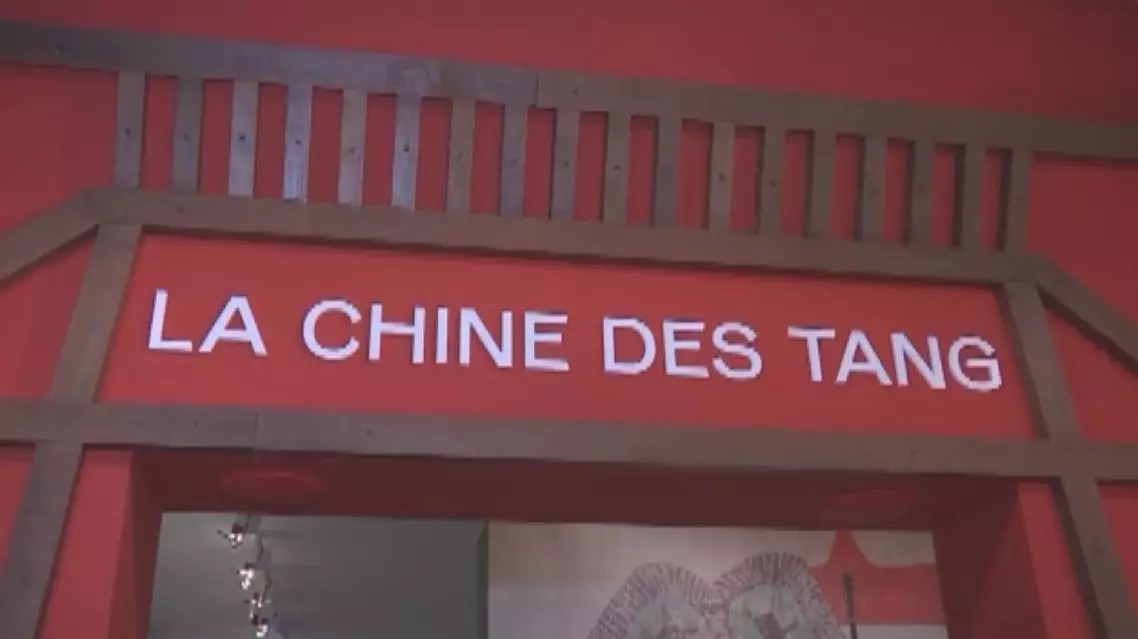
Exhibition of China's Tang Dynasty artifacts held in France
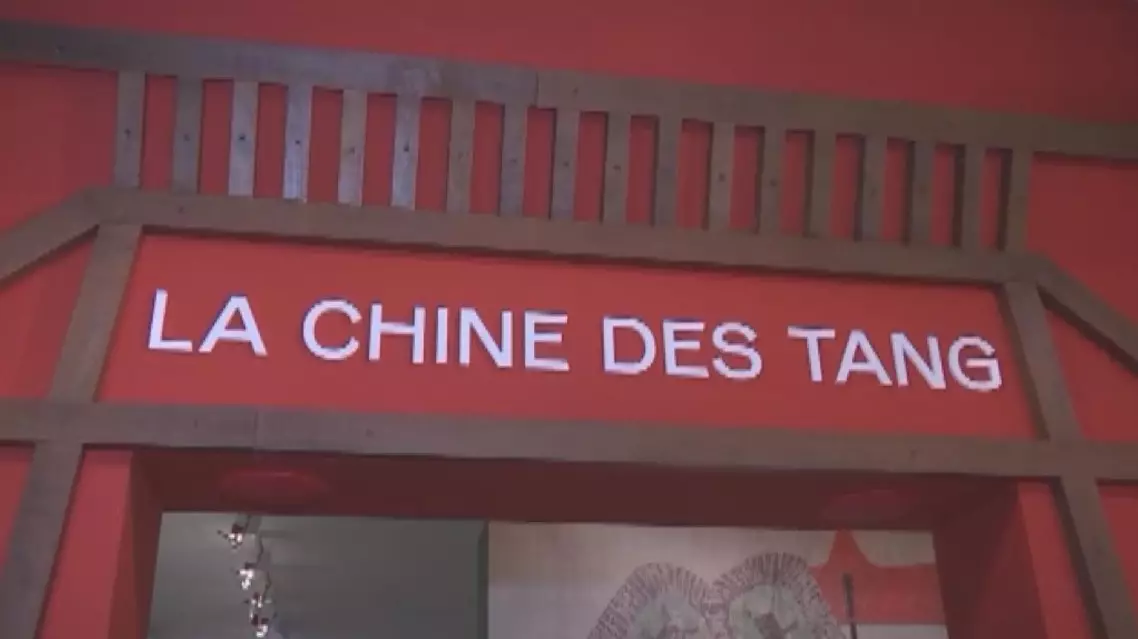
Exhibition of China's Tang Dynasty artifacts held in France
U.S. President Donald Trump on Wednesday threatened to intensify airstrikes against Iran if a peace deal is not reached, while Tehran vowed it would not let Washington exit the crisis without paying a price.
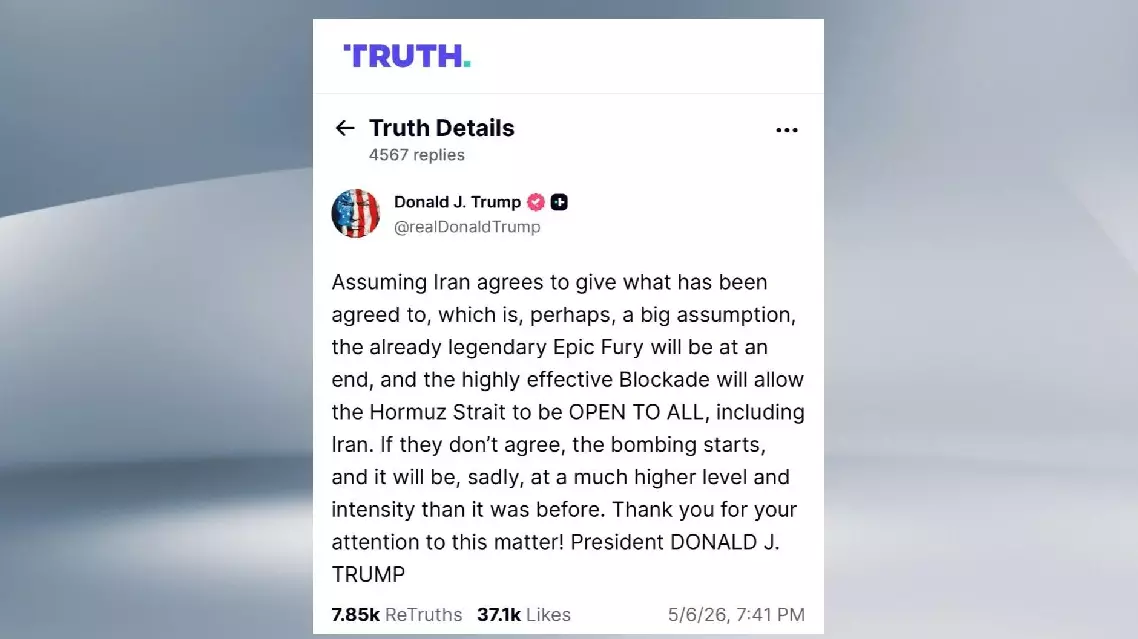
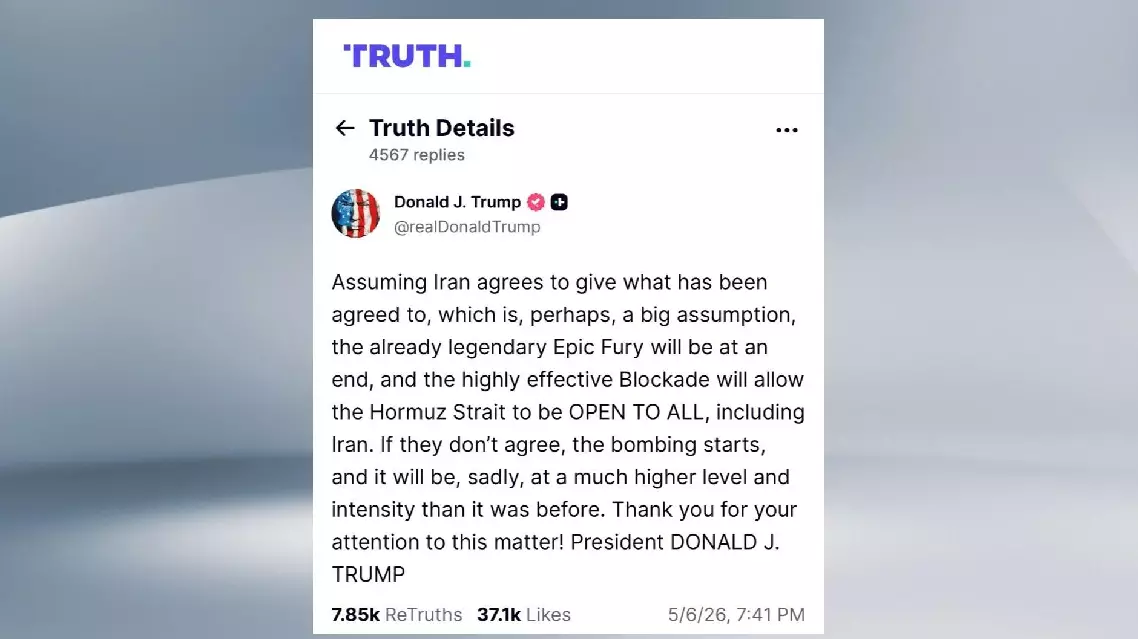
"Assuming Iran agrees to give what has been agreed to, which is, perhaps, a big assumption, the already legendary Epic Fury will be at an end, and the highly effective Blockade will allow the Hormuz Strait to be OPEN TO ALL, including Iran," Trump wrote in a post on Truth Social.
"If they don't agree, the bombing starts, and it will be, sadly, at a much higher level and intensity than it was before," he added.
On the same day, Mohsen Rezaei, a senior military advisor to Iran's Supreme Leader, said in an interview that Iran would not allow the United States to extricate itself from the crisis without paying a price.
Rezaei dismissed the U.S. proposal to reopen the Strait of Hormuz as a "show" designed to facilitate a withdrawal from the region, asserting that Iran would not allow it.
He emphasized that the United States must compensate Iran for incurred losses, adding that Tehran "will certainly obtain its rights and compensation."
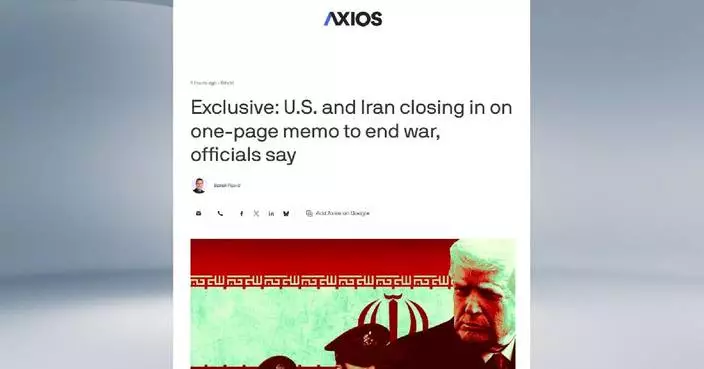
The United States and Iran are close to agreeing a one-page memo to end their war, U.S. online media outlet Axios reported on Wednesday.
A potential deal would involve Iran committing to a moratorium on nuclear enrichment and the United States agreeing to lift sanctions, with both sides lifting restrictions on transit through the Strait of Hormuz, it said.
The New York Post reported on Wednesday that Trump said it is "too soon" to start thinking about face-to-face peace talks between the United States and Iran, despite optimistic reports that the two nations were closing in on a potential framework to end their war.
The United States and Israel began attacks on Tehran and other Iranian cities on Feb 28, killing senior Iranian officials and civilians, including then-Supreme Leader Ali Khamenei. Iran responded with missile and drone attacks against Israel and U.S. interests in the region and tightened control over the Strait of Hormuz.
A ceasefire took effect on April 8. Talks between the Iranian and U.S. delegations in Islamabad on April 11-12 ended without an agreement. After negotiations collapsed, the U.S. imposed a blockade of the strait.
Trump threatens heavier bombing if no deal reached, Iran seeks reparations
Trump threatens heavier bombing if no deal reached, Iran seeks reparations