The price for Brent crude oil for July delivery fell back to less than 100 U.S. dollars per barrel on Wednesday morning as investors reacted to the prospect of the United States and Iran soon ending the war in the Middle East.
West Texas Intermediate crude for June delivery dropped as much as 13.61 dollars, or 13.3 percent, to 88.66 dollars per barrel at one point. Brent crude for July delivery dropped 13.12 dollars, or 11.94 percent, to 96.75 dollars a barrel at the low point in the morning session.
The United States and Iran are closing in on a one-page memo to end their war, Axios reported on Wednesday.
A potential deal would involve Iran committing to a moratorium on nuclear enrichment and the United States agreeing to lift sanctions, with both sides lifting restrictions on transit through the Strait of Hormuz, it said.
Still, crude oil futures rose again after U.S. President Donald Trump threatened in a morning post to resume bombing Iran if Iran does not agree to U.S. terms to end the war.
Oil prices slightly rebounded from their intraday lows by 19:30 Beijing time. West Texas Intermediate crude for June delivery was trading at 90.88 dollars per barrel, trimming its decline to 11.14 percent. Brent crude for July delivery also recovered to 98.32 dollars, paring its loss to 10.51 percent after having tumbled nearly 12 percent earlier in the day.
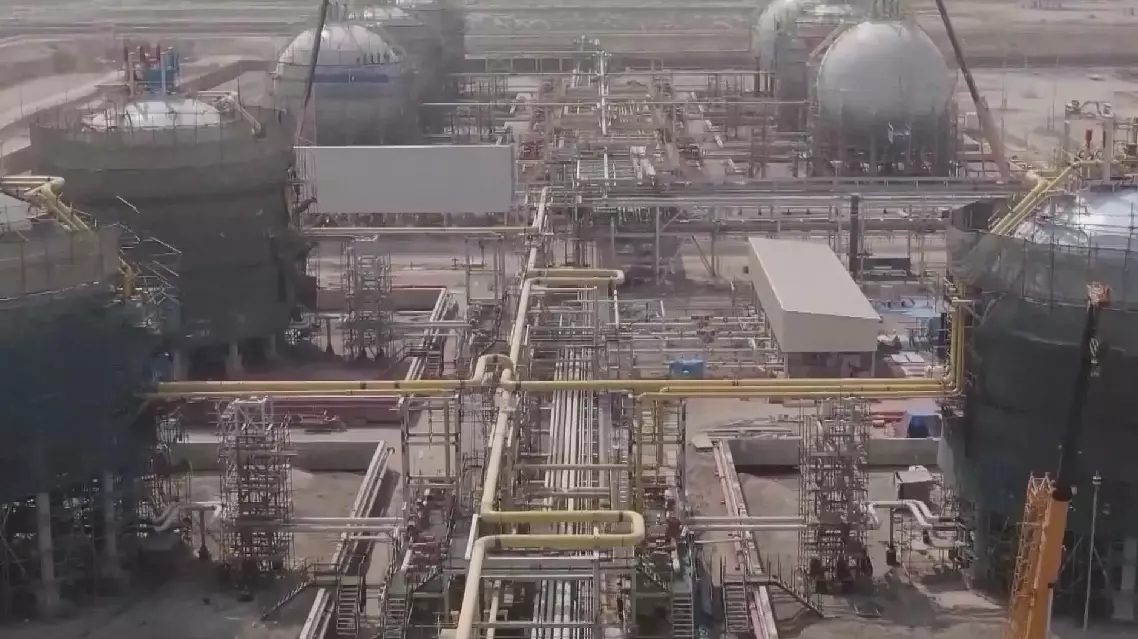
Brent oil price briefly drops under 100 USD
U.S. media reported on Wednesday that the United States and Iran are close to agreeing a one-page memo to end their war, though Tehran pushed back and said it is still reviewing the U.S. proposal, and will convey response via Pakistan. The White House is thought to believe it is nearing an agreement with Iran on a one-page memorandum of understanding (MoU) to end the war and set a framework for more detailed nuclear negotiations, according to Axios, citing two U.S. officials and two other sources briefed on the issue.
A potential deal would involve Iran committing to a moratorium on nuclear enrichment and the United States agreeing to lift sanctions, with both sides lifting restrictions on transit through the Strait of Hormuz, the report said.
The duration of the moratorium on uranium enrichment remains under negotiation, said the report, with estimates ranging from 12 to 15 years. Axios reported that Iran initially proposed a five-year suspension while the United States demanded 20.
While no formal agreement has been reached, sources described this as the closest both sides have come to a deal since the outbreak of the war, according to the report.
The semi-official Fars news agency, citing two unnamed sources, said Iran has not yet responded to the latest U.S. message, which was delivered through the Pakistani side, which has been acting as a mediator in the talks. Iranian Foreign Ministry spokesman Esmaeil Baghaei said Tehran is still reviewing the U.S. proposal and will respond via Pakistan after completing its assessment, according to the Iranian Students' News Agency.
Ebrahim Rezaei, spokesman for the Iranian parliament's national security and foreign policy committee, wrote on X on the same day that Axios had published "a U.S. wish list rather than reality."
He asserted that Americans would not obtain through a failed war what they could not achieve in face-to-face negotiations.
Rezaei further warned of a harsh response if the United States fails to make the necessary concessions.
The United States and Israel started conducting joint strikes on Tehran and other Iranian cities on Feb 28, killing senior Iranian officials and civilians, including then-Supreme Leader Ali Khamenei. Iran responded with missile and drone attacks against Israel and U.S. interests in the region and tightened control over the Strait of Hormuz.
A ceasefire took effect on April 8. Talks between the Iranian and U.S. delegations in Islamabad on April 11-12 ended without an agreement. After negotiations collapsed, the U.S. imposed a blockade of the strait.
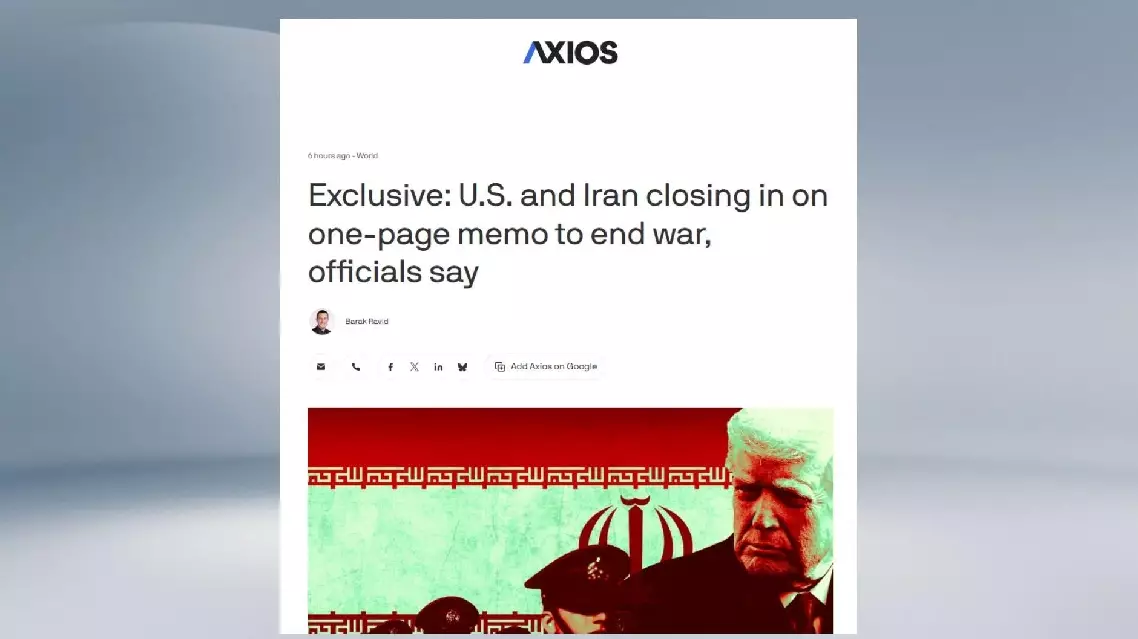
US media says US, Iran close to agreeing peace memo, Tehran denies claims