Skip to Content Facebook Feature Image

World trade in process of slow globalization, not de-globalization: experts

China

China

China

World trade in process of slow globalization, not de-globalization: experts

2024-11-26 22:07 Last Updated At:22:37

Although the globalization process is slowing down, it should not be labeled as re-globalization or de-globalization since global trade figures have continued to rise, said experts in talks with the China Media Group's program Dialogue in Shanghai.

Pascal Lamy, former WTO director-general, noted that the world is witnessing a transformation in globalization, featuring a new balance between security and efficiency, resulting in a different form of global trade growth.

"I'm not sure re-globalization is a proper concept because it implies that we are de-globalizing and we should re-globalize. We are not de-globalizing. If I look at the numbers, world trade is still growing nicely. There's been zero reduction of the volumes of world trade. This is not de-globalization. What is happening is that globalization is morphing. It's not the same kind of globalization, which we have today, from the one we had 20 or 30 years ago," said Lamy.

"At the time, openness was the main doctrine. Today, this openness is mitigated by fear, by national security considerations in the U.S., in China, in Europe. So, we have a globalization which is a different one, with a different balance between security and efficiency. Not to the point of pushing back globalization, but to the point of slowing globalization and making it work differently from the previous period, which is why I don't think it's a re-globalization. It's a slow globalization, slower, it's a different globalization, but not de-globalization," he said.

Zhu Tian, a Professor of Economics at the China Europe International Business School, echoed with Lamy's comments, noting that global trade growth has aligned with economic growth according to the data.

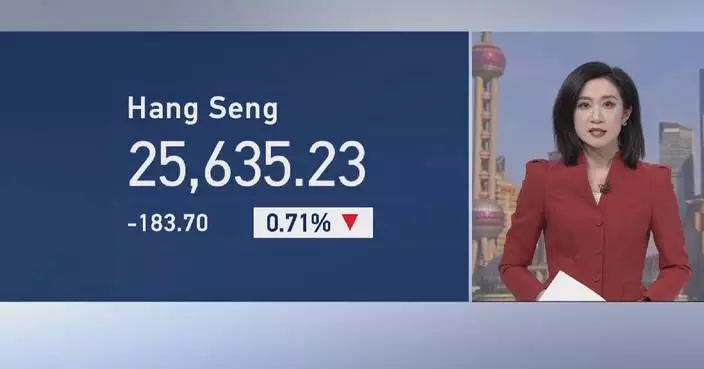
"I fully agree with Lamy's words. It can be said that globalization is slowing down, but it is not de-globalization. Take data for example, in the mid-1980s, global trade accounted for about 35 percent of the total global economy, and the number climbed to over 60 percent, approximately 62 percent, before the 2007 global financial crisis. In 2023 the number returned to 62 percent, reaching the pre-crisis level. In other words, the degree of globalization has reached its historical peak again. In recently, the growth of trade has closely followed the growth of economy, making it difficult to argue that de-globalization is actually happening," said Zhu.

World trade in process of slow globalization, not de-globalization: experts

World trade in process of slow globalization, not de-globalization: experts
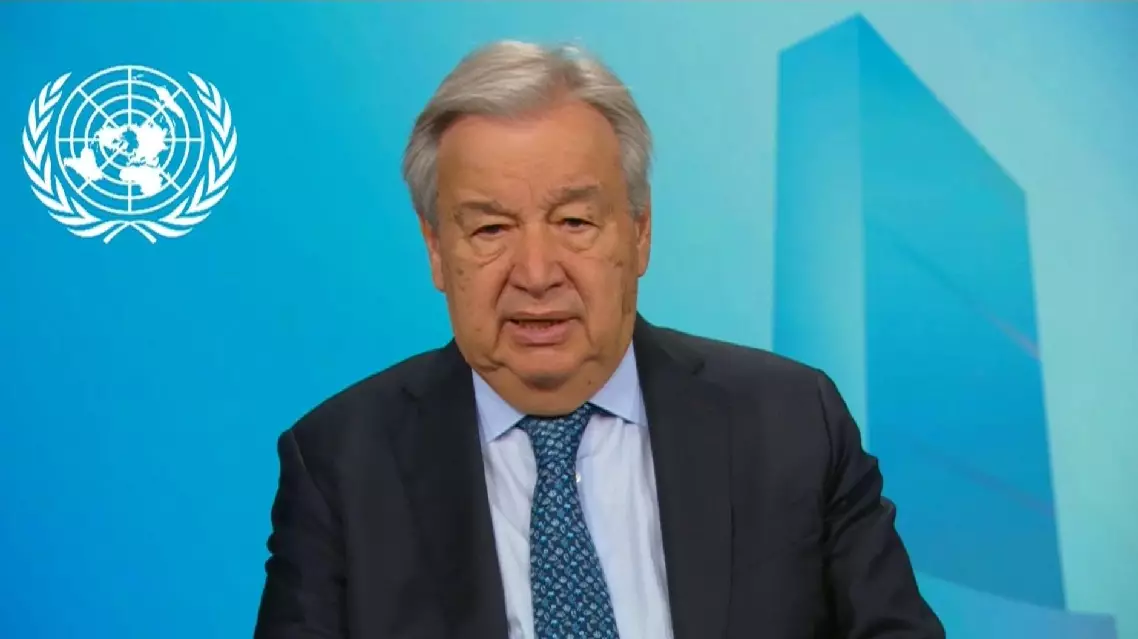
In his new year's call to world leaders, UN Secretary-General Antonio Guterres on Monday urged world leaders to get "priorities straight" and invest in development, not destruction.

"As we enter the new year, the world stands at a crossroads. Chaos and uncertainty surround us. Division. Violence. Climate breakdown. And systemic violations of international law. A retreat from the very principles that bind us together as a human family. People everywhere are asking: Are leaders even listening? Are they ready to act?" Guterres said in his New Year message for 2026.

The scale of global suffering remains severe. More than one-quarter of humanity lives in conflict-affected areas, over 200 million people require humanitarian assistance, and nearly 120 million have been forcibly displaced by war, crises, disasters or persecution, according to UN statistics.

"As we turn the page on a turbulent year, one fact speaks louder than words: Global military spending has soared to 2.7 trillion dollars, growing by almost 10 percent. That is thirteen times more than all development aid, equivalent to the entire Gross Domestic Product of Africa. All, while conflict rages at levels unseen since World War II. On this new year, let's resolve to get our priorities straight. A safer world begins by investing more in fighting poverty and less in fighting wars," said the UN chief.

A UN report released in September 2025 showed that rising military spending comes at a high opportunity cost, noting that less than 4 percent of current global military expenditure could end world hunger by 2030, just over 10 percent could vaccinate every child worldwide, and reallocating 15 percent would be sufficient to cover annual climate adaptation costs in developing countries.

"Peace must prevail. It's clear the world has the resources to lift lives, heal the planet, and secure a future of peace and justice. In 2026, I call on leaders everywhere: Get serious. Choose people and planet over pain. And I urge everyone who hears this message: Play your part. Our future depends on our collective courage to act. This new year, let‘’s rise together: For justice. For humanity. For peace," he said.

UN chief issues New Year's call to world leaders for peace, development

UN chief issues New Year's call to world leaders for peace, development

Recommended Articles