Chinese Foreign Minister Wang Yi on Thursday met with Prak Sokhonn, Cambodian deputy prime minister and foreign minister, and chairman of the Commission for External Relations of the Central Committee of the Cambodian People's Party.
Wang, also a member of the Political Bureau of the Communist Party of China Central Committee, said that the friendship between China and Cambodia has withstood the test of international changes, and under the strategic guidance of the leaders of both countries, the ironclad friendship between the two countries has entered a new stage.
Wang said China is willing to maintain close high-level exchanges with Cambodia, promote the construction of a China-Cambodia community with a shared future in the new era, enhance high-level strategic coordination to address risks and challenges, safeguard the legitimate rights and interests of both countries, and promote regional peace and stability.
Prak Sokhonn said that Cambodia is firmly committed to a friendly policy toward China and is willing to enhance political mutual trust, promote practical cooperation, strengthen diplomatic coordination, and continuously elevate the Cambodia-China friendship to new heights.
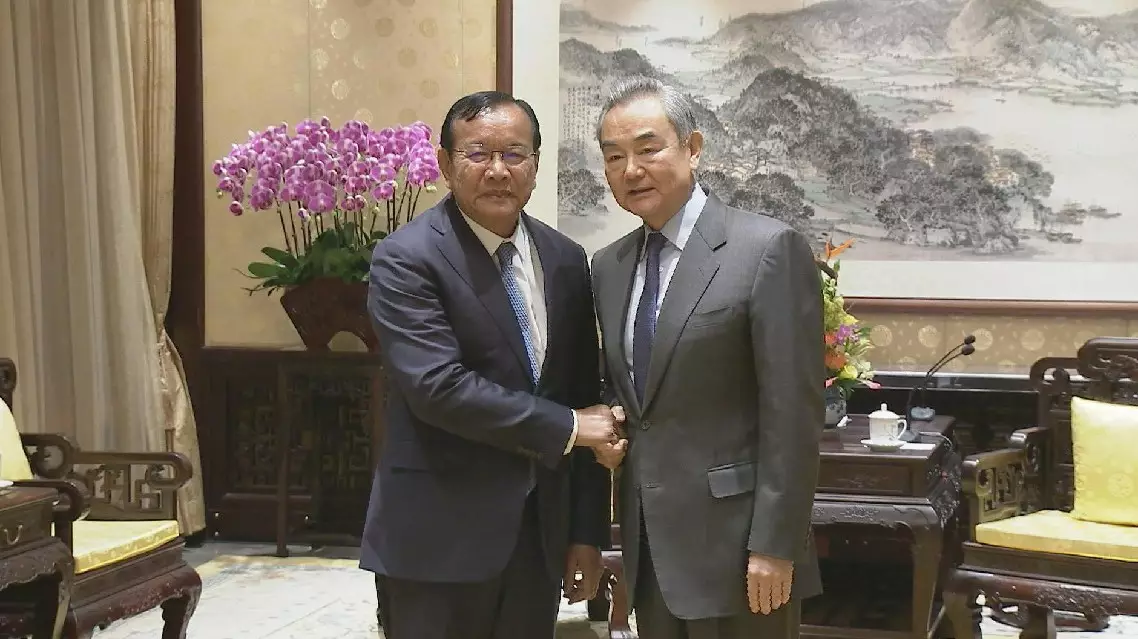
Chinese foreign minister meets Cambodian deputy prime minister
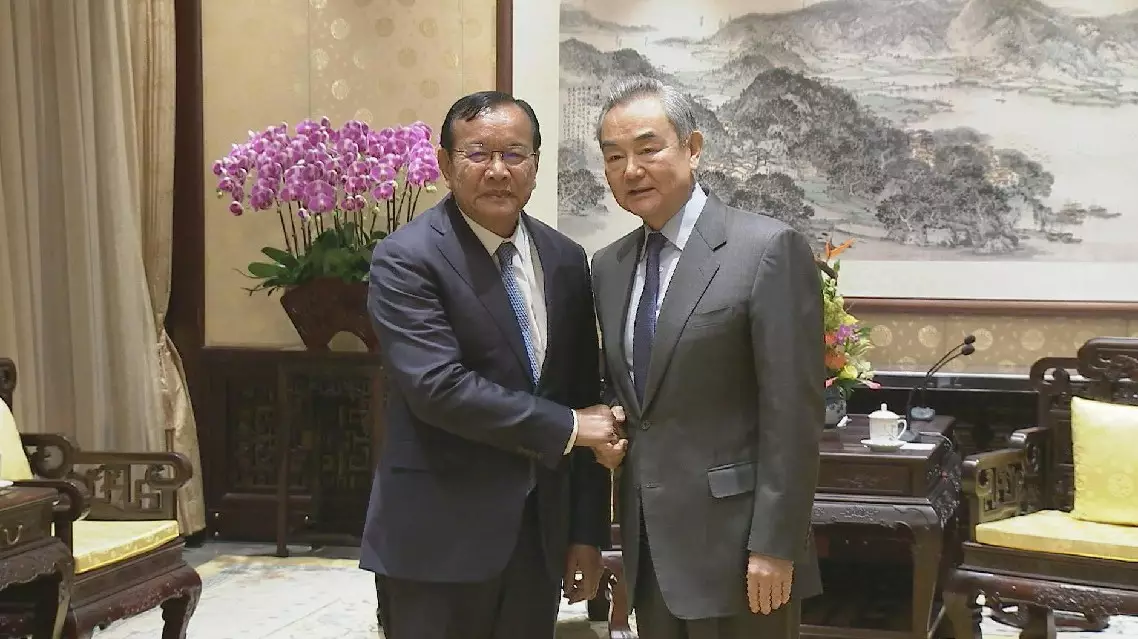
Chinese foreign minister meets Cambodian deputy prime minister
Japan began releasing oil from its reserves Monday to ease supply concerns amid the escalating Middle East conflict and ensure stable distribution of petroleum products, local media reported.
The country is initially releasing 15 days' worth of reserves held by the private sector, with a month's worth of government-held oil to follow, according to Kyodo News.
The Japanese government will lower the mandatory reserve requirement for oil refiners and trading firms from 70 days to 55 days, enabling them to utilize part of their existing inventories.
Last Wednesday, Prime Minister Sanae Takaichi announced the government's plans to release about 80 million barrels of oil, the largest release ever. The amount equals 45 days of domestic consumption and is 1.8 times the volume released following the devastating earthquake and tsunami that rocked northeastern Japan in 2011, Kyodo News reported.
Preparations are underway to sell oil from government-held reserves to wholesalers.
This marks the seventh time Japan has drawn on its oil reserves since the system was introduced in the 1970s. As of the end of 2025, Japan held an oil reserve equivalent to 254 days of domestic demand.
Japan relies on the Middle East for more than 90 percent of its crude oil imports, making it highly vulnerable to the effective closure of the Strait of Hormuz following the outbreak of the Middle East conflict at the end of February. The disruption has driven sharp rises in crude oil prices in the country.
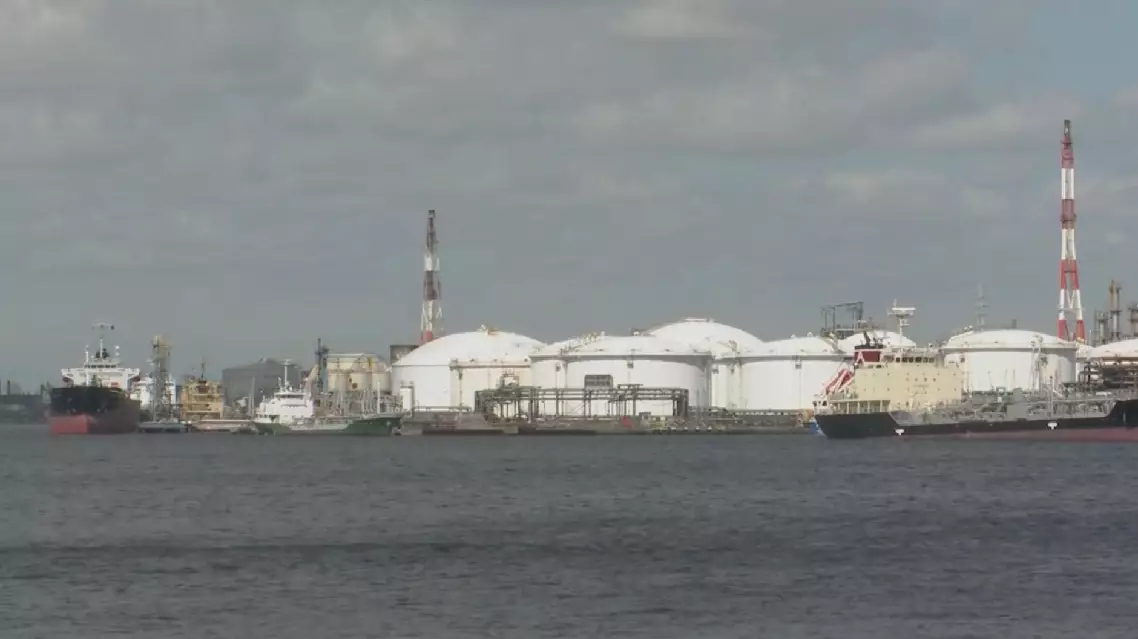
Japan begins oil reserve release amid Mideast conflict