Rising energy prices, increased business costs, and weakened market confidence amid the conflict in the Middle East may weigh on Germany's economic performance in 2026, according to analysts.
International energy prices have been increasing sharply since the tensions escalated across the Middle East on Feb 28, when the United States and Israel launched large-scale joint airstrikes on Iran, creating uncertainty in the global economy.
The German Federal Ministry for Economic Affairs and Energy has pointed out that due to rising natural gas and oil prices, "the risk of a stalled industrial recovery has increased significantly."
For Germany, a country heavily reliant on imported energy and with manufacturing as its economic backbone, energy-intensive industries such as chemicals, automobiles, and machinery manufacturing are particularly sensitive to cost fluctuations. Persistently high oil prices will not only squeeze corporate profit margins but may also curb investment and disrupt production plans.
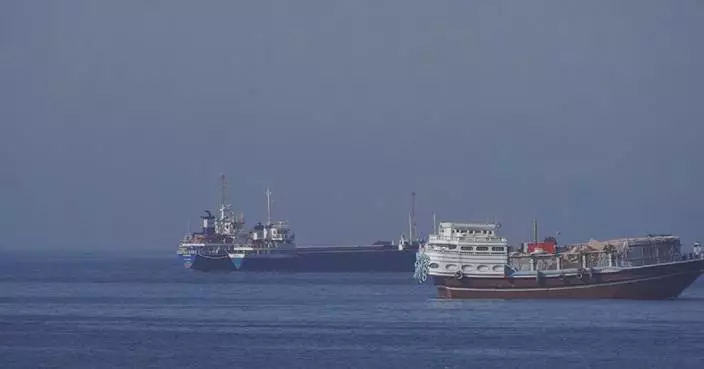
The turmoil in the Middle East has disrupted shipping through the Strait of Hormuz, a crucial sea passage for international goods and energy trade. Fuel prices in Germany have soared by approximately 30 percent, forcing the German government to take steps to stabilize the energy market.
On March 11, German Minister for Economic Affairs and Energy Katherina Reiche announced that the country would release 19.51 million barrels from its strategic oil reserves to address global energy price hikes.
She said that the German government would strengthen oversight of fuel pricing mechanisms, allowing petrol stations to raise prices only once per day to prevent sharp short-term price fluctuations.
Several experts from the German Institute for Economic Research believe that if the Strait of Hormuz remains disrupted, the government's release of oil reserves will have very limited effect.
The impact of rising energy prices is gradually spreading through the industrial chain and to consumers. Analysts have warned that if the crisis persists, transportation and food processing costs may rise, and agricultural inputs such as fertilizers may become scarce.
Rising oil prices are expected to further impact Germany's automotive industry.
Institutions including the Ifo Institute in Munich believe that if the conflict in the Middle East ends relatively soon, the German economy is expected to grow by about 0.8 percent this year. Otherwise, growth could be limited to around 0.6 percent.
The German economy was already grappling with the effects of energy supply shortages and price volatility caused by the Ukraine crisis even before the escalation in the Middle East. Analysts have pointed out that against the backdrop of rising global geopolitical risks and an increasingly complex trade environment, this latest round of energy shocks undoubtedly poses a severe test for Germany.
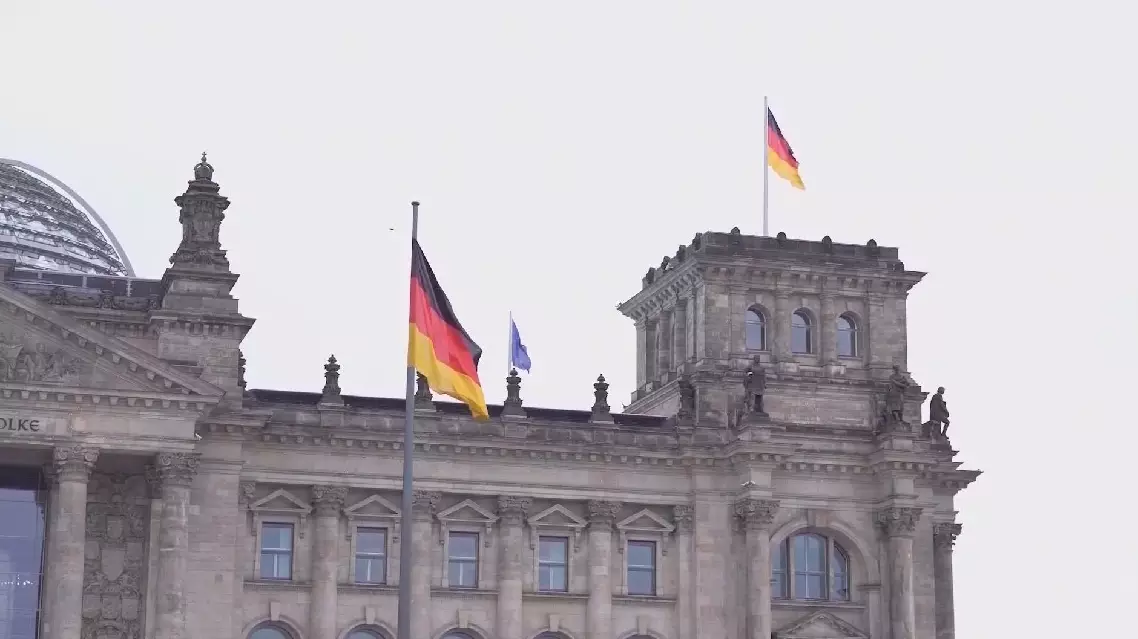
Conflict in Middle East exacerbates Germany's economic uncertainty