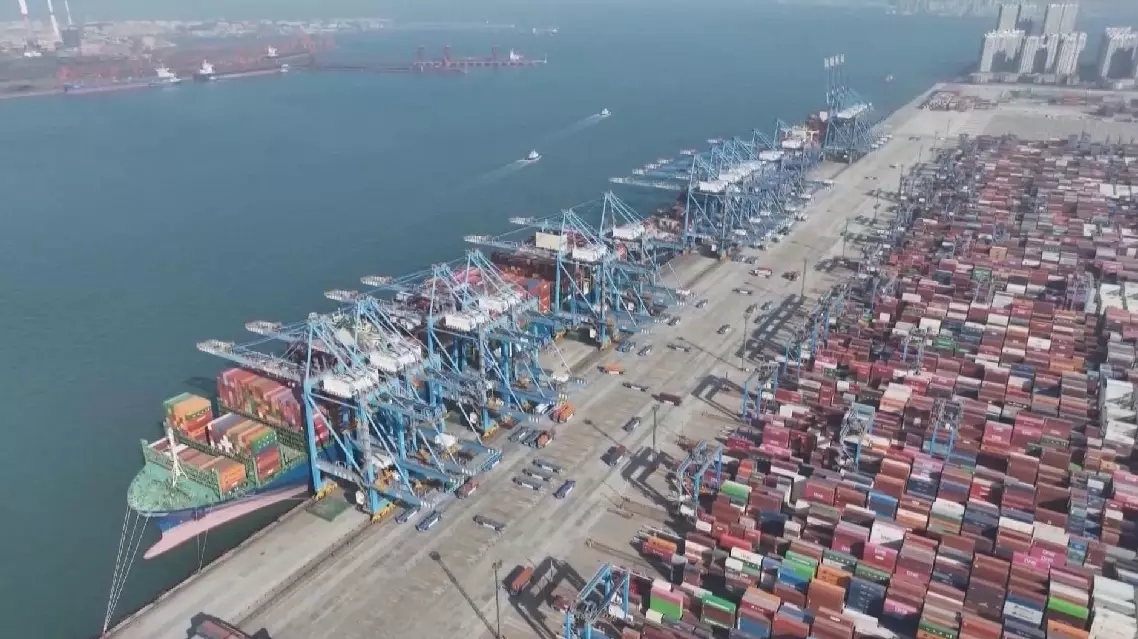
Chinese Vice Premier He Lifeng, also China's lead person for China-U.S. economic and trade affairs, held a video call on Thursday with U.S. Treasury Secretary Scott Bessent and U.S. Trade Representative Jamieson Greer.
The two sides had candid, in-depth, and constructive exchanges on implementing the important consensus reached between the two heads of state at their meeting in Busan and during previous calls, and on further properly addressing their respective concerns in the economic and trade sector and expanding pragmatic cooperation.
The Chinese side expressed solemn concern over recent U.S. restrictive measures against China in the economic and trade fields.
Both sides agreed to continue making full use of the China-U.S. economic and trade consultation mechanism to build consensus, manage differences and enhance cooperation, so as to promote the healthy, stable and sustainable development of China-U.S. economic and trade relations.
Chinese vice premier holds video call with U.S. treasury secretary, trade representative
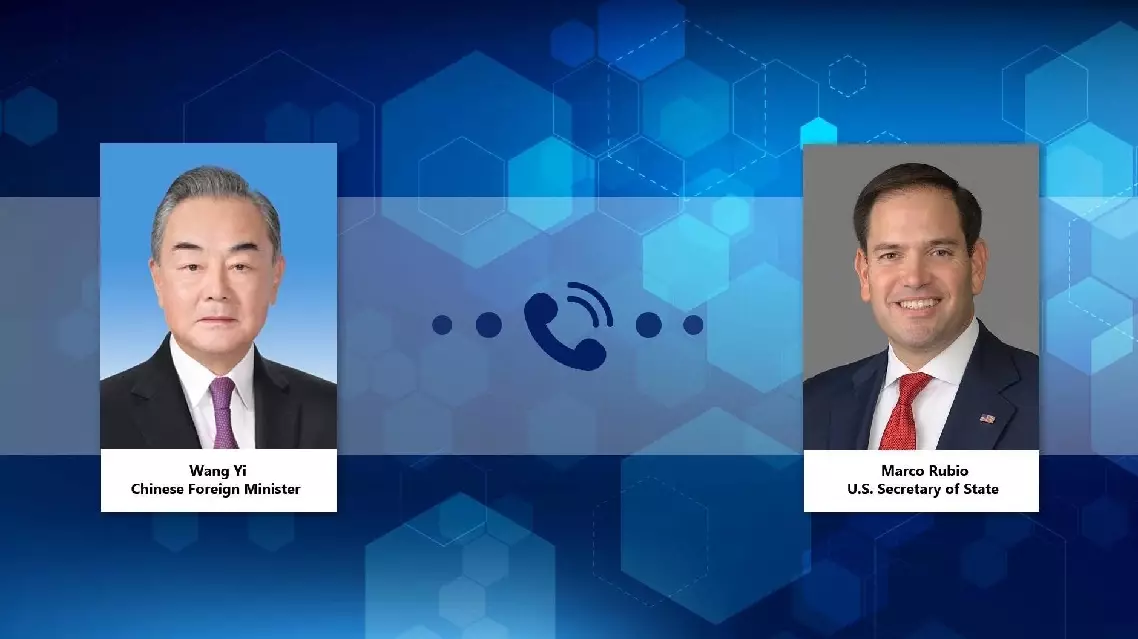
The Taiwan question concerns China's core interests and constitutes the biggest risk in China-U.S. relations, Chinese Foreign Minister Wang Yi said Thursday when speaking to U.S. Secretary of State Marco Rubio over the phone.
Wang, also a member of the Political Bureau of the Communist Party of China Central Committee, noted that the U.S. side should honor its commitments and make the right choices, opening new space for China-U.S. cooperation and doing its part to promote world peace.
Head-of-state diplomacy has always been the "anchor" of China-U.S. relations, Wang said.
Noting that bilateral ties have generally remained stable under the strategic guidance of Chinese President Xi Jinping and U.S. President Donald Trump, Wang said it serves the fundamental interests of both peoples and meets the common expectations of the international community.
Both sides should safeguard the hard-won stability, prepare well for key high-level interaction agendas, expand areas of cooperation, manage differences, explore building a China-U.S. relationship that is strategic, constructive and stable, and achieve mutual respect, peaceful coexistence and win-win cooperation.
For his part, Rubio said that the U.S.-China relationship is the most important bilateral relationship in the world, and head-of-state diplomacy is at the core of the relationship.
Both sides should maintain communication and coordination, respect each other, properly handle differences, accumulate achievements for high-level interactions between the United States and China, and seek strategic stability in U.S.-China relations, said Rubio.
The two sides also exchanged views on the situation in the Middle East, among others.
Taiwan question constitutes biggest risk in China-US relations: Chinese FM