Negotiations for the free trade agreement between the the Gulf Cooperation Council (GCC) and China have entered the final stage, said GCC Secretary General Jasem Mohamed Albudaiwi in Kuwait City of Kuwait on Friday.
Addressing a press conference on the upcoming 45th GCC Summit, Albudaiwi said the GCC will strengthen cooperation with China in various fields in the coming year.
"We are coordinating with China on every different level. We are in the final stage of our FTA negotiation with China. We hope, we really, truly hope, we can finish it, I hope, this month, or next month, in December, in the near future. Because it is a relationship that will open the market for everybody's good and everybody will benefit from it, trade, industry, infrastructure, political dialog. We are in very close coordination and cooperation with China," said the GCC chief.
China is the largest trading partner of the Gulf Cooperation Council (GCC), with bilateral trade between China and GCC countries reaching 286 billion U.S. dollars in 2023.
China and the GCC launched Free Trade Agreement negotiations in 2004 and have held 11 rounds of negotiations so far.
The 11th round of negotiations was held in Guangzhou, south China's Guangdong Province from October 15 to 18 this year.
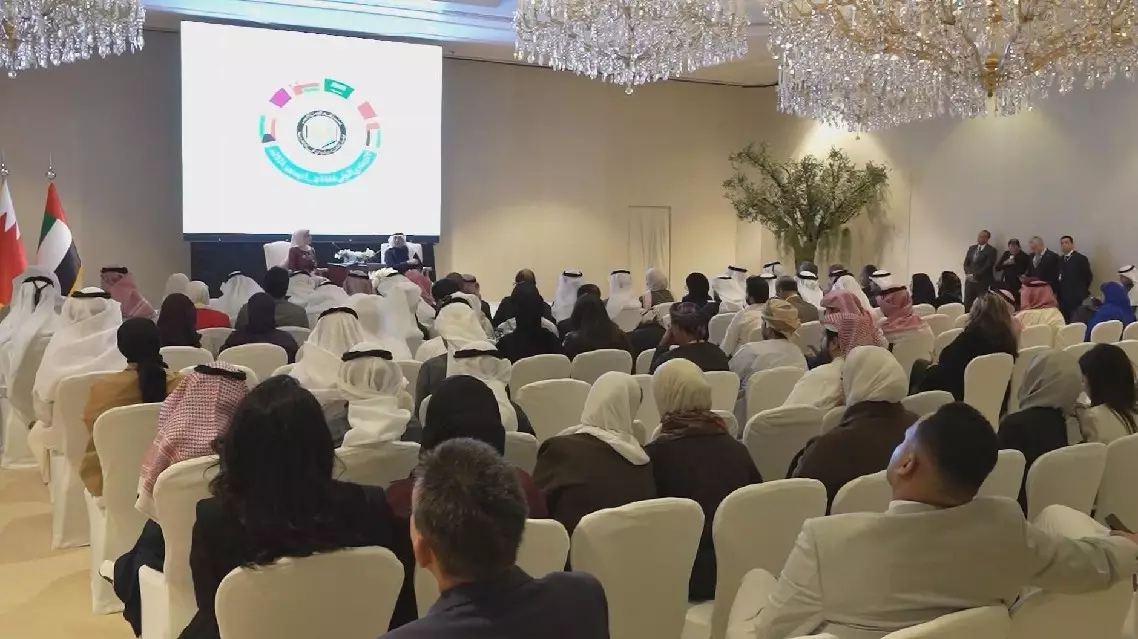
GCC chief on free trade agreement negotiations with China
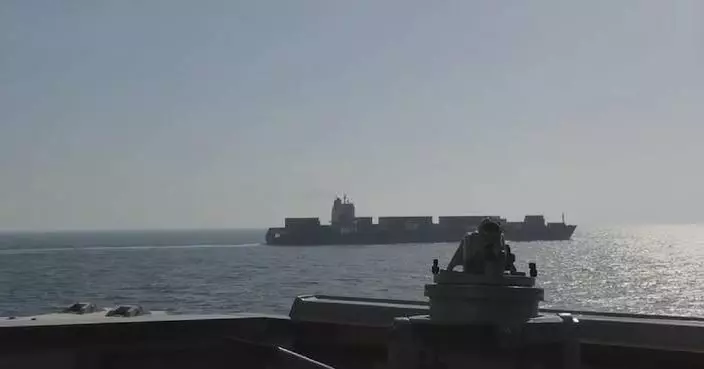
Iran has prepared a new law that will further tighten control over the Strait of Hormuz, including bans on Israeli-linked vessels, the Fars news agency reported on Sunday.
Mohammad Rezaei-Kouchi, chairman of the Iranian Parliament's Civil Engineering Committee, announced on Sunday that the draft law is nearing finalization.
According to details of the draft law, ships and cargoes connected to Israel would be completely prohibited from passing through the strait. Vessels from countries Iran considers hostile would require approval from the country's Supreme National Security Council.
Countries that have previously caused damage to Iran would be barred until they pay compensation.
The proposed rules would also require all vessels to pay transit fees exclusively in Iranian rials. Of the revenue collected, 30 percent would be allocated to strengthening Iran's armed forces, while 70 percent would be used to improve people's livelihood.
The moves come amid tensions between the United States and Iran escalated over the Strait of Hormuz.
Iran's Islamic Revolutionary Guard Corps Navy reimposed a blockade on the strait on Saturday, citing the U.S. failure to lift its naval blockade on Iranian ports in violation of a ceasefire commitment.
Bloomberg reported, based on shipping tracking data, at least 13 oil tankers turned back that day, and no vessels were observed transiting the strait on Sunday.
Iran has tightened control over the Strait of Horumuz since Feb 28, when it barred passage to vessels belonging to or affiliated with Israel and the United States after the two countries' joint strikes on Iranian territory.
The United States later imposed its own blockade on the waterway after peace negotiations with Iran in Pakistan's Islamabad collapsed.
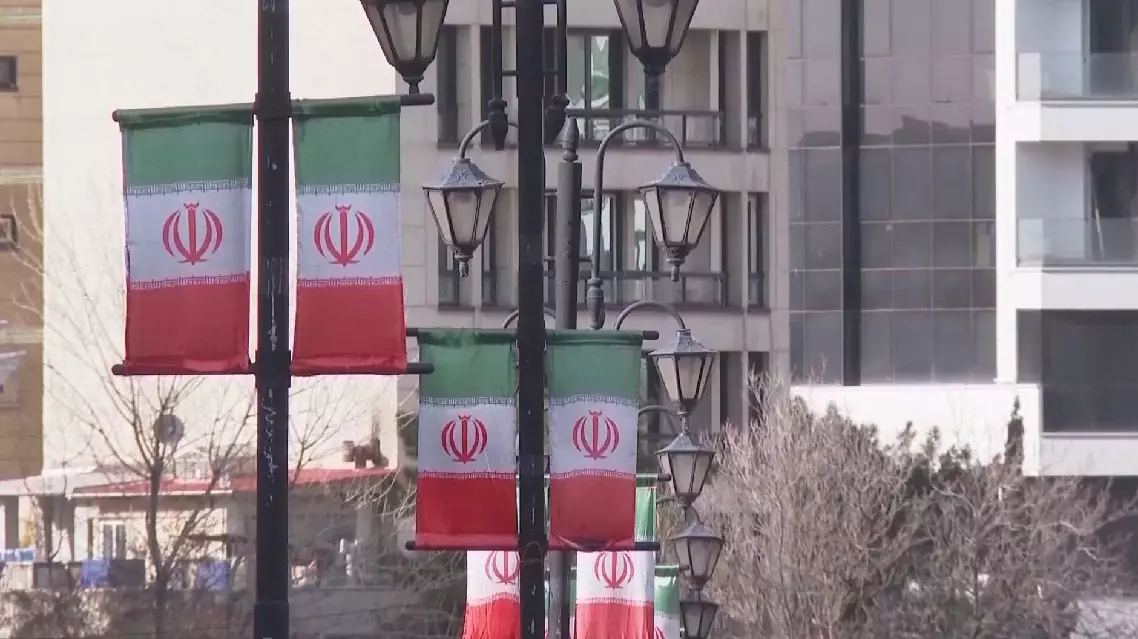
Iran nears approval of new law to tighten control over Strait of Hormuz: official