Historical materials have been donated to a Chinese memorial hall as new evidence of war crimes related to the 1937 Nanjing Massacre perpetrated by invading Japanese troops.
The items include the wartime diary of Nishijo Eikaku, a Japanese soldier who witnessed the carnage of the massacre, Japanese documents on wartime air defense facilities in Shanghai and Nanjing, and photographs and documents related to "comfort women," according to the Memorial Hall of the Victims in the Nanjing Massacre by Japanese Invaders.
The wartime diary documents the atrocities committed by the invading Japanese troops, including looting during their advance and the horrors of the Nanjing Massacre.
"The so-called requisition by the invading Japanese troops was, in fact, robbery. According to our previous research, after the fall of Nanjing, the [invading] Japanese troops carried out mass slaughter within the city, killing Chinese soldiers who had laid down their arms and civilians who they suspected of being soldiers," said Wang Weixing, former director of the Institute of History at the Jiangsu Provincial Academy of Social Sciences.
The investigation report on wartime air defense facilities in Shanghai and Nanjing by Katsura Ishii, head of the architecture section of the Tokyo Metropolitan Police Department, includes original documents from his investigation. The documents detail his observations as he passed through cities surrounding Nanjing, such as Changzhou, Jiangyin, and Jurong, where he witnessed "piles of dead bodies" along the way.
"The purpose of Katsura Ishii's trip to China was to investigate and collect information on China's air defense facilities in order to provide intelligence for Japan's expansion of aggression. He was officially dispatched by the Japanese troops for this investigation. These documents are the results of on-the-ground investigations conducted from late 1937 to early 1938," said Meng Guoxiang, a professor at Nanjing Medical University and an expert on the history of the Japanese invasion of China.
The hall also received a photo collection of 324 images depicting the Japanese forces occupying Nanjing and other locations in 1937, further confirming the historical reality of the mass slaughter of Chinese soldiers and civilians by the invaders.
Among them are photographs and historical materials related to "comfort women," including a blueprint for the renovation of a "comfort women" station in Shanghai and physical examination forms from a Japanese military field hospital for "comfort women."
Previous research estimates that around 400,000 women in Asia were forced to become "comfort women" -- sexual slaves for the Japanese army during World War II -- with nearly half of them being Chinese.
The Memorial Hall of the Victims in the Nanjing Massacre by Japanese Invaders now holds a collection of approximately 194,000 pieces (sets).
On December 13, 1937, Japanese troops captured Nanjing. Over the following six weeks, they slaughtered more than 300,000 Chinese civilians and unarmed soldiers in one of the most barbaric episodes of World War II, known as the Nanjing Massacre.
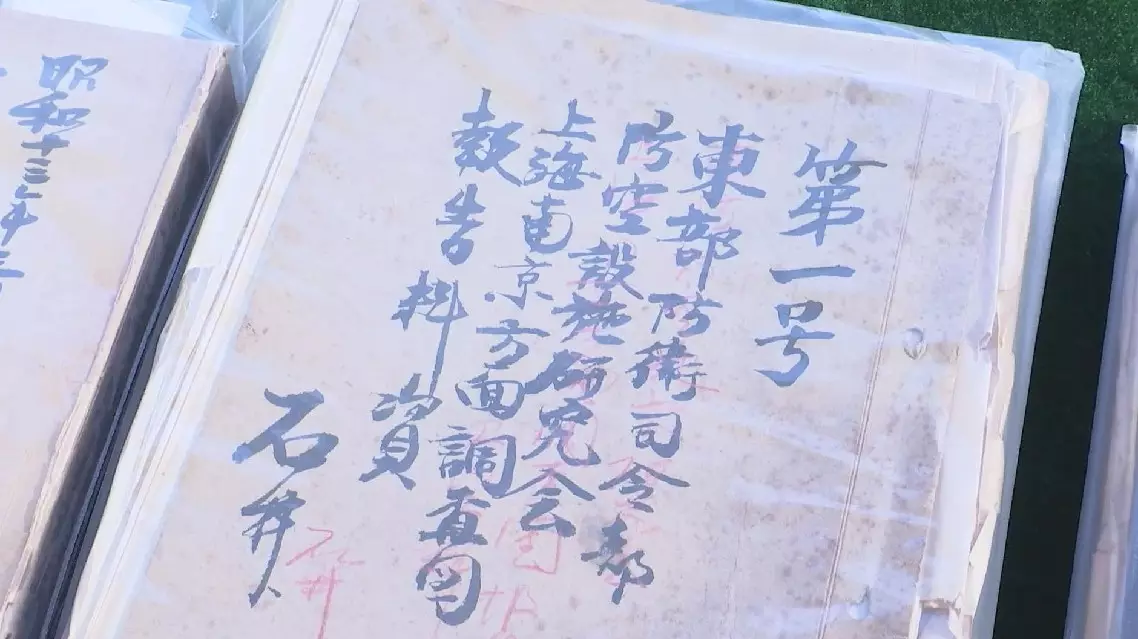
New evidence of Nanjing Massacre donated to memorial hall
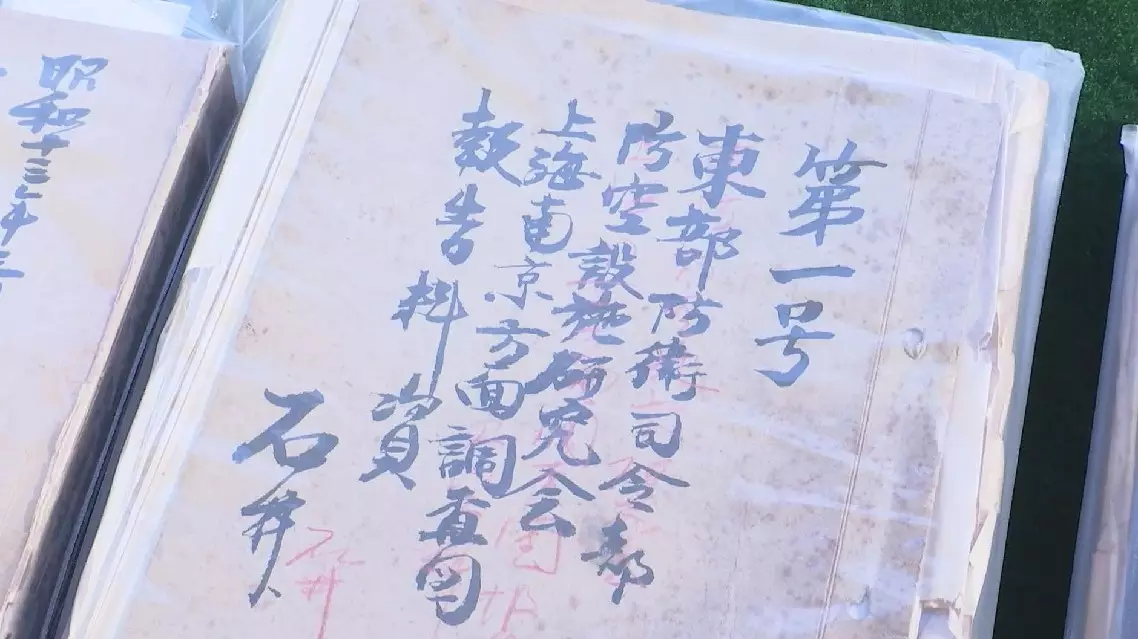
New evidence of Nanjing Massacre donated to memorial hall