Yemen is taking a significant step toward a sustainable future with the launch of Chinese electric vehicle (EV) maker BYD's first showroom and charging infrastructure in the capital city of Aden in early May.
As fuel shortages weigh heavily on Yemeni households, EVs are transitioning from a luxury to a necessity. BYD's official entry into the Yemeni market provides a practical alternative for a population already familiar with solar energy.
"We are proud to represent BYD, the world's leading EV manufacturer, here at Al-Ittihad International. We are providing tangible solutions for the transport sector through clean, alternative energy, meeting our customers' needs," said Amin Qasim Al-Houthari, chairman of Al-Ittihad International.
This expansion aligns with China's green Belt and Road Initiative, emphasizing sustainable development through Chinese innovation. For many in Aden, the shift to electric and hybrid models is a logical step. Having relied on decentralized solar power for years, the transition to EVs represents the final piece of the energy independence puzzle.
"The arrival of BYD is a major milestone for us. It offers a vital alternative for citizens burdened by the fuel crisis and skyrocketing petrol prices. These electric vehicles significantly ease the daily struggle," said Imad Al-Matari, a local resident.
While the road to a full green transition remains long, the arrival of world-leading EV technology marks a significant milestone, signaling a new chapter of resilience powered by China-Yemen cooperation.
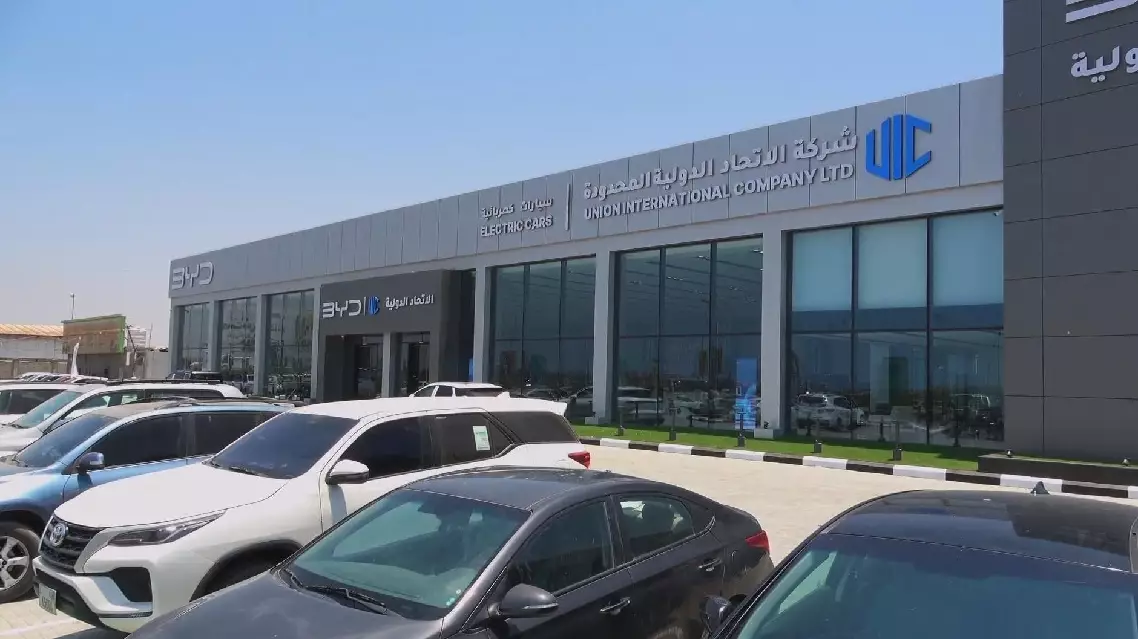
Yemen embraces sustainable future with BYD electric vehicle launch
The 2026 Global South Modernization Forum was held in Cairo on Wednesday, with participants calling for the effective use of artificial intelligence (AI).
More than 100 experts and scholars from nearly 30 countries and regions attended the forum, a joint initiative between Chinese and Egyptian institutions.
Under the theme "The Rise of Artificial Intelligence: Opportunities and Challenges for Modernization in the Global South," the forum featured seminars and roundtable discussions exploring how Global South nations can become producers and innovators in AI.
Participants said innovation in AI technology presents enormous opportunities while also posing governance challenges.
"AI is a double-edged sword. For developing countries, it is an unprecedented development opportunity, but also an unprecedented challenge. In particular, AI not only improves labor productivity and the production of all elements, but also helps to solve many problems in development and the troubles of growth," said Cai Feng, a member of the academic committee of the Chinese Academy of Social Sciences.
The theme of the forum is inspired by Chinese President Xi Jinping's calls for AI to be for all, not controlled by some.
"If the capabilities of advanced artificial intelligence are concentrated in a limited number of countries and companies, technology may turn from a tool for development to a new source of hegemony over others. In this context, I would like to express my deep gratitude to China, which offers a lot to the countries of the South, of which it is a part, through its financial, geo-economic, technical, commercial and institutional tools," said Ezzat Saad, chairman of the Egyptian Council for Foreign Affairs.
Participants commended China's efforts to expand AI cooperation by opening centers in several countries in the South and providing developing countries with 5,000 opportunities for AI training and seminars over the next five years.
"China has been very instrumental in really providing those sorts of opportunities and resources. A lot of brilliant people and scholars on the continent are unable to access certain opportunities because perhaps they don't have the finances to do so. When you have platforms such as this that can identify and train, then you have that ripple effect whereby you train one generation, and then they begin to spread that knowledge to help others," said Oyebanke Abejirin, economic affairs officer of the United Nations Economic Commission for Africa.
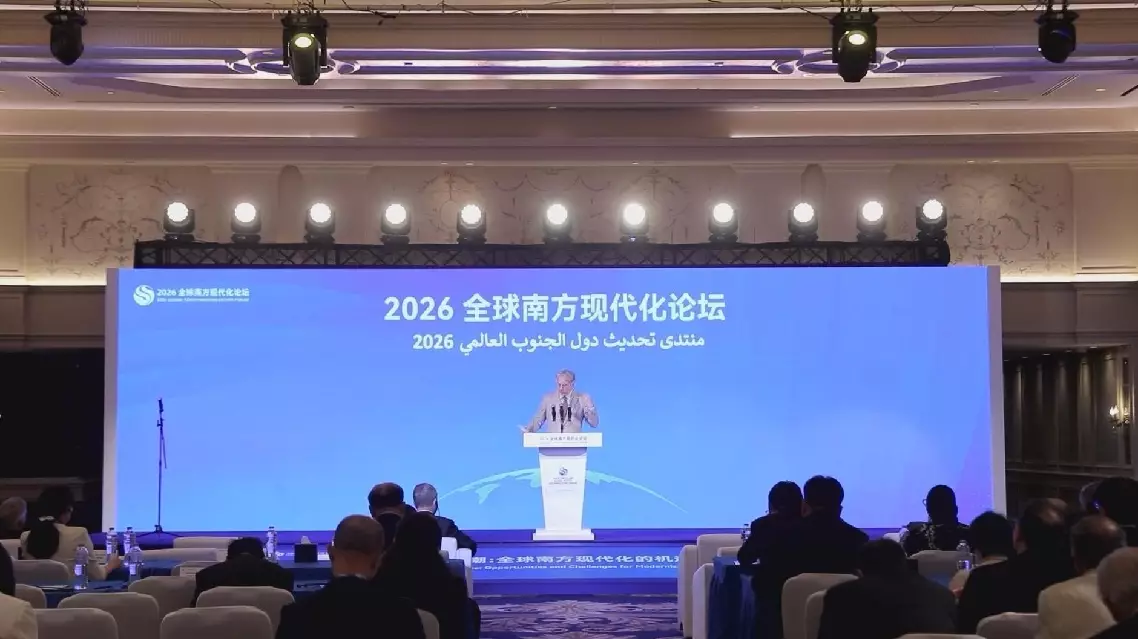
2026 Global South Modernization Forum calls for effective use of AI