China's Yiwu City saw its import and export volume reached 272.23 billion yuan (about 40.03 billion U.S. dollars) in the first four months of 2026, a year-on-year increase of 17.7 percent, according to data released by the General Administration of Customs on Saturday.
Known as "the world's supermarket," Yiwu in east China's Zhejiang Province hosts the world's largest wholesale market for small commodities.
"In the first four months, Yiwu's import and export growth rate was nearly 3 percentage points higher than the national average, with its market procurement scale accounting for some 70 percent of the national total. Leveraging the advantages of China's industrial system and new business models such as market procurement, Yiwu continues to write new chapters of 'small commodities, big market,' which serves as a vivid reflection of the 'Yiwu Development Experience' in the field of foreign trade," said Lyu Daliang, director of the statistics and analysis department of the General Administration of Customs.
China's foreign trade grew by 14.9 percent on a yearly basis to reach 16.23 trillion yuan in the first four months of 2026.
The country's exports rose 11.3 percent year on year to 9.33 trillion yuan, while its imports jumped 20 percent on a yearly basis to 6.9 trillion yuan.
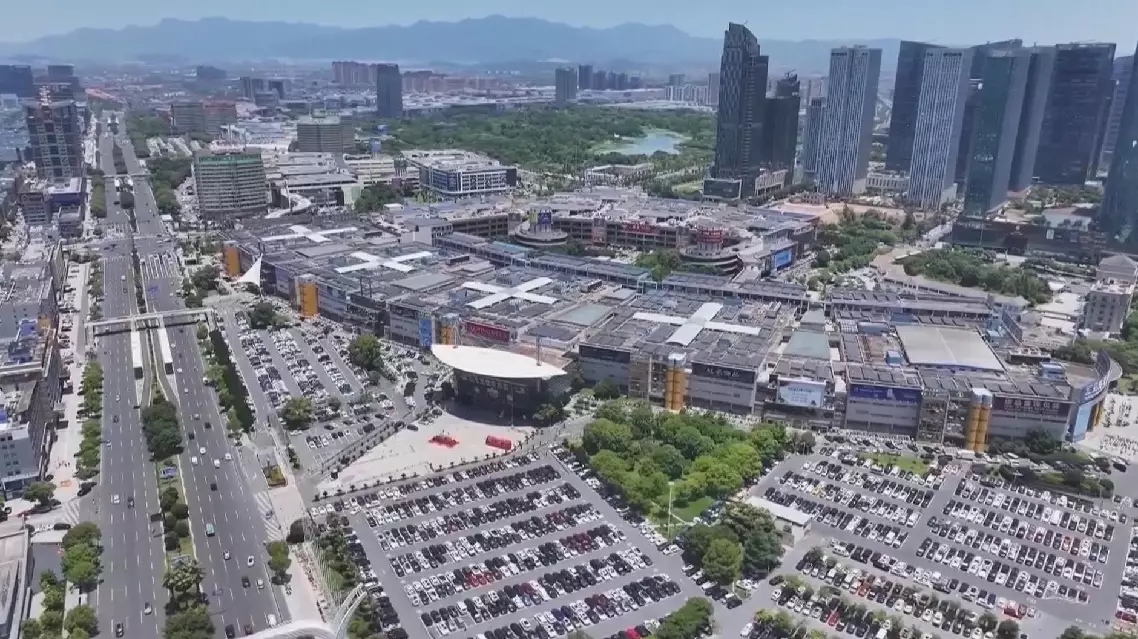
Yiwu reports robust foreign trade growth in Jan-April
Yiwu reports robust foreign trade growth in Jan-April
Yiwu reports robust foreign trade growth in Jan-April
The oil price shock triggered by the war in the Middle East could reduce euro-area GDP growth by around 0.4 percentage points over the first year following the shock, according to a European Central Bank (ECB) study released on Wednesday.
Since the outbreak of the war in late February, disruptions to oil flows through the Strait of Hormuz and reduced oil supply from the Middle East have pushed crude prices sharply higher, said the study.
It added that the increase in oil prices triggered by the current shock has so far been larger than that observed after the Russia-Ukraine conflict in 2022, although it remains smaller than the rise seen during the Gulf War in the early 1990s.
The ECB said higher oil prices are likely to weigh on the euro-area economy through rising production costs, lower household purchasing power, weaker global demand and heightened uncertainty.
Based on historical evidence, the ECB estimated that a geopolitical oil supply shock that raises real oil prices by 10 percent could reduce euro-area GDP growth by around 0.2 to 0.3 percentage points in each of the three years following the shock.
The study found that the impact on investment is likely to be more pronounced than that on private consumption. According to the ECB, heightened geopolitical uncertainty may prompt firms to delay expansion plans, equipment purchases and hiring decisions, dampening investment activity and amplifying the impact on economic growth.
The ECB noted that the euro area's dependence on oil has declined over time, but the response of investment to geopolitical oil supply shocks appears to have remained broadly stable.
The study cautioned that the overall impact of the current shock remains highly uncertain and will depend on the magnitude and persistence of the oil price increase. A prolonged period of elevated oil prices, broader supply-chain disruptions or spillovers into gas markets could further intensify downward pressure on euro-area growth.
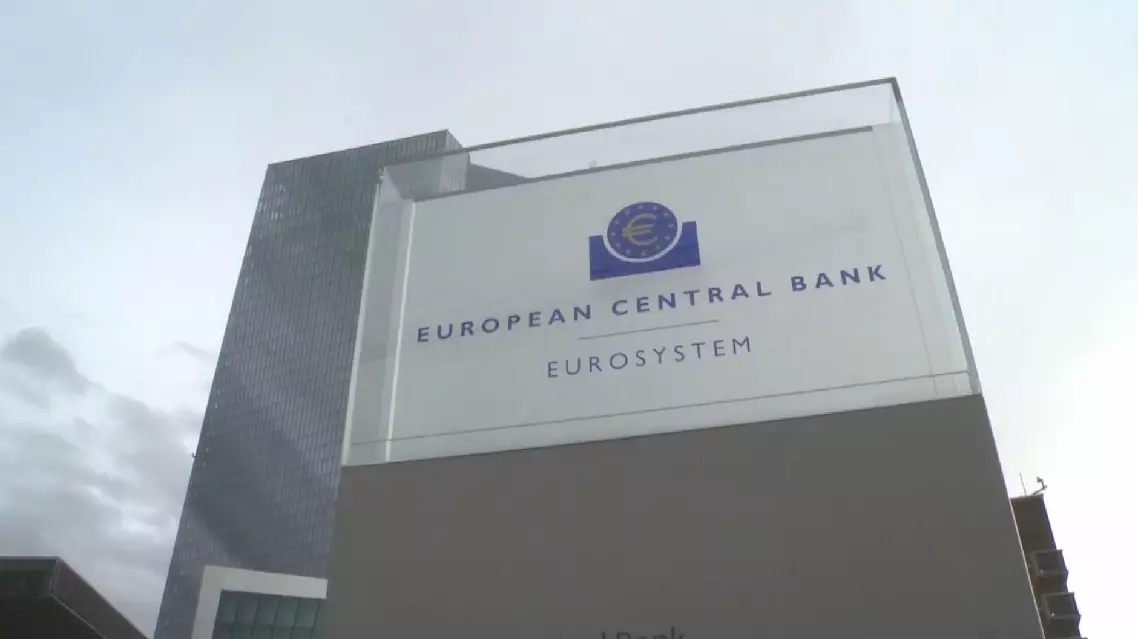
Middle East oil shock could cut euro-area growth by 0.4 percentage points in first year: ECB