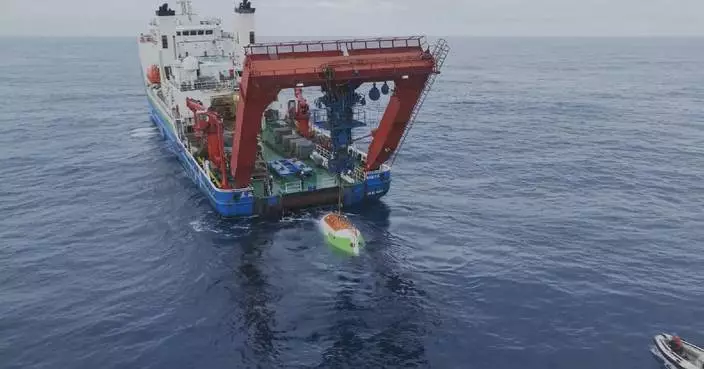
The World Health Organization (WHO) said on Saturday that all people aboard the cruise ship affected by a hantavirus outbreak should be considered "high-risk" contacts and actively monitored for 42 days.
"We classify everybody on board as what we call a high-risk contact," Maria Van Kerkhove, WHO's director of epidemic and pandemic preparedness and prevention, told a media briefing. She noted that currently "nobody on board has any symptoms," but recommended "active monitoring and follow-up of all the passengers and crew who disembark for a 42-day period."
However, she stressed that the risk to the public and people in the Canary Islands, where the MV Hondius is expected to dock on Sunday, remains "low."
According to a WHO Disease Outbreak News update on Saturday, severe respiratory illness was first reported on the cruise ship on May 2. At the time, there were 147 passengers and crew members aboard, while 34 others had already disembarked. All WHO's contact points in concerned countries have been informed and are supporting international contact tracing.
As of May 8, eight symptomatic cases had been reported, including three deaths. Six cases are laboratory-confirmed as Andes virus (ANDV) hantavirus infections.
The WHO urged the countries involved to continue public health coordination, including contact tracing, case management, infection prevention and transparent communication.
Early symptoms of hantavirus infection include headache, dizziness, chills, fever, myalgia, and gastrointestinal problems, such as nausea, vomiting, diarrhoea, and abdominal pain, according to the WHO.
Given that pre-symptomatic transmission in past ADNV outbreaks cannot be entirely ruled out, WHO also recommends self-monitoring, medical evaluation and mask-wearing for low-risk contacts if symptoms occur.
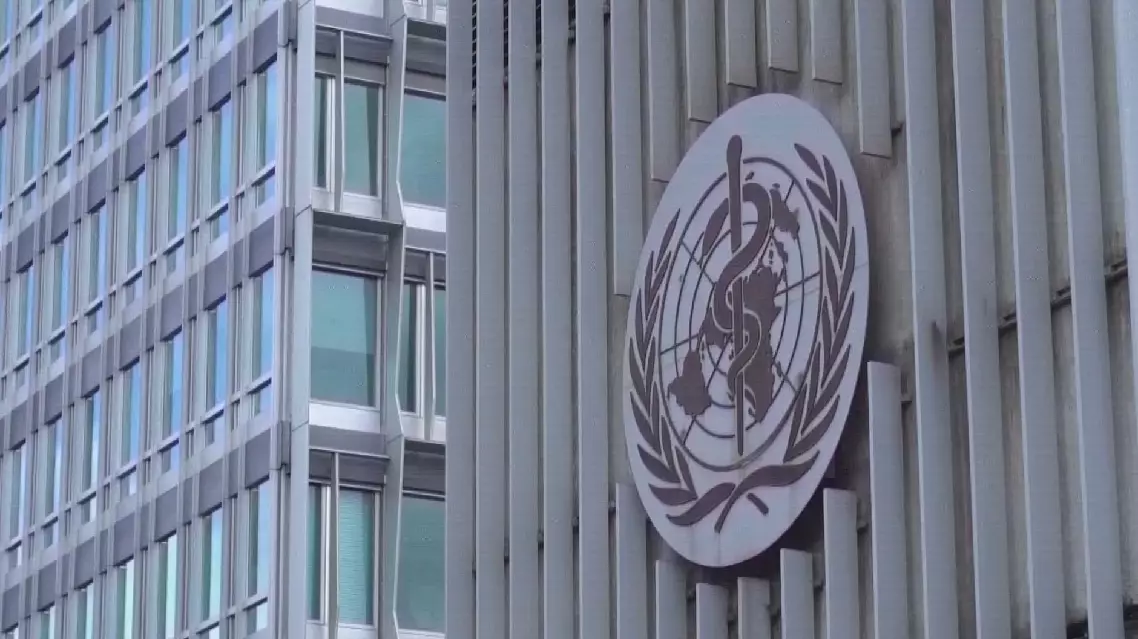
Everyone aboard hantavirus-hit ship "high-risk" contacts: WHO