KABUL, Afghanistan (AP) — In a town that has been through it all and is clawing its way back, a man named Omidullah is looking to hit paydirt.
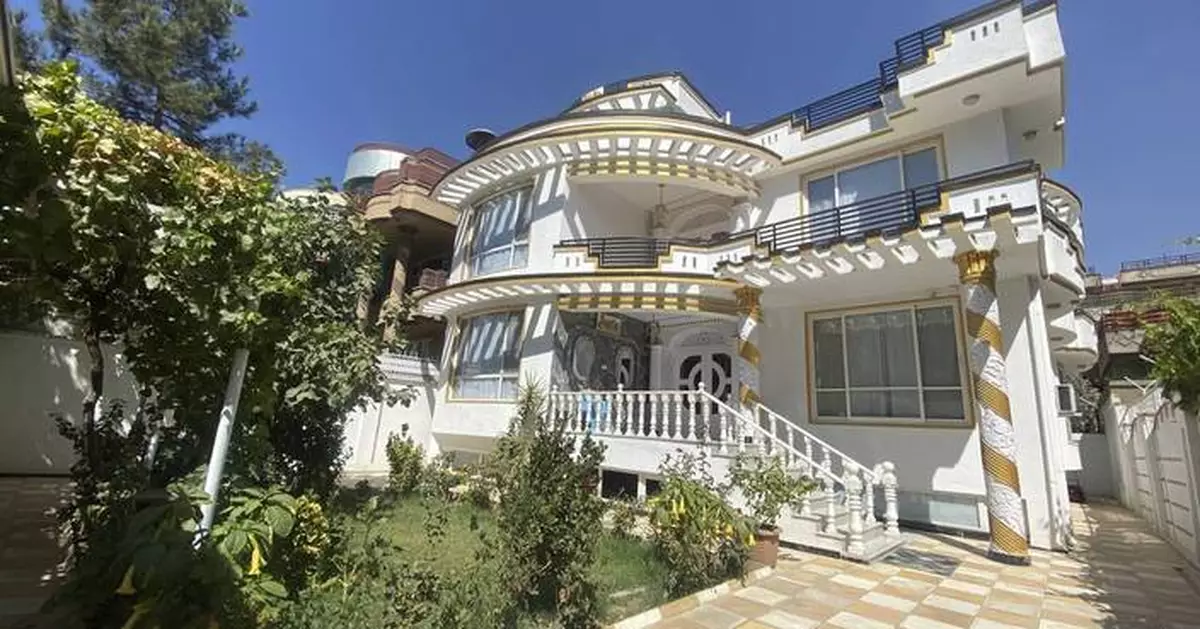
The Kabul real estate agent is selling a nine-bedroom, nine-bath, white-and-gold villa in the Afghan capital. On the roof's gable, glittering Arabic script tempts buyers and brokers with the word “mashallah” — "God has willed it.”
Click to Gallery
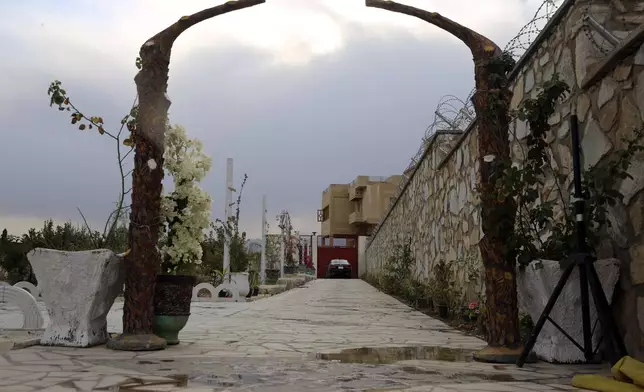
A general view of a luxury house is seen in the city of Kabul, Afghanistan, Sept. 29, 2024. (AP Photo/Siddiqullah Alizai)
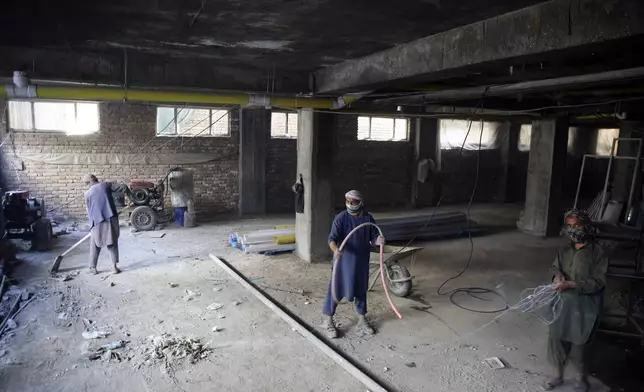
Laborers work to build a luxury market in the city of Kabul, Afghanistan, Sept. 23, 2024. (AP Photo/Siddiqullah Alizai)
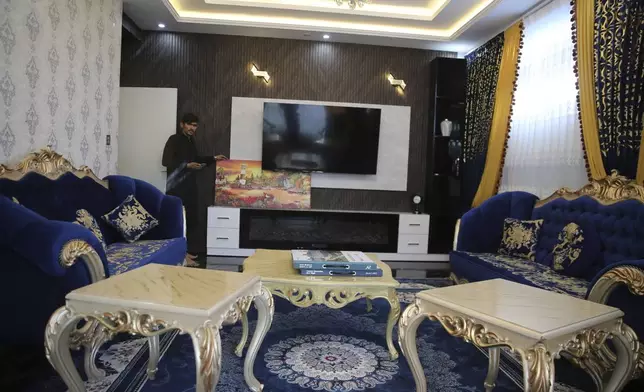
A man walks inside a luxury house in the city of Kabul, Afghanistan, Sept. 23, 2024. (AP Photo/Siddiqullah Alizai)
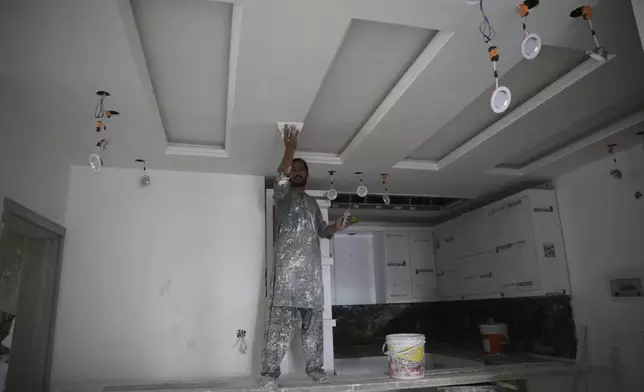
A man works inside a luxury house in the city of Kabul, Afghanistan, Sept. 23, 2024. (AP Photo/Siddiqullah Alizai)
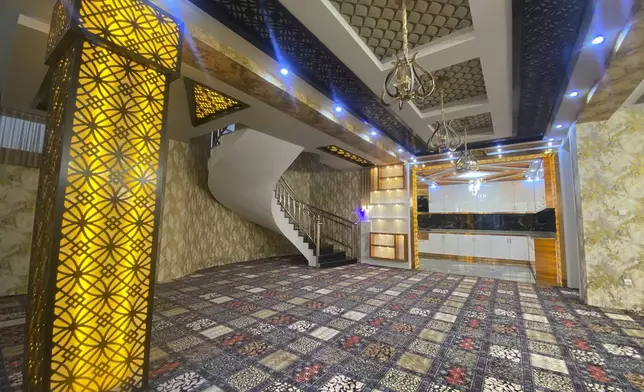
The main hall of a luxury house is seen in the city of Kabul, Afghanistan, Sept. 23, 2024. (AP Photo/Siddiqullah Alizai)
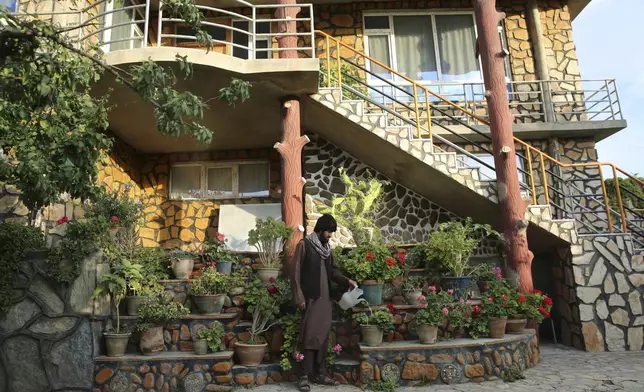
A man waters flowers outside a luxury house in the city of Kabul, Afghanistan, Sept. 29, 2024. (AP Photo/Siddiqullah Alizai)
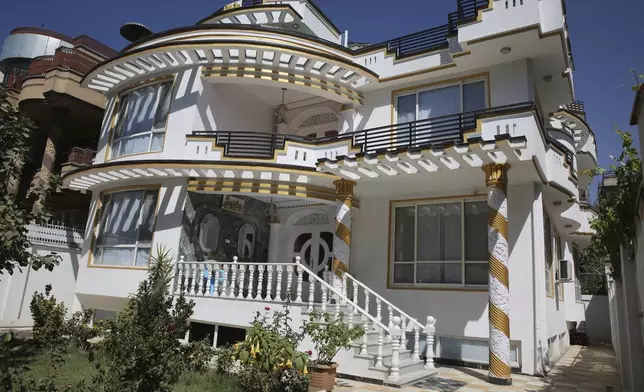
A general view of a luxury house is seen in the city of Kabul, Afghanistan, Sept. 22, 2024. (AP Photo/Siddiqullah Alizai)
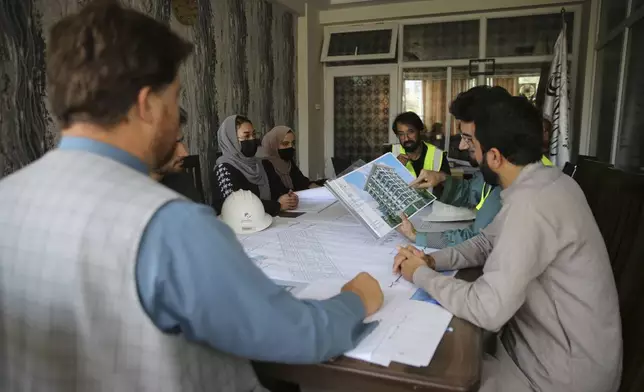
Engineers talk about the design of a luxury house at their office in the city of Kabul, Afghanistan, Sept. 23, 2024. (AP Photo/Siddiqullah Alizai)
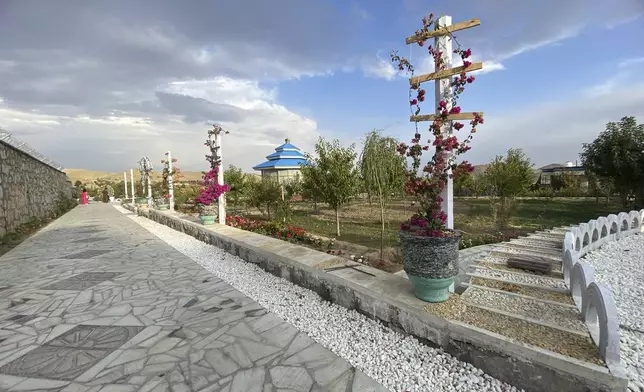
A general view of a luxury house is seen in the city of Kabul, Afghanistan, Sept. 29, 2024. (AP Photo/Siddiqullah Alizai)
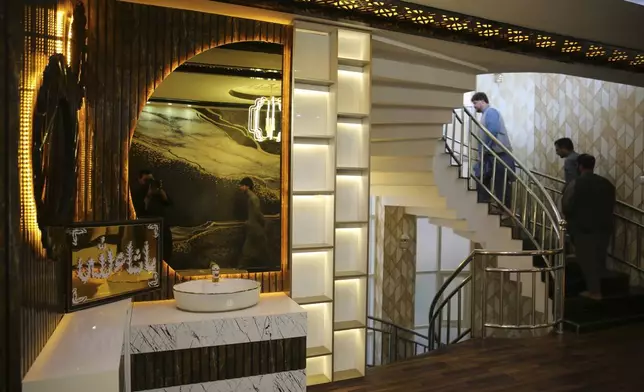
Men walk through a luxury house in the city of Kabul, Afghanistan, Sept. 23, 2024. (AP Photo/Siddiqullah Alizai)
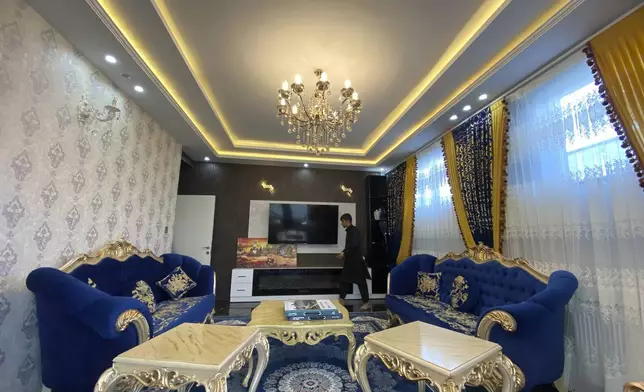
A man walks through a luxury house in the city of Kabul, Afghanistan, Sept. 23, 2024. (AP Photo/Siddiqullah Alizai)
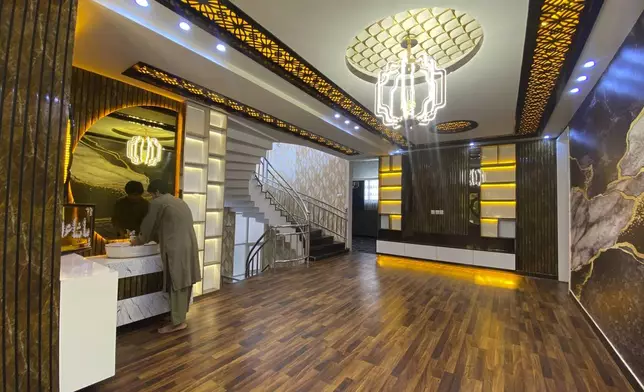
A man washes his hands inside a luxury house in the city of Kabul, Afghanistan, Sept. 23, 2024. (AP Photo/Siddiqullah Alizai)
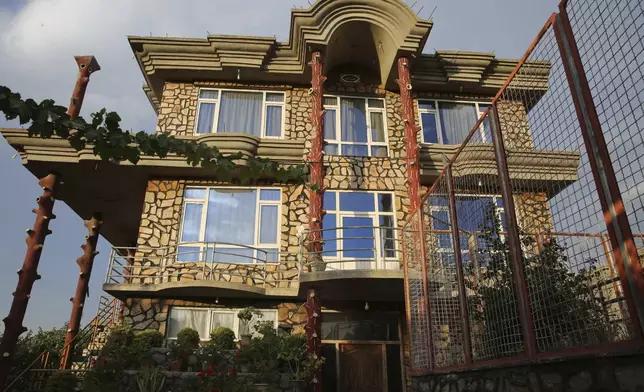
A general view of a luxury house is seen in the city of Kabul, Afghanistan, Sept. 29, 2024. (AP Photo/Siddiqullah Alizai)
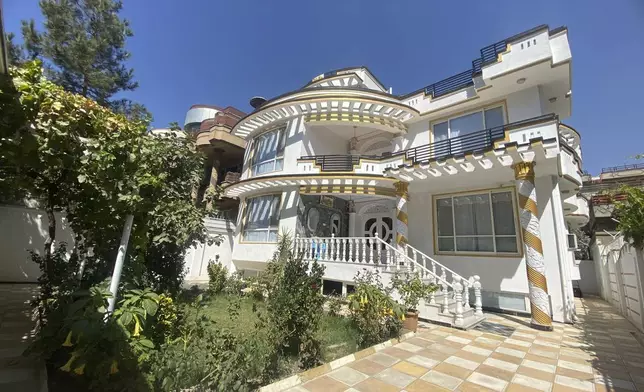
A general view of a luxury house is seen in the city of Kabul, Afghanistan, Sept. 23, 2024. (AP Photo/Siddiqullah Alizai)
The villa is listed at $450,000, a startling number in a country where more than half of the population relies on humanitarian aid to survive, most Afghans don’t have bank accounts, and mortgages are rare. Yet the offers are coming in.
“It’s a myth that Afghans don’t have money,” Omidullah said. “We have very big businessmen who have big businesses abroad. There are houses here worth millions of dollars.”
In Kabul, a curious thing is happening to fuel the high-end real estate market. Peace, it seems, is driving up property prices.
People who spent years living and working abroad are returning home, keen to take advantage of the country’s much-improved security and stability after decades of war, destruction and infrastructure decay. They include Afghans escaping deportation campaigns in Iran and Pakistan who are taking their cash with them.
Mortgages are rare because banks don’t have the deposits to facilitate lending. Afghans buy in cash or use the “geerawi option” — when someone provides a fixed sum to a landlord in return for living on his property and staying there until the landlord returns the money.
People were afraid to invest in Kabul before the Taliban takeover, according to another real estate agent, Ghulam Mohammed Haqdoost. But the country’s rulers have created better conditions for the property market in more ways than one.
The city is less violent since the Taliban transitioned from insurgency to authority and foreign forces withdrew, although armored vehicles, checkpoints and militarized compounds remain common sights.
The Taliban, sticklers for an intricate bureaucracy, have pledged to stamp out corruption and regulate legal and commercial matters. That means no more dealing with warlords or bribing local officials for land purchases or construction projects.
Haqdoost is happy with how easily and quickly things are getting done under the new administration.
“House prices have risen by almost 40%,” he said. “In the last three years, we have sold almost 400 properties. It wasn’t like that before.”
Business is good for Haqdoost, who employs 200 people in administration, including women who deal exclusively with female customers, and then some 1,000 in the construction arm of his company.
He said most customers bring their wives along to viewings. That's because it’s women who call the shots when it comes to real estate purchases — even in a nation that critics say oppresses and disempowers women. “The power and authority of the house is in the hands of the women," Haqdoost said. "They decide whether to buy the house or not.”
Omidullah and Haqdoost said their clients want a garden, gym, sauna, swimming pool, guest quarters and at least one kitchen. Hospitality is a major part of Afghan culture and this tradition is built into housing. Afghans typically accommodate and host visiting friends or family in their homes, rather than in hotels or restaurants.
Haqdoost’s client base is mostly overseas, and their international tastes are influencing interiors. They want novelties like dining tables and beds. In Afghanistan, it’s the norm for people to sleep and eat on the floor. It’s also the diaspora seeking out purpose-built apartment blocks offering amenities like central heating, double-pane windows and elevators.
To make the city more attractive and livable, the municipal authority is busy building and repairing roads, installing streetlights, planting trees and removing trash. It’s also developing plans to promote affordable housing and encourage home ownership.
It needs to. Kabul’s population was around 500,000 at the start of the millennium. Now it is more than 5 million. Some neighborhoods remain congested and noisy as a result, despite the municipality’s best beautification efforts.
Those who can afford it head just outside the city. There, on the edge of Qargha Reservoir, sit some of Kabul’s most elaborate and expensive homes.
One resembles an ornate mosque. Another evokes a Bond villain’s lair with its stark design and protrusion from the hills. Locals say it belongs to a wealthy Turkish magnate who comes and goes. They don’t give his name.
This cluster of landscaped gardens and decorative terraces looks out onto the lake, one of the capital’s best-loved beauty spots. Since the Taliban came to power, it’s mostly a men-only area. Women stop for breaks with their families, but they tend not to linger because Vice and Virtue Ministry officials staff one of the checkpoints that encircle the body of water.
Arash Asad is trying to sell his uncle’s property, which sits on around 4,000 square meters (43,000 square feet) of land. It has unobstructed views across the reservoir and to the Paghman Mountains at the foot of the Hindu Kush Himalaya. The asking price: $800,000.
There are outbuildings to one side and a living area in the center of the plot topped off with a bright blue roof. The property is mostly rows of flowers and cherry trees. There are some cranes. The birds are included.
“Gardens are very important to Afghans," Asad said. "Many of them come from villages. When they move to cities, they want to have that reminder of their past because it stays with them.” Inside the glass-walled living area sits his uncle, gazing out at the water.
Asad's family would prefer to have the property turned into a business rather than sell it. But the real estate broker fields numerous calls and messages during the 30-minute drive from central Kabul. Pictures of the property on social media have sparked a lot of interest.
“People think this country has no jobs and no economy,” Asad said. Outside the car, the sun dips over the reservoir and cars full of men head to the lakeside. “But Afghans have made their money, illegally or legally, over the years. You wouldn’t believe it.”
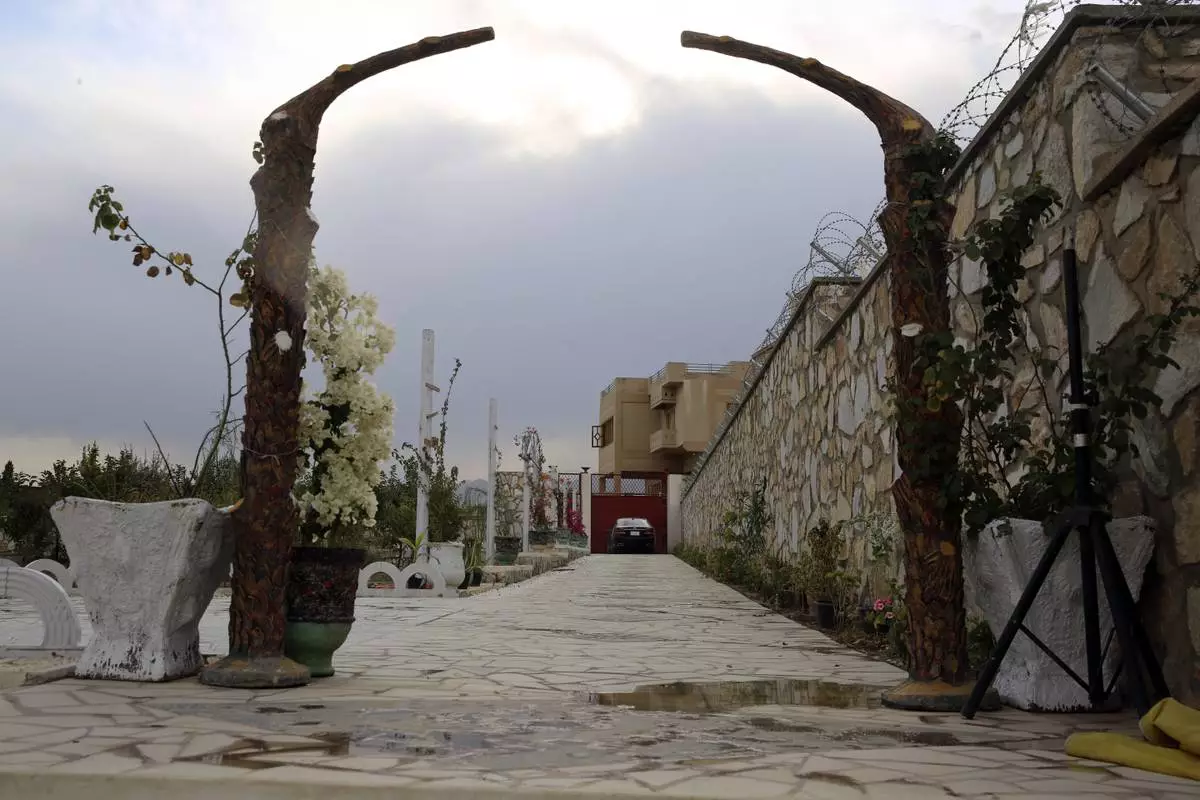
A general view of a luxury house is seen in the city of Kabul, Afghanistan, Sept. 29, 2024. (AP Photo/Siddiqullah Alizai)
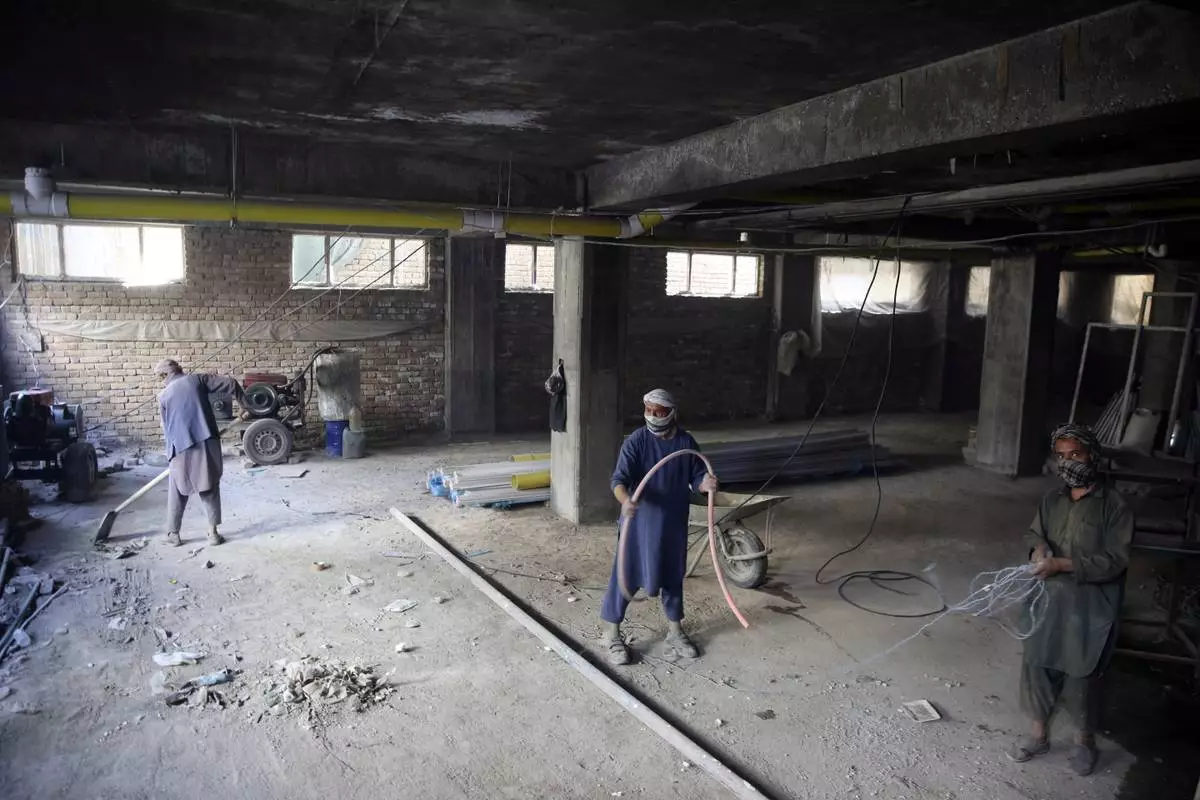
Laborers work to build a luxury market in the city of Kabul, Afghanistan, Sept. 23, 2024. (AP Photo/Siddiqullah Alizai)
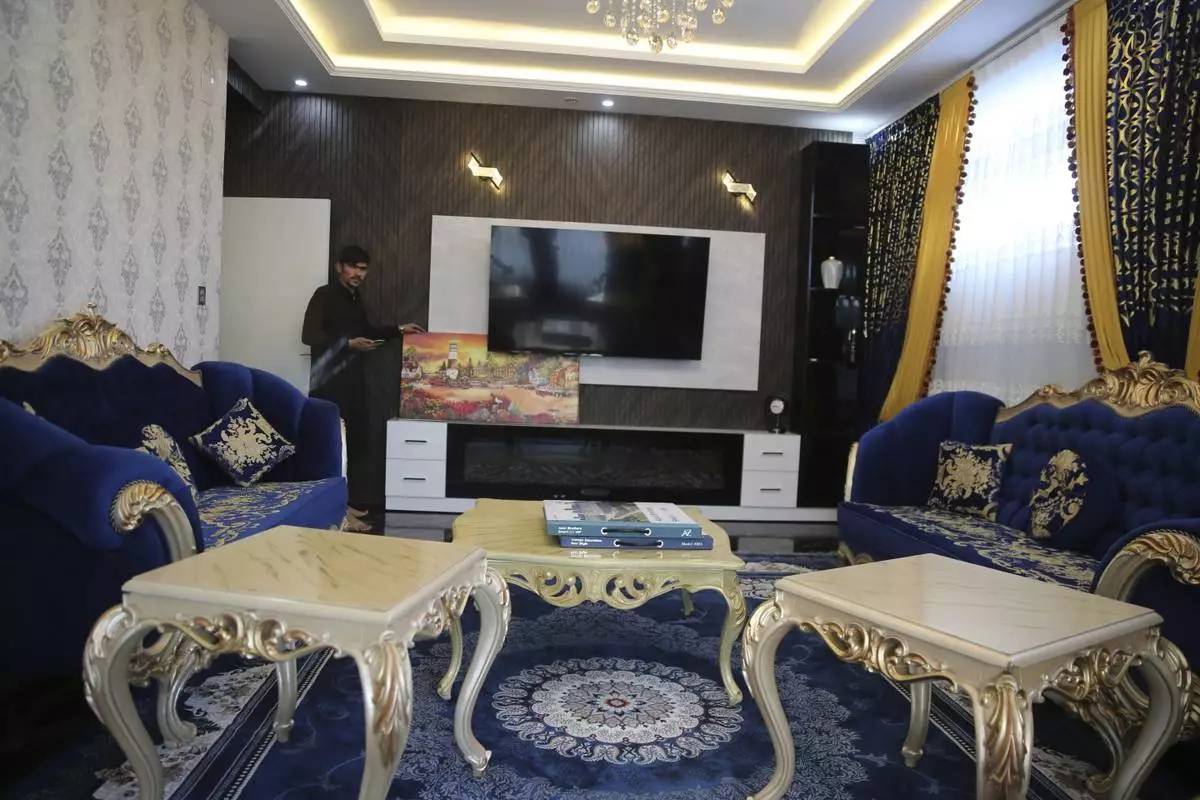
A man walks inside a luxury house in the city of Kabul, Afghanistan, Sept. 23, 2024. (AP Photo/Siddiqullah Alizai)
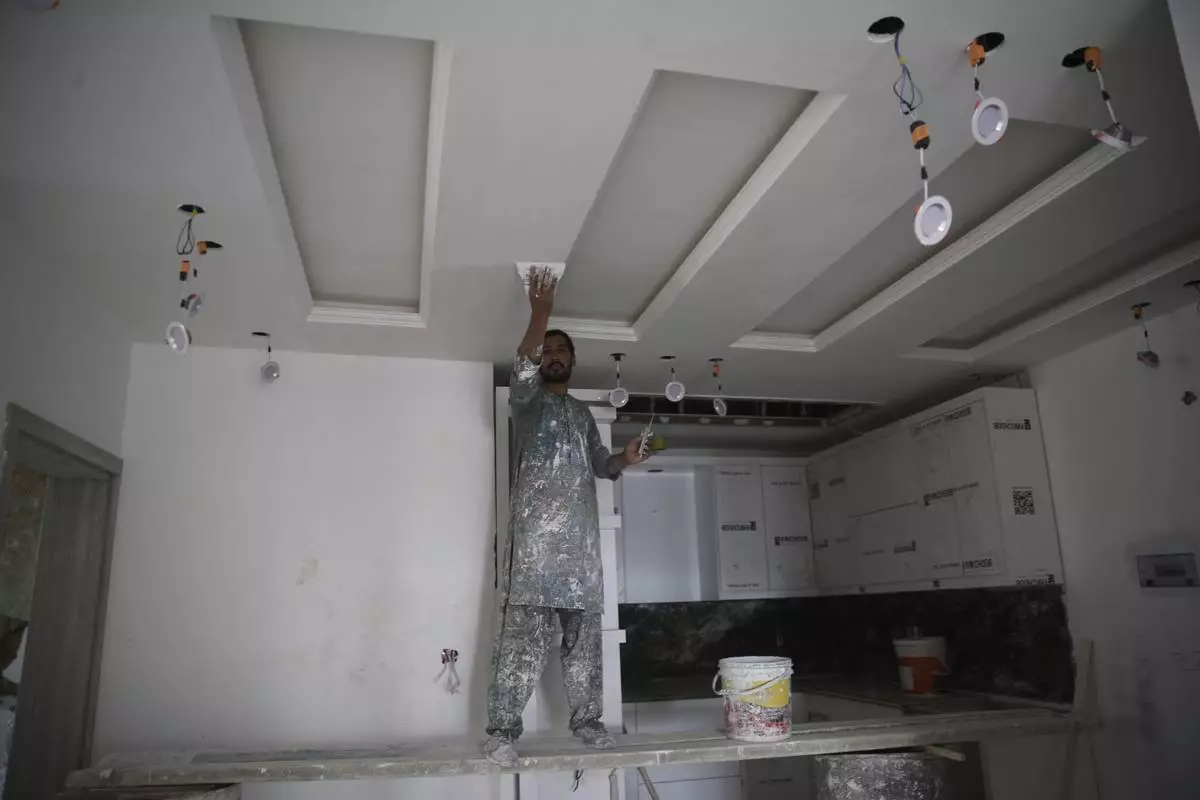
A man works inside a luxury house in the city of Kabul, Afghanistan, Sept. 23, 2024. (AP Photo/Siddiqullah Alizai)
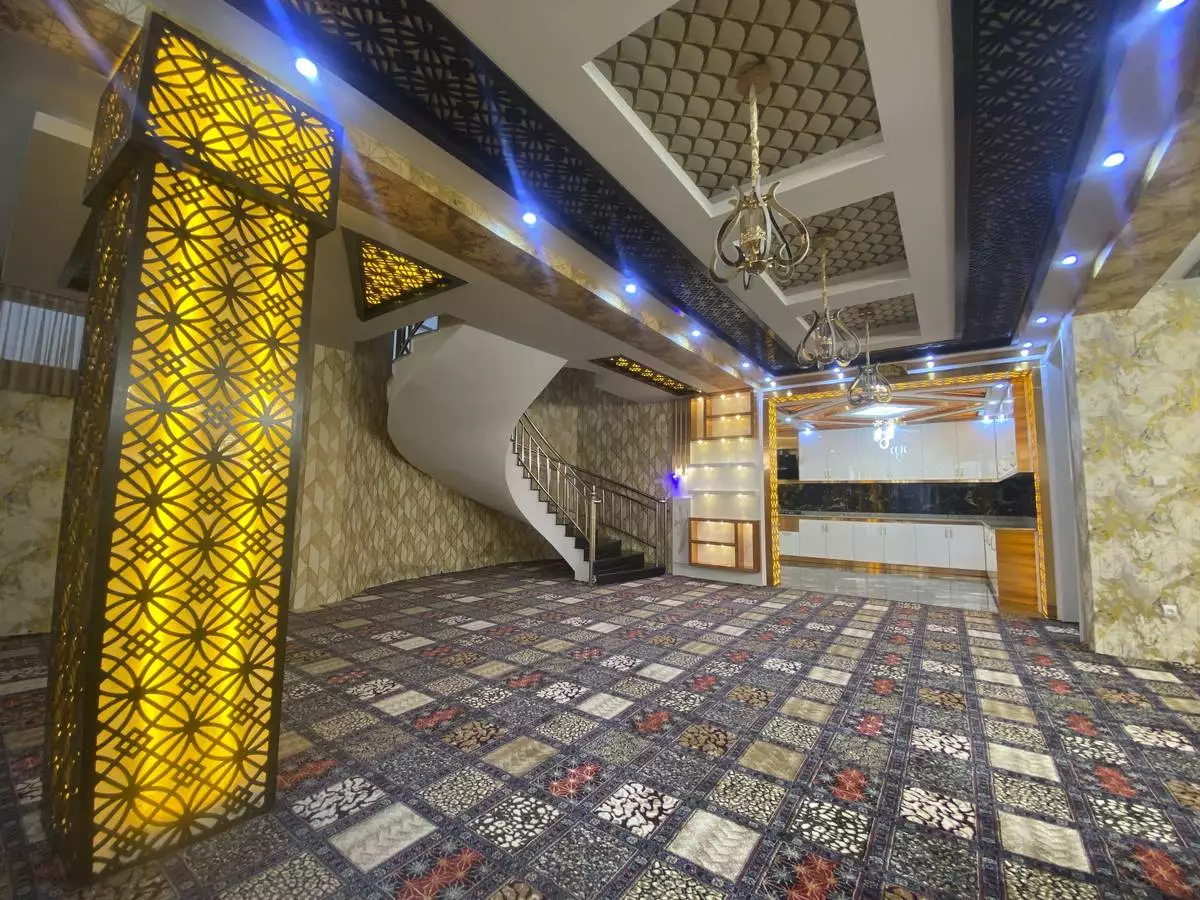
The main hall of a luxury house is seen in the city of Kabul, Afghanistan, Sept. 23, 2024. (AP Photo/Siddiqullah Alizai)
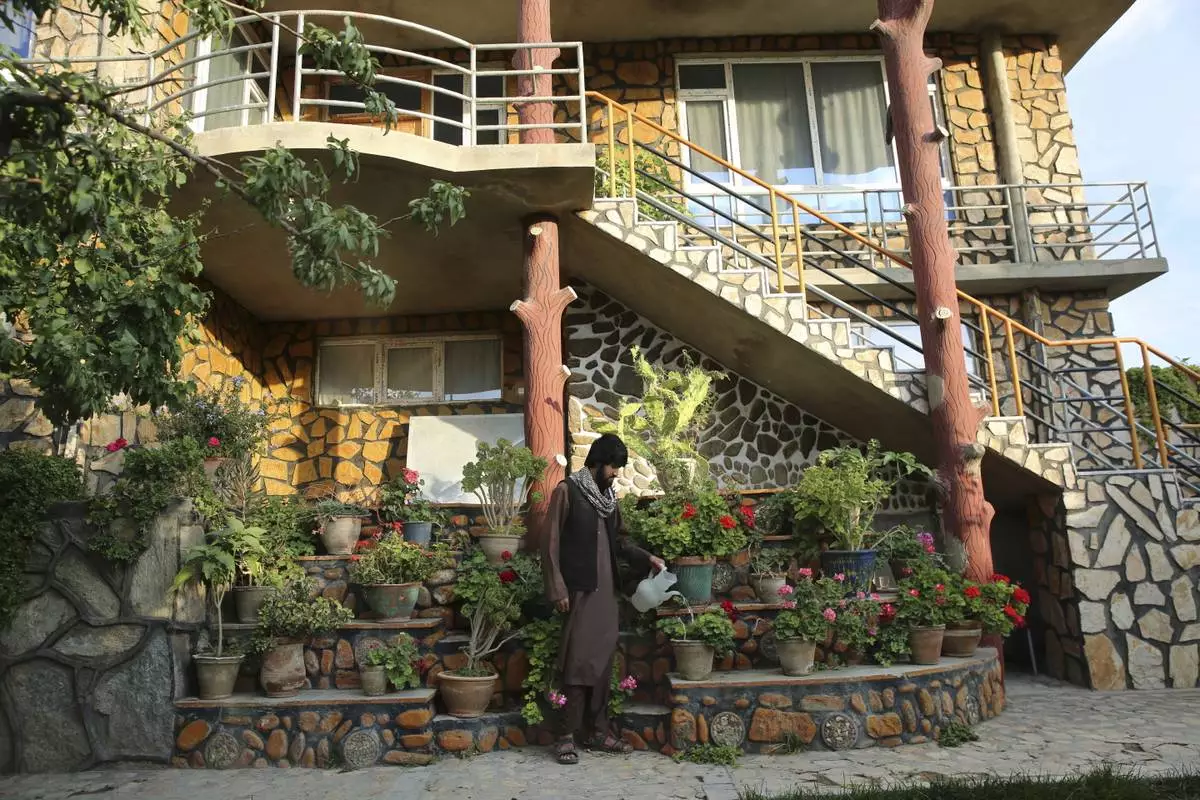
A man waters flowers outside a luxury house in the city of Kabul, Afghanistan, Sept. 29, 2024. (AP Photo/Siddiqullah Alizai)
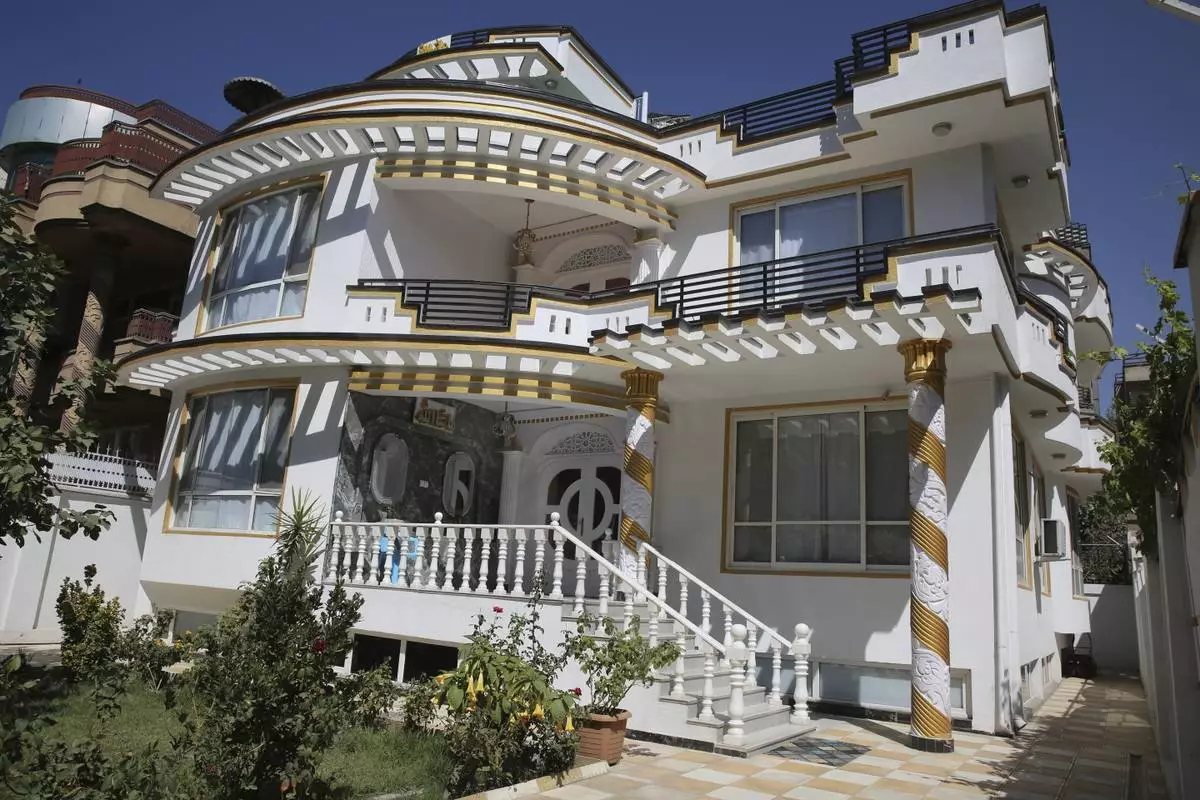
A general view of a luxury house is seen in the city of Kabul, Afghanistan, Sept. 22, 2024. (AP Photo/Siddiqullah Alizai)
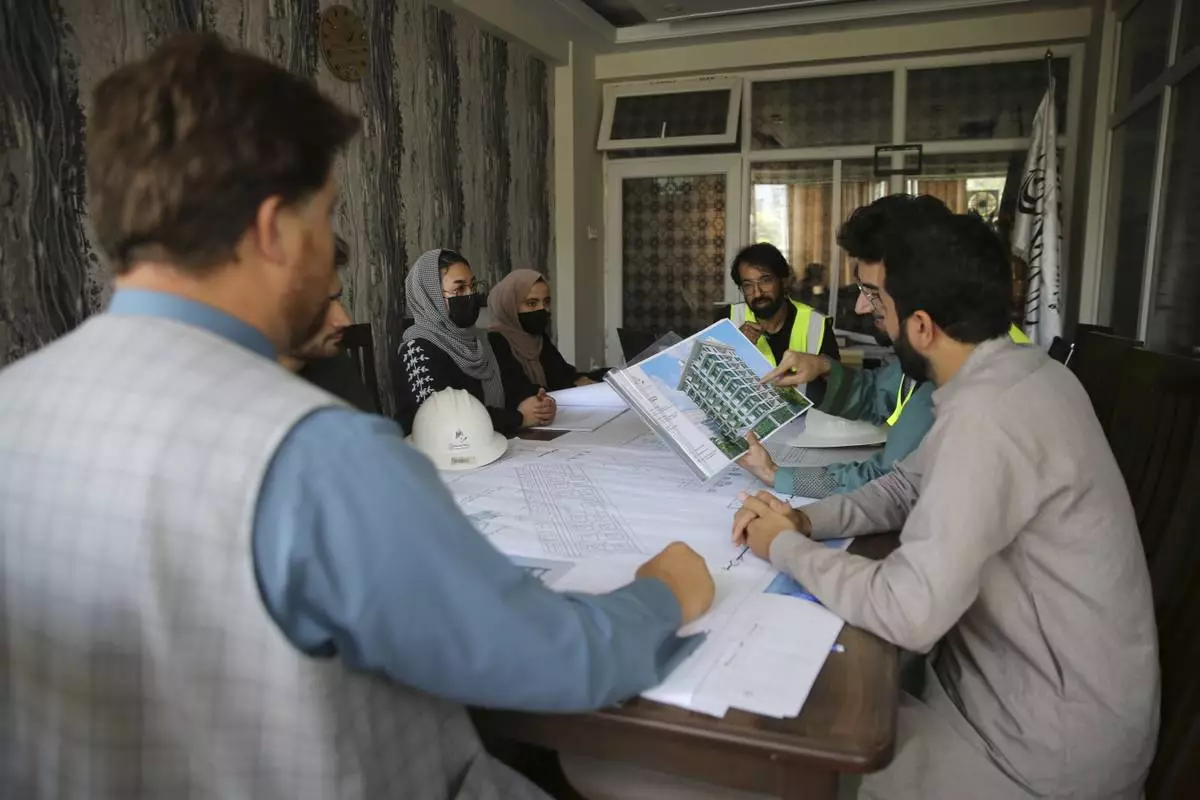
Engineers talk about the design of a luxury house at their office in the city of Kabul, Afghanistan, Sept. 23, 2024. (AP Photo/Siddiqullah Alizai)
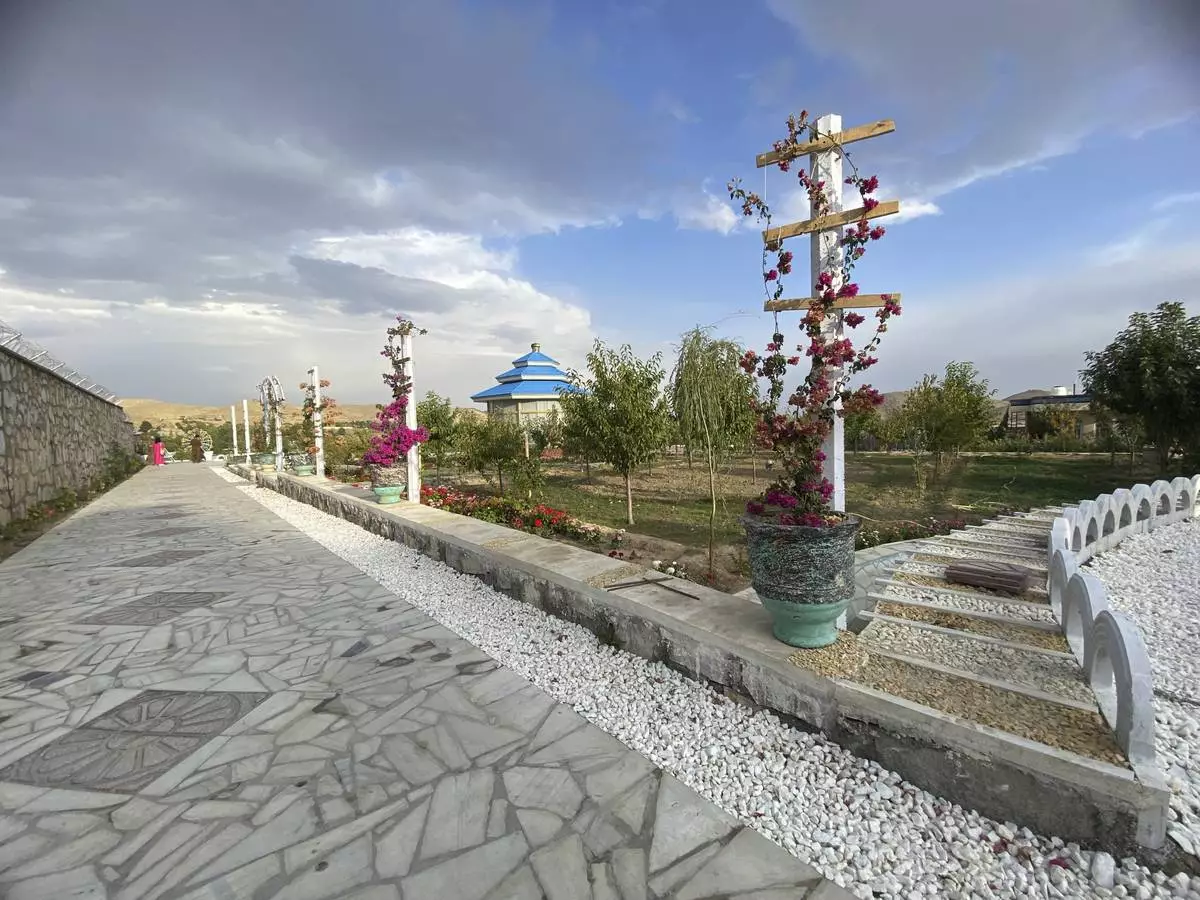
A general view of a luxury house is seen in the city of Kabul, Afghanistan, Sept. 29, 2024. (AP Photo/Siddiqullah Alizai)
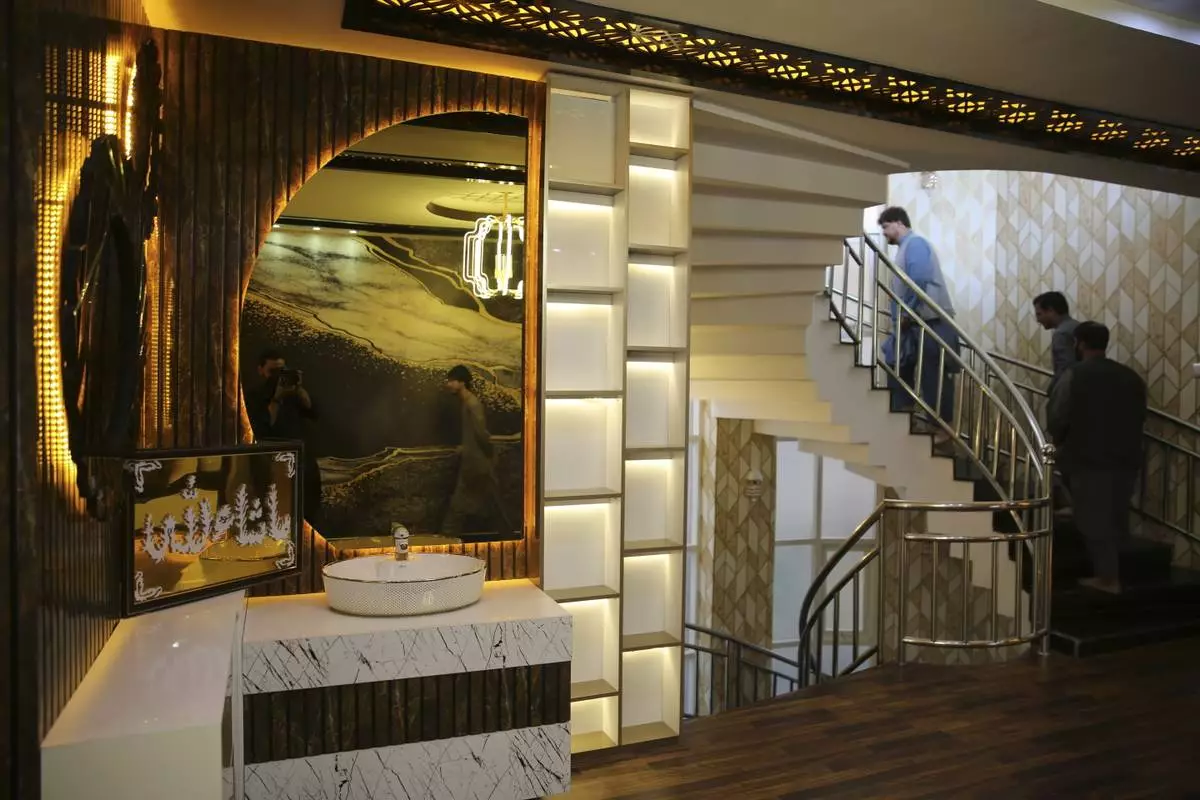
Men walk through a luxury house in the city of Kabul, Afghanistan, Sept. 23, 2024. (AP Photo/Siddiqullah Alizai)
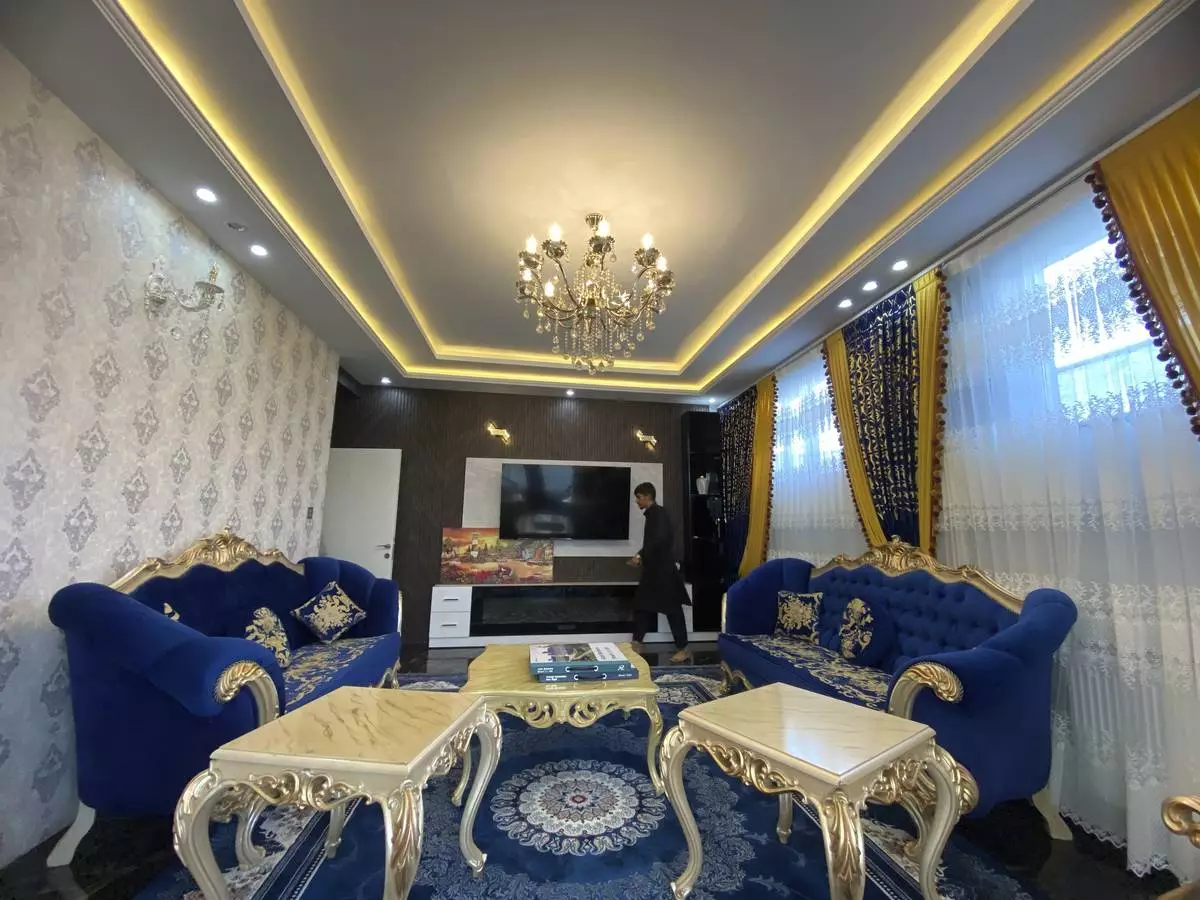
A man walks through a luxury house in the city of Kabul, Afghanistan, Sept. 23, 2024. (AP Photo/Siddiqullah Alizai)
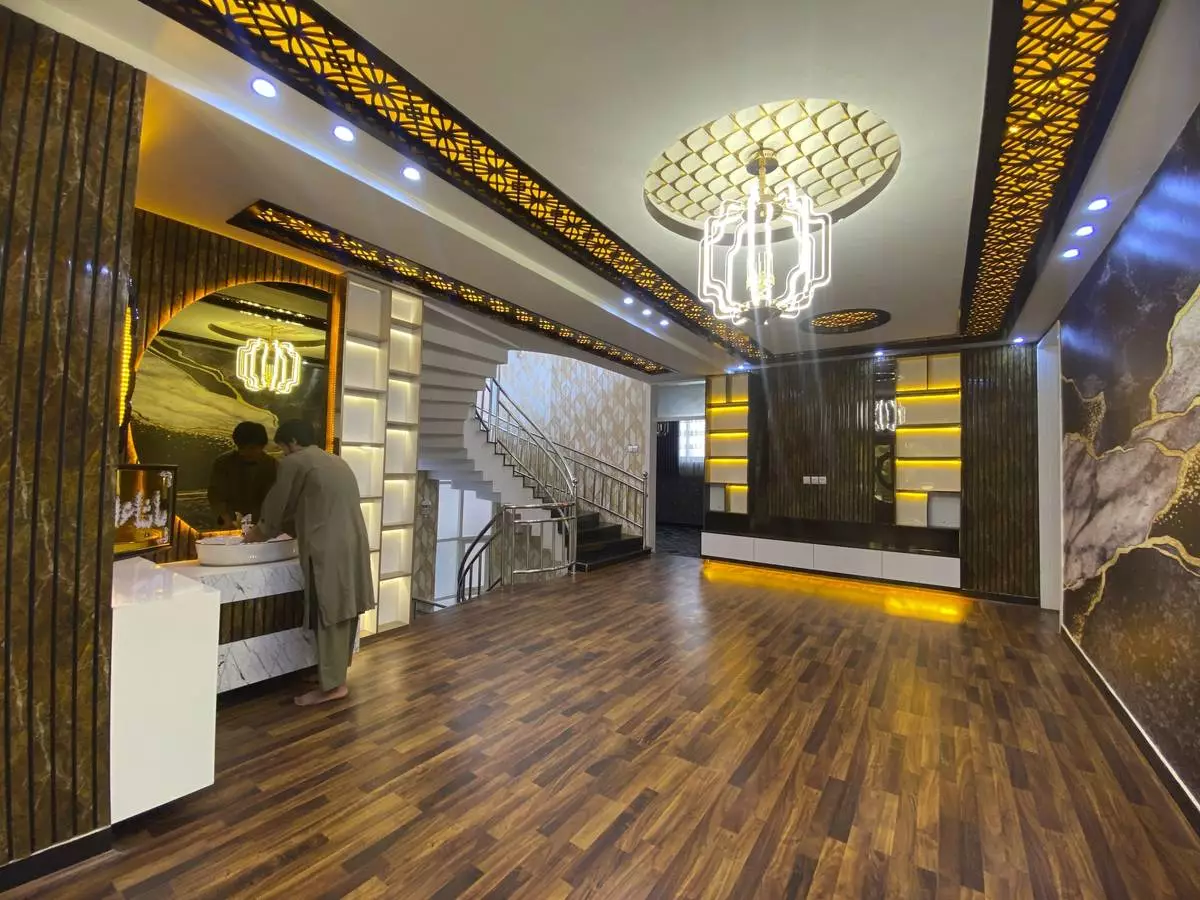
A man washes his hands inside a luxury house in the city of Kabul, Afghanistan, Sept. 23, 2024. (AP Photo/Siddiqullah Alizai)
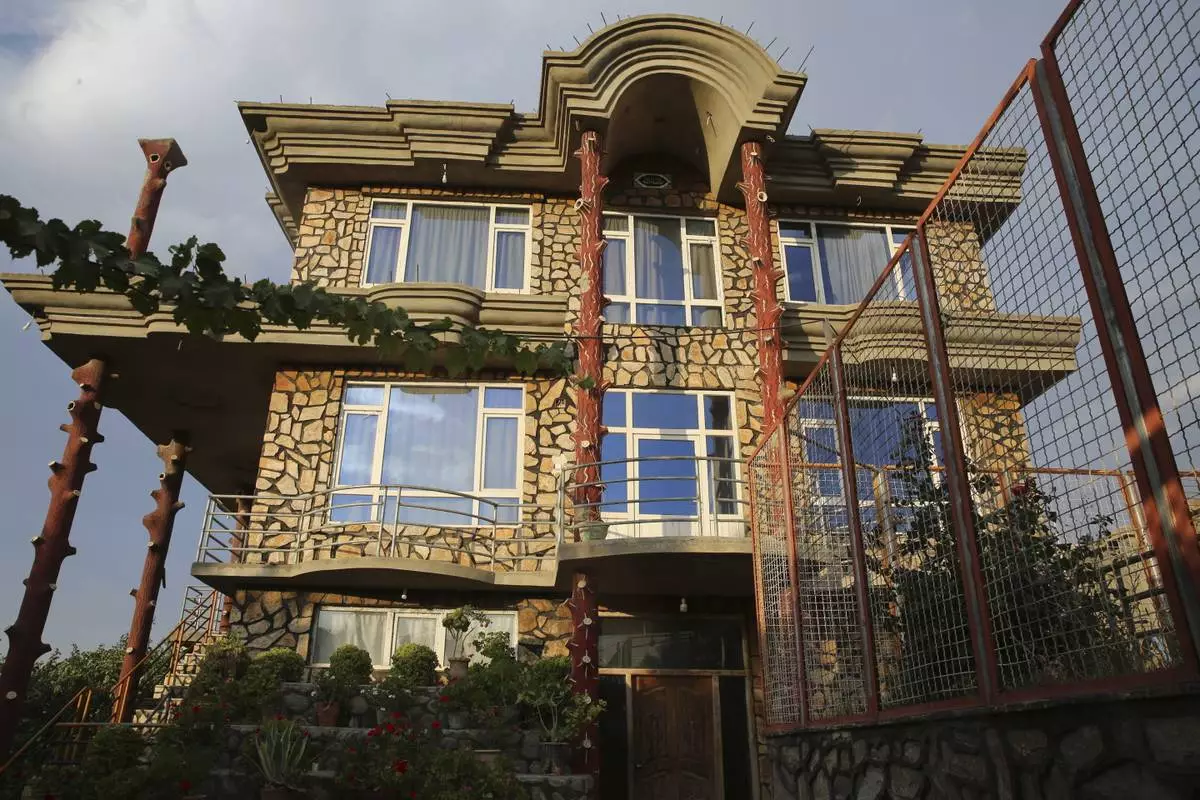
A general view of a luxury house is seen in the city of Kabul, Afghanistan, Sept. 29, 2024. (AP Photo/Siddiqullah Alizai)
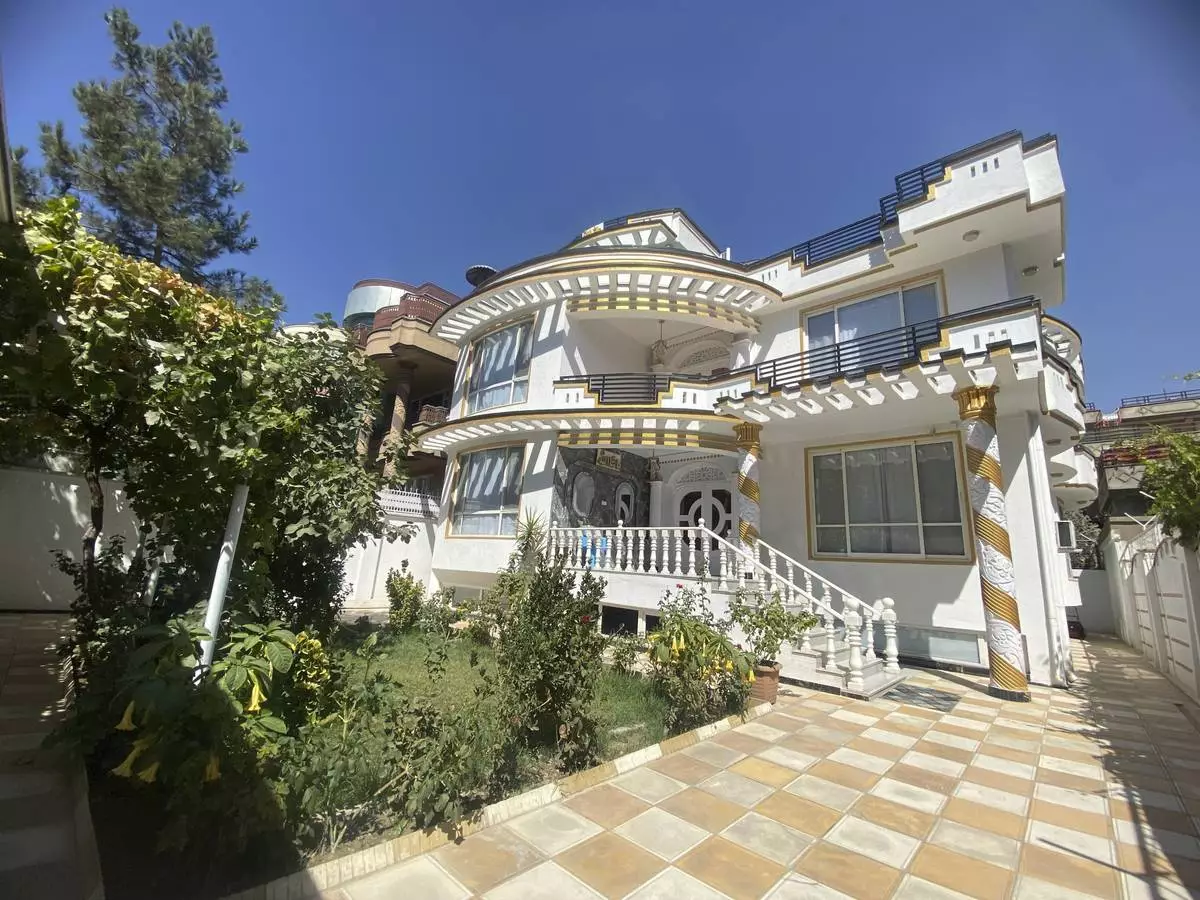
A general view of a luxury house is seen in the city of Kabul, Afghanistan, Sept. 23, 2024. (AP Photo/Siddiqullah Alizai)