An Israeli airstrike on the Nuseirat refugee camp in the Gaza Strip on Saturday killed dozens of Palestinians and destroyed numerous homes, exacerbating the already dire humanitarian crisis in the besieged enclave.
Residents, lacking adequate resources and equipment, desperately searched for survivors trapped beneath the rubble, recovering bodies and body parts amidst the devastation.
As airstrikes continue and the prospect of a ceasefire remains elusive, many Gazans have flocked to hospitals to take a final look at their deceased loved ones, bidding them farewell in heart-wrenching scenes filled with tears and sorrow.
"We still don't know the exact number of those killed and those injured. Even the victims of today's barbaric strike remain unidentifiable, as their bodies were torn into pieces," said a survivor.
The Palestinian death toll from ongoing Israeli attacks in Gaza has risen to 44,664, with over 105,000 injured, according to a statement by health authorities in the enclave on Saturday.
On the international front, Qatar's Prime Minister and Foreign Minister, Sheikh Mohammed bin Abdulrahman bin Jassim Al Thani, said on Saturday that Qatar is set to resume its role as a mediator in the ongoing Palestine-Israel conflict, expressing hopes for a swift ceasefire in Gaza.
Since the outbreak of the conflict, multiple rounds of negotiations have taken place involving Israel and Hamas, facilitated by Qatar, Egypt, and the United States, but a permanent ceasefire agreement has yet to be reached.
In November, the Qatari Foreign Ministry said that while Qatar had paused its mediation efforts regarding a ceasefire and the release of hostages in Gaza, it had not withdrawn from the negotiations.
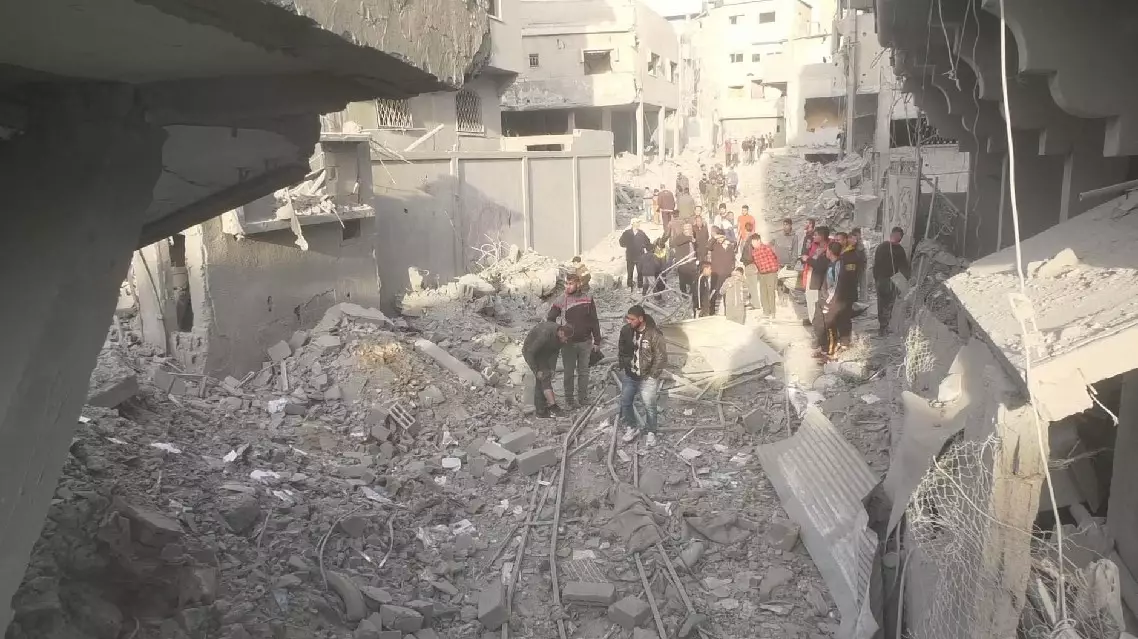
Israeli airstrike kills dozens in Gaza's Nuseirat refugee camp
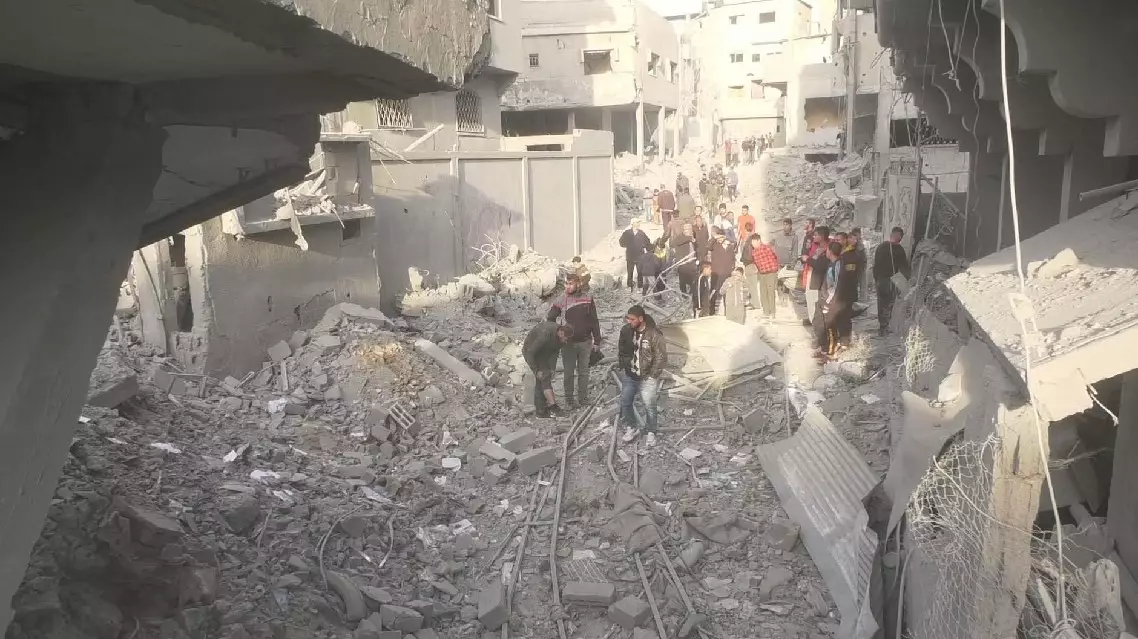
Israeli airstrike kills dozens in Gaza's Nuseirat refugee camp
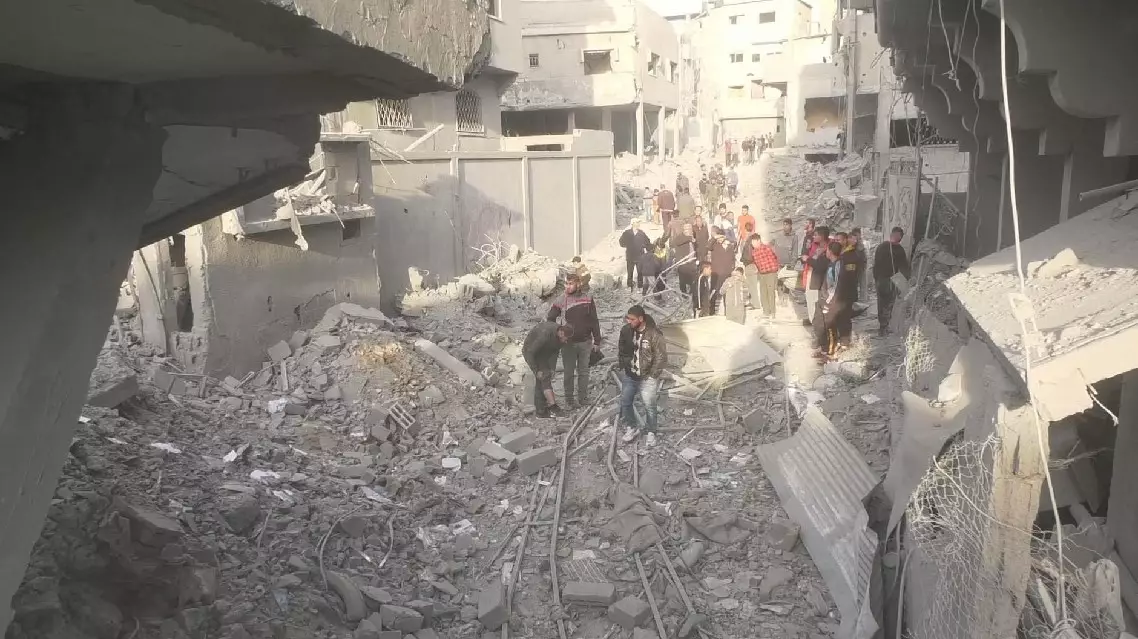
Israeli airstrike kills dozens in Gaza's Nuseirat refugee camp
Farmers in India, a major agricultural producer and fertilizer importer, are raising concerns over fertilizer availability ahead of the planting season, as the escalating Middle East conflict and disruptions to shipping through the Strait of Hormuz put global supplies at risk.
The Middle East serves as both a vital energy hub and a major global fertilizer supplier, yet the ongoing U.S.-Israeli war with Iran has heightened risks of disruption to international supplies.
Chand Singh Yadav, a farmer in Haryana, a northern Indian state, said poor crop yields would be disastrous for the country and called on the government to ensure adequate supplies of fertilizers, agrochemicals and seeds to prevent a food crisis. "Without fertilizers, our crops will not grow well, and this would be disastrous for the entire country. If farmers cannot grow crops, people will not be able to buy food in the market. We urge the government to improve the supply system for fertilizers, agrochemicals and seeds to prevent the country and society as a whole from sliding into a food crisis," he said.
The Indian government is stepping up subsidies for farmers and optimizing fertilizer distribution and allocation to stabilize the supply. Prices have remained broadly stable, but demand is expected to surge ahead of the planting season, potentially exacerbating supply pressures.
"The current situation is worrying for us farmers. Spring sowing has not yet started, and the rainy season has not arrived. Fertilizer prices are temporarily stable, but in two months, demand for agricultural fertilizers will become pressing. Without fertilizers, it will be difficult to properly cultivate various types of crops. Urea and diammonium phosphate are especially critical. Crops can only grow normally when these fertilizers are applied. As these fertilizers are largely imported, if the conflict persists, supplies cannot be guaranteed," said Santosh Mishra, a farmer in India's eastern state of Odisha.
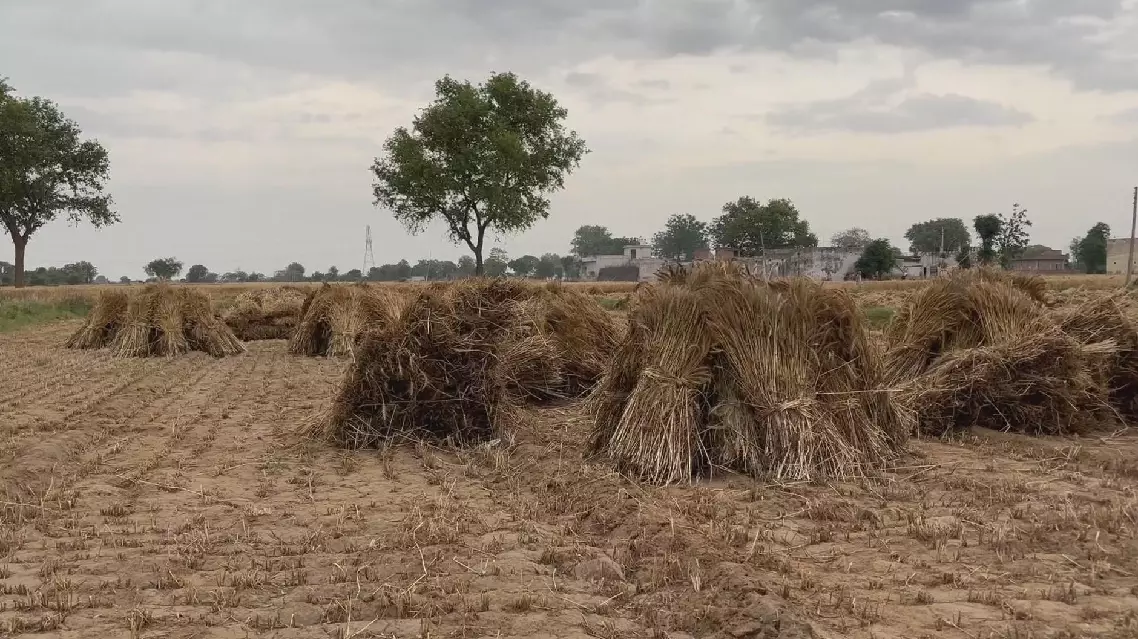
Escalating Middle East conflict strains India’s fertilizer supply