Michael Grade, Chair of the UK Office of Communications (Ofcom), has recently called for stronger international cooperation in managing space spectrum and commended China's growing contributions to space exploration.
On the sidelines of a preparatory meeting for the 2026 International Conference on the Peaceful Use of Space Technology (IPSPACE 2026) held in Beijing on March 31, he said current relations between the UK and China are developing well. He added that there is significant room for cooperation between the two countries in the communications sector, particularly in space spectrum management.
"I think managing spectrum in space is really important, it's going get very crowded soon. More and more, we're beginning to realize that there has to be international cooperation to manage global spectrum, global availability to satellites and managing the satellite traffic in space. Not just China and the UK, but China and Europe, China and the United States, China and Africa, all the countries are going to have to work together," said Grade.
In recent years, China's space exploration efforts have developed rapidly with notable achievements. At the same time, China has continued to promote exchanges and cooperation in the peaceful use of space technology, signing nearly 200 intergovernmental space cooperation agreements with more than 50 countries and international organizations.
Regarding China's repaid developments in space programs, Grade said that the country's active exploration and application of space technology are benefiting all of humanity. "They are now achieving great things, and some of the things that China has achieved so far in space; going around the moon, picking up samples from the other side, the GPS technology in space, now is a huge contribution to what's going on in space. My hope is that China will continue that commitment because it will benefit everybody," he said.
China has outlined a roadmap for its space sector in the next five years under the newly released 15th Five‑Year Plan (2026–2030). The plan emphasizes turning aerospace from a symbol of national strength into a driver of economic growth, with ambitions to generate trillions of yuan in value.
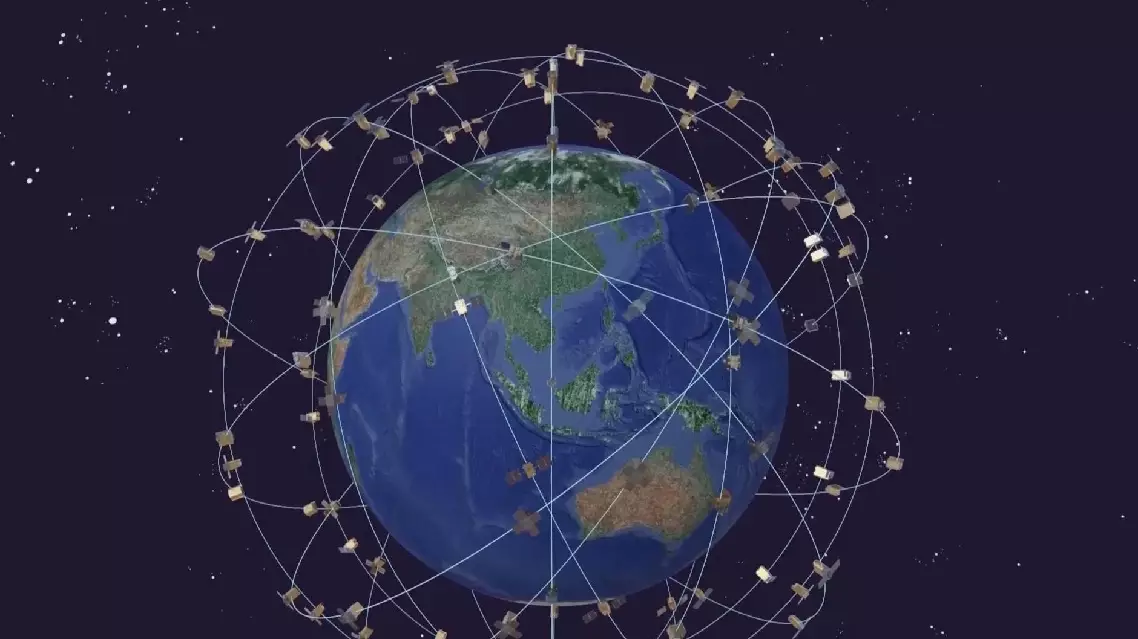
Key priorities include making space activities more market‑oriented, developing reusable launch vehicles to cut costs, and deploying large satellite constellations integrated with the BeiDou Navigation Satellite System. The blueprint also highlights deep‑space exploration, with expanded Mars missions and preparations for an International Lunar Research Station in cooperation with global partners.
UK communications authority head backs global space cooperation, highlights China's progress