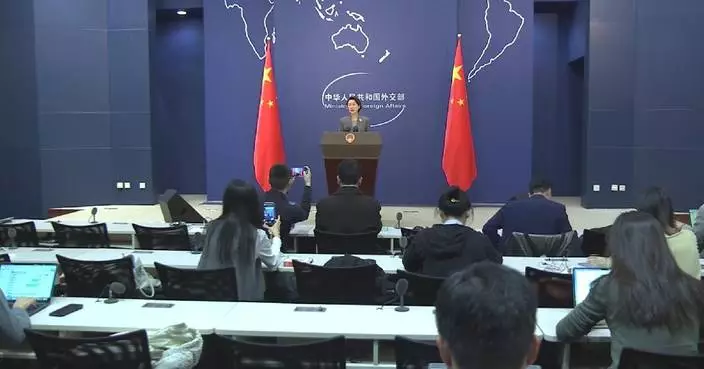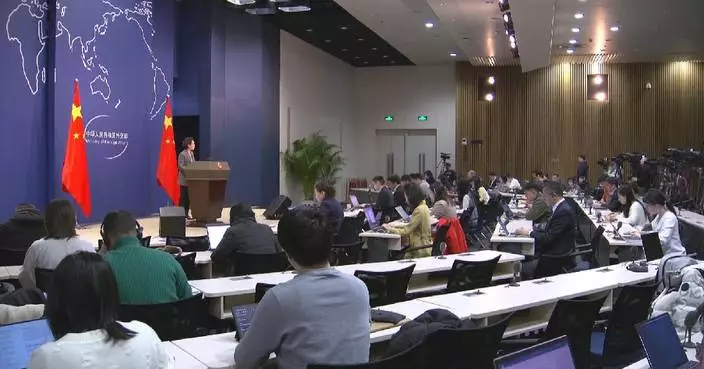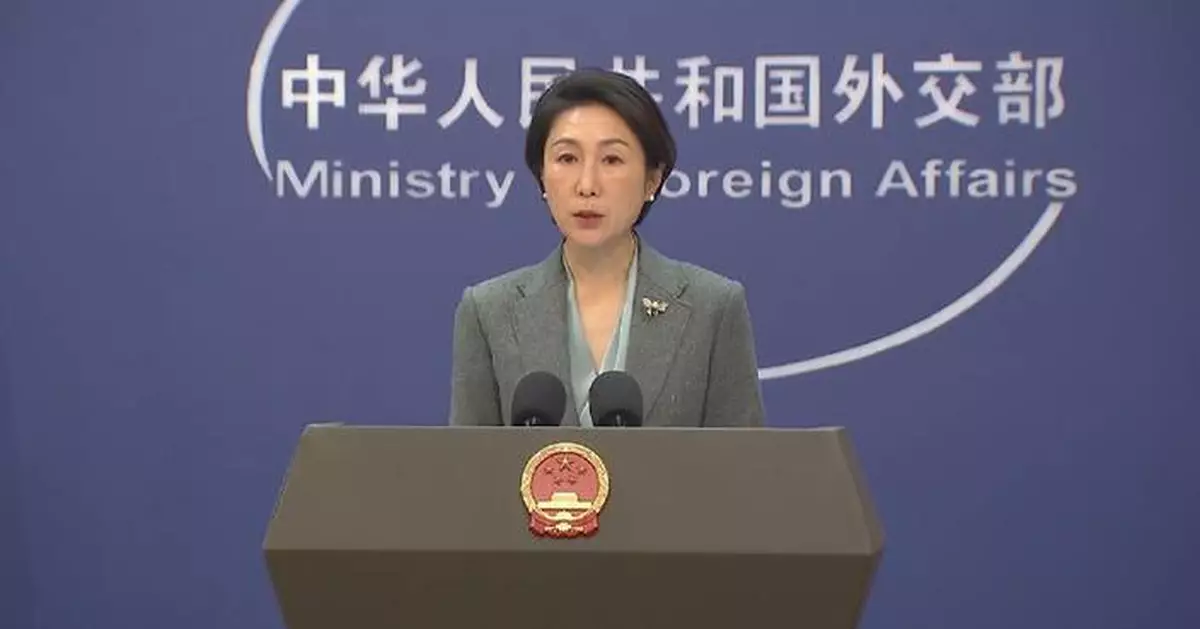
China urges certain countries to refrain from politicizing and weaponizing human rights issues, and stop meddling in other countries' domestic affairs, said Chinese Foreign Ministry spokeswoman Mao Ning at a regular press briefing in Beijing on Tuesday.
Mao's statement was prompted by questions concerning China's efforts to promote human rights protection and its response to the old trick used by some Western countries to criticize China's human rights situation.
As Tuesday marks International Human Rights Day and the 76th Anniversary of the Universal Declaration of Human Rights (UDHR), Mao praised the UDHR's profound significance in the history of human civilization, highlighting its enduring impact on the advancement of global human rights.
"China has always placed great importance on respecting and protecting human rights. Committed to people-centered development, China has found a path towards better human rights that follows the trend of the times and fits our national realities, achieving historic accomplishments in its human rights cause. China has won the largest battle against poverty in human history as scheduled, lifting nearly 100 million poor rural residents out of poverty in 10 years, achieving the poverty reduction goals of the UN's 2030 Agenda for Sustainable Development a full decade ahead of schedule. China has also continuously advanced whole-process people's democracy, with around 3,000 deputies to the National People's Congress and more than 2.7 million deputies to people's congresses of all levels, effectively ensuring the people's status as masters of the country," Mao continued. China has made historic strides in advancing human rights through developing robust public services, upholding the rule of law, driving global human rights initiatives, and implementing wide-ranging reforms aimed at improving people's welfare and social equity, according to Mao.
"China has built the world's largest education, social security, and healthcare systems, with a life expectancy of 78.6 years on average. China steadfastly upholds the protection of human rights under the rule of law, with 305 effective laws currently in place, providing comprehensive legal safeguards for human rights causes. China has put forward a series of initiatives and proposals on the UN Human Rights Council, covering themes such as advancing human rights through cooperation and development, safeguarding economic, social and cultural rights, and protecting the rights of specific groups, making positive contributions to the healthy development of global human rights governance. The third plenary session of the 20th Central Committee of the Communist Party of China proposed over 300 reform measures covering the economy, politics, culture, society, and eco-environmental conservation, which will effectively enhance people's wellbeing, promote social equity and justice, and steadily elevate the level of human rights protection," said Mao.
Mao then urged certain countries to promote international human rights cause through constructive dialogue and cooperation.
"Some countries have politicized and weaponized human rights issues, posing a severe challenge to global human rights governance. We call on all parties to abide by the purposes and principles of the UN Charter, and engage in constructive dialogue and cooperation in the field of human rights, so as to jointly promote the healthy development of the international human rights cause. We also hope that certain countries will abandon megaphone diplomacy and stop interfering in the internal affairs of other countries under the pretext of human rights issues," urged Mao.
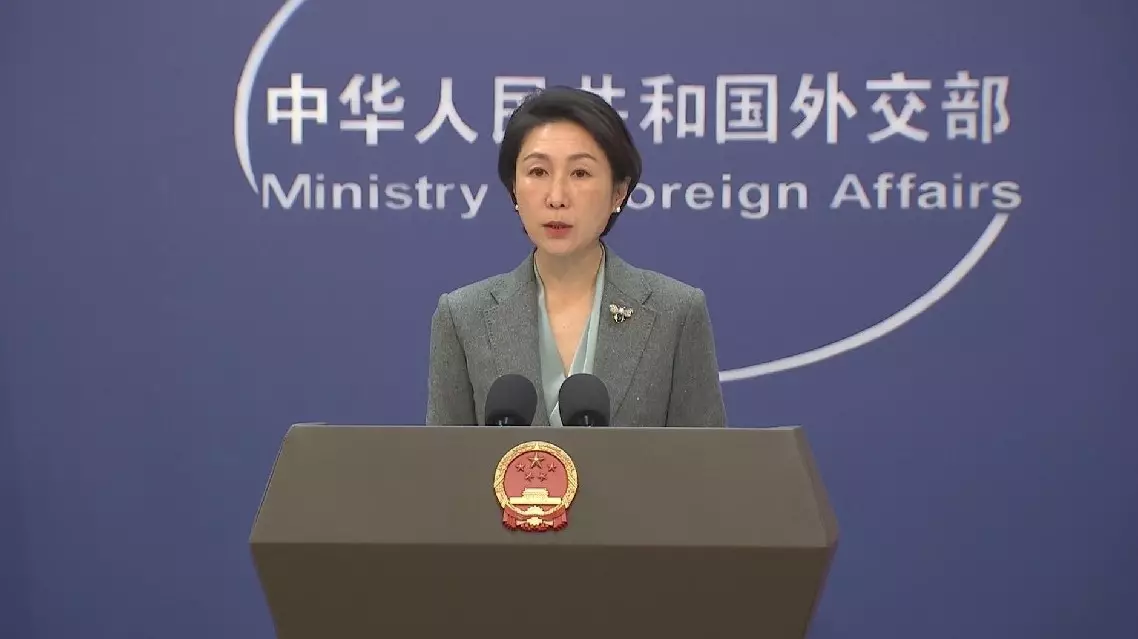
China urges certain countries to stop using human rights to meddle in others' domestic affairs: spokeswoman