Weather station located in Bayinbuluke Town in northwest China's Xinjiang Uygur Autonomous Region saw a new record low temperature of 42.1 degrees Celsius below zero on Friday.
The temperature was recorded in the morning, which set a new record for the lowest local temperature in mid-December, also a new low recorded at the national meteorological station since the beginning of winter this year.
The weather station is located in a high mountain basin with an average altitude of more than 2,500 meters, which makes local low temperature always last for a long time.
In January 2011, the weather station recorded its lowest temperature ever - 49.6 degrees Celsius below zero, and the 42.1 degrees Celsius below zero recorded this time was the third lowest ever recorded.
Every winter, the Bayinbuluke Scenic Area is closed due to the extremely low temperature, and residents have to move to another town to spend the winter.
Flocks of tourists visit Altay-Hemu Highway, a newly-opened highway linking Altay City and Hemu Village in Xinjiang, to enjoy the stunning winter scenery despite the low temperature.
Extending for more than 200 kilometers, the highway started its trial operation on the last day of September, and has become a popular tourism route due to its diverse natural landscapes like mountains, canyons, forests, and ancient glaciers.
"We are here as we heard that the Altay-Hemu Highway was opened. The highway is so beautiful," said a tourist.
The local government has been removing snow and ice, conducting safety checks, and preparing emergency supplies to ensure the safety of tourists and residents, and provide a safe traffic environment.
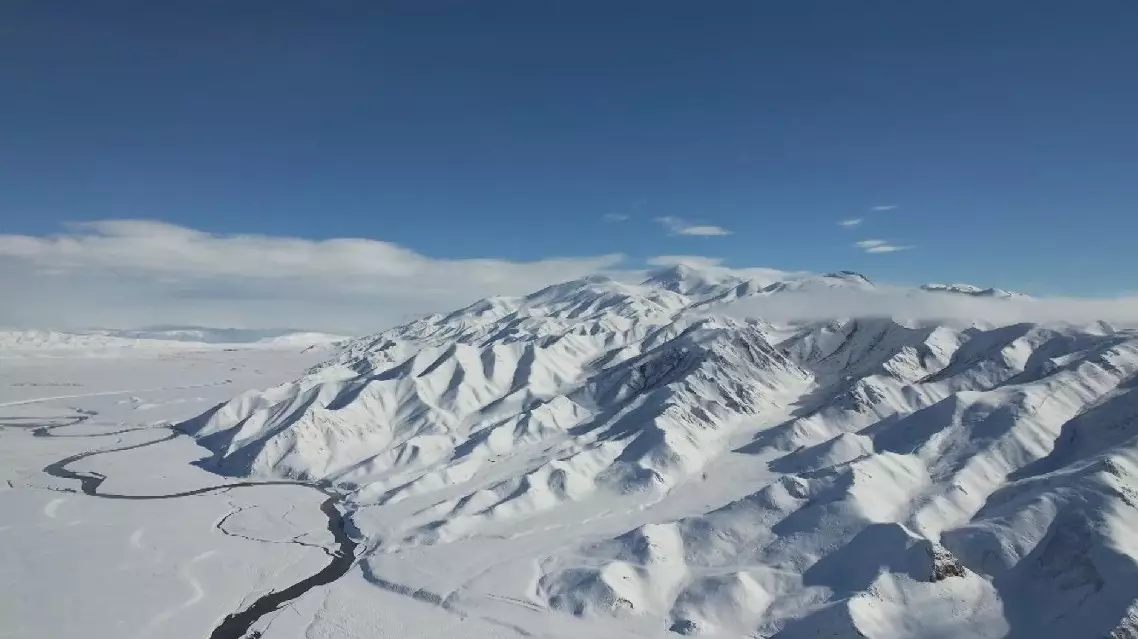
Weather station in Xinjiang sees new record low temperature
U.S. President Donald Trump said Friday that he is considering "winding down" the U.S. military strikes against Iran, claiming the United States is "getting very close to" meeting its objectives.
"We are getting very close to meeting our objectives as we consider winding down our great Military efforts in the Middle East" with respect to Iran, Trump said on Truth Social.
The objectives Trump outlined include degrading Iran's missile capabilities, destroying its defense industrial base, eliminating its navy and air force, preventing it from ever approaching nuclear capability and protecting U.S. allies across the region.
Also on Friday, Trump said that he does not want a ceasefire with Iran.
"We can have dialogue, but you know, I don't want to do a ceasefire," Trump told reporters before he departed the White House for Florida, noting "You don't do a ceasefire when you're literally obliterating the other side."
"U.S. government says one thing, reality says another," Iranian Foreign Minister Seyed Abbas Araghchi said Friday on X, questioning White House's repeated claims that Iran's air defenses and Navy have been destroyed.
Trump on Truth Social also said that the Strait of Hormuz, a crucial global energy waterway, should be secured by the countries that rely on it and Washington would assist if asked.
"The Hormuz Strait will have to be guarded and policed, as necessary, by other Nations who use it -- The United States does not! If asked, we will help these Countries in their Hormuz efforts, but it shouldn't be necessary once Iran's threat is eradicated," Trump added.
The United States and Israel launched joint military strikes on Iran on Feb 28, disrupting global shipping, sending oil prices soaring and shaking the global economy.
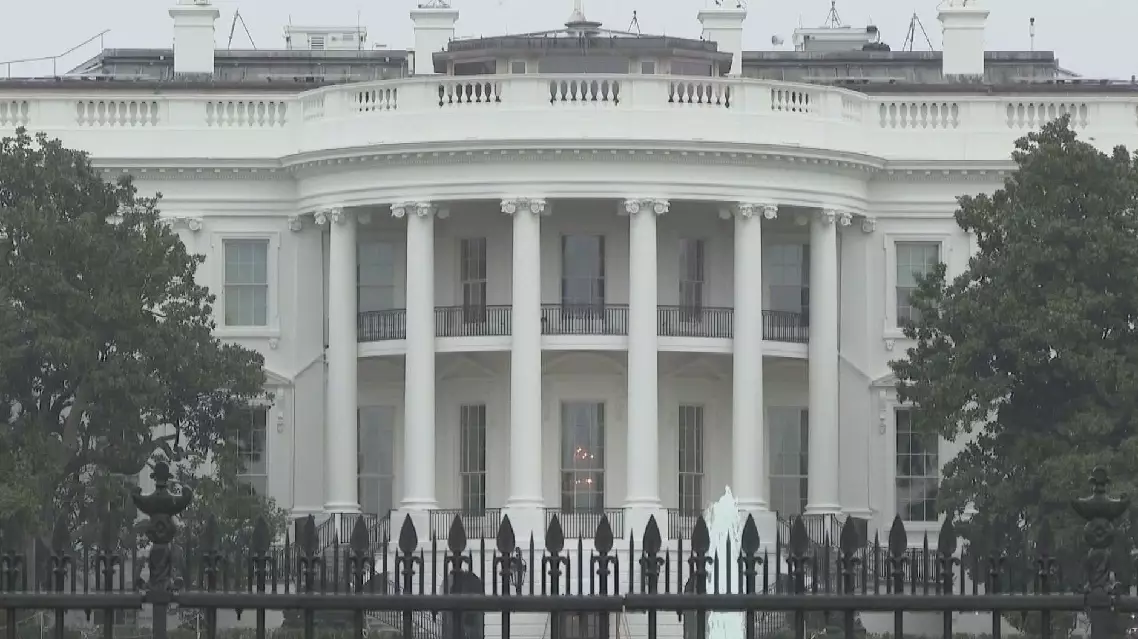
Trump says considering "winding down" strikes on Iran