Yemen's Houthis are considering to block the Bab el-Mandeb Strait to ships from aggressor countries against members of the so-called "axis of resistance," RIA Novosti reported on Friday.
Mohammed al-Bukhaiti, a member of the Houthis' political bureau, said that if the group were forced to close the strait, it would only attack vessels belonging to states that carry out aggression against Iran, Lebanon, Palestine and Iraq.
He noted that the movement is considering all possible scenarios to support Iran in its confrontation with the United States and Israel.
The Bab el-Mandeb Strait, which connects the Red Sea and the Gulf of Aden, is known as a strategic chokepoint linking the Atlantic Ocean, the Mediterranean Sea, and the Indian Ocean. Often referred to as a "maritime corridor" connecting the continents of Europe, Asia, and Africa, it serves as a vital route for global trade, particularly for oil and gas shipments between Europe and Asia.
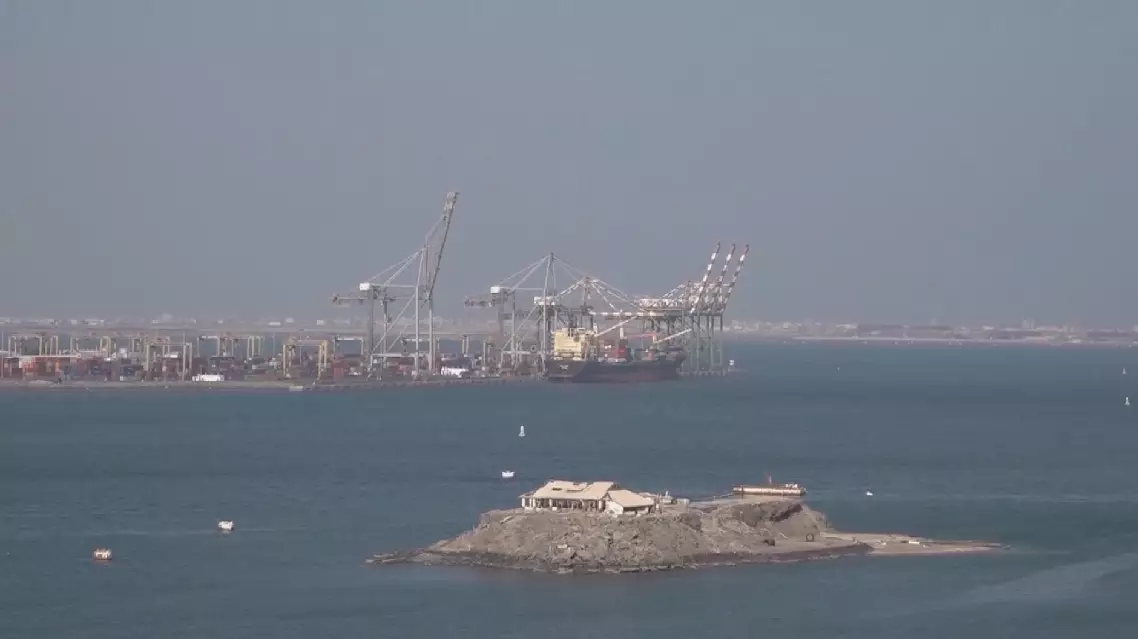
Yemen's Houthis warn of blocking Bab el-Mandeb Strait in support of Iran
The 32nd Asia-Pacific Economic Cooperation (APEC) Ministers Responsible for Trade Meeting concluded in east China's Suzhou on Saturday, yielding fruitful results and laying significant groundwork for the APEC Economic Leaders' Meeting in November.
The trade ministers' meeting focused on "building an open and predictable regional and multilateral economic and trade order" and "fostering new engines of innovative and dynamic trade and investment cooperation."
Chinese Commerce Minister Wang Wentao briefed the media on the meeting's outcomes at a press conference.
Wang said the meeting issued a joint statement titled the Suzhou Statement, and approved the latest edition of the APEC Roadmap for Innovative, Competitive and Resilient Services.
All parties agreed to advance policy innovation and reform in services trade, build an open and predictable investment environment, improve regional trade facilitation and supply chain resilience, strengthen standards coordination, and enhance intellectual property protection, Wang told the media.
He also said that substantial progress was made on a framework document for regional digital trade cooperation and the ministers emphasized promoting inclusive AI development, strengthening AI-related trade, and bridging the digital divide to ensure shared benefits from digital transformation.
The minister noted that the outcomes of the meeting demonstrated strong cooperation willingness, highlighted an innovation-oriented approach, and reflected inclusiveness and shared benefits. "The fact that Asia-Pacific economies can come together, uphold the original aspiration of promoting trade and investment liberalization and facilitation while supporting economic growth and prosperity, and engage in in-depth discussions on the important issue of 'where multilateral and regional economic and trade cooperation is headed,' fully demonstrates that open regionalism and true multilateralism enjoy broad support, and that mutual success and shared development serve the fundamental interests of all economies," Wang said.
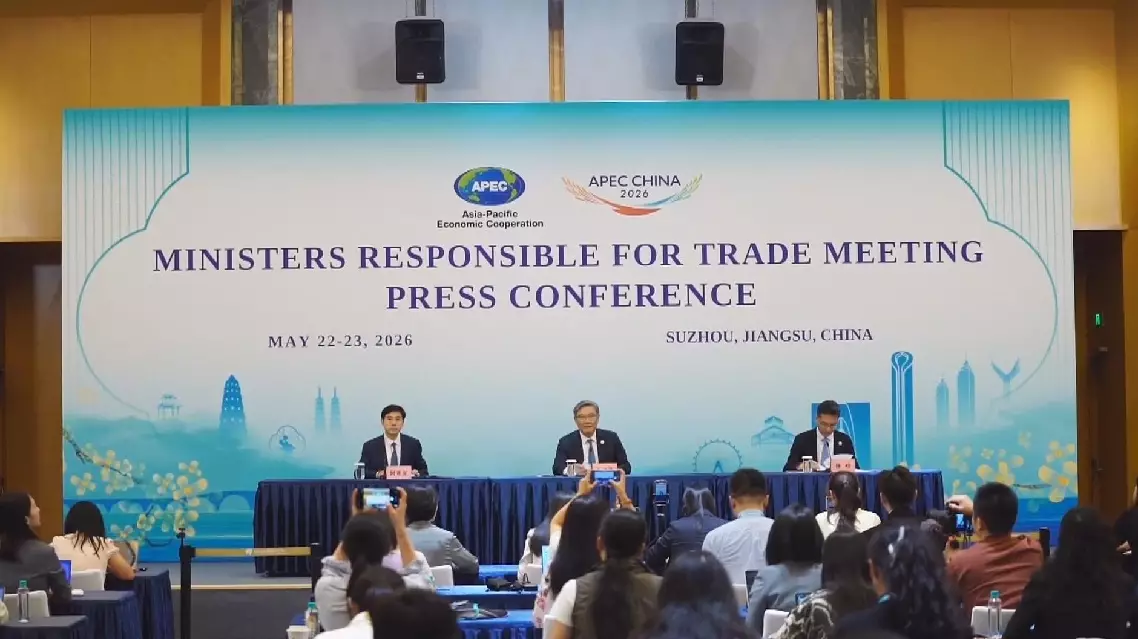
2026 APEC trade ministers' meeting concludes with fruitful results