Pakistani Prime Minister Shehbaz Sharif arrived in Hangzhou on Saturday for an official visit to China that will run through Tuesday, at the invitation of Premier Li Qiang.
During his stay in Hangzhou, Sharif is expected to attend signing ceremonies, meet local officials, and visit Chinese technology companies.
One of the key events will be a business-to-business investment summit on Sunday, bringing together senior executives and industry leaders from both countries. The focus is expected to be on investment opportunities in artificial intelligence, the digital economy and advanced manufacturing.
Sharif is expected to meet with President Xi Jinping and hold talks with Li in Beijing afterwards. He will also attend a reception marking the 75th anniversary of the establishment of diplomatic relations between China and Pakistan.
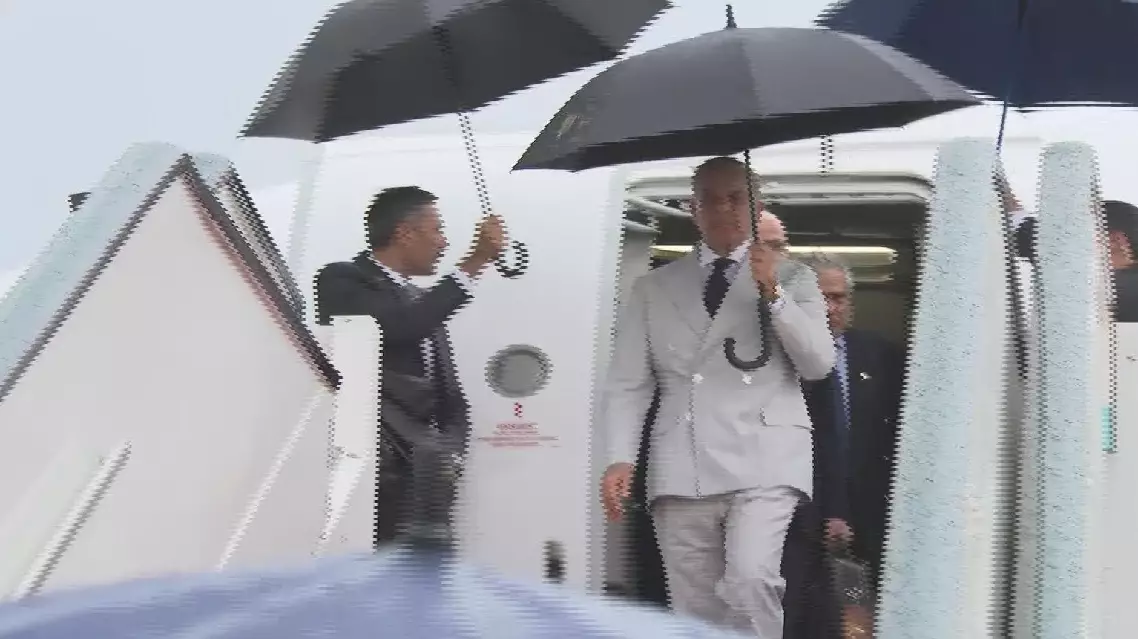
Pakistani prime minister arrives in Hangzhou for official visit
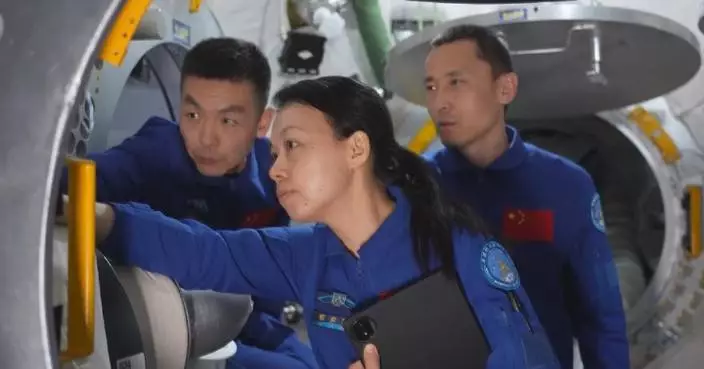
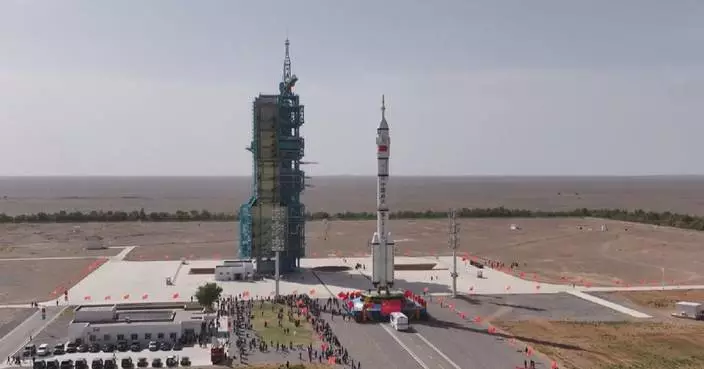
China's Shenzhou-23 crewed spaceship will carry nine scientific experiments totaling approximately 54 kilograms of samples and equipment to the country's space station, including research on liver cell metabolism in microgravity and space exposure studies on nanozymes, microorganisms, and plant seeds.
Among the payload, a key life sciences experiment titled "effects of space biomolecular phase separation on lipid metabolism" aims to investigate how microgravity influences lipid metabolism in liver cells from the perspective of phase separation. The findings could provide potential targets for early intervention and prevention strategies against fatty liver disease during long-duration space missions.
"The liver itself is an organ with an extremely complex mechanical microenvironment. In the microgravity environment of space, which also represents a unique mechanical setting, changes in these mechanical factors exert a strong regulatory effect on the function of liver cells. Through this experiment, we hope to uncover the underlying regulatory mechanisms at play under microgravity conditions, thereby identifying new potential approaches for the treatment of fatty liver disease," said Li Ning, an associate researcher with the Institute of Mechanics, Chinese Academy of Sciences.
In Addition, three types of samples -- nanozymes, actinomycetes, and plant seeds (rice and arabidopsis) -- will be mounted on an external exposure facility outside the space station for a five-month in-orbit experiment.
These studies, covering research on nanozyme-mediated biomolecule synthesis, space environmental effects on actinomycetes, and radiation-induced DNA methylation changes in plants, aim to systematically reveal how space radiation and microgravity impact biological materials ranging from prebiotic catalysts to microbial evolution and plant genetic variation.
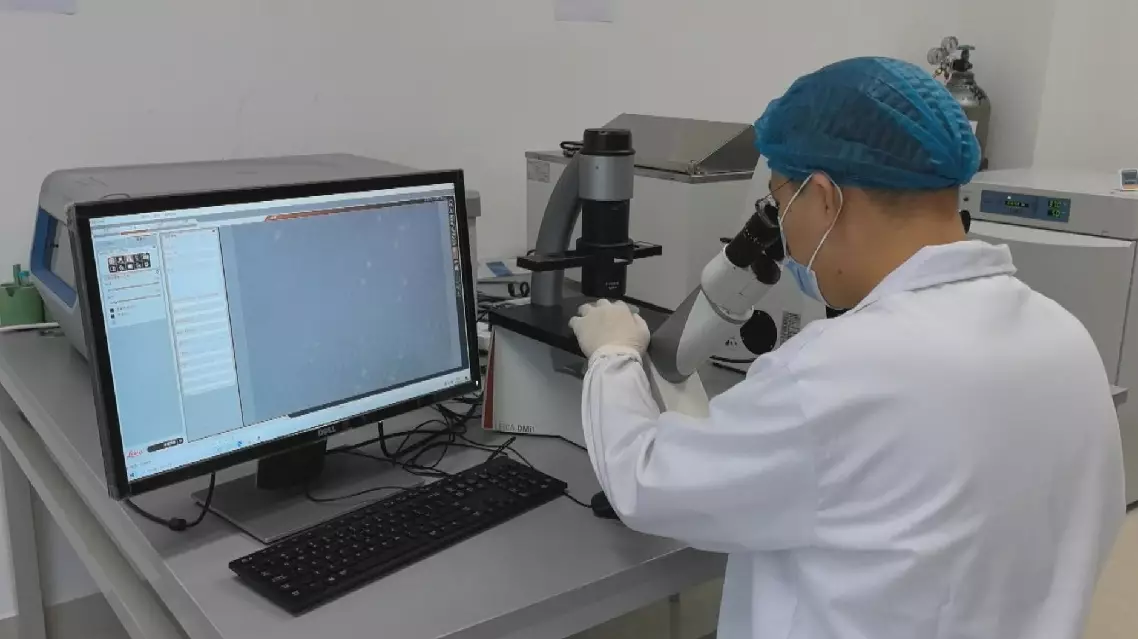
Shenzhou-23 to deliver 54kg of research payload to China's space station