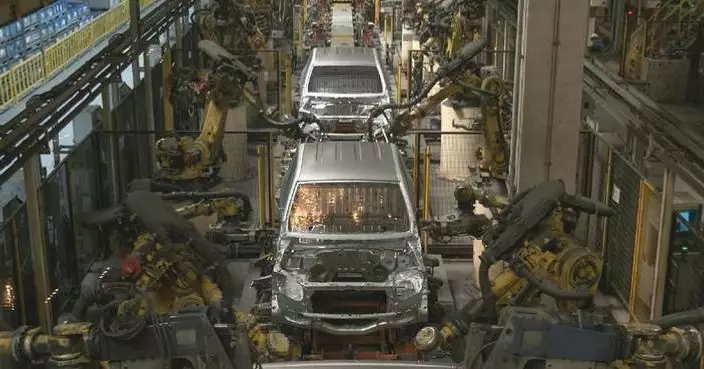
South China's metropolis of Shenzhen is witnessing sustained foreign trade growth in the fourth quarter following record-breaking foreign trade in the first three quarters, with a notable surge in manufacturing orders.
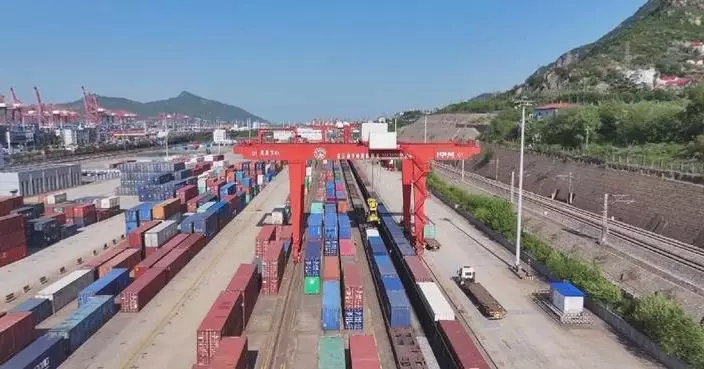
Shenzhen exceeded provincial and national trade averages with a remarkable surge in foreign trade in the first three quarters of 2024 amid global economic uncertainties, with total trade surpassing 3.7 trillion yuan (about 520 billion U.S. dollars), marking a strong 19 percent year-on-year growth and setting record highs for imports and exports, according to Shenzhen customs.
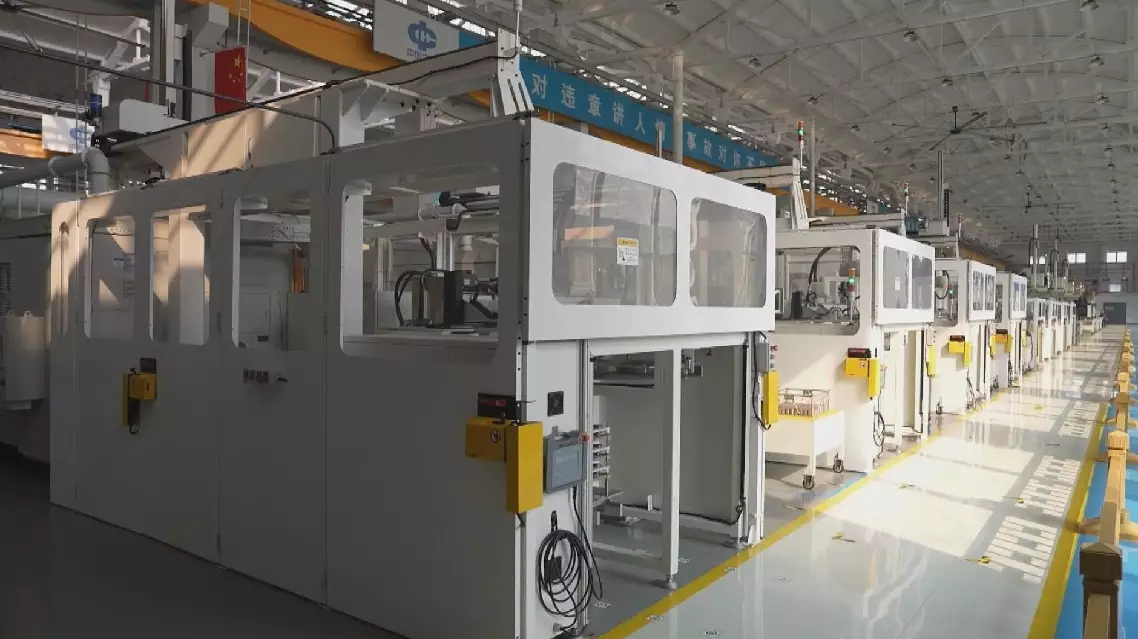
Susan Zhou, general manager of Sunwoda Electronic, a battery manufacturing company in Shenzhen, said her company is experiencing an exceptionally busy order season in the fourth quarter.
Zhou highlighted the surge in demand, particularly in the battery sector, attributing it to the rapid expansion of the new energy vehicle market.
"In the first three quarters of this year, Sunwoda Electronics has exported about 500 million batteries, with our total import and export volume reaching around 3.6 billion U.S. dollars. Our exports are mainly directed toward countries and regions in North America, South America, Europe, and Asia. We expect to maintain steady growth in the fourth quarter," said Zhou.
The company has also witnessed a significant rise in exports to various regions. For instance, a consignment of lithium-ion rechargeable battery cells is scheduled for dispatch from Huanggang port to India, set to arrive at the Indian assembly plant within five days.
Shenzhen's foreign trade for the the first 10 months has surpassed 3.7 trillion yuan (approximately 520 billion U.S. dollars), showcasing a robust 19 percent year-on-year increase. Both import and export figures have hit record highs for the same period.
"In the first ten months, ASEAN, Hong Kong and the United States ranked as Shenzhen's top three trading partners. Regarding exports, both the traditional old three categories of mobile phones, computers and home appliances, as well as the new three of new energy vehicles, lithium batteries and photovoltaic products, maintained their growth," said Zheng Weiwei, a principal staff member of Tongle Customs House.
In light of President-elect Donald Trump's proposed additional 10 percent tariffs on Chinese goods, experts anticipate this pressure to fuel greater innovation within the sector.
"The return of Trump to the White House, to some extent, may bring another winter to China's science and technology sector. However, this winter is not about destruction. Rather, it is an opportunity for us to innovate, gain strength and prepare for a better spring," said Cao Zhongxiong, assistant president of China Development Institute.
Experts underscore that with China's market prowess, talent pool, and industrial capabilities, the nation is well-positioned to carve a path towards advanced scientific and technological self-improvement, propelling it towards higher levels of development and international engagement.
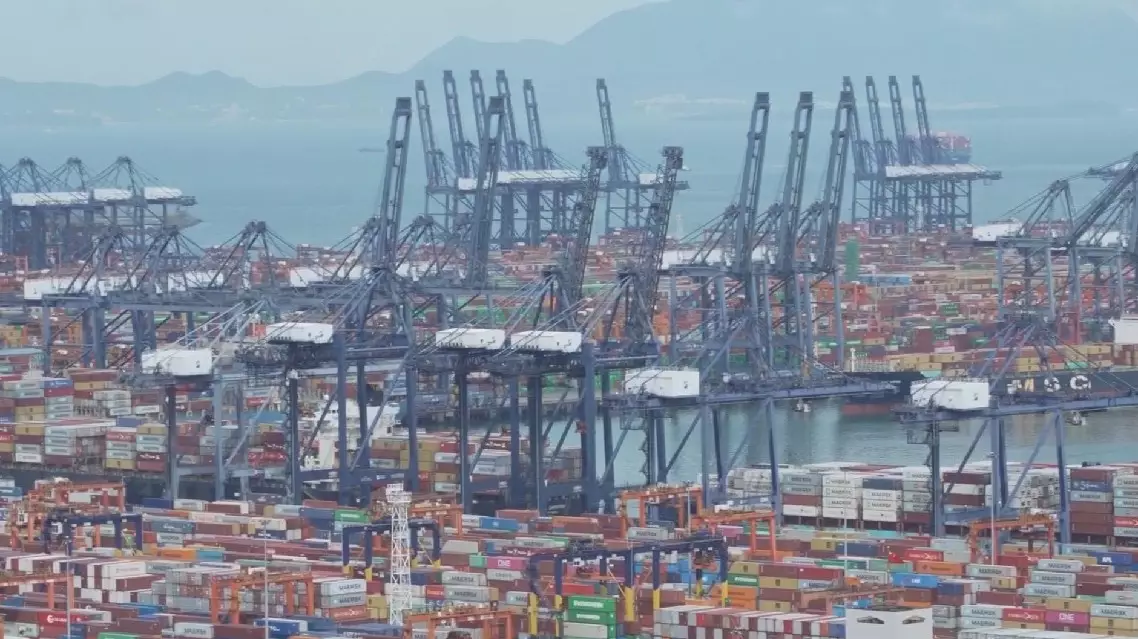
Shenzhen's foreign trade continues record growth, driven by new energy sector