The Chinese government issued a document on Monday outlining key tasks in five aspects to promote the high-quality development of the nation's retail industry over the next five years.
According to the implementation plan on improving retail innovation, which was jointly issued by seven government departments including the Ministry of Commerce, the country seeks to initially form a smart, convenient and green modern retail system that features abundant supply, balanced layout, diversified channels and high-quality services by 2029.
In terms of improving consumption scenarios, tailored efforts will be made to renovate department stores and shopping centers, each done in their special ways; innovations will be promoted to create diverse experience scenarios such as performance, exhibition, culture and animation; and the synergy between businesses and science and technology, nature, art, sports and parks will be encouraged to form characteristic spaces through clever renovation and minor upgrades, according to the document.
In terms of ensuring high-quality supplies, the trade-in of traditional consumption goods such as cars, home appliances, and furniture will be encouraged, trendy domestic brands will be promoted, supports will be granted to the establishment of special areas and counters for elderly services and maternal and child products, and international expositions and other channels will be used to attract global brands and help Chinese businesses purchase directly from overseas high-quality suppliers, the document proposed.
In terms of promoting the empowerment of digital technologies, the plan encourages the application of digital technologies to optimize standard procedures, empower such links as the layout of stores and logistics and delivery, promote such models as smart stores and self-service vending, to make consumption more convenient, said the document.
In terms of promoting diverse innovation, efforts will be made to deepen joint operation, self-sourced operation, and the transition from selling goods to selling services, solutions and lifestyles, the document said, adding the development of new business forms such as boutiques, multi-brands stores, pop-up stores, and brand discount stores will be encouraged.
In terms of improving supply chains, the Chinese government supports to use pallets or turnover boxes as logistics units, handover units, and data units in the supply chain, and promotes a recycling sharing model without reloading of goods from pallets to pallets or from turnover boxes to such boxes to improve efficiency, according to the document.
"More business model innovations and higher efficiency can bring people greater sense of fulfillment, who will be more willing to spend, driving the circulation of national economy. A more balanced supply and demand circle can provide a strong support for economic growth," said Zou Yunhan, deputy director of the Macroeconomic Research Office of the State Information Center under the National Development and Reform Commission.
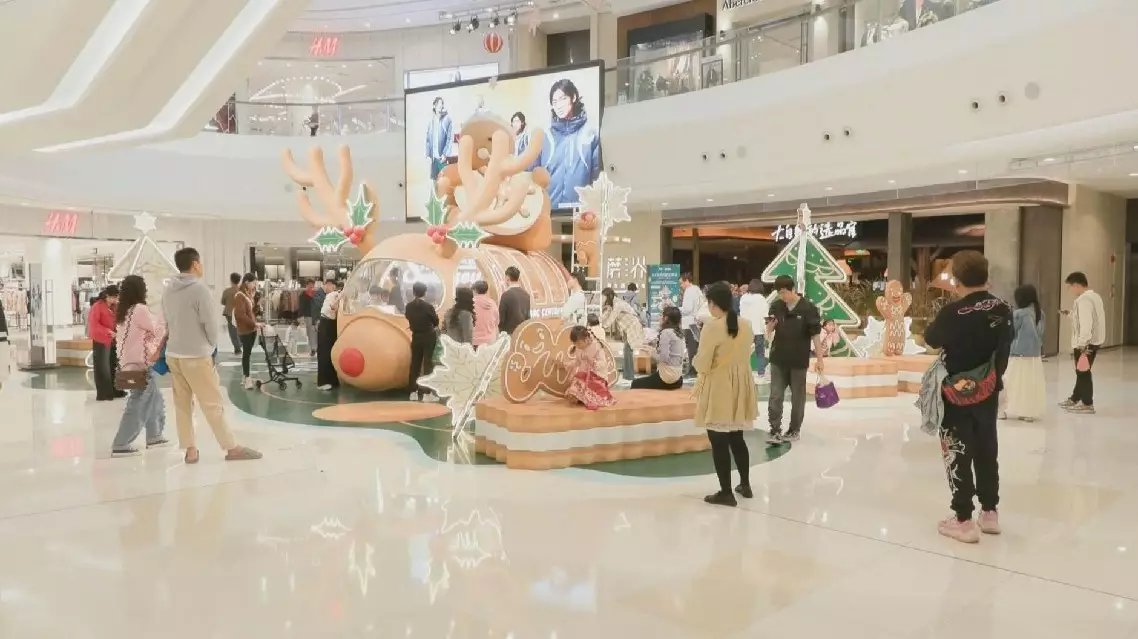
China announces measures to modernize retail industry
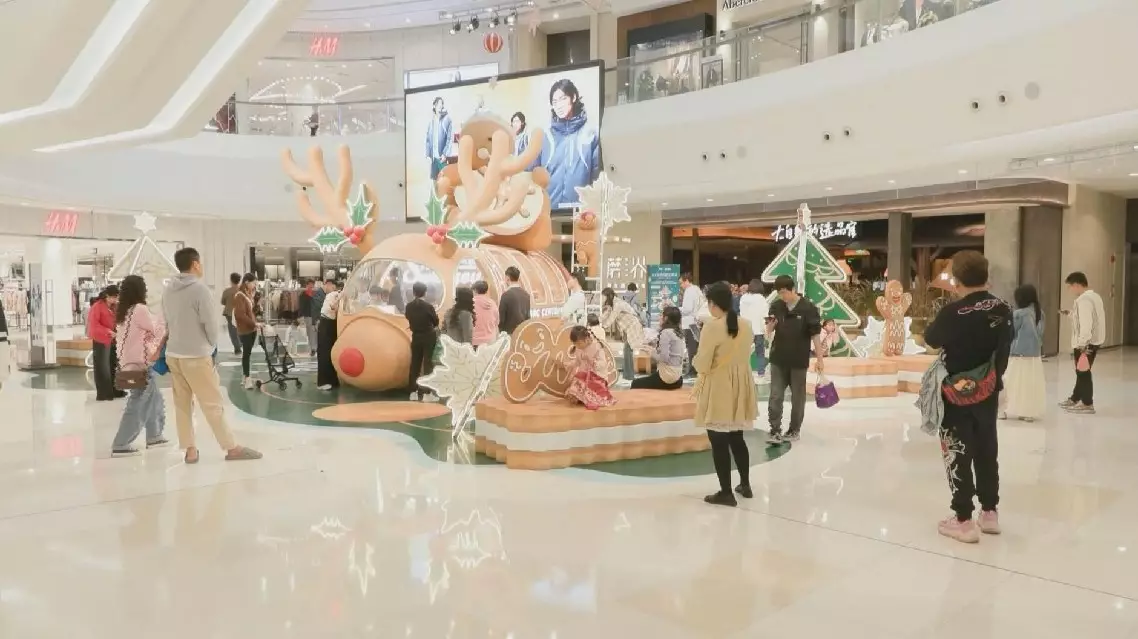
China announces measures to modernize retail industry