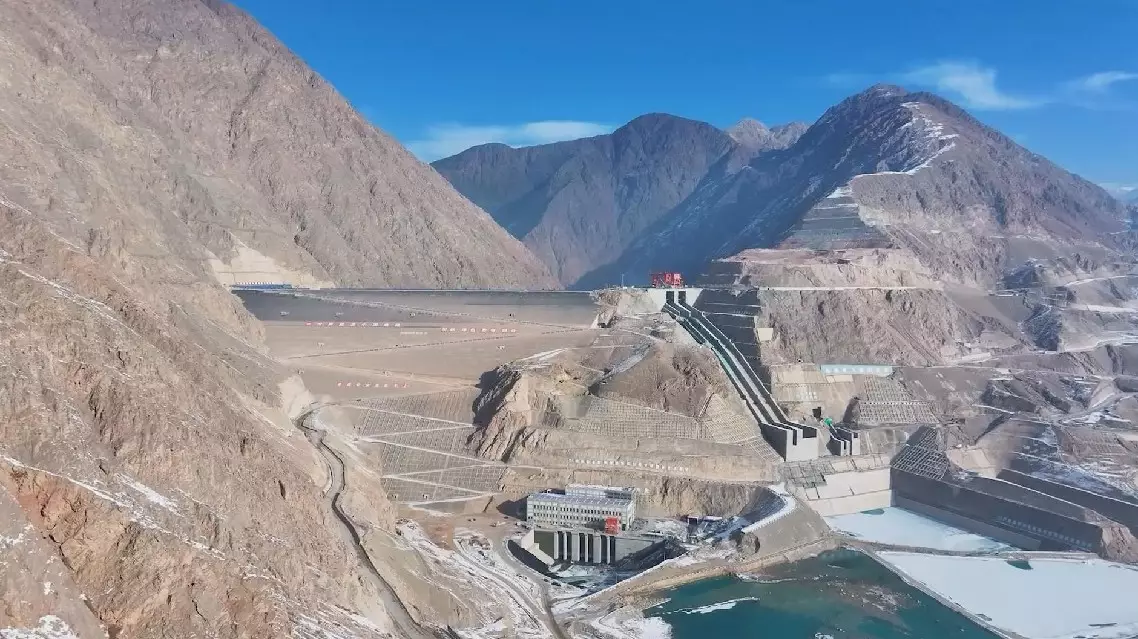
The Dashixia Water Control Project in northwest China's Xinjiang Uygur Autonomous Region, the largest water conservancy project in Tarim Basin, has reached a significant milestone in its construction with the capping of its dam on Monday, signaling the start of preparations for water storage, according to China Energy Engineering Corporation Limited, investor and also builder of the project.
Located in the middle and lower reaches of Kumarak River in Aksu region, the project is one of the 172 major water conservancy projects for water saving and supply in China.
Click to Gallery
Dashixia Water Control Project in China's Xinjiang completes dam capping
Dashixia Water Control Project in China's Xinjiang completes dam capping
Dashixia Water Control Project in China's Xinjiang completes dam capping
Dashixia Water Control Project in China's Xinjiang completes dam capping
Dashixia Water Control Project in China's Xinjiang completes dam capping
At 247 meters, the dam is the world's tallest concrete face rock-fill dam currently under construction, equivalent to the height of an 80-story building. This achievement sets a global standard for dam construction.
The dam has a total installed capacity of 750,000 kW and a reservoir volume of 1.17 billion cubic meters.
Once fully operational, the project will generate over 1.8 billion kWh of clean electricity annually.
In addition, it will greatly enhance agricultural irrigation in the downstream Aksu region, benefiting key crops such as walnuts, apples, and jujubes.
The ecological environment of the Aksu River, which flows into the Tarim River, China's longest inland river, along with the Yarkant, Hotan, and other rivers, is also expected to improve significantly as a result of the project.
"Once the Dashixia water reservoir project is completed, we will be able to store floodwater in the reservoir to provide water for approximately eight million mu (around 533,333 hectares) of farmland downstream," said Li Yang, chief engineer for reservoir dam construction of Dashixia Water Control Project.
Dashixia Water Control Project in China's Xinjiang completes dam capping
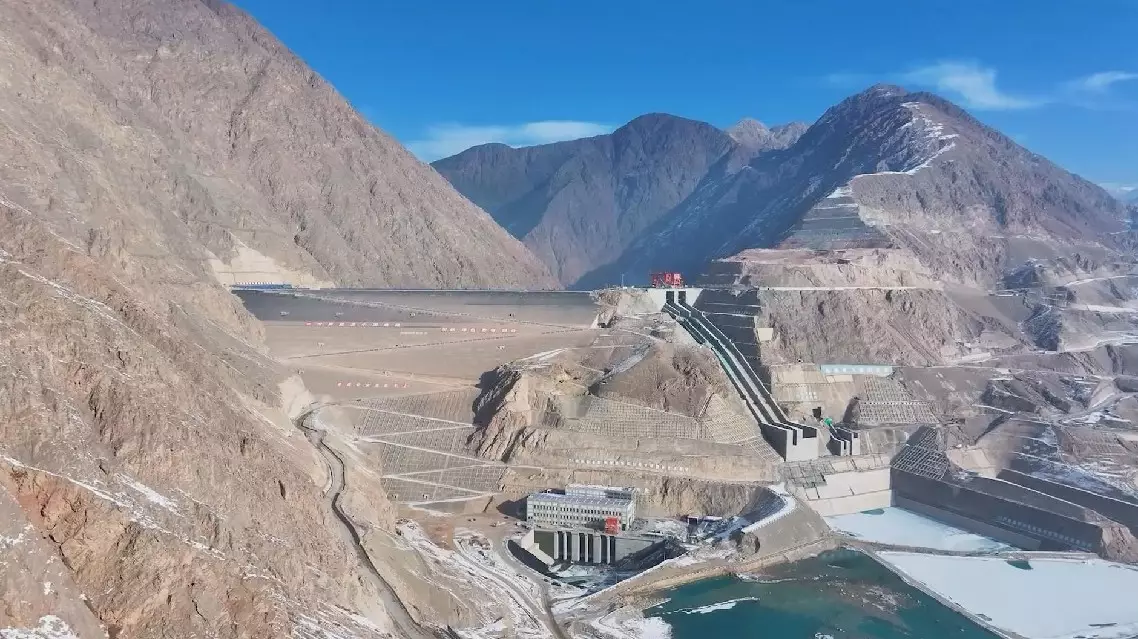
Dashixia Water Control Project in China's Xinjiang completes dam capping
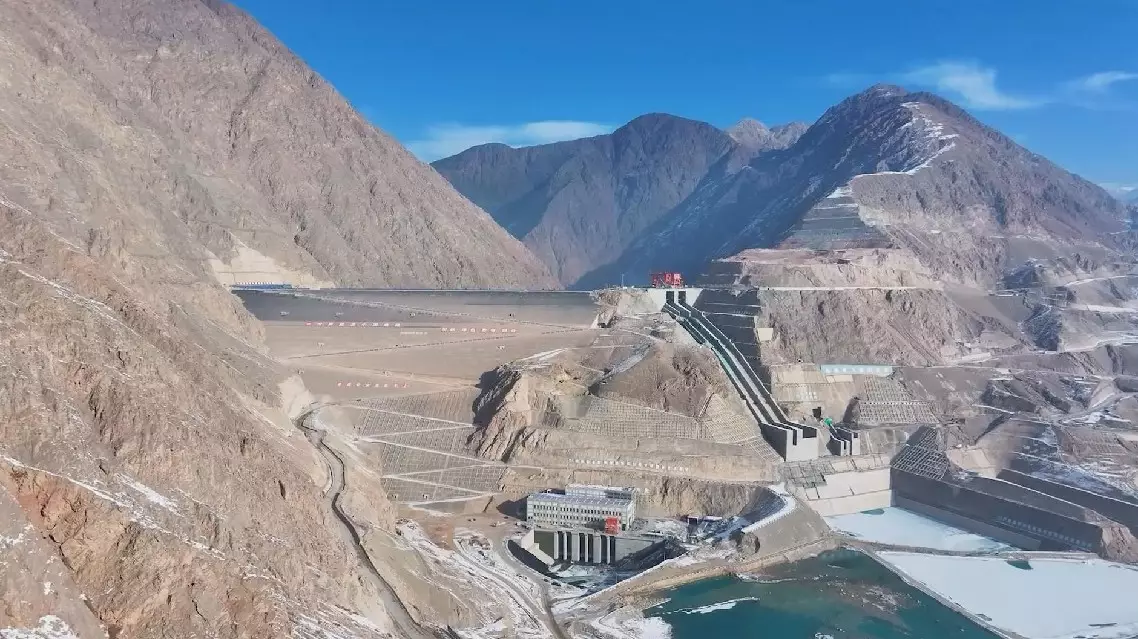
Dashixia Water Control Project in China's Xinjiang completes dam capping
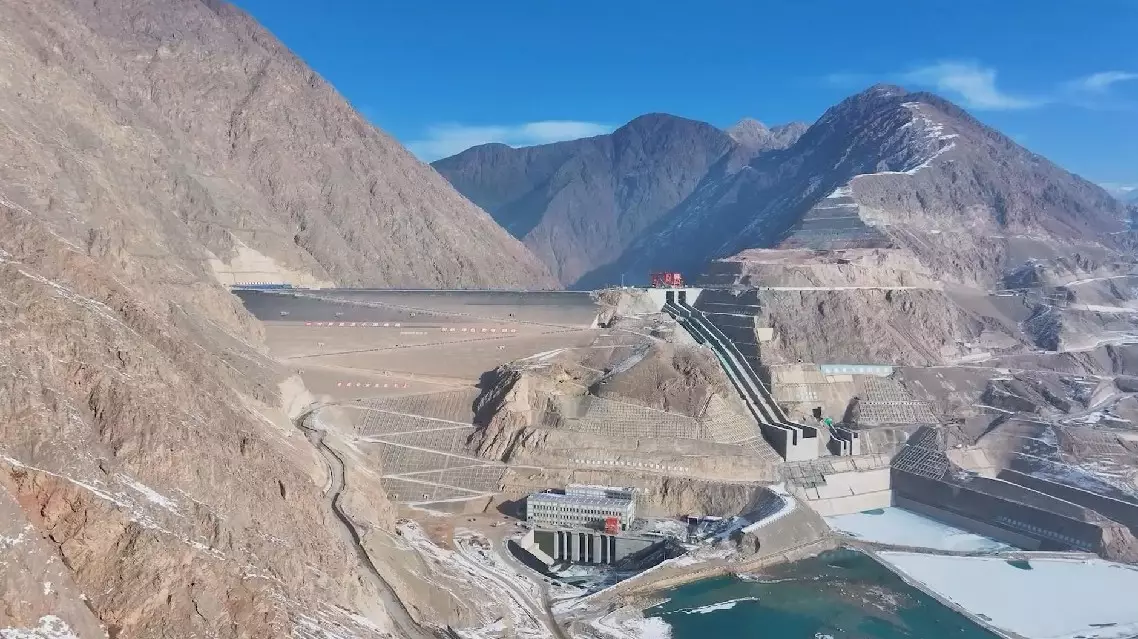
Dashixia Water Control Project in China's Xinjiang completes dam capping
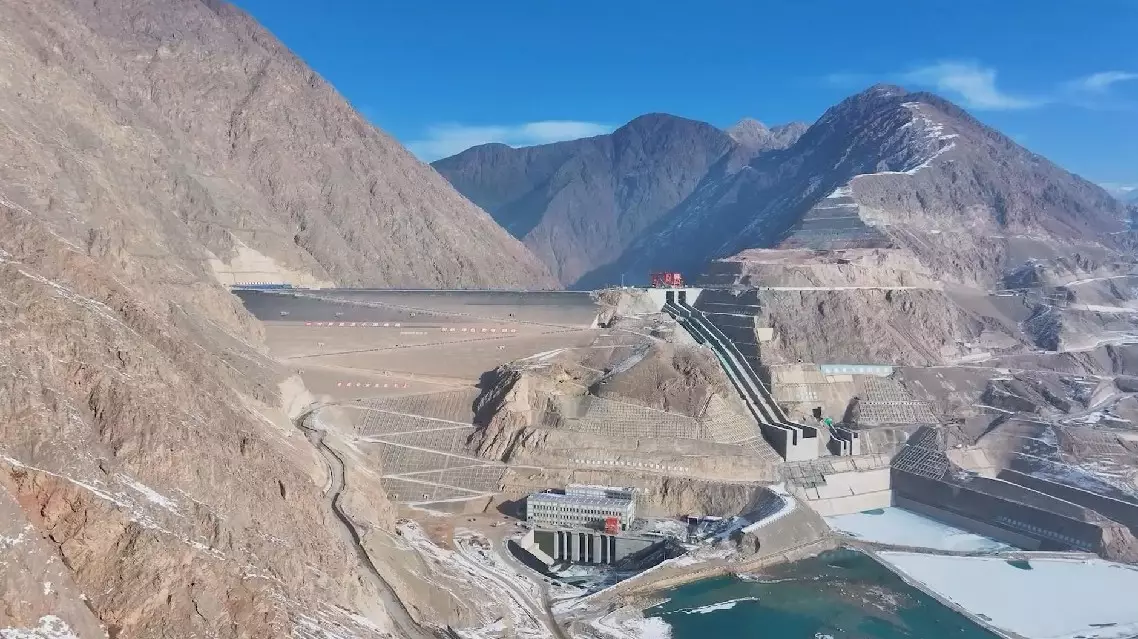
Dashixia Water Control Project in China's Xinjiang completes dam capping
Chinese President Xi Jinping on Thursday urged greater efforts and more concrete measures to strengthen basic research, enhance China's capacity for original innovation, and further solidify the foundation for building the country's strength in science and technology.
Xi, also general secretary of the Communist Party of China (CPC) Central Committee and chairman of the Central Military Commission, made the remarks while attending a symposium on strengthening basic research in Shanghai.
Several other attendees also spoke at the symposium. After hearing their remarks, Xi delivered a speech.
Xi noted that breakthroughs are accelerating in the new round of technological revolution and industrial transformation, global sci-tech competition has increasingly focused on basic and frontier areas, and the significance of original and disruptive innovation has become increasingly prominent.
Against such a backdrop, he said, China should seize opportunities, respond to challenges, and give high priority to basic research with sustained efforts, to keep generating new outcomes.
Xi emphasized the need to further define the main direction and key sectors of basic research, strengthen the leading role of national research institutions and high-level research universities, encourage and regulate the development of new types of research and development institutions, bolster enterprise-led collaboration between industries, universities, research institutes and end-users, and unclog the chain of innovation featuring basic research, application development and technology transfer.
He urged efforts to strengthen the construction of basic disciplines and promote coordinated development of applied disciplines and basic disciplines. Stressing the need to promote integrated development of education, science and technology, and talent, he called for comprehensive efforts to cultivate, attract and utilize talents in order to build a strong workforce for basic research.
Xi demanded strong support and guarantees for basic research, calling for a gradual increase in the share of basic research spending and the establishment of a diversified investment framework.
He also called for systematic development of major science and technology infrastructure facilities, and the establishment of intelligent research platform systems.
According to Xi, efforts should be made to improve the category-based evaluation system tailored to the distinctive nature of basic research, enhance working and living conditions for basic researchers, and foster an innovation environment that is open, inclusive and tolerant of failure.
He also pointed to the importance of actively integrating into the global innovation network, deepening international exchanges and cooperation in basic research, joining forces to tackle major scientific-technological challenges such as climate change, energy and the environment, and life and health, as well as actively participating in global science and technology governance.
Cai Qi, a member of the Standing Committee of the Political Bureau of the CPC Central Committee and director of the General Office of the CPC Central Committee, also attended the symposium.
Chinese Vice Premier Ding Xuexiang, also a member of the Standing Committee of the Political Bureau of the CPC Central Committee, presided over the symposium.
Ding highlighted the significance of Xi's speech in charting the course and providing fundamental guidance for strengthening basic research.
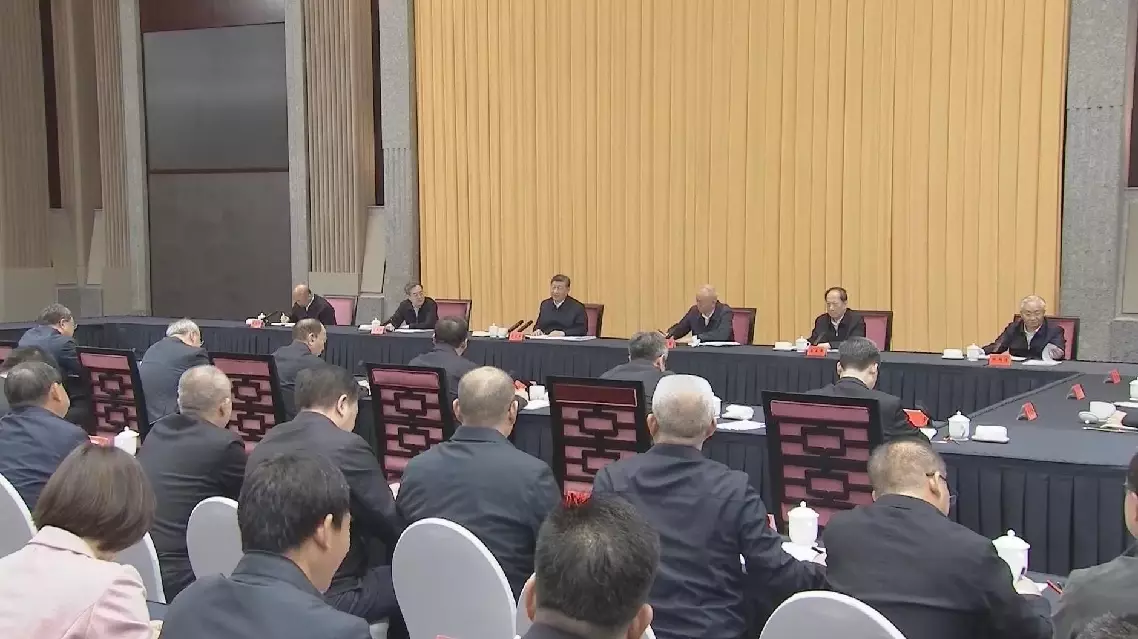
Xi stresses advancing basic research to solidify foundation for building China's strength in science, technology