Skip to Content Facebook Feature Image

Xi's domestic inspections in 2024 highlight grassroots governance, cultural heritage

China

China

China

Xi's domestic inspections in 2024 highlight grassroots governance, cultural heritage

2024-12-31 03:17 Last Updated At:12:37

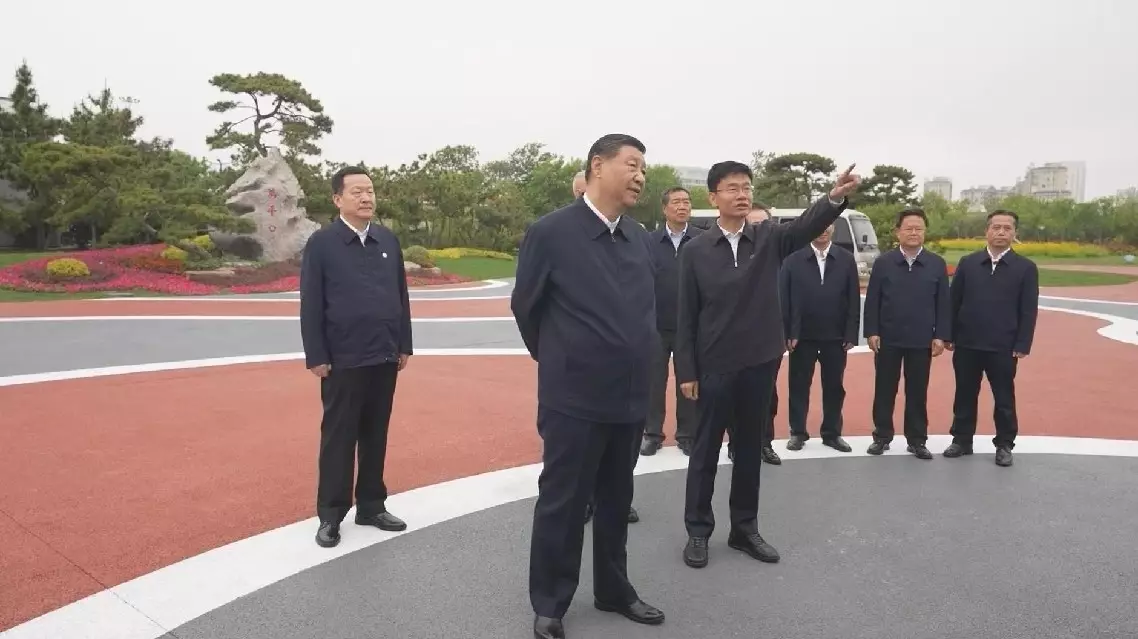
Chinese President Xi Jinping visited more than 15 cities and a special administrative region in 2024, focusing on core issues including grassroots-level governance and cultural heritage.

Xi inspected Zaolinxi Community, a community in northwest China's Gansu Province, in September for its grid-based management system.

Grid-based management is key to Chinese grassroots-level governance. It divides a certain number of households into grids, with a person who can respond to people's daily needs designated to each grid, as part of efforts to ease any dissatisfaction that could escalate into social problems.

The community has more than 5,600 households, with more than 11,000 people living there. Wang Tong is one of the staff members who shared her story with President Xi in September.

"The visit of the general secretary has further strengthened my love for this job, and this love has really strengthened my belief," she said.

Improving people's livelihood through the empowerment of innovation and technology is another key element of President Xi’s inspections in 2024.

"People's livelihood is of utmost importance in Chinese modernization. All the work of the Communist Party of China (CPC) is intended to ensure a happier life for the people," Xi said during his inspection tour of Chongqing in April, where he visited a community in the city's Jiulongpo District to learn about local efforts in renovating old residential buildings and providing handy service for the public.

In May, President Xi visited east China's Shandong province. While he was in the city of Rizhao, Xi toured the Sunshine Coast Green Lane, which focuses on the restoration of the coastline’s ecosystem.

Locals said they were deeply impressed by how much Xi cares about the well-being of the people.

"During the tour, what touched me the most is that the General Secretary, at every moment, always thinks about the people, and considers the well-being of local residents and tourists," said Liu Wenjun, director of the Wanpingkou scenic spot in Rizhao.

"A happy life comes from hard work. The great rejuvenation of the Chinese nation will definitely be realized," Xi said during the visit.

In October, President Xi visited the Six Feet Lane in Anhui province, where he highlighted the cultural importance of social harmony and peace as essential values in governance.

The Liuchi Xiang, or "Six Feet Lane" in English, is an about 2-meter-wide and 100-meter-long lane built during the reign of Emperor Kangxi in the Qing Dynasty (1644-1911).

A historic story behind the alley vividly explains the essence of tolerance and non-contention widely esteemed in Chinese culture.

"The Six Feet Lane approach is crucial in our grassroots governance. When disputes arise, people step back, take a moment and think of others. We take them to the Six Feet Lane for a walk and recite a poem, many issues will be resolved," said Qiao Lijuan, an official of the Xiyuan Community in Tongcheng.
Xi's domestic inspections in 2024 highlight grassroots governance, cultural heritage
Xi's domestic inspections in 2024 highlight grassroots governance, cultural heritage

A major port in northern Venezuela came under U.S. airstrikes in the early hours of January 3, which caused extensive damage to civilian infrastructure, destroyed critical medical supplies in a warehouse, and severely impacted centuries-old cultural heritage sites, according to local residents.

The La Guaira Port, a vital hub for imports that support daily life in the region, was heavily damaged during the attack.

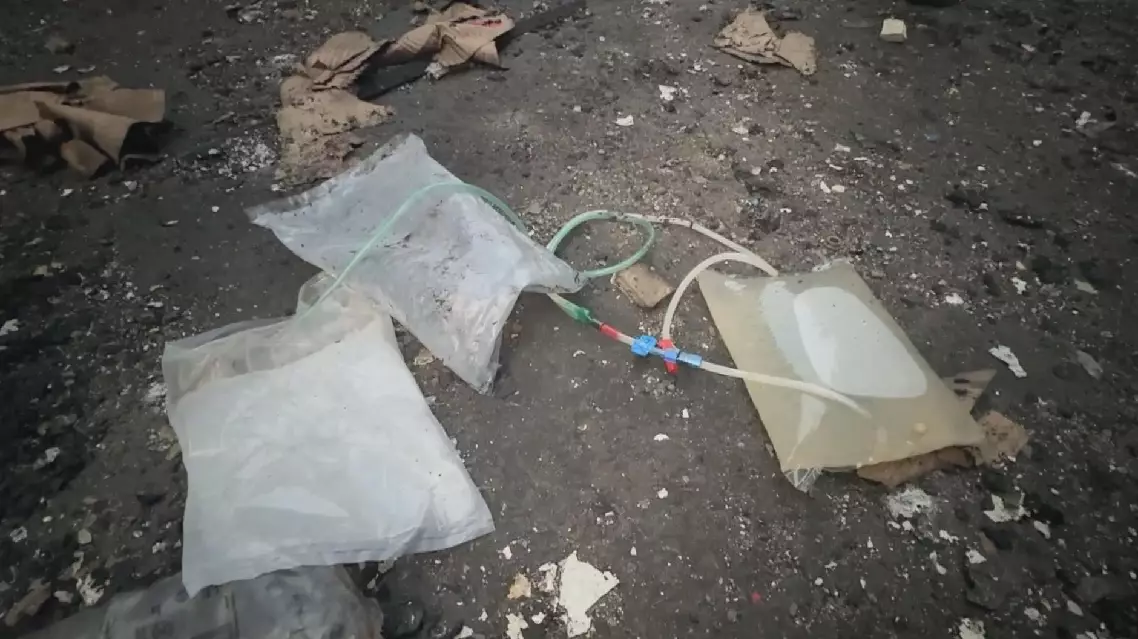
Large quantities of medical supplies stored at the port were destroyed. A historic cultural building dating back for some 300 years was also badly damaged by the bombardment.

Residents living near the port recalled the terrifying scenes as explosions shook nearby neighborhoods.

Humberto Bolivar, who lives in a community separated from the port by only a main road, said the blast waves shattered his home's windows, while stray shrapnel struck the water tank on his roof. According to reports, three missiles were fired at the port that night.

Bolivar said that beyond material losses, he is most concerned about the psychological impact on his children, who remain too frightened to leave their home days after the attack.

"The United States invaded our country. The children were frightened. This is not good for them, because it leaves some children with psychological trauma. They do not want to go to school or leave the house, because they are afraid that something worse might happen. We truly do not want this to happen to our country," he said.

Apart from civilian facilities, local cultural heritage site was also affected.

The La Guaira state government building, a structure with nearly 300 years of history and once served as the site of Venezuela's first national customs office, was struck by the force of the explosions.

Windows of the building were shattered, and furniture scattered across the floor.

"As people of La Guaira, we feel deep pain. Our cultural heritage has been bombed. We are living in constant anxiety and suffering, and life can no longer be the same as it was before," said a local named Henry Cumares.

The U.S. side has claimed the airstrikes targeted warehouses allegedly used to store narcotics. However, locals refuted such accusation.

"According to what Donald Trump said, they bombed this place using the excuse that the warehouses here were used to store drugs at the port. But based on the video released by our governor, these warehouses that were burned contained medicine for kidney patients and foods. Many people depend on these supplies to survive. I think the bombing is extremely despicable," said a local resident named Alejandro Capriles.

US strike hits Venezuelan port, wrecking medical supplies, heritage building

US strike hits Venezuelan port, wrecking medical supplies, heritage building

Recommended Articles