China's inaugural Energy Law, which came into effect on Wednesday, is expected to play a significant role in steering the country toward a sustainable and low-carbon future by introducing a range of innovative measures combining green development goals with market-oriented reforms.
The law formally establishes energy planning as a legal system, underscoring its role in shaping the sector's direction. It also elevates the importance of renewable energy, mandating the creation of green energy development targets and enshrining the renewable energy consumption guarantee mechanism into law.
According to Wan Jinsong, deputy head of the National Energy Administration (NEA), the enactment of the law represents a major step forward in promoting green and low-carbon energy systems.
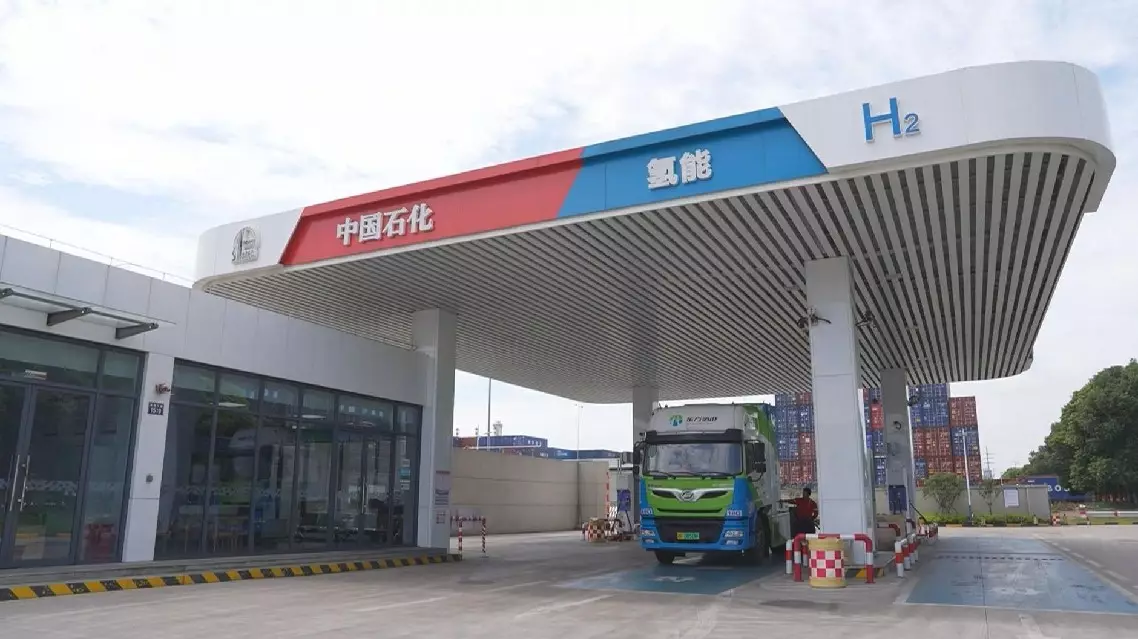
"The Energy Law requires the establishment of mechanisms to promote green energy consumption. For the first time, the law introduces a green electricity certificate system, encouraging consumers to prioritize renewable energy use. It also accelerates the formation of a mechanism to control the total amount and intensity of carbon emission, fostering green and low-carbon production and lifestyles. The law prescribes the legal status of hydrogen as an energy source. It also encourages the development of new technologies, new business models, and new formats in energy, such as smart microgrids and integrated energy services," Wan said.
Beyond its emphasis on green energy, the law lays the groundwork for a unified national energy market. It mandates the construction of integrated markets for coal, electricity, oil and natural gas, ensuring fair competition among market participants. By encouraging and supporting diverse investment in energy development and technological innovation, it aims to attract private and public capital into the sector.
"The law establishes an energy pricing mechanism determined by supply-demand dynamics and sustainability factors. It also strengthens demand-side management by improving tiered and time-of-use pricing to guide energy consumption. It will also promote independent operation of natural monopoly sectors and the market-oriented reform of competitive sectors," Wan said.
In an effort to safeguard energy security, the Energy Law introduces innovative reserve mechanisms, including capacity reserves and mineral resource reserves. Notably, it imposes a legal obligation on enterprises to maintain social responsibility reserves to ensure energy supply during extreme circumstances.
China's first energy law establishes legal framework for green transition, market reform
Iran poignantly marked the Persian Gulf National Day on Thursday with a series of commemorative events as Iranian officials stressed the country firmly opposes any actions that threaten the security of the region.
The Persian Gulf National Day is observed on the 10th day of Ordibehesht, the second month in the Iranian calendar, which this year landed on April 30.
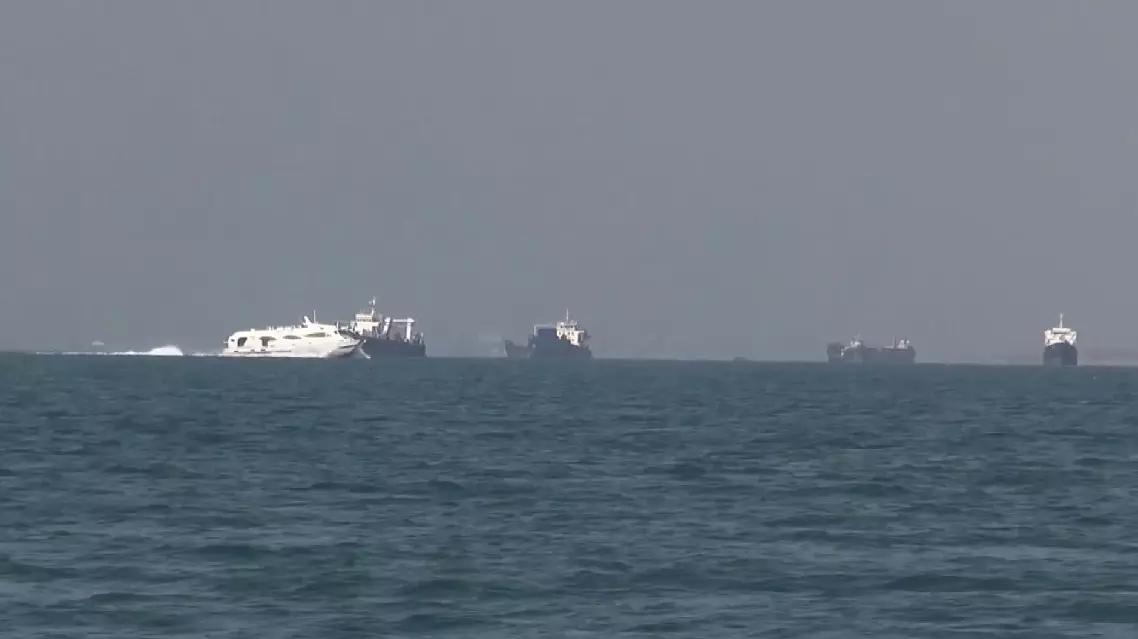
The occasion celebrates the anniversary of Iran's 17th century reclamation of the Strait of Hormuz -- a key waterway for global trade which has become a focal point in recent weeks amid the U.S.-Israeli war on Iran -- with the event marking the end of Portugal's 115-year occupation of the Persian Gulf in 1622.
Among the many events was a concert entitled "That Persian Blue," delivered by the National Music Orchestra in Tehran, a pointed performance which underscored Iran's tradition of safeguarding the strategic Strait of Hormuz waterway and resisting foreign intervention.
Officials attending the concert said the Persian Gulf is a vital corridor of Iranian civilization and a crucial avenue for trade and security. They condemned the military interventions by external forces which have caused chaos and instability in the region and stressed Iran's resolve to oppose any attempts to undermine its national security and that of the wider Gulf region.
"If there is any enlightenment that all the recent events have brought to this region, it is that countries in this region have the ability to maintain the security of the Persian Gulf, and only the people in the region have the right to maintain regional security -- no one else can do it," said Mohsen Haji-Mirzaei, the chief of staff for Iranian President Masoud Pezeshkian.
"The Iranian people have always been ready to resist invaders and any external invading forces. They trample on humanity, attack Iran, and undermine peace and friendship. The Iranian people will confront these forces with authority and unity," said the Deputy Minister of Culture for Media Affairs Mohammadreza Norouzpour.
President Pezeshkian also issued a defiant message on the same day, saying that the presence and interference of foreign forces in the region has only served to worsen tensions and undermine lasting peace, rather than improving security in the Persian Gulf.
He said that Iran, as a guardian of the Strait of Hormuz, will continue to uphold the principles of the freedom of navigation and maritime safety, except for hostile states.
Pezeshkian also stressed these principles must be based on respecting Iran's national sovereignty, adding that any insecurity in the waters should be blamed on the United States and Israel.
Iran poignantly marks Persian Gulf National Day with defiant call to resist foreign interference