A Long March-3B rocket successfully sent test satellite Shijian-25 into space Tuesday morning, marking China's first rocket launch in 2025.
The Long March-3B is China's first carrier rocket series to complete 100 launches, having served the construction of China's BeiDou Navigation Satellite System and China's lunar exploration program.
Mainly used to launch high-orbit spacecraft and satellites, the Long March-3B rockets will serve more than 10 major space missions this year, including asteroid exploration.
The Long March-3B rocket carrying the Shijian-25 test satellite blasted off at 04:00 Beijing Time from the Xichang Satellite Launch Center in southwest China's Sichuan Province, bringing the payload into the preset orbit later.
The satellite is primarily used for the verification of satellite fuel replenishment and life extension service technologies, according to the Shanghai Academy of Spaceflight Technology, the Shijian-25's developer.
The launch marked the 555th mission of the Long March series carrier rockets.
"The Tuesday launch is the first mission of China's Long March series carrier rockets in 2025. The relevant teams dedicated to this rocket model have taken more than 40 strict measures to make full-scale preparations and ensure a complete success of the launch mission," said Qin Yi, an official of China Aerospace Science and Technology Corporation.
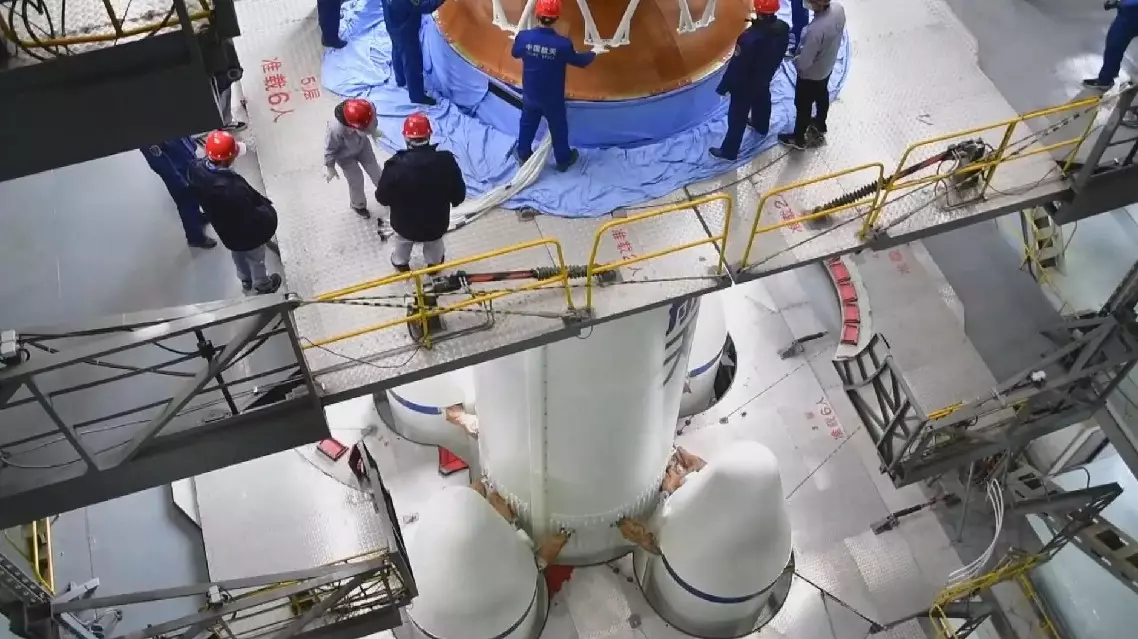
Long March-3B rocket mission marks first launch of new year
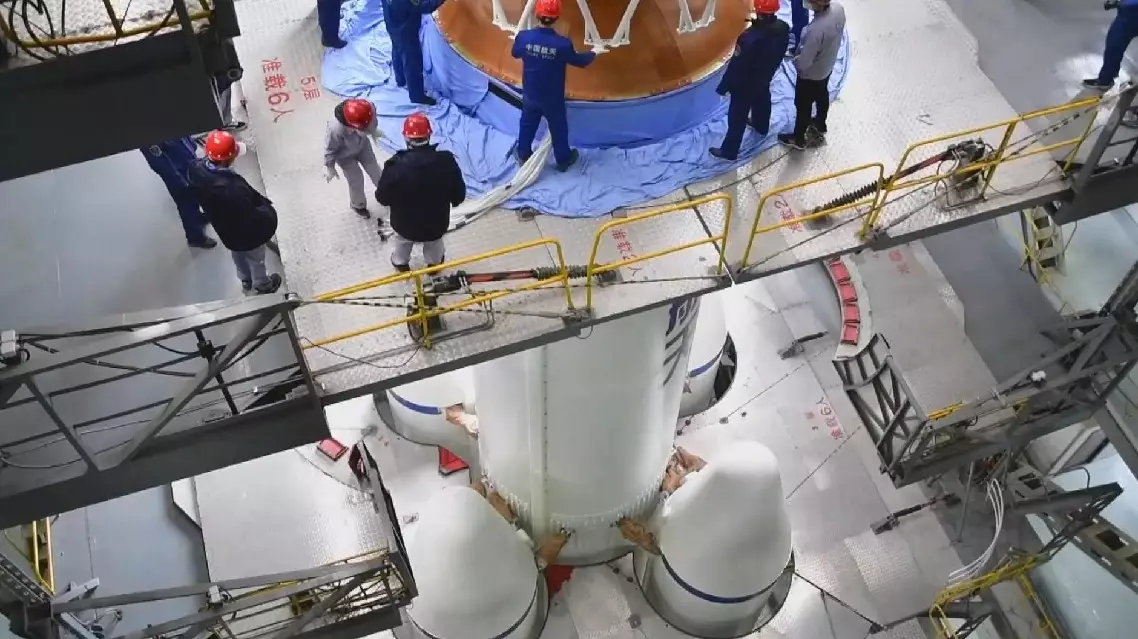
Long March-3B rocket mission marks first launch of new year
U.S. President Donald Trump said Friday that he is considering "winding down" the U.S. military strikes against Iran, claiming the United States is "getting very close to" meeting its objectives.
"We are getting very close to meeting our objectives as we consider winding down our great Military efforts in the Middle East" with respect to Iran, Trump said on Truth Social.
The objectives Trump outlined include degrading Iran's missile capabilities, destroying its defense industrial base, eliminating its navy and air force, preventing it from ever approaching nuclear capability and protecting U.S. allies across the region.
Also on Friday, Trump said that he does not want a ceasefire with Iran.
"We can have dialogue, but you know, I don't want to do a ceasefire," Trump told reporters before he departed the White House for Florida, noting "You don't do a ceasefire when you're literally obliterating the other side."
"U.S. government says one thing, reality says another," Iranian Foreign Minister Seyed Abbas Araghchi said Friday on X, questioning White House's repeated claims that Iran's air defenses and Navy have been destroyed.
Trump on Truth Social also said that the Strait of Hormuz, a crucial global energy waterway, should be secured by the countries that rely on it and Washington would assist if asked.
"The Hormuz Strait will have to be guarded and policed, as necessary, by other Nations who use it -- The United States does not! If asked, we will help these Countries in their Hormuz efforts, but it shouldn't be necessary once Iran's threat is eradicated," Trump added.
The United States and Israel launched joint military strikes on Iran on Feb 28, disrupting global shipping, sending oil prices soaring and shaking the global economy.
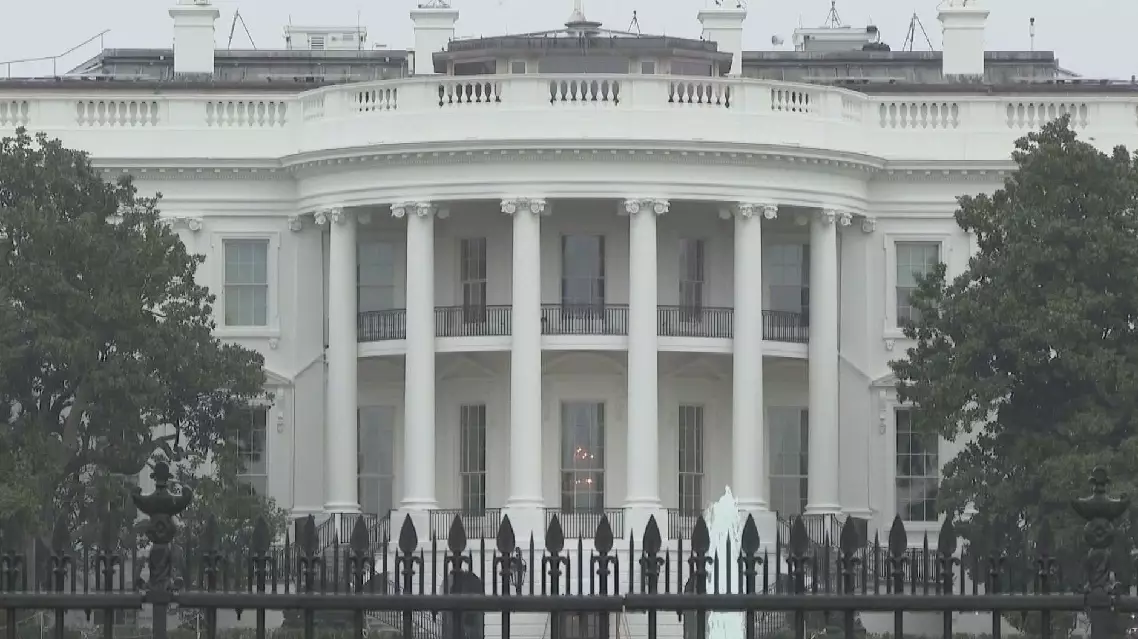
Trump says considering "winding down" strikes on Iran