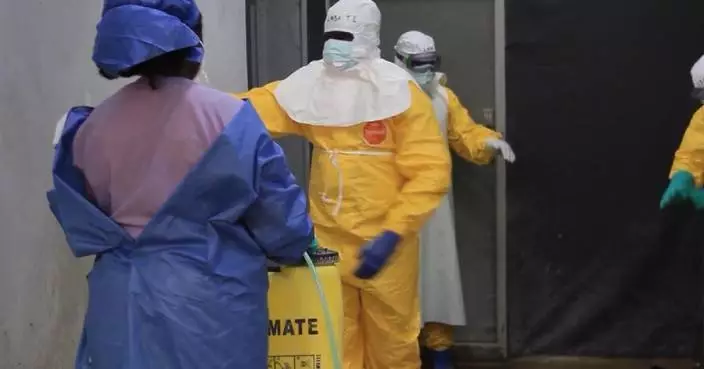
In the face of surging dengue cases, 21 cities in the state of Sao Paulo in Brazil have declared a state of emergency, the state health authorities said on Friday.
As of Friday, Sao Paulo had registered 4,340 confirmed dengue cases and 30 related deaths in the current round of dengue fever outbreak.
Dengue is a viral infection transmitted to humans through the bite of infected mosquitoes. About half of the world's population is now at risk of dengue with an estimated 100 to 400 million infections occurring each year. Dengue is found in tropical and sub-tropical climates worldwide, mostly in urban and semi-urban areas.
The Brazilian Ministry of Health announced on Thursday to establish an emergency operations center to address dengue and other arboviruses in Sao Paulo to expand monitoring on arboviruses and strengthen epidemiological, and nursing surveillance, as well as vector control.
Arboviruses are disease-causing viruses transmitted through the bite of hematophagous arthropods, such as mosquitoes and ticks.
Sao Paolo has initiated a national emergency response to curb the spread of dengue, chikungunya and zika.
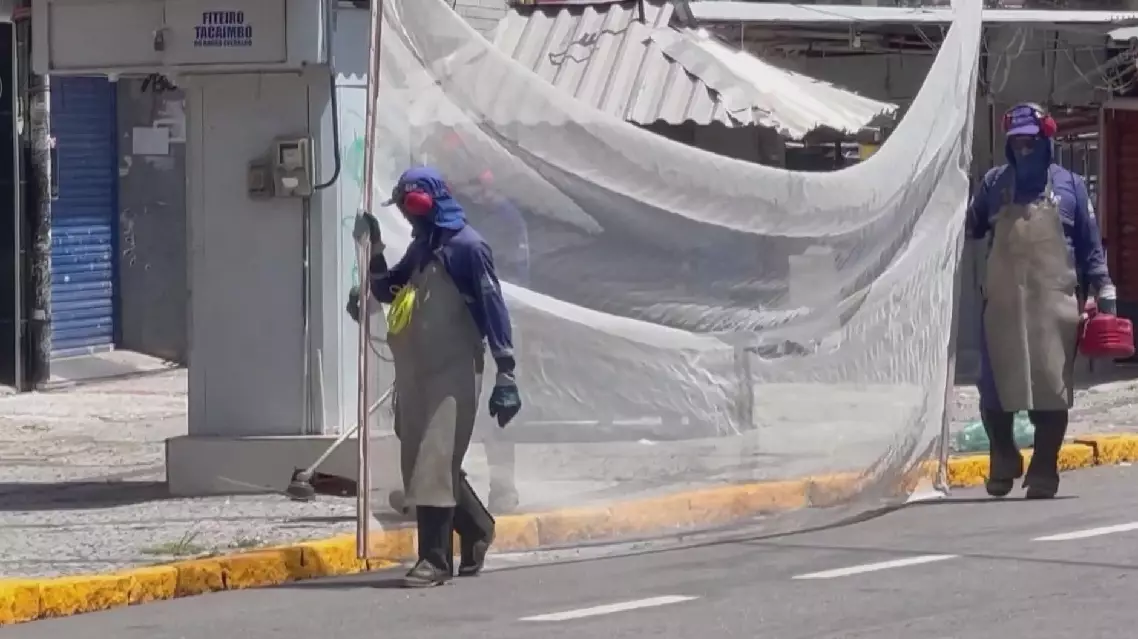
Dozens of Brazilian cities in health emergency due to surge in dengue cases

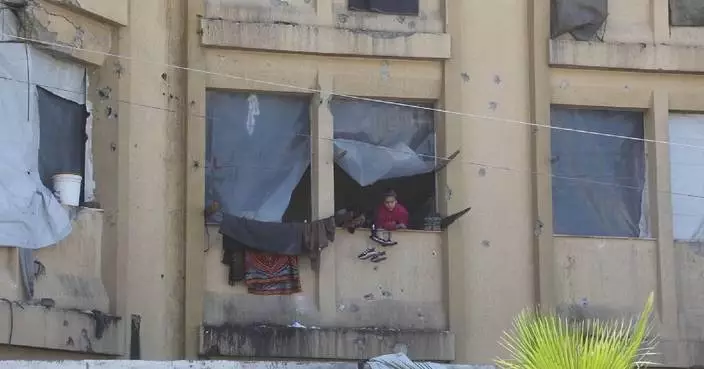
Iranian President Masoud Pezeshkian on Wednesday condemned U.S.-Israeli attacks on Iranian civil facilities including schools and hospitals as unjustifiable under international law and humanitarian principles.
Iran does not seek war and instability and always insists on dialogue and constructive engagement with other countries, Pezeshkian said in a meeting with a group of medical staff in Tehran.
Pezeshkian condemned the U.S.-Israeli war against Iran, saying Iran had committed no crime.
"When they [the United States and Iran] attack schools, and maternity wards in hospitals, they don't respect any humanitarian principles. It's shameful and the world needs to see this. They claim we are terrorists, but they are the real terrorists who massacre anyone, anywhere, anytime they want. Now they stand on the stage and talk about human rights. It's shameful," he said.
Pezeshkian stated that the unity and cohesion of the Iranian people had thwarted enemy plots. He also praised the professionalism shown by the Iranian Red Crescent Society during the war.
The 40-day U.S.-Israeli attacks on Iran, starting Feb 28, killed Iran's then Supreme Leader Ali Khamenei, along with senior military commanders and more than 3,000 civilians. Iran responded with waves of missile and drone strikes targeting Israel and U.S. assets in the Middle East.
A two-week ceasefire between Iran and the United States took effect on April 8. Lengthy talks between Iranian and U.S. delegations were later held in Pakistan's Islamabad, but failed to produce an agreement.
Attacks targeting civil facilities unjustifiable under international law: Iranian president