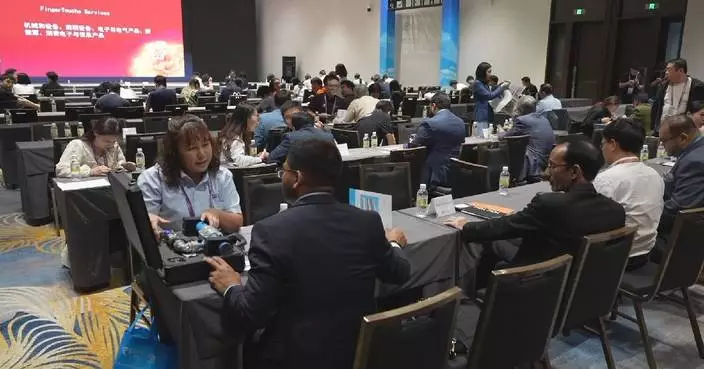
A National Commerce Work Conference was held in Beijing this weekend to outline plans for 2025, emphasizing eight key perspectives including expanding cross-border commerce and trade-in programs.
First, a special campaign dedicated to stimulating consumption will be implemented, and consumer goods trade-in programs will be promoted with greater intensity and scope.
China will innovate and diversify consumption scenarios, expand service consumption, foster digital consumption, accelerate the development of a high-standard market system, and enhance the modern commercial circulation system.
Second, efforts will be intensified to ensure stable performance in foreign trade, and high-quality development of trade will be pursued.
China will foster new drivers of foreign trade, expand cross-border e-commerce, develop green trade, and advance digital trade. Multiple measures will be applied to support enterprises in exploring diverse international markets. China will actively expand imports. Additionally, China will adopt innovative measures to boost trade in services and develop digital trade.
Third, foreign investment will be stabilized while seeking further growth, and a first-rate business environment will be fostered.
China will expand voluntary and unilateral opening up in an orderly manner, continue to make China a favored destination for foreign investment, leverage national economic development zones as key investment hubs, and strengthen service support for foreign-invested enterprises.
Forth, the initiative to align with high-standard international trade rules will be taken, and high-standard opening-up platform will be built.
China will improve the quality and efficiency of pilot free trade zones and expand mandate for reform tasks, optimize the function of opening-up platforms, and elevate the quality and efficiency of exhibitions.
Fifth, international cooperation in industrial and supply chains will be facilitated, and the quality and level of foreign investment and cooperation will be enhanced.
China will deepen the reform of the foreign investment management system and improve the overseas comprehensive service system.
Sixth, pragmatic economic and trade cooperation will be strengthened, and more progress will be made in high-quality Belt and Road cooperation.
China will improve the economic and trade cooperation mechanism, deepen Silk Road e-commerce collaboration, coordinate the promotion of landmark projects alongside "small and beautiful" livelihood projects, and align cooperation in both traditional and emerging sectors.
Seventh, active participation in global economic governance will be fostered, and multilateral and bilateral regional economic and trade cooperation will be enhanced.
China will comprehensively engage in WTO reforms, expand the global network of high-standard free trade zones (FTZs), and strengthen bilateral economic and trade relations.
Eighth, major risks will be prevented and defused, and measures will be taken to resolutely safeguard national security.
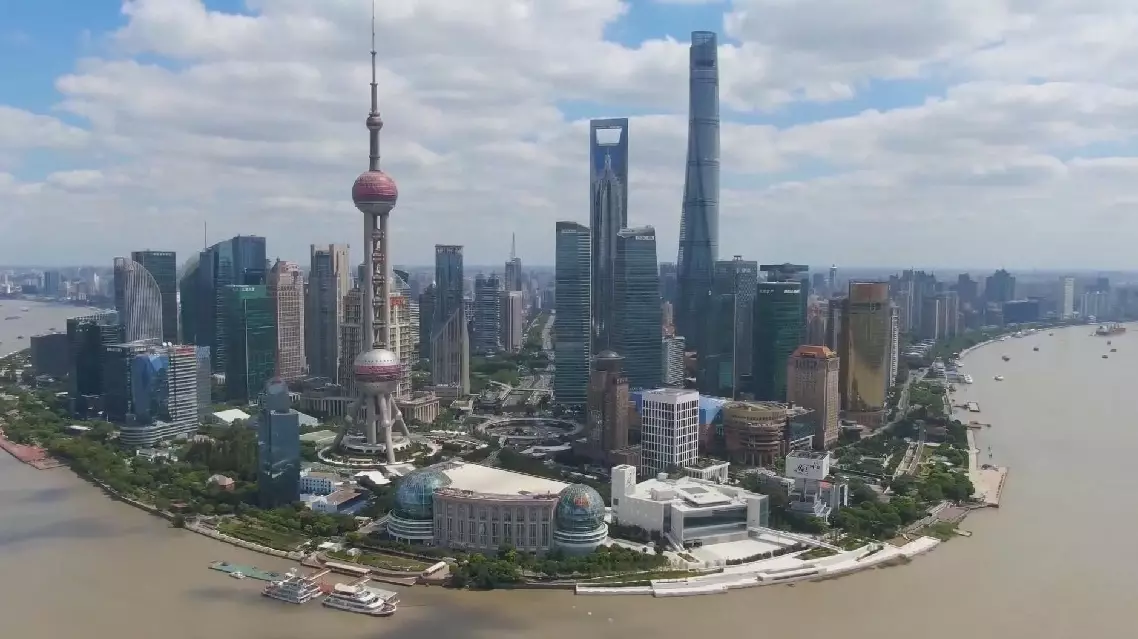
China holds commerce work conference to make plans for 2025