NEW ORLEANS (AP) — The New Orleans Police Department can begin ending its longstanding federal oversight, a judge ruled Tuesday in response to a request from the city and the Justice Department to wind down the monitoring program.
U.S. District Judge Susie Morgan said the police department has transformed itself into a more transparent and accountable agency, even though work remains to be done over the next two years while the program is ended.
“The court is tremendously proud of the achievements the NOPD has made,” Morgan said during a hearing. “The hard work of the civilian and sworn members of the NOPD paid off. The NOPD is a far different agency from the one that spawned the DOJ investigation in 2011.”
The city filed a last-minute motion asking to end federal oversight immediately, but Morgan rejected it, describing it as unnecessary “political gamesmanship.”
“The city cannot have it both ways,” she said.
In 2013, the City of New Orleans agreed to what it called “the nation’s most expansive” federal oversight plan after a U.S. Justice Department investigation found evidence of racial bias, misconduct and a culture of impunity. The department had long engaged in mistreatment of the city’s Black community and been plagued by high-profile scandals including a 1994 murder ordered by a corrupt officer and an attempt to cover-up police killings of unarmed civilians in the aftermath of Hurricane Katrina.
Although critics say the police department hasn't done enough to change the department and restore the public's trust, Police Superintendent Anne Kirkpatrick told Morgan during a Monday hearing that the NOPD has established a “new culture.”
In the years since oversight started, the department has created a framework of audits and data analysis, increased transparency by revising and publishing online training materials and policies, and enhanced efforts to cut down on longtime issues such as payroll fraud, police officials said.
“This is the way we do business nowadays,” Deputy Superintendent Nicholas Gernon told the judge Monday.
Morgan praised the department for its transformation but reminded the city that more work remains.
“One thing you want is to put these procedures in place in a way that you don’t slip, you don’t backslide. That’s why all the safeguards you put in place matter," Morgan said Monday. "And that’s why it’s important, I think, to have the involvement of the monitors and the DOJ (Department of Justice) and the court, until everyone’s sure all the policies are in place and that they’ll survive changes in leadership and changes in officers.”
During a public comment period, advocacy groups and watchdogs raised a host of concerns that police officials say they are trying to address.
An initiative to establish community advisory boards to meet with and provide recommendations to the police has by almost all accounts languished, though the city appointed a full-time staffer in December to try and revive these groups in the coming months.
Detectives still struggle to handle high sex crime caseloads, leading to far fewer getting solved than the national average. In the past three weeks, NOPD officials say they assigned eight more detectives to work on these cases, bringing the total number of officers from 17 to 25.
And in a city that's just over 50% Black, nearly 90% of police uses of force targeted Black people last year, the city’s Office of the Independent Police Monitor reported. A court-appointed federal monitors reviewed the NOPD's use of force and concluded there was no evidence of bias based on Justice Department analysis. The NOPD also plans to hire Sigma Squared, a bias consulting firm co-founded by Harvard University economist Roland Fryer, to improve its analysis of potential bias in its policing. Fryer did not respond to a request for comment.
“It's a demonstration that we're going above and beyond minimum requirements,” Gernon told the judge Monday.
But Antonia Mar, an organizer with the advocacy group New Orleans for Community Oversight of Police, said she felt as if federal and NOPD officials had largely “shrugged their shoulders at community input” following hundreds of pages of public comments — mostly critical of the NOPD — and testimony submitted to the court in the past several months. Mar and other police reform advocates said they felt as if the NOPD was rushing to make long overdue changes at the last minute.
The city also revived an old motion Friday asking Morgan to end federal oversight immediately. But she rejected it. Instead, the judge said she was sticking to the joint motion by the city and Justice Department that requested she grant a two-year “sustainment period” to allow time for the NOPD to fix outstanding problems and demonstrate that existing reforms remained in place.
More improvements are needed before the city can fully exit federal oversight, Jonas Geissler, a Justice Department attorney, told Morgan on Monday. The Justice Department will continue to review audits, policies and data throughout the sustainment period, he said.
“The object here is not perfection, the object here is constitutional policing with a durable remedy,” Geissler said. “Let us not make perfection be the enemy of good and let us not settle for less than good.”
Brook is a corps member for The Associated Press/Report for America Statehouse News Initiative. Report for America is a nonprofit national service program that places journalists in local newsrooms to report on undercovered issues. Follow Brook on X: @jack_brook96
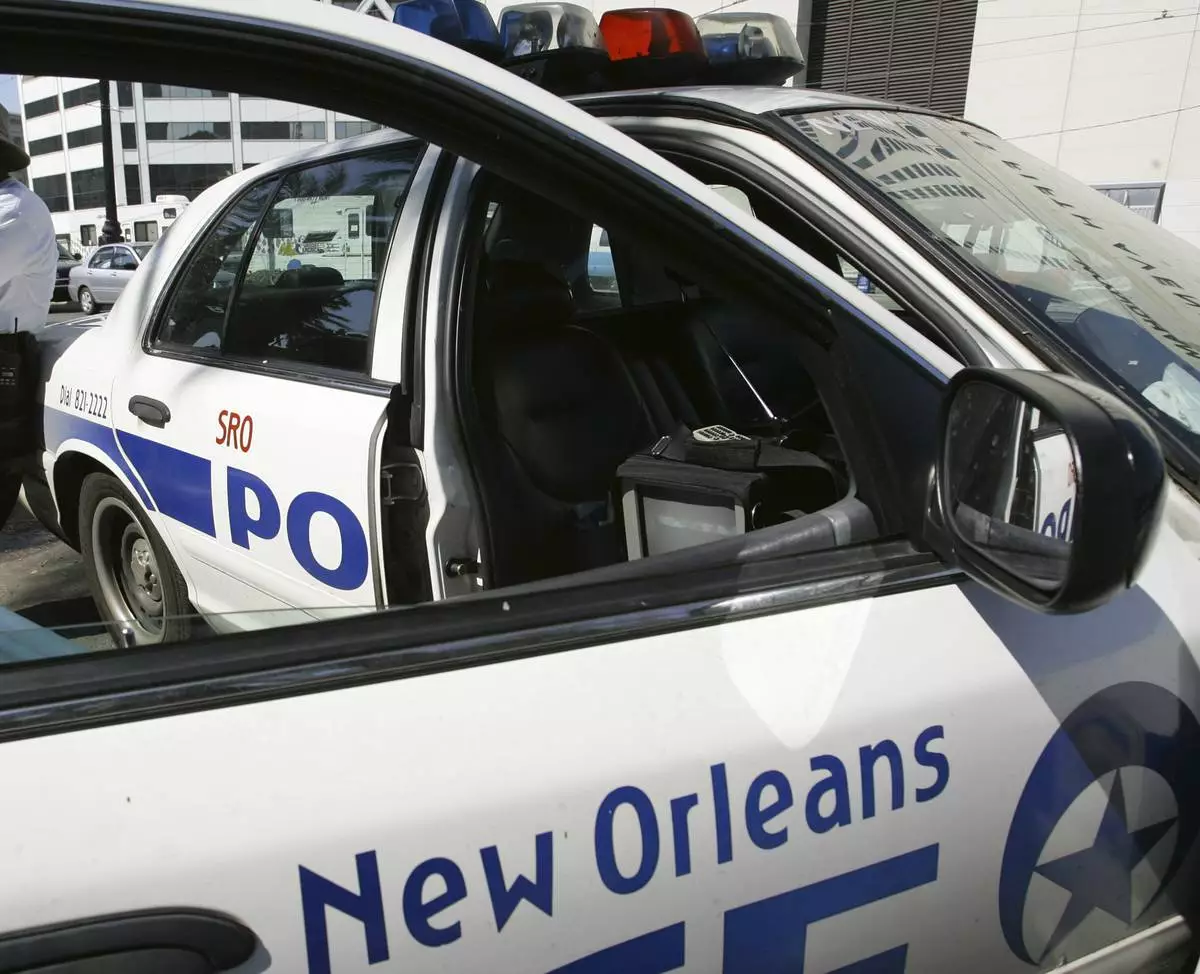
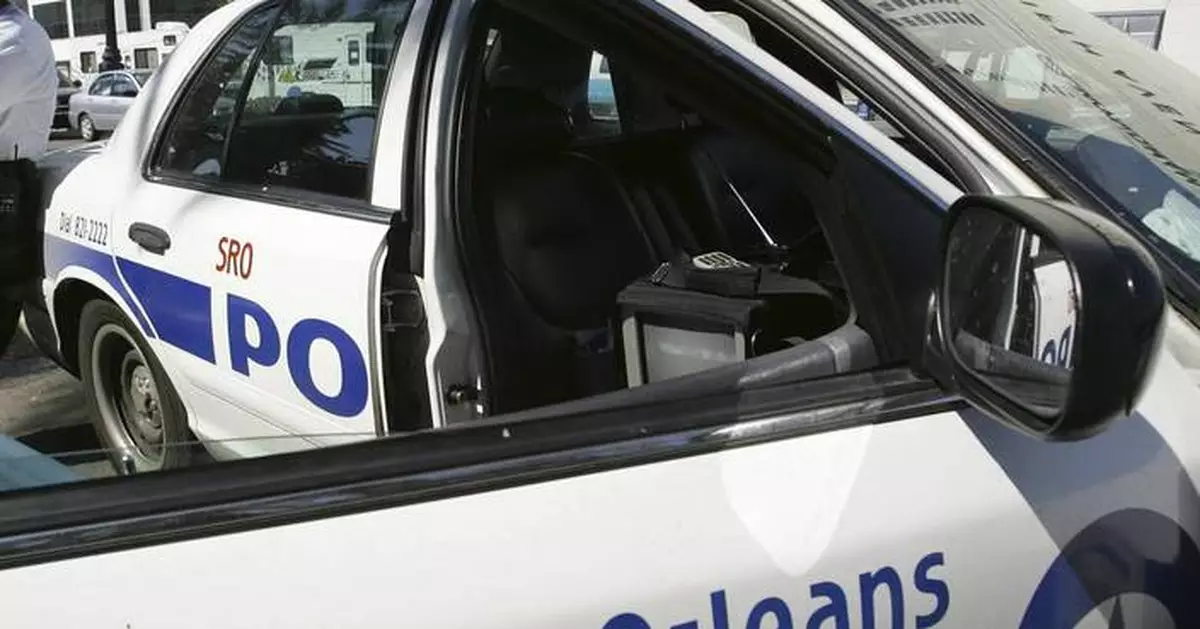
FILE - A New Orleans police officer leans against a patrol car, Sept. 11, 2005. (AP Photo/Anja Niedringhaus, file)
Protesters confronted federal officers in Minneapolis on Thursday, a day after a woman was fatally shot by an Immigration and Customs Enforcement officer.
The demonstrations came amid heightened tensions after President Donald Trump's administration dispatched 2,000 officers and agents to Minnesota for its latest immigration crackdown.
Across the country, another city was reeling after federal immigration officers shot and wounded two people in a vehicle outside a hospital in Portland, Oregon.
The killing of 37-year-old Renee Good in Minneapolis on Wednesday set off a clash between federal and state officials over whether the shooting appeared justified and whether a Minnesota law enforcement agency had jurisdiction to investigate.
Here's what is known about the shooting:
The woman was shot in her SUV in a residential neighborhood south of downtown Minneapolis, about a mile (1.6 kilometers) from where police killed George Floyd in 2020. Videos taken by bystanders and posted online show an officer approaching a vehicle stopped in the middle of the road, demanding the driver open the door and grabbing the handle.
The Honda Pilot begins to pull forward and a different ICE officer standing in front of the vehicle draws his gun and immediately fires at least two shots at close range, jumping back as the vehicle moves toward him.
It is not clear from the videos if the officer gets struck by the SUV, which speeds into two cars parked on a curb before stopping.
It’s also not clear what happened in the lead-up to the shooting.
Homeland Security Secretary Kristi Noem said the SUV was part of a group of protesters that had been harassing agents and “impeding operations” that morning. She said agents had freed one of their vehicles that was stuck in snow and were leaving the area when the confrontation and shooting occurred.
No video has emerged to corroborate Noem’s account. Bystander video from the shooting scene shows a sobbing woman who says the person shot was her wife. That woman hasn’t spoken publicly to give her version of events.
Good died of gunshot wounds to the head.
A U.S. citizen born in Colorado, Good described herself on social media as a “poet and writer and wife and mom." Her ex-husband said Good had just dropped off her 6-year-old son at school Wednesday and was driving home when she encountered ICE agents on a residential street.
He said Good and her current partner moved to Minneapolis last year from Kansas City, Missouri.
Good's killing is at least the fifth death to result from the aggressive U.S. immigration crackdown the Trump administration launched last year.
Noem said Thursday that there would be a federal investigation into the shooting, though she again called the woman’s actions “domestic terrorism.”
“This vehicle was used to hit this officer,” Noem said. “It was used as a weapon, and the officer feels as though his life was in jeopardy.”
Vice President JD Vance said the shooting was justified and referred to Good's death as “a tragedy of her own making.”
Minneapolis Police Chief Brian O’Hara gave no indication that the driver was trying to harm anyone when he described the shooting to reporters Wednesday. Minneapolis Mayor Jacob Frey said he had watched videos of the shooting that show it was avoidable.
The agent who shot Good is an Iraq War veteran who has served for nearly two decades in the Border Patrol and U.S. Immigration and Customs Enforcement, according to records obtained by The Associated Press.
Jonathan Ross has been a deportation officer with ICE since 2015, records show. He was seriously injured this summer when he was dragged by the vehicle of a fleeing suspect whom he shot with a stun gun.
Federal officials have not named the officer. But Noem said he was dragged by a vehicle in June, and a department spokesperson confirmed Noem was referring to the Bloomington, Minnesota, case in which documents identified the injured officer as Ross.
Court documents say Ross got his arm stuck in the window as a driver fled arrest in that incident. Ross was dragged 100 yards (91 meters), and cuts to his arm required 50 stitches.
According to police, officers initially responded to a report of a shooting outside a hospital Thursday afternoon.
Minutes later police heard that a man who had been shot was asking for help in a residential area a couple of miles away. Officers went there and found a man and a woman with gunshot wounds. Officers determined they were wounded in a shooting with federal agents.
Police Chief Bob Day said the FBI was leading the investigation and he had no details about events that led to the shooting.
The Department of Homeland Security said the vehicle’s passenger was “a Venezuelan illegal alien affiliated with the transnational Tren de Aragua prostitution ring” who was involved in a recent shooting. When agents identified themselves to the occupants during a “targeted vehicle stop,” the driver tried to run them over, the department said. An agent fired in self-defense, it said.
There was no immediate independent corroboration of that account or of any gang affiliation of the vehicle’s occupants.
Trump and his allies have consistently blamed Tren de Aragua for being at the root of violence and illicit drug dealing in some U.S. cities.
Drew Evans, head of Minnesota Bureau of Criminal Apprehension, said Thursday that federal authorities have denied the state agency access to evidence in the Good case, barring the state from investigating the shooting alongside the FBI.
Minnesota Gov. Tim Walz demanded that state investigators be given a role, telling reporters that residents would otherwise have a difficulty accepting the findings of federal law enforcement.
“And I say that only because people in positions of power have already passed judgment from the president to the vice president to Kristi Noem,” Walz said.
Noem denied that Minnesota authorities were being shut out, saying: “They don’t have any jurisdiction in this investigation.”
Dozens of protesters gathered Thursday morning outside a Minneapolis federal building being used as a base for the immigration crackdown. Border Patrol officers fired tear gas and doused demonstrators with pepper spray to push them back from the gate.
Area schools were closed as a safety precaution.
Protests were also planned across the U.S. in cities including New York, New Orleans and Seattle.
Associated Press writer Audrey McAvoy contributed.
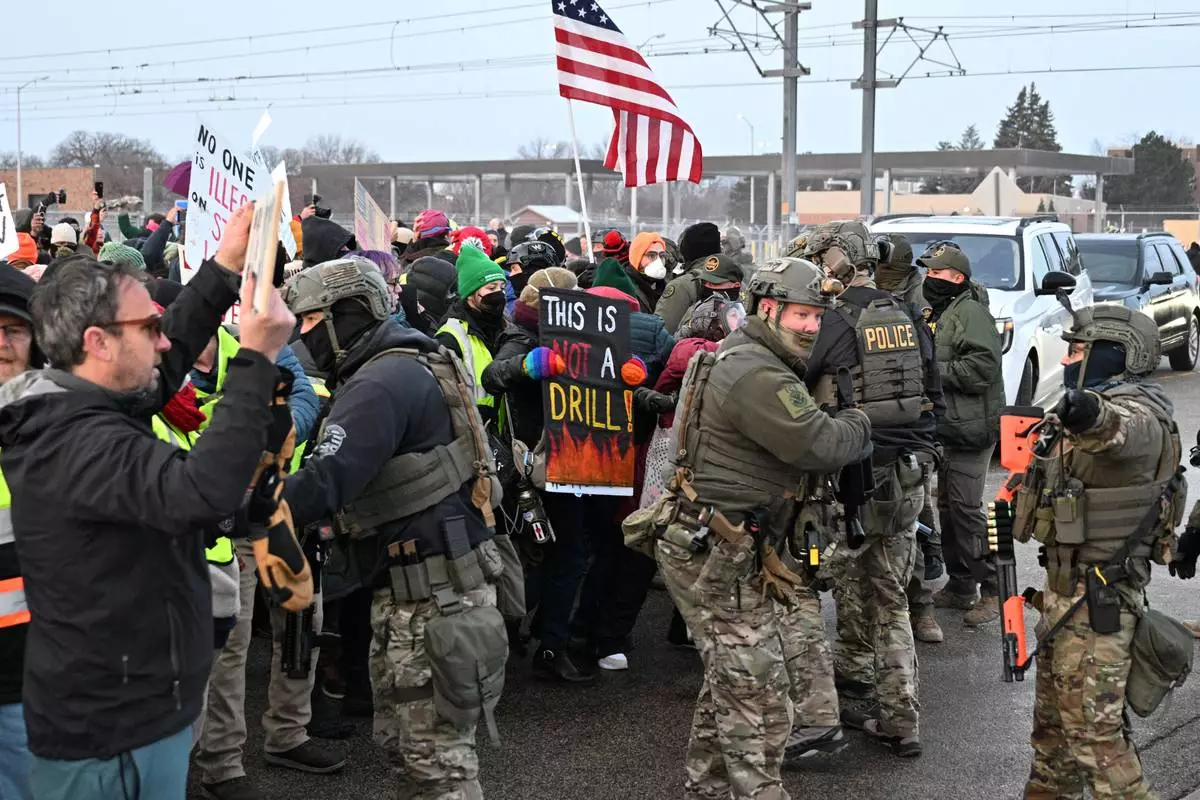
Protesters confront federal agents outside the Bishop Henry Whipple Federal Building, Thursday, Jan. 8, 2026, in Minneapolis, Minn. (AP Photo/Tom Baker)
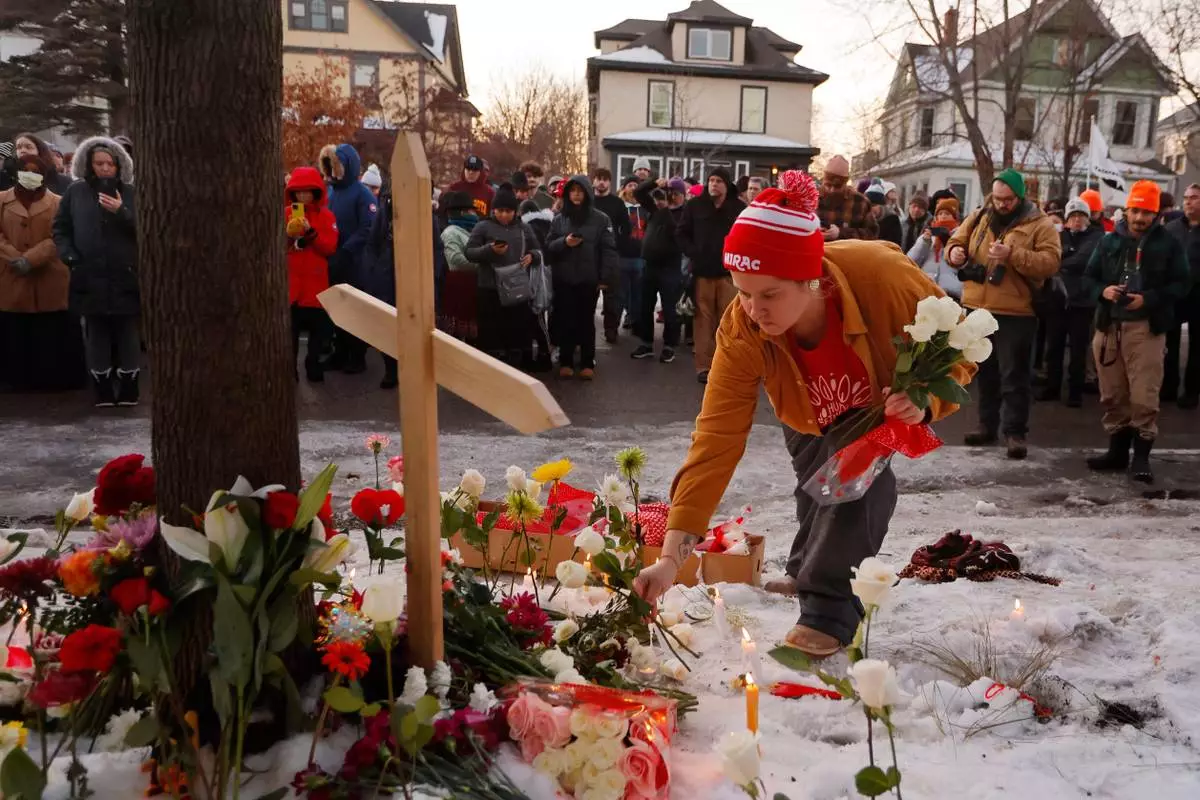
People gather for a vigil after an Immigration and Customs Enforcement officer shot and killed a motorist earlier in the day, Wednesday, Jan. 7, 2026, in Minneapolis. (AP Photo/Bruce Kluckhohn)
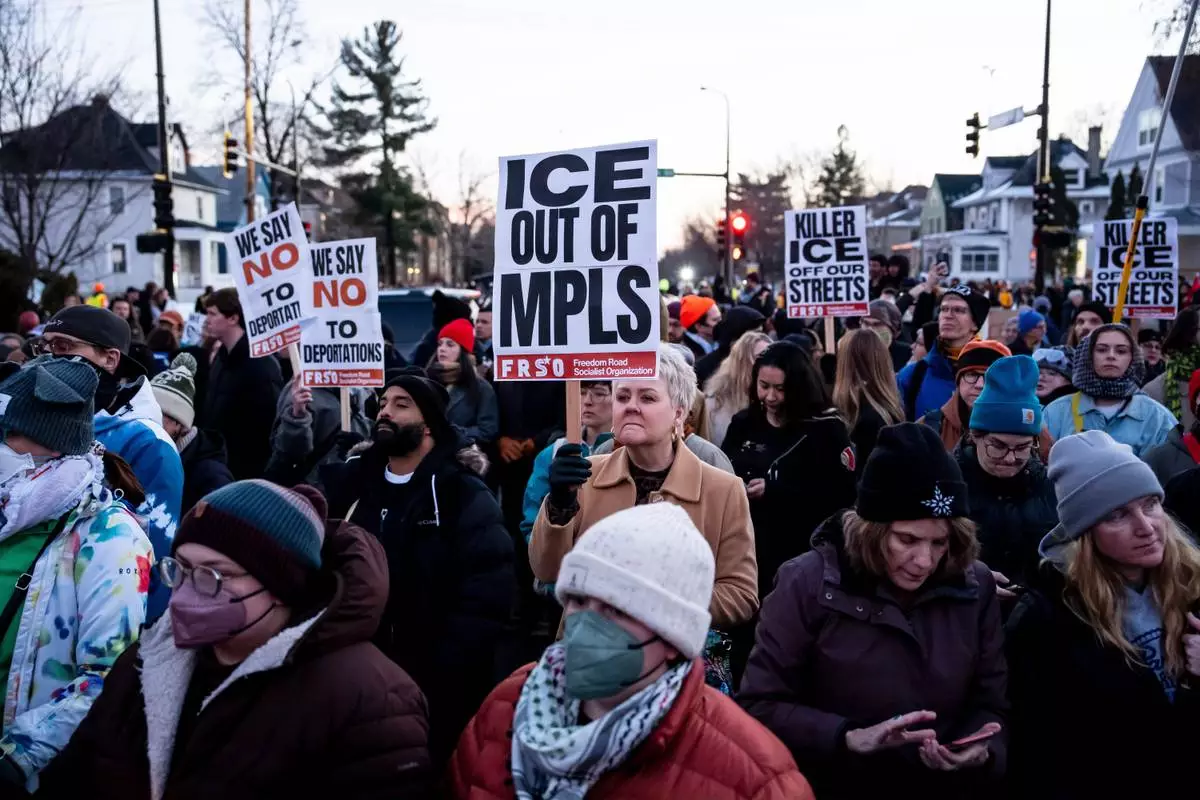
People participate in a protest and vigil after an Immigration and Customs Enforcement officer shot and killed a woman in Minneapolis, on Wednesday, Jan. 7, 2026. (Christopher Katsarov/The Canadian Press via AP)