Skip to Content Facebook Feature Image

Jeff Bezos’ New Glenn rocket reaches orbit on first test flight

News

Jeff Bezos’ New Glenn rocket reaches orbit on first test flight
News

News

Jeff Bezos’ New Glenn rocket reaches orbit on first test flight

2025-01-17 01:56 Last Updated At:02:00

CAPE CANAVERAL, Fla. (AP) — Blue Origin launched its massive new rocket on its first test flight Thursday, sending up a prototype satellite to orbit thousands of miles above Earth.

Named after the first American to orbit Earth, the New Glenn rocket blasted off from Florida, soaring from the same pad used to launch NASA's Mariner and Pioneer spacecraft a half-century ago.

More Images
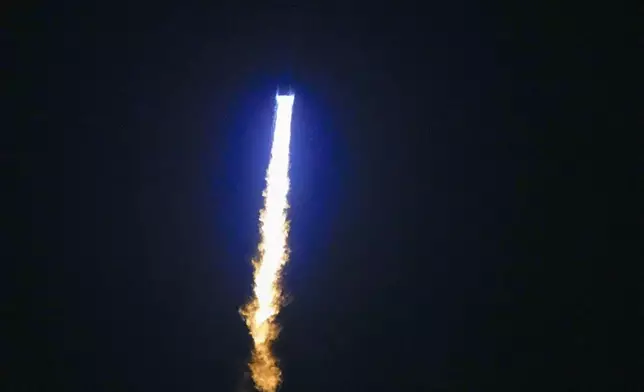
Blue Origin's New Glenn rocket lifts off from Launch Complex 36 at the Cape Canaveral Space Force Station, Thursday, Jan. 16, 2025, in Cape Canaveral, Fla. (AP Photo/John Raoux)
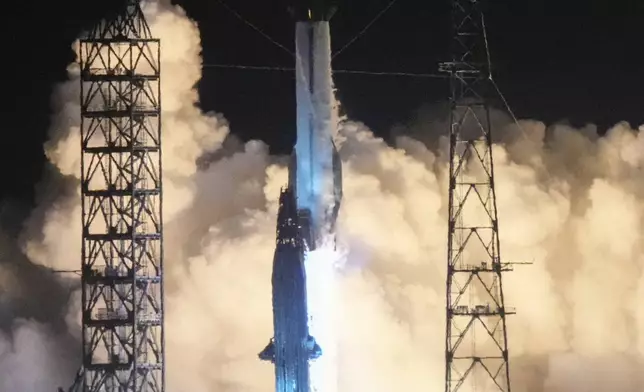
Blue Origin's New Glenn rocket lifts off from Launch Complex 36 at the Cape Canaveral Space Force Station, Thursday, Jan. 16, 2025, in Cape Canaveral, Fla. (AP Photo/John Raoux)
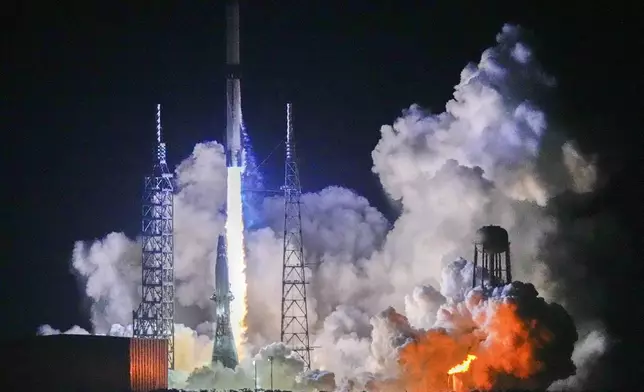
Blue Origin's New Glenn rocket lifts off from Launch Complex 36 at the Cape Canaveral Space Force Station, Thursday, Jan. 16, 2025, in Cape Canaveral, Fla. (AP Photo/John Raoux)
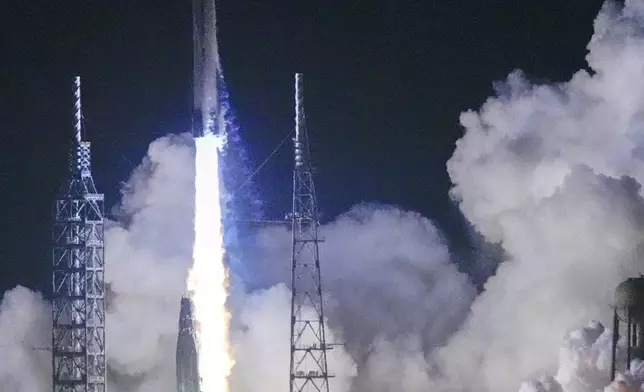
Blue Origin's New Glenn rocket lifts off from Launch Complex 36 at the Cape Canaveral Space Force Station, Thursday, Jan. 16, 2025, in Cape Canaveral, Fla. (AP Photo/John Raoux)
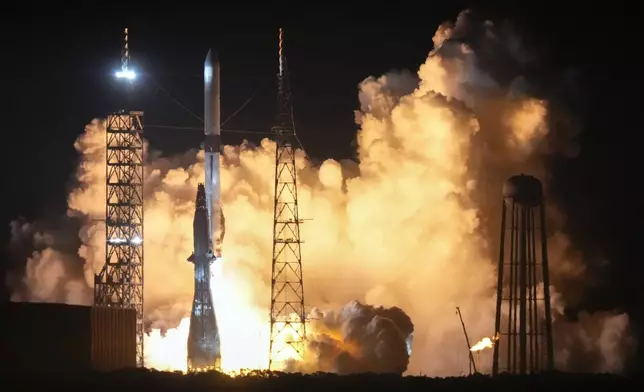
Blue Origin's New Glenn rocket lifts off from Launch Complex 36 at the Cape Canaveral Space Force Station, Thursday, Jan. 16, 2025, in Cape Canaveral, Fla. (AP Photo/John Raoux)
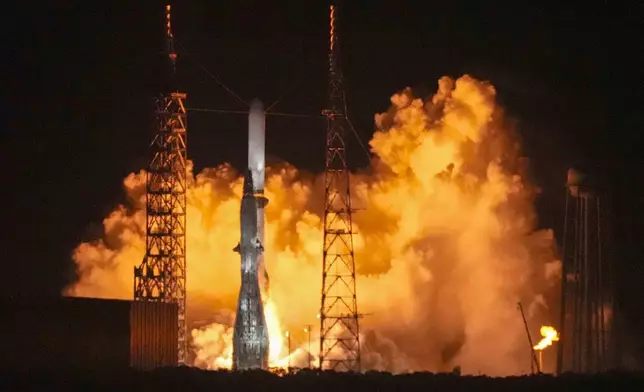
Blue Origin's New Glenn rocket lifts off from Launch Complex 36 at the Cape Canaveral Space Force Station, Thursday, Jan. 16, 2025, in Cape Canaveral, Fla. (AP Photo/John Raoux)
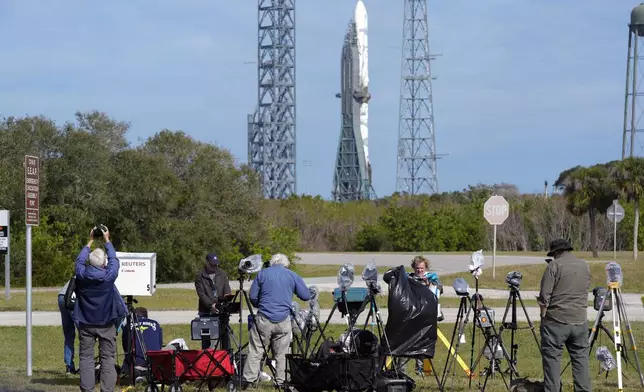
Blue Origin's New Glenn rocket lifts off from Launch Complex 36 at the Cape Canaveral Space Force Station, Thursday, Jan. 16, 2025, in Cape Canaveral, Fla. (AP Photo/John Raoux)

Blue Origin's New Glenn rocket lifts off from Launch Complex 36 at the Cape Canaveral Space Force Station, Thursday, Jan. 16, 2025, in Cape Canaveral, Fla. (AP Photo/John Raoux)

Blue Origin's New Glenn rocket lifts off from Launch Complex 36 at the Cape Canaveral Space Force Station, Thursday, Jan. 16, 2025, in Cape Canaveral, Fla. (AP Photo/John Raoux)

Blue Origin's New Glenn rocket lifts off from Launch Complex 36 at the Cape Canaveral Space Force Station, Thursday, Jan. 16, 2025, in Cape Canaveral, Fla. (AP Photo/John Raoux)

Blue Origin's New Glenn rocket lifts off from Launch Complex 36 at the Cape Canaveral Space Force Station, Thursday, Jan. 16, 2025, in Cape Canaveral, Fla. (AP Photo/John Raoux)

Blue Origin's New Glenn rocket lifts off from Launch Complex 36 at the Cape Canaveral Space Force Station, Thursday, Jan. 16, 2025, in Cape Canaveral, Fla. (AP Photo/John Raoux)

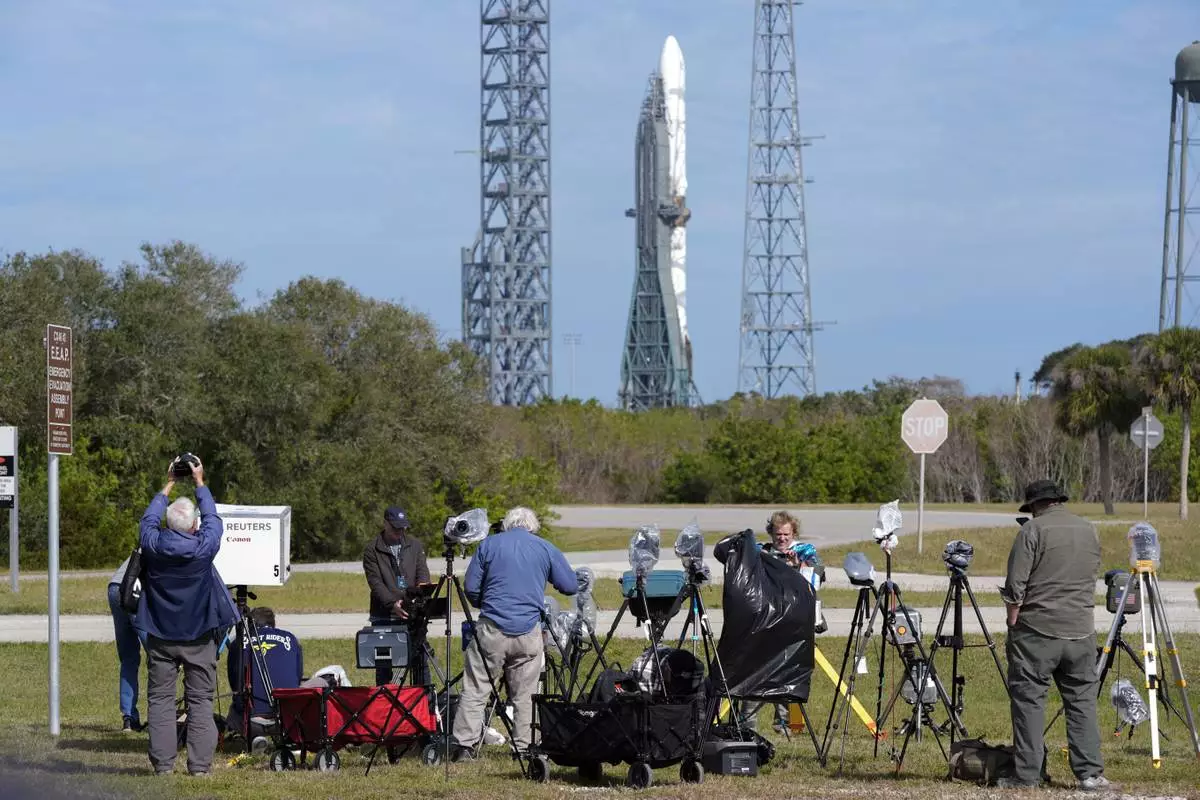
Photographers reset their remote cameras for yet another launch attempt of Blue Origin's New Glenn rocket from Launch Complex 36 at the Cape Canaveral Space Force Station, Wednesday, Jan. 15, 2025, in Cape Canaveral, Fla. (AP Photo/John Raoux)
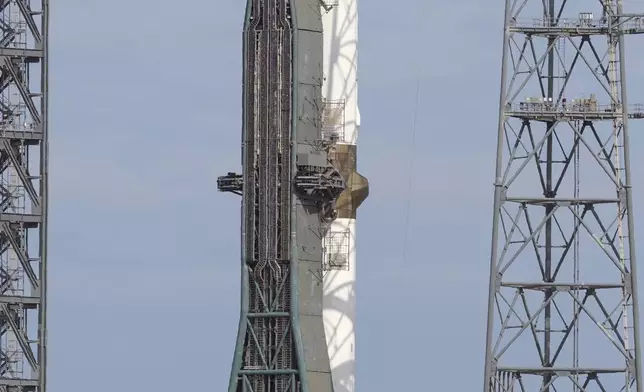
Photographers reset their remote cameras for yet another launch attempt of Blue Origin's New Glenn rocket from Launch Complex 36 at the Cape Canaveral Space Force Station, Wednesday, Jan. 15, 2025, in Cape Canaveral, Fla. (AP Photo/John Raoux)
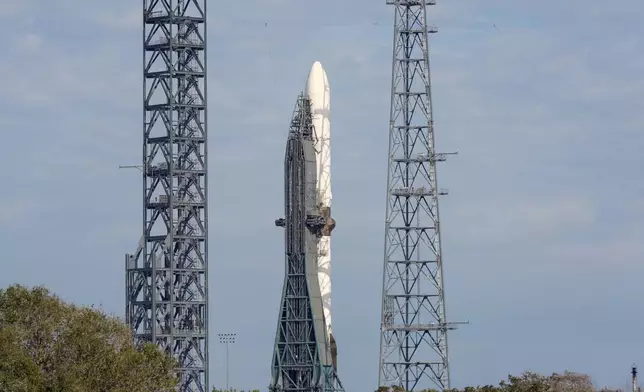
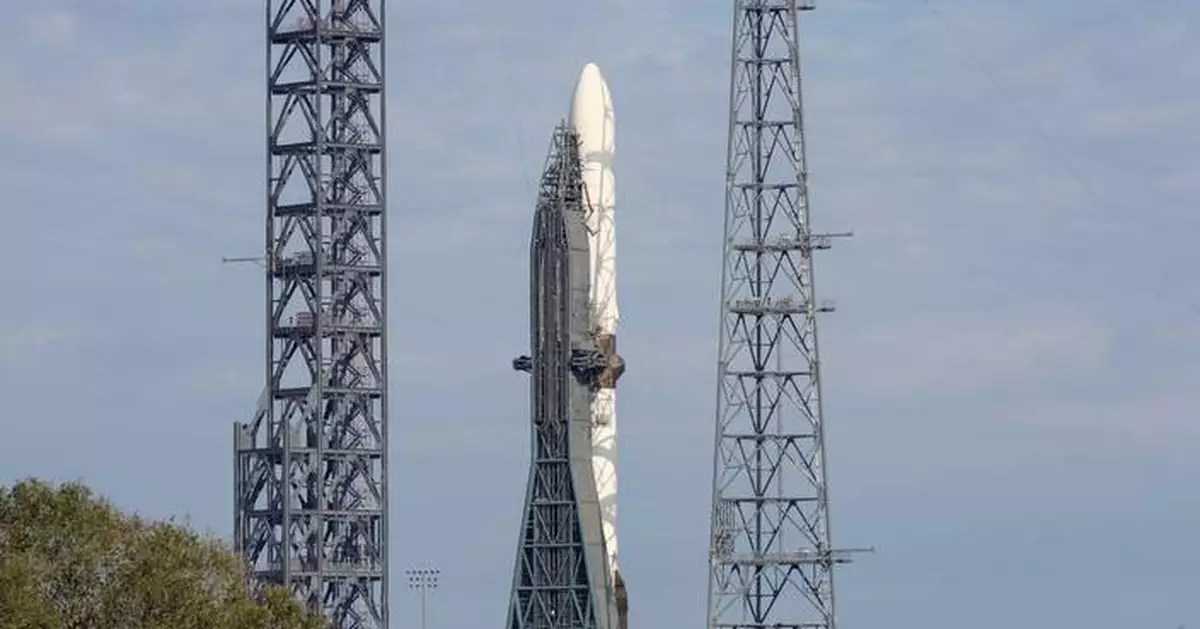
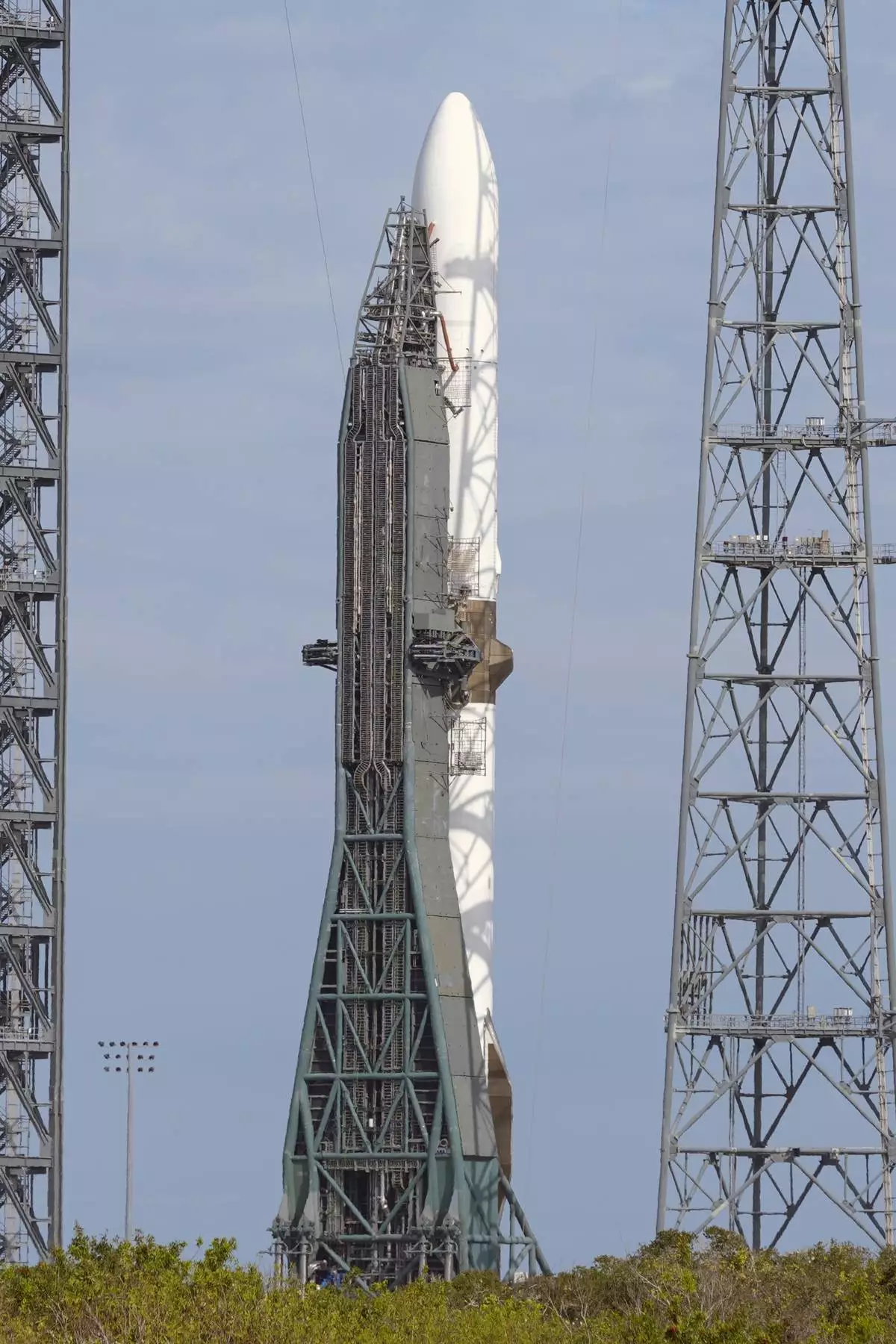
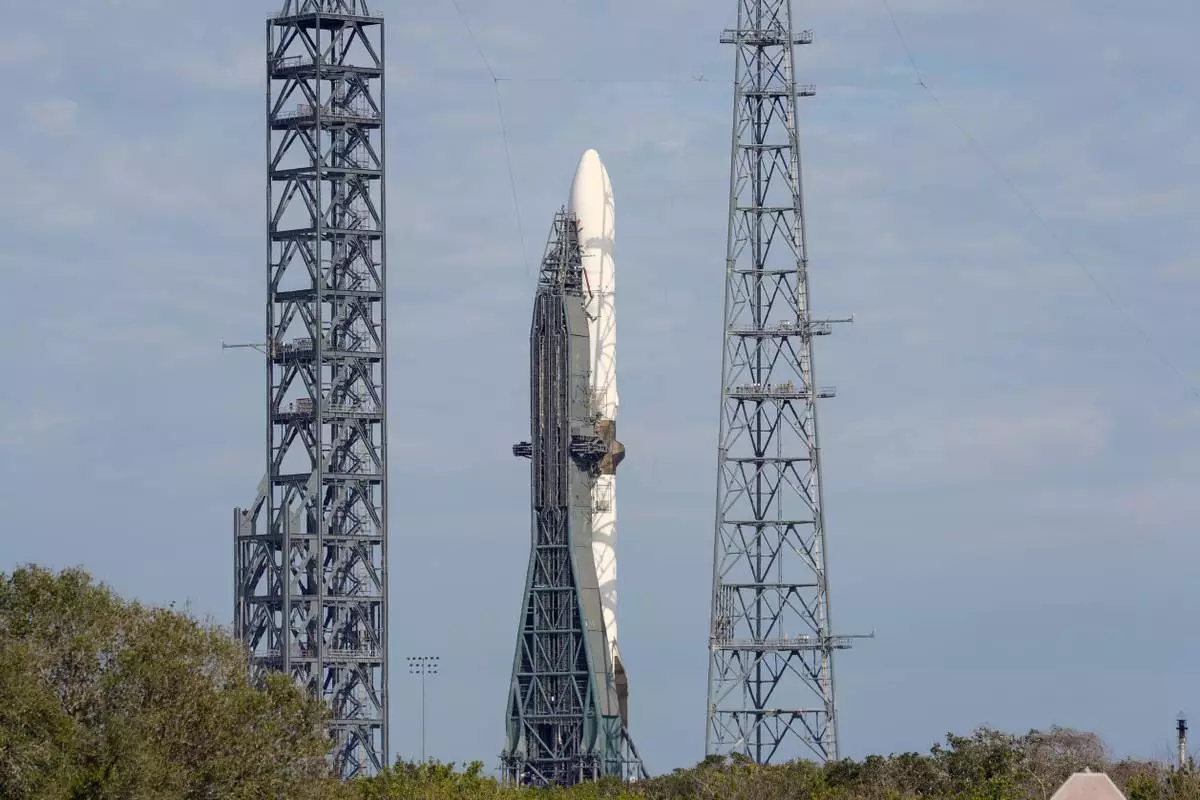
Blue Origin's New Glenn rocket stands ready for another launch attempt from Launch Complex 36 at the Cape Canaveral Space Force Station, Wednesday, Jan. 15, 2025, in Cape Canaveral, Fla. (AP Photo/John Raoux)

Blue Origin's New Glenn rocket stands ready for another launch attempt from Launch Complex 36 at the Cape Canaveral Space Force Station, Wednesday, Jan. 15, 2025, in Cape Canaveral, Fla. (AP Photo/John Raoux)

Blue Origin's New Glenn rocket stands ready for another launch attempt from Launch Complex 36 at the Cape Canaveral Space Force Station, Wednesday, Jan. 15, 2025, in Cape Canaveral, Fla. (AP Photo/John Raoux)

Blue Origin's New Glenn rocket stands ready for another launch attempt from Launch Complex 36 at the Cape Canaveral Space Force Station, Wednesday, Jan. 15, 2025, in Cape Canaveral, Fla. (AP Photo/John Raoux)

Years in the making with heavy funding by Amazon founder Jeff Bezos, the 320-foot (98-meter) rocket carried an an experimental platform designed to host satellites or release them into their proper orbits.

All seven main engines fired at liftoff as the rocket blazed through the predawn sky to the delight of spectators lining nearby beaches. Bezos took part in the action from Mission Control and Blue Origin employees erupted in cheers once the craft successfully reached orbit 13 minutes later, a feat that drew praise from SpaceX's Elon Musk.

The first-stage booster missed its landing on a barge in the Atlantic, but the company stressed that the more important goal was achieved. Bezos said before the flight it was “a little crazy” to even try to land the booster on the first try.

“We did it!" Blue Origin’s CEO Dave Limp said via X about reaching orbit. "On to spring and trying again on the landing.”

For this test, the satellite was meant to remain inside the second stage while circling Earth. Plans called for the second stage to be placed in a safe condition to stay in a high, out-of-the-way orbit in accordance with NASA's practices for minimizing space junk.

New Glenn was supposed to fly before dawn Monday, but ice buildup in critical plumbing caused a delay. The rocket is built to haul spacecraft and eventually astronauts to orbit and also the moon.

Founded 25 years ago by Bezos, Blue Origin has been launching paying passengers to the edge of space since 2021, including himself. The short hops from Texas use smaller rockets named after the first American in space, Alan Shepard. New Glenn, which honors John Glenn, is five times taller.

Blue Origin poured more than $1 billion into New Glenn's launch site, rebuilding historic Complex 36 at Cape Canaveral Space Force Station. The pad is 9 miles (14 kilometers) from the company's control centers and rocket factory, outside the gates of NASA's Kennedy Space Center.

Blue Origin envisions six to eight New Glenn flights this year, with the next one coming up this spring.

In a weekend interview, Bezos declined to disclose his personal investment in the program. He said he does not see Blue Origin in a competition with Musk’s SpaceX, long the rocket-launching dominator.

“There’s room for lots of winners” Bezos said, adding that this was the “very, very beginning of this new phase of the space age, where we’re all going to work together as an industry ... to lower the cost of access to space."

New Glenn is the latest in a series of big, new rockets to launch in recent years, including United Launch Alliance’s Vulcan, Europe’s upgraded Ariane 6 and NASA's Space Launch System or SLS, the space agency's successor to the Saturn V for sending astronauts to the moon.

The biggest rocket of all, at approximately 400 feet (123 meters), is SpaceX's Starship. Musk said the seventh test flight of the full rocket could occur later Thursday from Texas. He hopes to repeat what he pulled off in October, catching the returning booster at the launch pad with giant mechanical arms.

Starship is what NASA plans to use to land astronauts on the moon later this decade. The first two moon landings under the space agency's Artemis program, which follows the Apollo missions of the 1960s and 1970s, will see crews descending from lunar orbit to the surface in Starships.

Blue Origin's lander, dubbed Blue Moon, will make its debut on the third lunar touchdown by astronauts.

NASA Administrator Bill Nelson pushed for competing moon landers similar to the strategy to hire two companies to ferry astronauts to and from the International Space Station. Nelson will step down when President-elect Donald Trump takes office on Monday.

"Together and in the spirit of John Glenn, NASA and our commercial partners are pushing the boundaries of exploration and reaching new heights," Nelson posted on X.

Trump has tapped tech billionaire Jared Isaacman to replace Nelson. Isaacman, who has twice rocketed into orbit on his own privately financed SpaceX flights, must be approved by the Senate.

New Glenn's debut was supposed to send twin spacecraft to Mars for NASA. But the space agency pulled them from last October's planned flight when it became clear the rocket wouldn't be ready in time. They will still fly on a New Glenn rocket, but not until spring at the earliest. The two small spacecraft, named Escapade, are meant to study the Martian atmosphere and magnetic environment while orbiting the red planet.

The Associated Press Health and Science Department receives support from the Howard Hughes Medical Institute’s Science and Educational Media Group and the Robert Wood Johnson Foundation. The AP is solely responsible for all content.
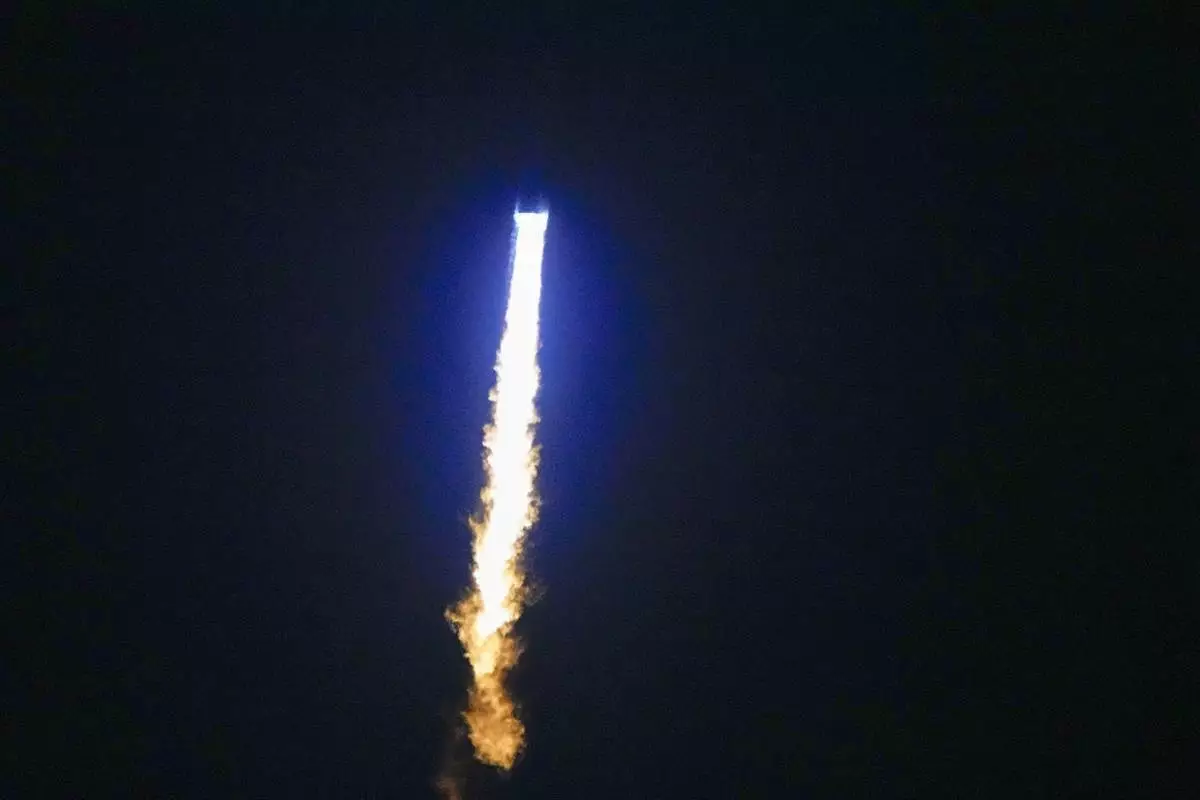
Blue Origin's New Glenn rocket lifts off from Launch Complex 36 at the Cape Canaveral Space Force Station, Thursday, Jan. 16, 2025, in Cape Canaveral, Fla. (AP Photo/John Raoux)
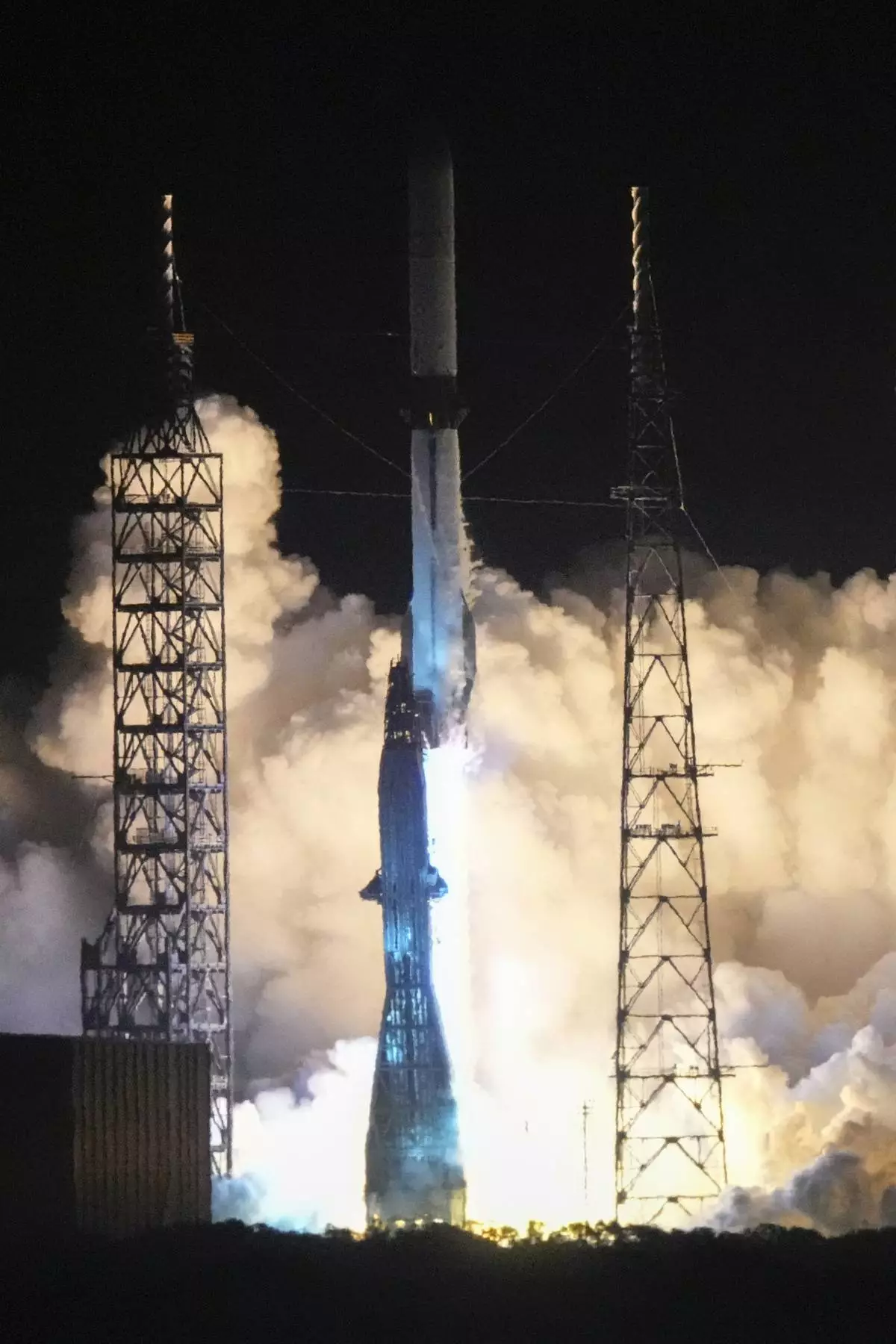
Blue Origin's New Glenn rocket lifts off from Launch Complex 36 at the Cape Canaveral Space Force Station, Thursday, Jan. 16, 2025, in Cape Canaveral, Fla. (AP Photo/John Raoux)
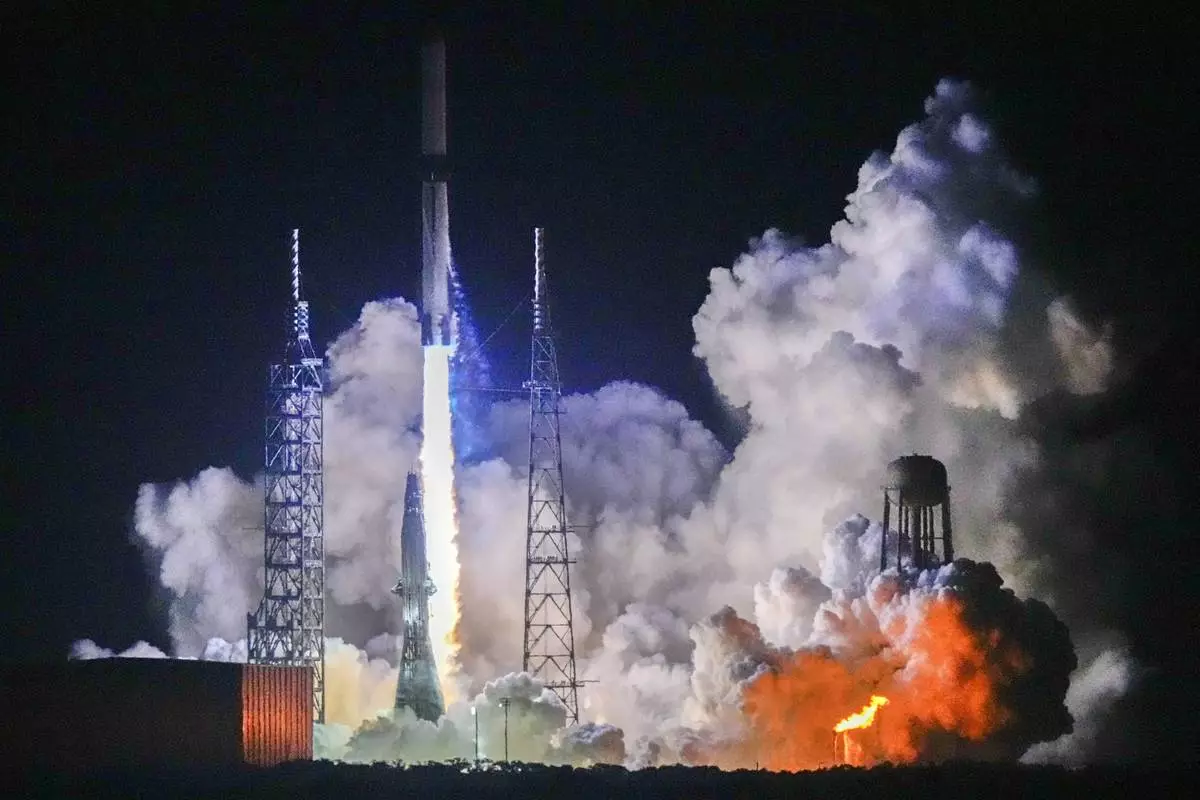
Blue Origin's New Glenn rocket lifts off from Launch Complex 36 at the Cape Canaveral Space Force Station, Thursday, Jan. 16, 2025, in Cape Canaveral, Fla. (AP Photo/John Raoux)
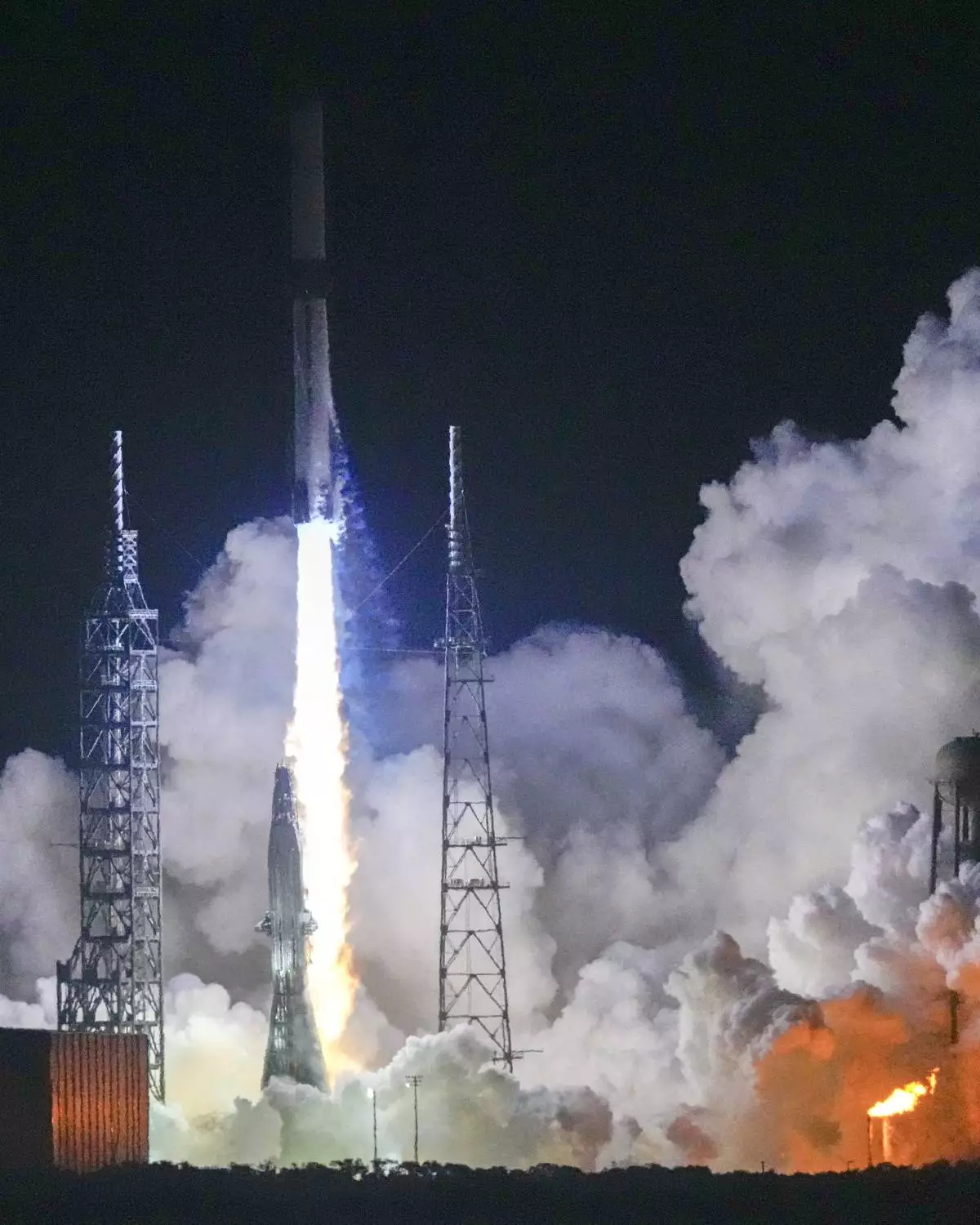
Blue Origin's New Glenn rocket lifts off from Launch Complex 36 at the Cape Canaveral Space Force Station, Thursday, Jan. 16, 2025, in Cape Canaveral, Fla. (AP Photo/John Raoux)
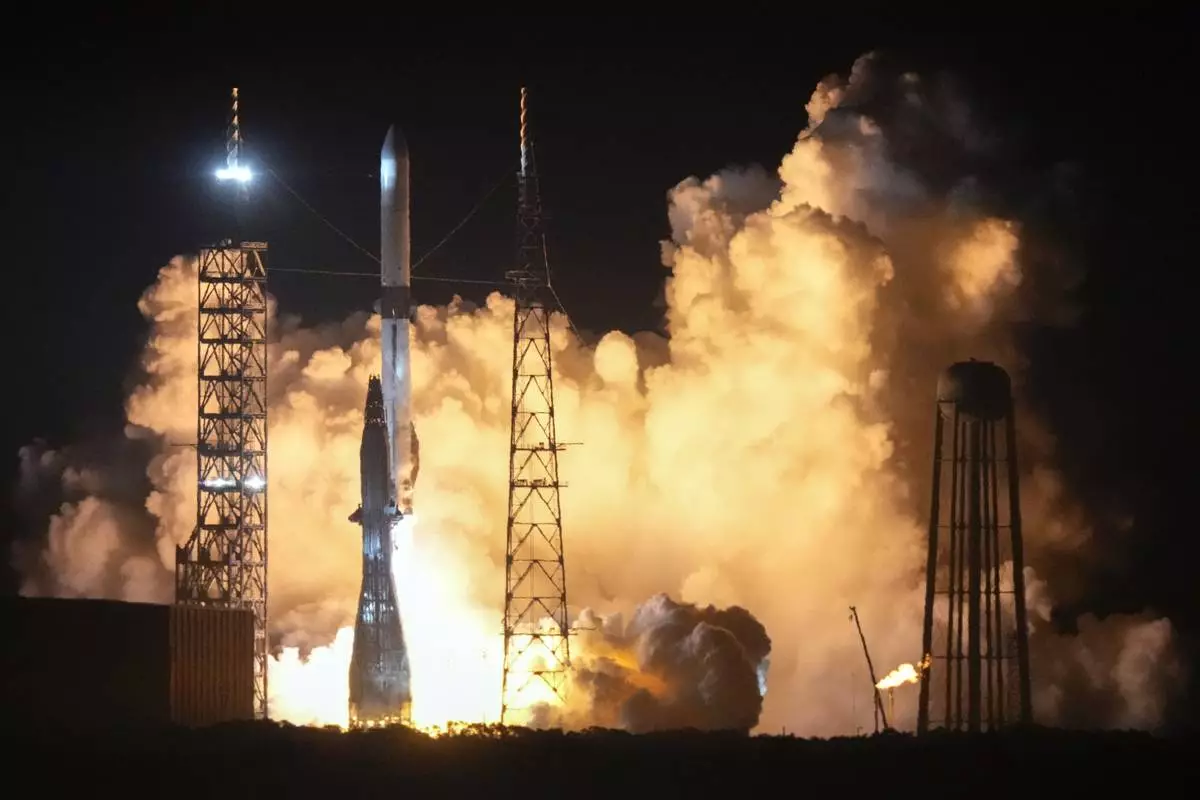
Blue Origin's New Glenn rocket lifts off from Launch Complex 36 at the Cape Canaveral Space Force Station, Thursday, Jan. 16, 2025, in Cape Canaveral, Fla. (AP Photo/John Raoux)
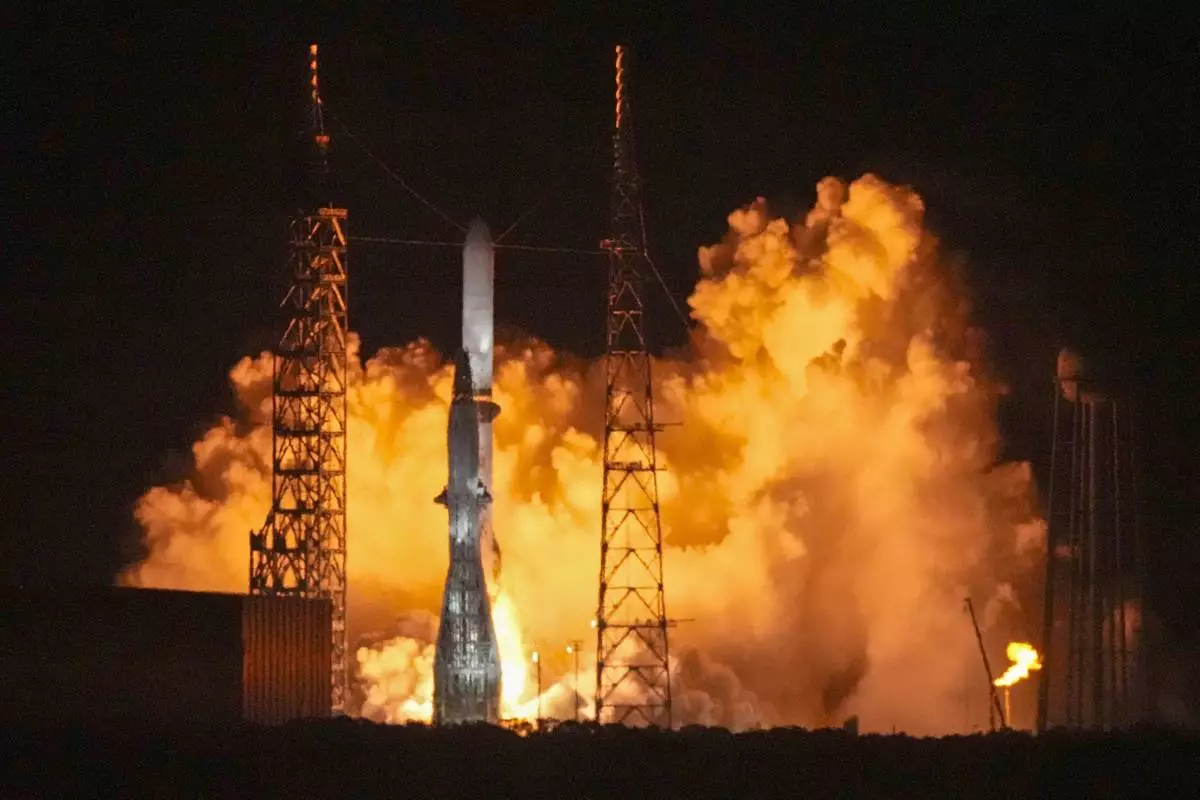
Blue Origin's New Glenn rocket lifts off from Launch Complex 36 at the Cape Canaveral Space Force Station, Thursday, Jan. 16, 2025, in Cape Canaveral, Fla. (AP Photo/John Raoux)
Blue Origin's New Glenn rocket lifts off from Launch Complex 36 at the Cape Canaveral Space Force Station, Thursday, Jan. 16, 2025, in Cape Canaveral, Fla. (AP Photo/John Raoux)

Blue Origin's New Glenn rocket lifts off from Launch Complex 36 at the Cape Canaveral Space Force Station, Thursday, Jan. 16, 2025, in Cape Canaveral, Fla. (AP Photo/John Raoux)

Blue Origin's New Glenn rocket lifts off from Launch Complex 36 at the Cape Canaveral Space Force Station, Thursday, Jan. 16, 2025, in Cape Canaveral, Fla. (AP Photo/John Raoux)

Blue Origin's New Glenn rocket lifts off from Launch Complex 36 at the Cape Canaveral Space Force Station, Thursday, Jan. 16, 2025, in Cape Canaveral, Fla. (AP Photo/John Raoux)

Blue Origin's New Glenn rocket lifts off from Launch Complex 36 at the Cape Canaveral Space Force Station, Thursday, Jan. 16, 2025, in Cape Canaveral, Fla. (AP Photo/John Raoux)

Blue Origin's New Glenn rocket lifts off from Launch Complex 36 at the Cape Canaveral Space Force Station, Thursday, Jan. 16, 2025, in Cape Canaveral, Fla. (AP Photo/John Raoux)

Photographers reset their remote cameras for yet another launch attempt of Blue Origin's New Glenn rocket from Launch Complex 36 at the Cape Canaveral Space Force Station, Wednesday, Jan. 15, 2025, in Cape Canaveral, Fla. (AP Photo/John Raoux)
Photographers reset their remote cameras for yet another launch attempt of Blue Origin's New Glenn rocket from Launch Complex 36 at the Cape Canaveral Space Force Station, Wednesday, Jan. 15, 2025, in Cape Canaveral, Fla. (AP Photo/John Raoux)
Blue Origin's New Glenn rocket stands ready for another launch attempt from Launch Complex 36 at the Cape Canaveral Space Force Station, Wednesday, Jan. 15, 2025, in Cape Canaveral, Fla. (AP Photo/John Raoux)
Blue Origin's New Glenn rocket stands ready for another launch attempt from Launch Complex 36 at the Cape Canaveral Space Force Station, Wednesday, Jan. 15, 2025, in Cape Canaveral, Fla. (AP Photo/John Raoux)

Blue Origin's New Glenn rocket stands ready for another launch attempt from Launch Complex 36 at the Cape Canaveral Space Force Station, Wednesday, Jan. 15, 2025, in Cape Canaveral, Fla. (AP Photo/John Raoux)
Blue Origin's New Glenn rocket stands ready for another launch attempt from Launch Complex 36 at the Cape Canaveral Space Force Station, Wednesday, Jan. 15, 2025, in Cape Canaveral, Fla. (AP Photo/John Raoux)
DUBAI, United Arab Emirates (AP) — The United States is warning shipping companies that they could face sanctions for making payments to Iran to safely pass through the Strait of Hormuz.

The alert posted Friday by the U.S. Office of Foreign Assets Control adds another layer of pressure in the standoff between the U.S. and Iran over control of the Strait of Hormuz.

About a fifth of the world's trade in oil and natural gas typically passes through the strait at the mouth of the Persian Gulf in peacetime.

Iran effectively closed the strait to normal traffic by attacking and threatening to attack ships after the U.S. and Israel launched a war on Feb. 28. It later began offering some ships safe passage by detouring them through alternate routes closer to its shoreline, charging fees at times for the service.

That "tollbooth” effort is the focus of the U.S. sanctions warning.

The payment demands could include transfers not only in cash but also “digital assets, offsets, informal swaps, or other in-kind payments,” including chartibale donations and payments at Iranian embassies, OFAC said.

“OFAC is issuing this alert to warn U.S. and non-U. S. persons about the sanctions risks of making these payments to, or soliciting guarantees from, the Iranian regime for safe passage. These risks exist regardless of payment method,” it said.

The U.S. responded to Iran's closure of the strait with a naval blockade of its own on April 13, preventing any Iranian tankers from leaving and depriving Iran of oil revenue it needs to shore up its ailing economy.

The U.S. Central Command said 45 commercial ships have been told to turn around since the blockade began.

The warning came as U.S. President Donald Trump swiftly rejected Iran’s latest proposal to end the war between the countries.

“They want to make a deal, I’m not satisfied with it, so we’ll see what happens,” Trump said Friday at the White House. He didn't elaborate on what he saw as its shortcomings but expressed frustration with the Iranian leadership.

“It’s a very disjointed leadership,” Trump said. “They all want to make a deal, but they’re all messed up.”

Iran’s state-run IRNA news agency reported Iran handed over its plan to mediators in Pakistan on Thursday night.

The shaky three-week ceasefire between the U.S. and Iran appears to be holding, though both countries have traded accusations of violations. The standoff is increasingly putting pressure on the global economy, driving up prices and leading to shortages of fuel and other products tied to the oil industry.

Negotiations continued by phone after Trump called off his envoys’ trip to Pakistan last week, the president said. Trump this week floated a new plan to reopen the critical passageway used by America’s Gulf allies to export their oil and gas.

Iranian Foreign Minister Abbas Araghchi has briefed many of his regional counterparts on the country's initiatives to end the ear, according to his social media. He also held talks Friday with European Union foreign policy chief Kaja Kallas, who is in contact with the EU’s Gulf partners.

Fu Cong, the Chinese ambassdor to the United Nations, said Friday that maintaining the ceasefire is “the most urgent issue" as well as bringing together the sides to resume good faith negotiations “to make sure that the ground is laid for reopening of Hormuz.”

Foreign Minister Wang Yi “has been on the phone almost constantly” with representatives from all sides, Fu said, adding that China supports Pakistan’s efforts to mediate between the parties.

Fu stressed the root cause of the tremendous suffering in Iran and neighboring countries and the growing turmoil in the global economy, especially in developing countries, “is the illegitimate war by the U.S. and Israel.”

Edith Lederer at the U.N. contributed to this report

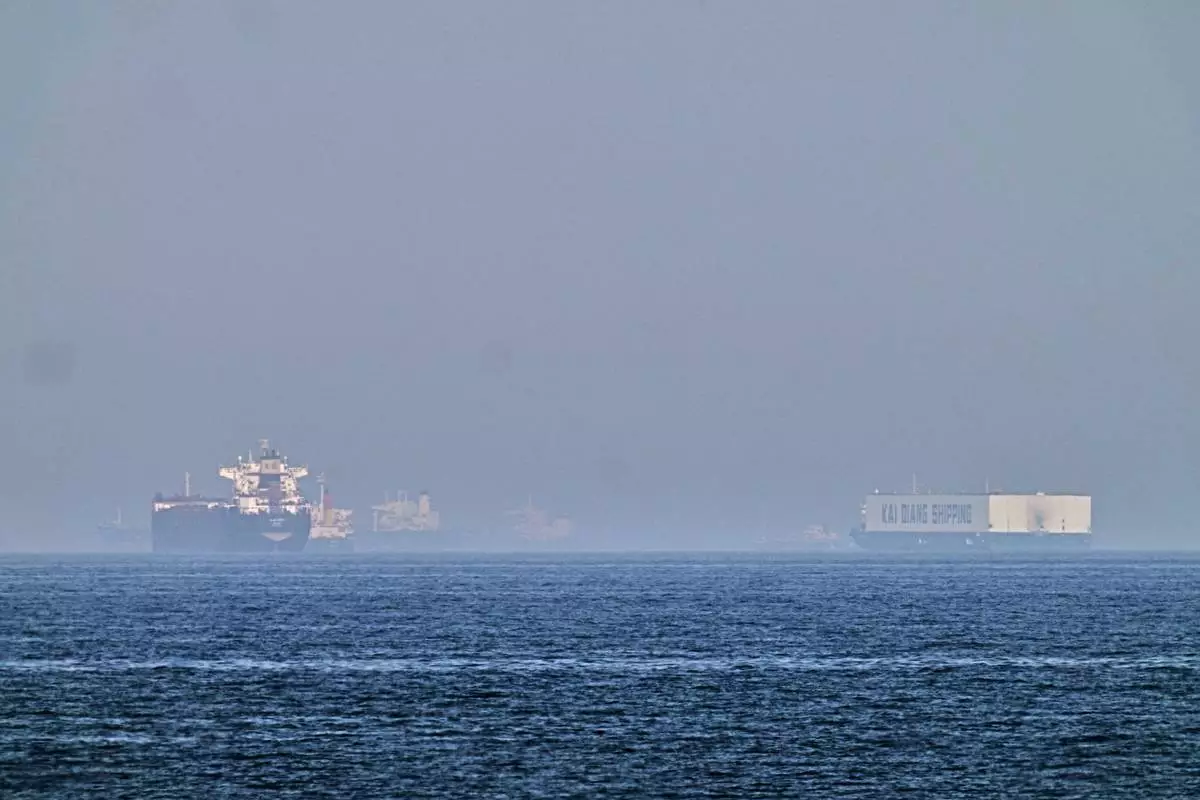
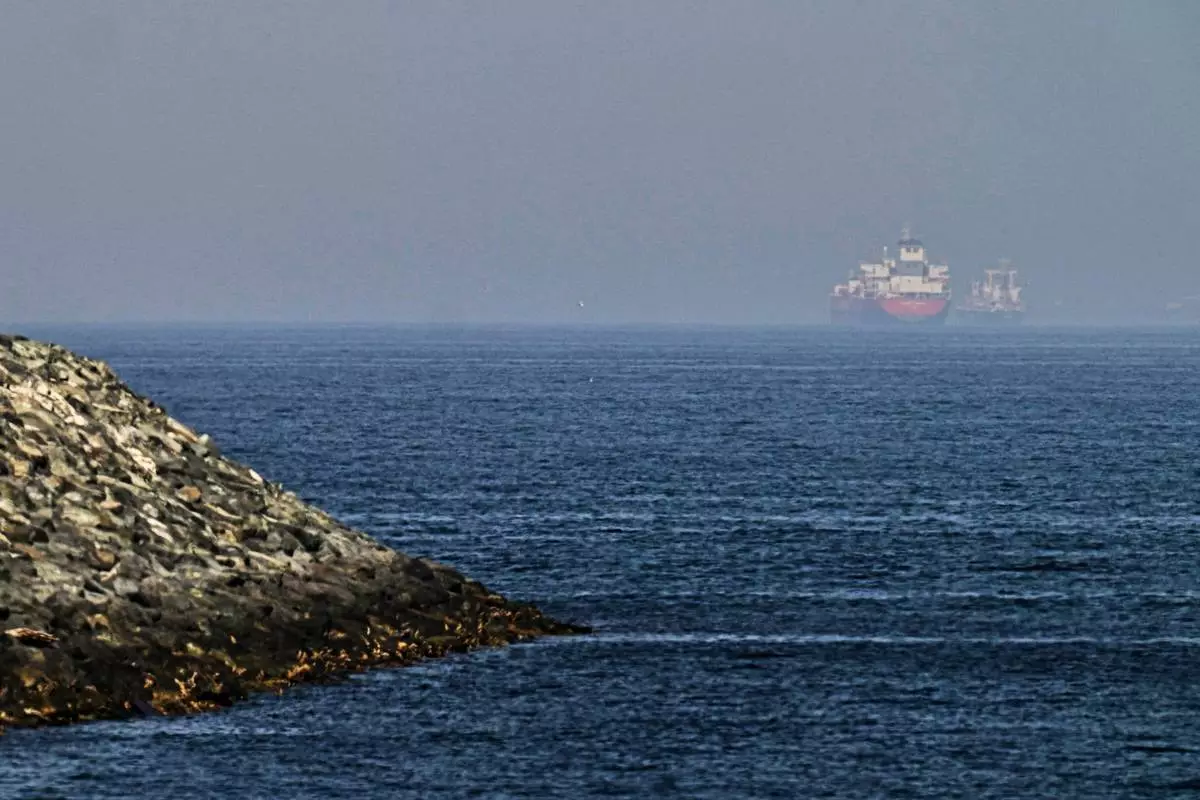
A tanker, left, and a car carrier are anchored at sea in the Gulf of Oman near the Strait of Hormuz, as seen from the coast near Khor Fakkan, United Arab Emirates, Friday, May 1, 2026.(AP Photo/Fatima Shbair)

A tanker, left, and a car carrier are anchored at sea in the Gulf of Oman near the Strait of Hormuz, as seen from the coast near Khor Fakkan, United Arab Emirates, Friday, May 1, 2026.(AP Photo/Fatima Shbair)

Cargo ships are seen at sea near the Strait of Hormuz, as viewed from a rocky shoreline near Khor Fakkan, United Arab Emirates, Friday, May 1, 2026. (AP Photo/Fatima Shbair)

Cargo ships are seen at sea near the Strait of Hormuz, as viewed from a rocky shoreline near Khor Fakkan, United Arab Emirates, Friday, May 1, 2026. (AP Photo/Fatima Shbair)

Men gather along the shore, some crouching and watching a game, as a mix of bulk carriers, cargo ships, and service vessels line the horizon in the Strait of Hormuz off Bandar Abbas, Iran, Monday, April 27, 2026.(Razieh Poudat/ISNA via AP)

Men gather along the shore, some crouching and watching a game, as a mix of bulk carriers, cargo ships, and service vessels line the horizon in the Strait of Hormuz off Bandar Abbas, Iran, Monday, April 27, 2026.(Razieh Poudat/ISNA via AP)

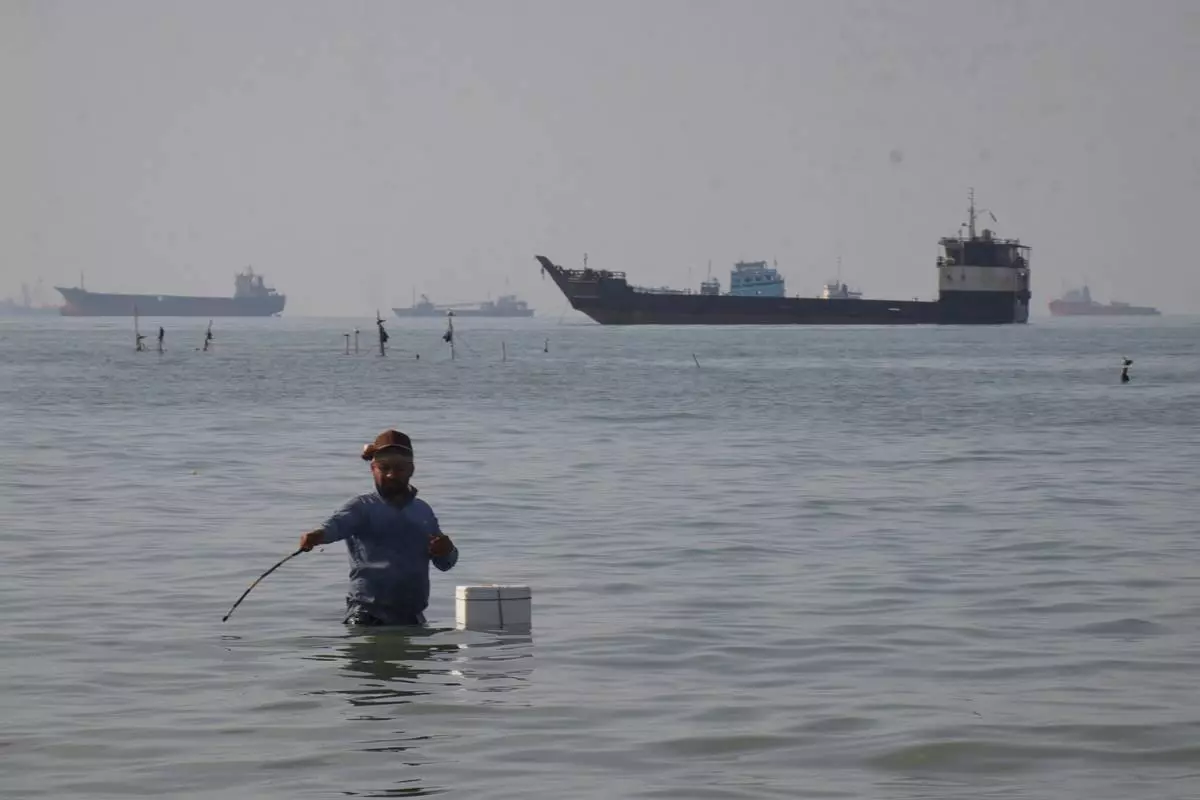
A man stands in the water, appearing to fish, as bulk carriers, cargo ships, and service vessels line the horizon in the Strait of Hormuz off Bandar Abbas, Iran, Monday, April 27, 2026.(Razieh Poudat/ISNA via AP)

A man stands in the water, appearing to fish, as bulk carriers, cargo ships, and service vessels line the horizon in the Strait of Hormuz off Bandar Abbas, Iran, Monday, April 27, 2026.(Razieh Poudat/ISNA via AP)

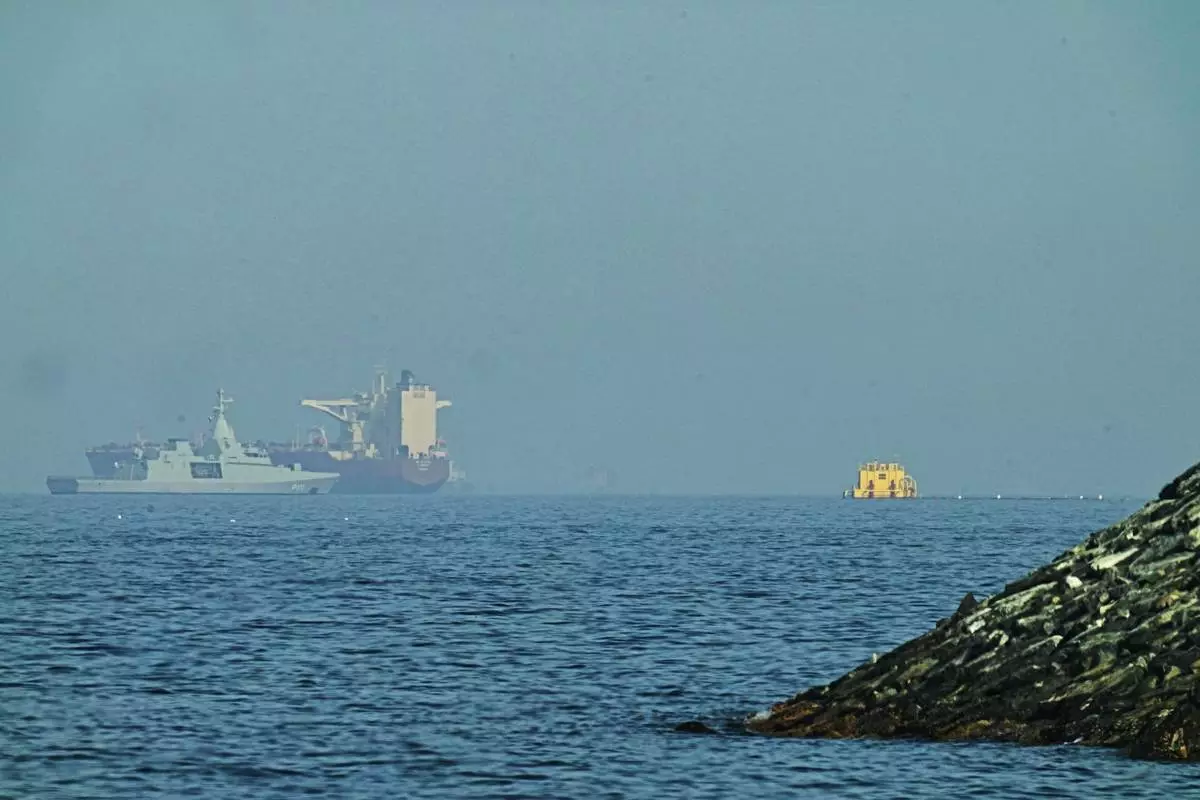
An Emirati patrol boat, left, is near a tanker anchored in the Gulf of Oman near the Strait of Hormuz, as seen from a coastal road near Khor Fakkan, United Arab Emirates, Friday, May 1, 2026. (AP Photo/Fatima Shbair)

An Emirati patrol boat, left, is near a tanker anchored in the Gulf of Oman near the Strait of Hormuz, as seen from a coastal road near Khor Fakkan, United Arab Emirates, Friday, May 1, 2026. (AP Photo/Fatima Shbair)

Recommended Articles