Egypt resumed sending humanitarian aid trucks to the Gaza Strip through the Rafah border crossing on Sunday, following the recently reached Israel-Hamas ceasefire agreement.
An initial batch of 95 aid trucks crossed into Gaza from the Egyptian side of the crossing, with approximately 500 more expected to follow throughout the day, Egyptian state TV reported.
Delegations from mediators Qatar and the United States, along with representatives from Palestine and Israel, arrived in Cairo on Sunday to monitor the implementation of the Israel-Hamas ceasefire agreement, according to media reports.
Under the ceasefire agreement, about 600 trucks carrying humanitarian aid, including 50 fuel trucks, are expected to enter Gaza daily to alleviate the humanitarian crisis.
The 42-day first stage of the ceasefire deal, reached on Wednesday through mediation by Egypt, Qatar, and the United States, took effect on Sunday after Hamas provided a list of three Israeli female captives set for release later in the day.
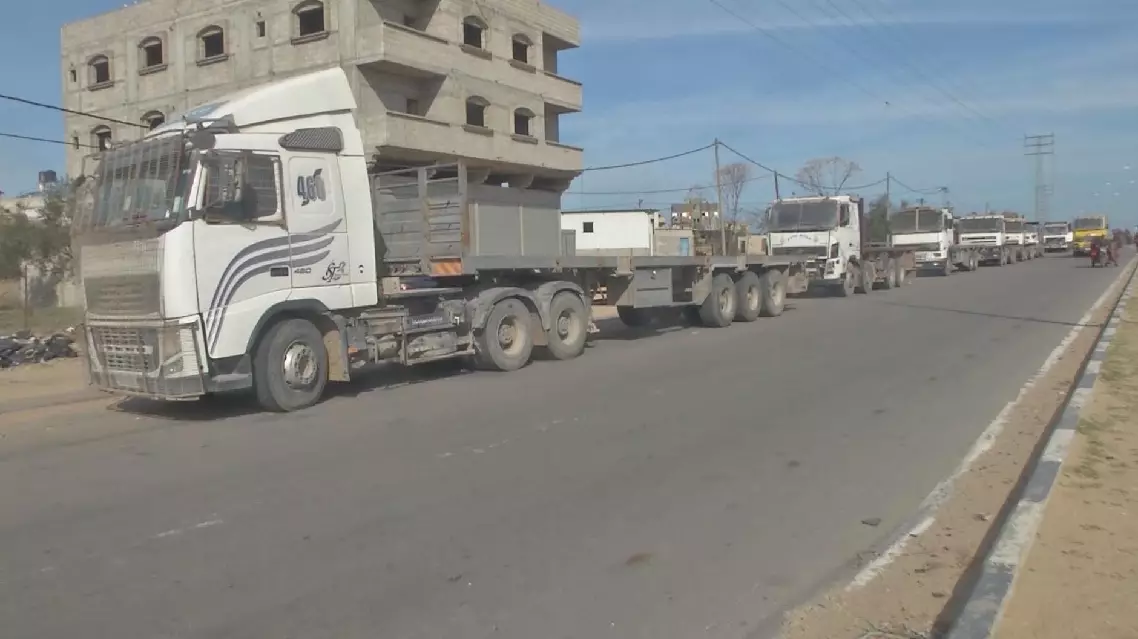
Egypt resumes aid truck deliveries to Gaza as ceasefire takes effect
Hungary faces fuel shortages with many gas stations in operational difficulties, and some even on the verge of closure due to the impacts of U.S.-Israel war against Iran and the country's fuel price cap policy, according to the Hungarian Petroleum Association and the Association of Independent Filling Stations.
The war in the Middle East has caused unprecedented disruption to shipping through the Strait of Hormuz, a vital waterway for global trade and energy supplies, pushing up oil prices.
Hungarian Prime Minister Viktor Orban on March 9 announced a cap on retail fuel prices, citing rising oil prices linked to the war involving Iran and disruptions in oil transit through Ukraine. He also announced the release of oil from state reserves to ensure stable supplies.
However, the Hungarian Petroleum Association warned that a sharp reduction in oil and refined oil imports will widen the gap between market prices and government-mandated protective prices, leading to supply security issues.
So far, crude oil supplies via the Druzhba pipeline, which carries Russian crude oil to Hungary and Slovakia via Ukraine, have been resumed, but it cannot solve the fundamental problem of the sharp decline in refined oil imports.
"First, gas stations need fuel to operate. We don't know how long the fuel supply will last. Will it continue until the state reserves is depleted? Then we will face the predicament of running out of fuel. Gas stations have to pay employee wages, management fees, electricity, water bills, and communication fees. Once the funds run out, gas stations will be forced to close," said Laszlo Gepesz, gas station owner and co-chair of Hungary's Association of Independent Filling Stations.
"Hungary currently has only about 15 days' worth of refined oil reserves. The supply to gas stations cannot be guaranteed 100 percent. Gas stations can still get fuel so far, but it is expected that in the coming weeks, Hungarian gas stations, mainly privately owned ones, may experience a severe fuel shortage," said Egri, energy expert and member of Hungary's Association of Independent Filling Stations.
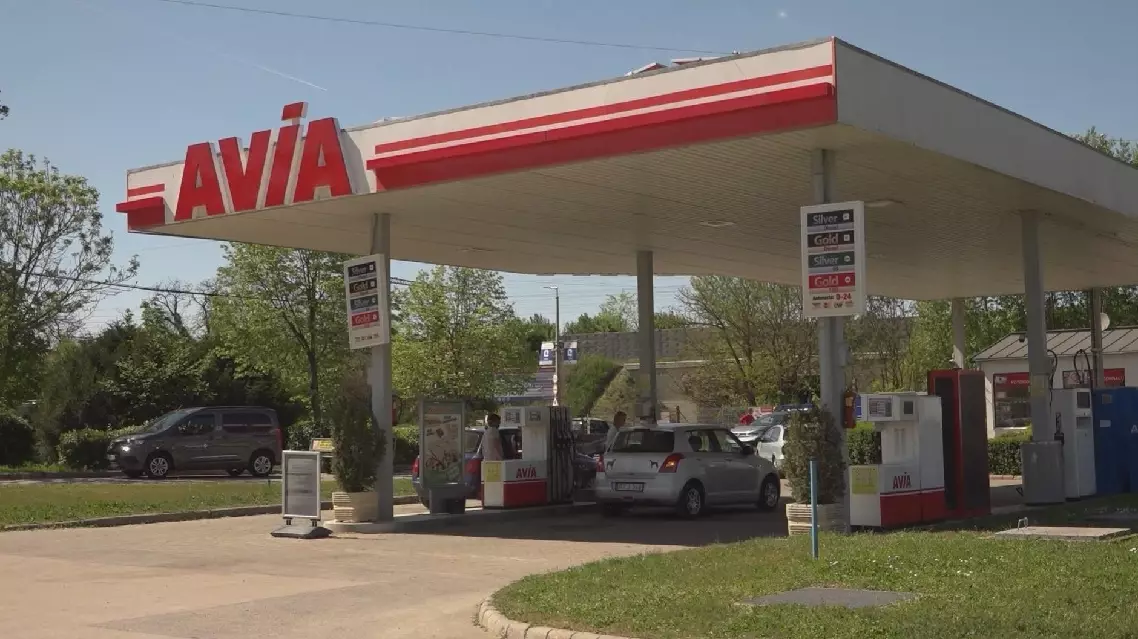
Hungarian gas stations in hard time as Middle East conflict disrupts energy supply