China's floral market is booming ahead of the Spring Festival, with sales surging both online and offline, as the increase in quality, variety, and affordability of decorative flowers is driving demand to new heights.
Data from the China Flower Association and major e-commerce platforms show that this year's market is marked by rising household purchases, a wider variety of high-quality blooms, and more affordable prices.
Popular flowers like orchids and peonies are widely available, while new varieties such as wintersweet and holly are also gaining traction.
Sales of these emerging favorites have soared by over tenfold year on year on platforms like Huayibao, JD.com and Pinduoduo. Meanwhile, roses, lilies, sunflowers, and gerbera daisies -- popular among younger consumers -- have seen sales increases of over 50 percent.
The market is becoming more accessible, with a focus on freshness through cold-chain logistics and same-day delivery.
Flower sales have also expanded significantly into lower-tier cities and rural areas, with purchases in these regions increasing more than tenfold compared to previous years.
At the Dounan Flower Market of Kunming in southwest China's Yunnan Province, a major floral hub in China, traditional festival flowers like orchids and anthuriums are in high supply, and new varieties such as tulips and Australian plums are also in strong demand.
"Since tulips hit the market, weekly purchases have reached 400,000 stems, equivalent to the annual purchases of 100 physical stores. With cold-chain delivery, customers can receive their flowers the next day after placing an order," said Chen Longlong, a floral procurement manager for an online e-commerce platform.
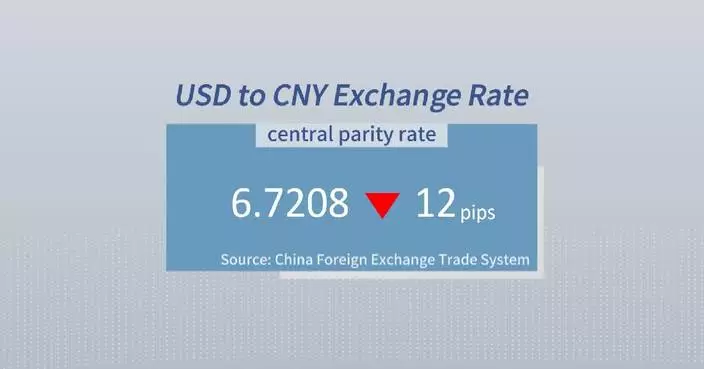
Despite the surge in demand, prices remain reasonable. Lilies are priced at 10 yuan (about 1.4 U.S. dollars) per stem, while a pot of six to ten orchids costs between 200 and 300 yuan (about 27 to 41 U.S. dollars) -- 10 percent cheaper than in previous years.
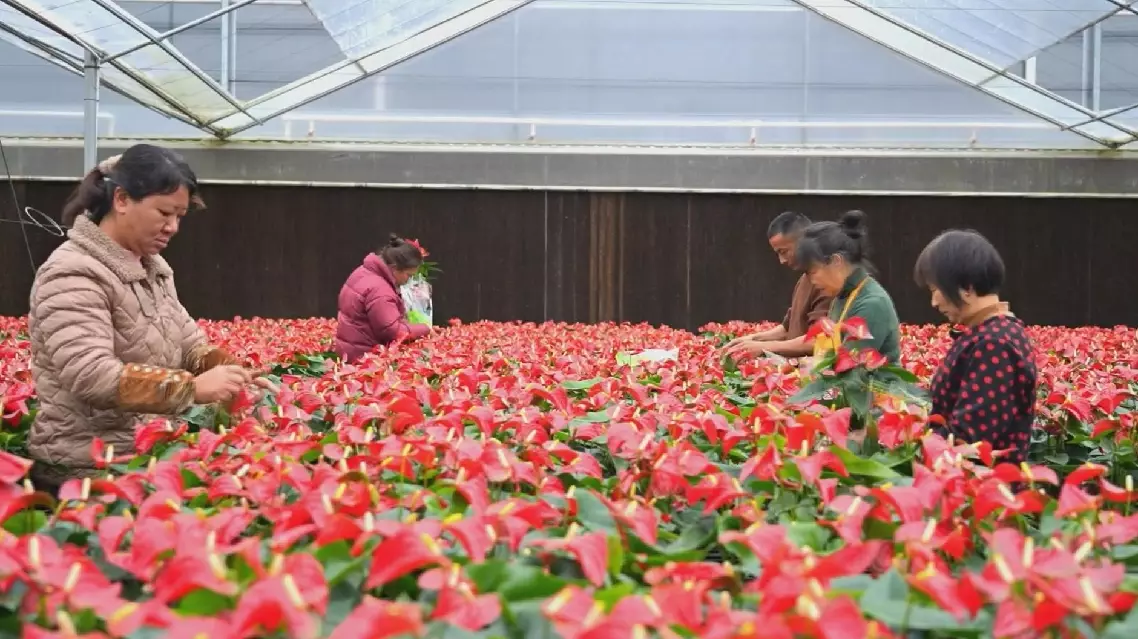
China's flower market blooms ahead of Spring Festival
Over 550,000 people took part in protests over the soaring cost of living and deteriorating public services in Paris and other major French cities on Saturday, with violent clashes in some areas.
According to French media reports, the demonstrations brought together farmers, climate activists, trade unions and students, expressing demands on fuel prices, the cost of living, education and public services.
The protests were fueled by the French government's push for the 2027 budget proposal. Facing high public debt and a large fiscal deficit, the government plans to improve public finances through revenue increases and spending cuts.
The proposed measures have sparked public concern over purchasing power and possible impacts on public services. At the same time, the ongoing Russia-Ukraine conflict, tensions in the Middle East and uncertainty in international energy markets are adding external pressure to the French economy.
"Personally, I haven't had much trouble, because I have a good job and my income covers my expenses. But for many people, this is indeed a problem. The war has certainly driven up the prices of certain resources, such as gasoline. For those who rely on their cars, the prices of all kinds of energy are rising," said a protester.
"This summer, on several occasions when I was considering whether to drive, I weighed it over and over and eventually gave up on the trip because I simply couldn't afford the fuel. And I'm not even particularly dependent on a car. I live in Paris and can use public transport. But for people living outside Paris who rely on their cars to get around, it's just too hard," said another protester.
"In any case, public services are already in dire straits. This is true for schools, hospitals, and the judicial system alike. For everyone, this is nothing short of a nightmare," said a protester.
Numerous attacks on public buildings, police stations and businesses were reported during the demonstrations.
A total of 2,397 people were arrested during the protests, which were marred by violence, according to figures released by the French Interior Ministry on Sunday. A total of 997 police officers and gendarmes were injured, seven of them seriously.
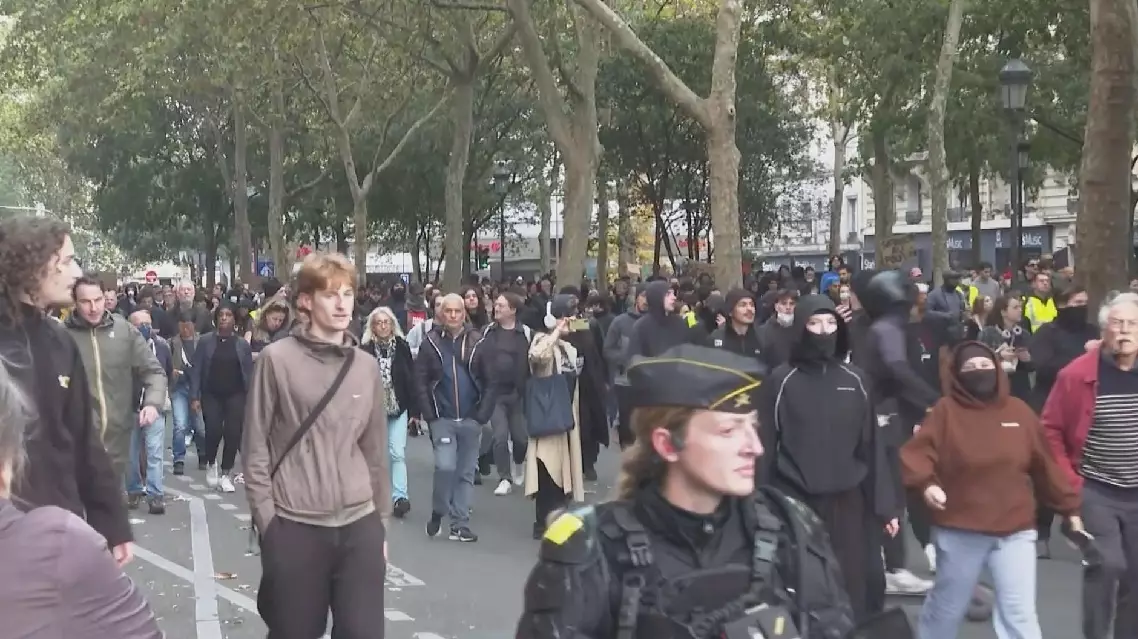
Protests over rising living costs, failing public services erupt across France