Hong Kong Customs inspects Lunar New Year fairs and promotes anti-infringing messages
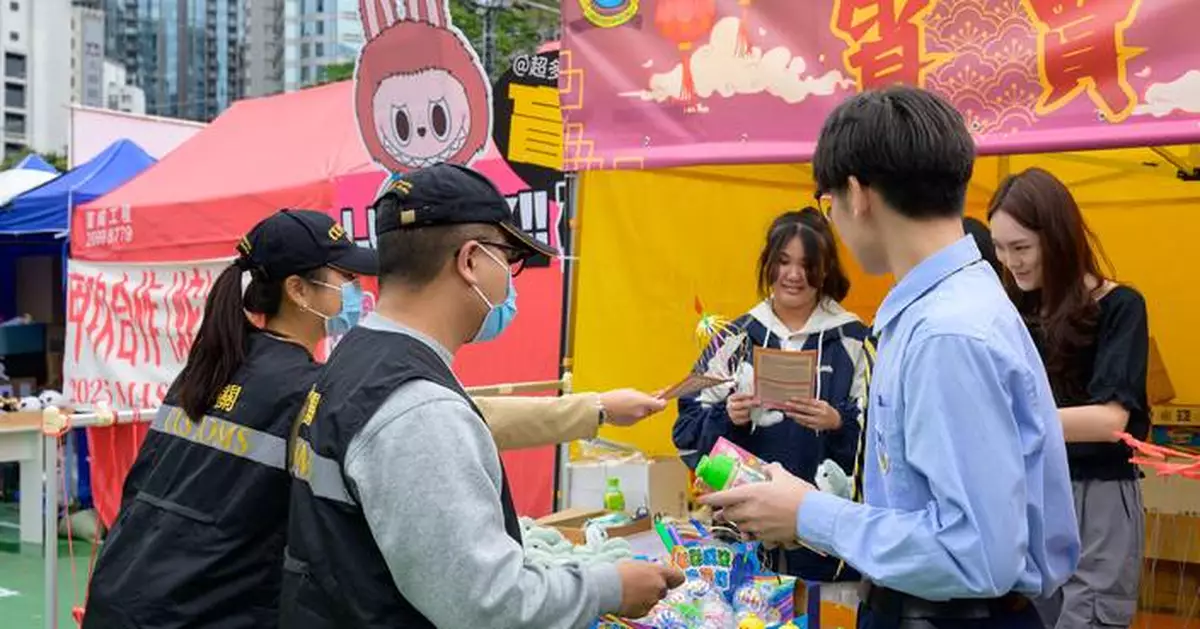
Hong Kong Customs officers today (January 23) distributed pamphlets to stall operators at various Lunar New Year (LNY) fairs to remind them not to sell infringing goods.
The Divisional Commander (Intellectual Property General Investigation) of Customs, Mr Ho Chun-wing, said that during the LNY period, Customs will conduct inspections at all 15 LNY fairs across the districts and take stringent enforcement actions against infringing activities to protect consumer interests.
As early as last October and November, Customs distributed pamphlets to successful bidders for the LNY Fair stalls, reminding them to be cautious about the authenticity and origin of goods when merchandising. They were also reminded to verify with the corresponding agents or representatives of trademark and copyright owners if in doubt.
Under the Trade Descriptions Ordinance, any person who sells or possesses for sale any goods with forged trademark commits an offence. The maximum penalty upon conviction is a fine of $500,000 and imprisonment for five years.
Under the Copyright Ordinance, any person who sells or possesses for sale any infringing goods commits an offence. The maximum penalty upon conviction is a fine of $50,000 per infringing copy and imprisonment for four years.
Members of the public may report any suspected infringing activities to Customs 24-hour hotline 182 8080 or its dedicated crime reporting email account (crimereport@customs.gov.hk) or online form (eform.cefs.gov.hk/form/ced002).
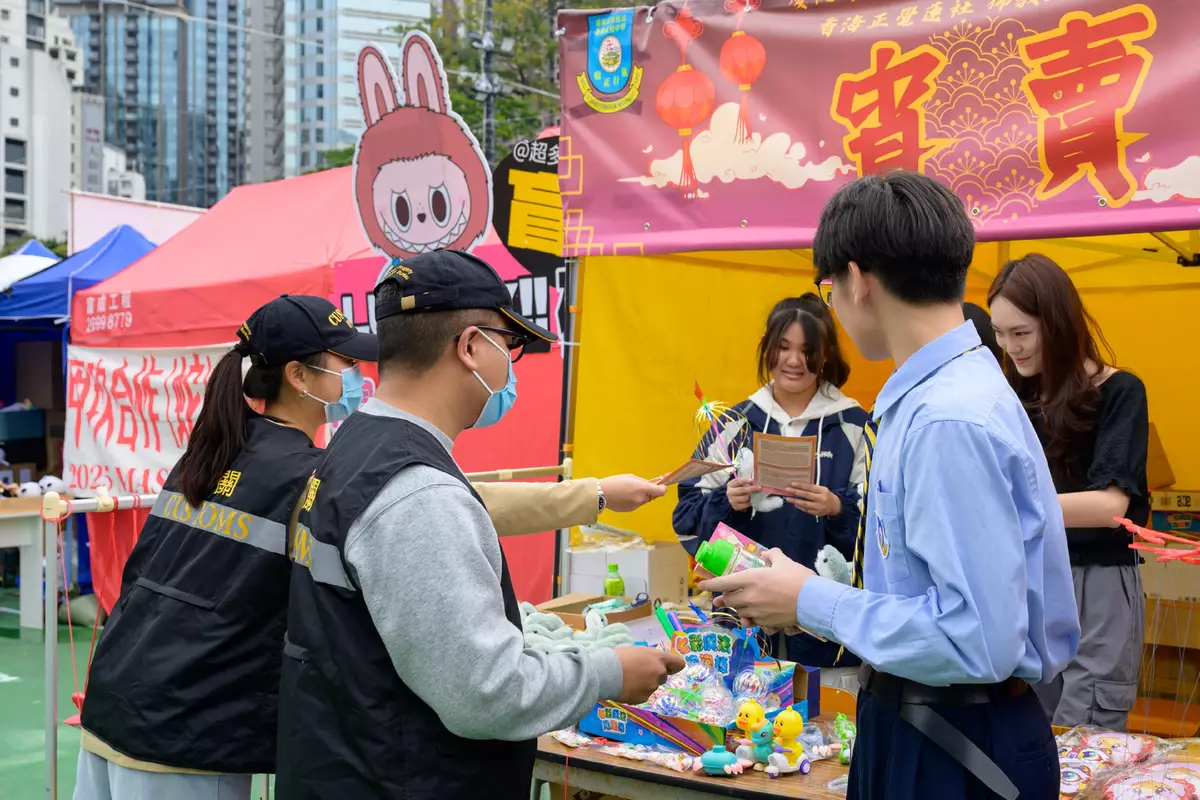
Hong Kong Customs inspects Lunar New Year fairs and promotes anti-infringing messages Source: HKSAR Government Press Releases
Persons illegally bringing in undercooked game, meat, poultry and eggs will be prosecuted
As the new Huanggang Port will commence operation on October 12, the Centre for Food Safety (CFS) of the Food and Environmental Hygiene Department (FEHD) today (October 10) reminded members of the public again not to illegally bring regulated foods such as undercooked game, meat, poultry and eggs into Hong Kong, regardless of the boundary control point used upon return.
According to the Imported Game, Meat, Poultry and Eggs Regulations (Cap. 132AK), all imported game, meat, poultry and eggs, whether for personal use or not, must be accompanied by a health certificate issued by the issuing entity of the place of origin or written permission from the FEHD. Any person bringing the aforesaid regulated foods into Hong Kong from the Mainland must provide a health certificate issued by Mainland Customs along with the goods. Any offender shall be liable on conviction to a maximum fine of $50,000 and imprisonment for six months. In 2025, the CFS initiated prosecutions in a total of 2 148 cases, including cases that resulted in custodial sentences.
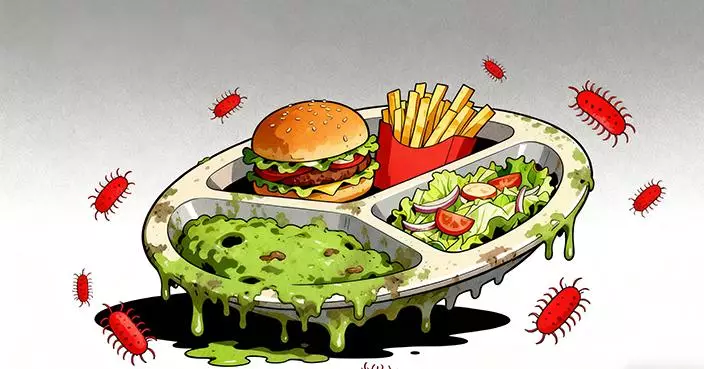
A spokesman for the CFS said, "Members of the public who illegally bring regulated foods into Hong Kong through any boundary control point will not only face prosecution, but also need to be aware that these foods may be improperly stored during travel, such as at an improper temperature or with unhygienic packaging, which can lead to the growth of pathogenic bacteria and increase food safety and personal health risks." To avoid criminal liability and health risks, the CFS urges members of the public not to illegally bring regulated foods into Hong Kong.
The spokesman stressed that any undercooked game, meat, poultry and eggs, regardless of their form of packaging (including vacuum packed or tinfoil), are all subject to legal regulation. Since blanched meat is not fully cooked, it is also prohibited from being brought into Hong Kong. The CFS will deploy quarantine detector dogs specially trained in detecting meat at various land boundary control points to assist law enforcement officers in carrying out their duties, thereby enhancing interception effectiveness.
The CFS has been striving to safeguard food safety in Hong Kong, and will continue to combat illegal acts through interdepartmental operations at various boundary control points, as well as step up publicity and educational efforts.
Source: AI-found images