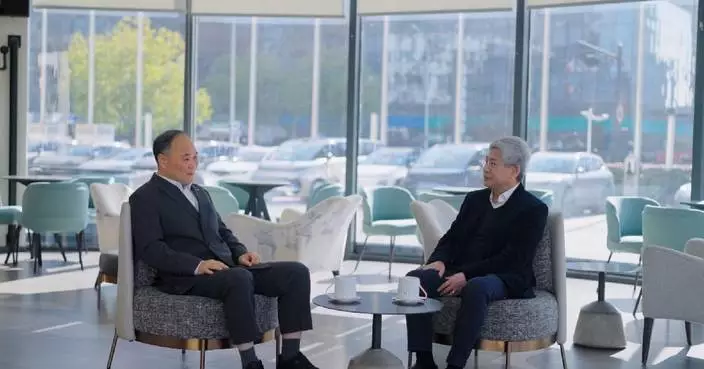
Chinese President Xi Jinping on Thursday visited a food market in Shenyang City of the northeastern Liaoning Province to learn about market supply, daily necessities assurance for residents, and improvements in convenient and people-beneficial services during the upcoming Spring Festival holiday.
Xi made the trip shortly before the Spring Festival, the most important festival for the Chinese people, which falls on Jan 29 this year.
Shenyang Dadong Nonstaple Food Market has a nearly 200-year history. It began operating under public-private partnership in 1956, and in 1984 it was renamed "Dadong Nonstaple Food Market." It is a company under the Shenyang Nonstaple Foods Group, a municipal state-owned enterprise.
The market offers over 7,000 types of products and more than 500 specialty items, including local delicacies such as Goubangzi smoked chicken, Eight Banners handmade sausages, and Sixi meatballs.
Currently, the market consistently maintains stable price and supply, with an average daily customer flow of 20,000 people, ensuring food supply for the residents of Shenyang. Boasting reliable quality and honest pricing, the market has achieved significant economic and social benefits.
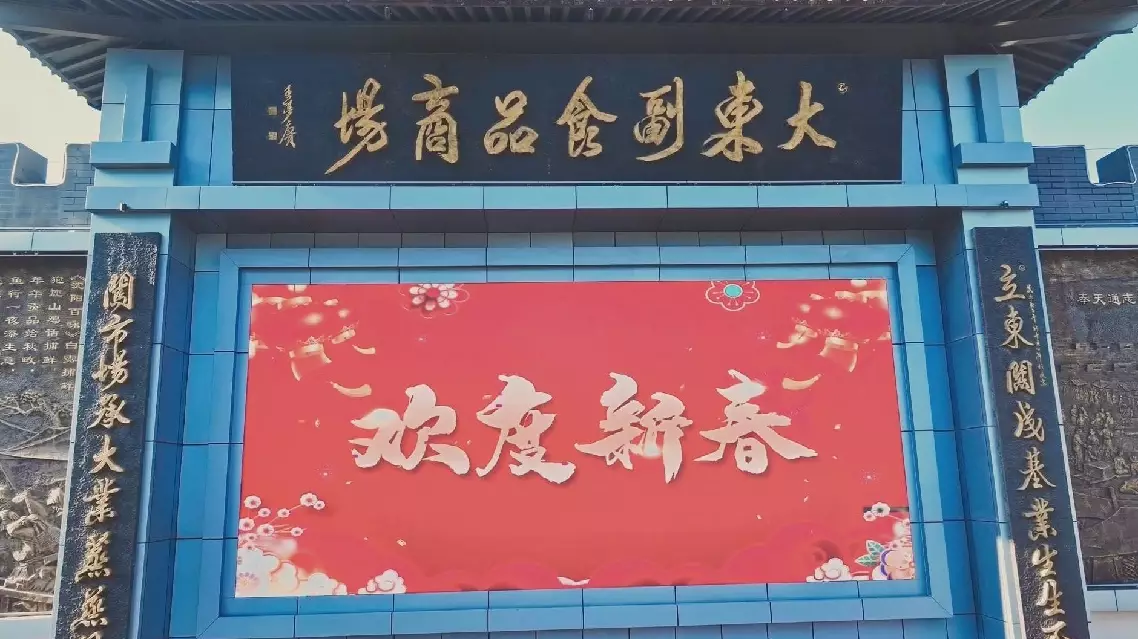
Xi visits food market in Shenyang City ahead of Spring Festival
U.S. President Donald Trump on Wednesday threatened to intensify airstrikes against Iran if a peace deal is not reached, while Tehran vowed it would not let Washington exit the crisis without paying a price.
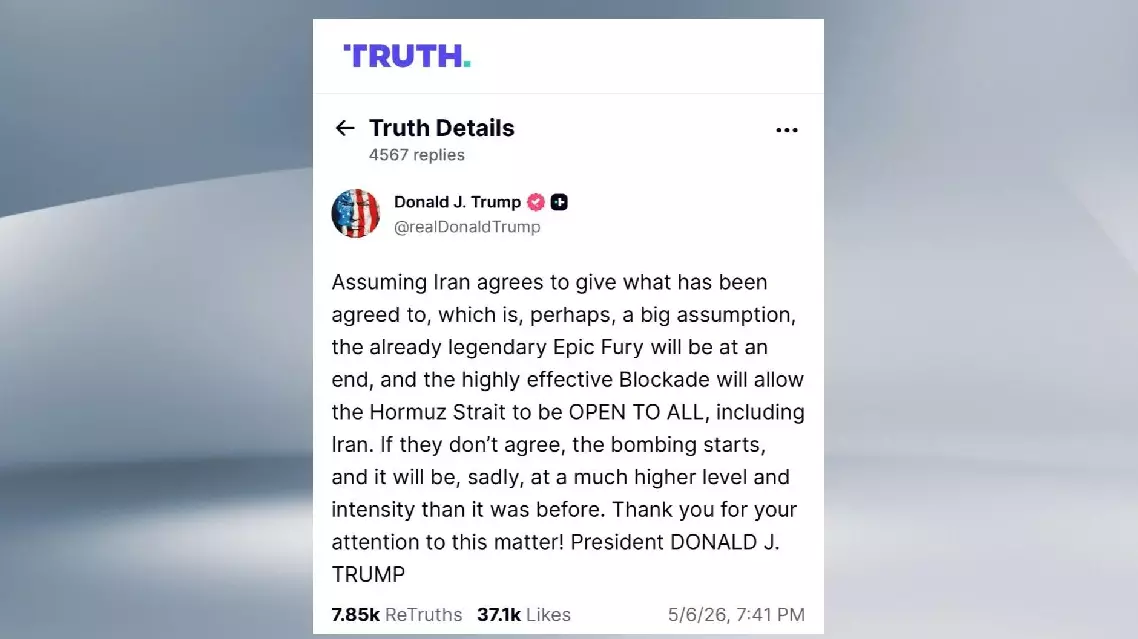
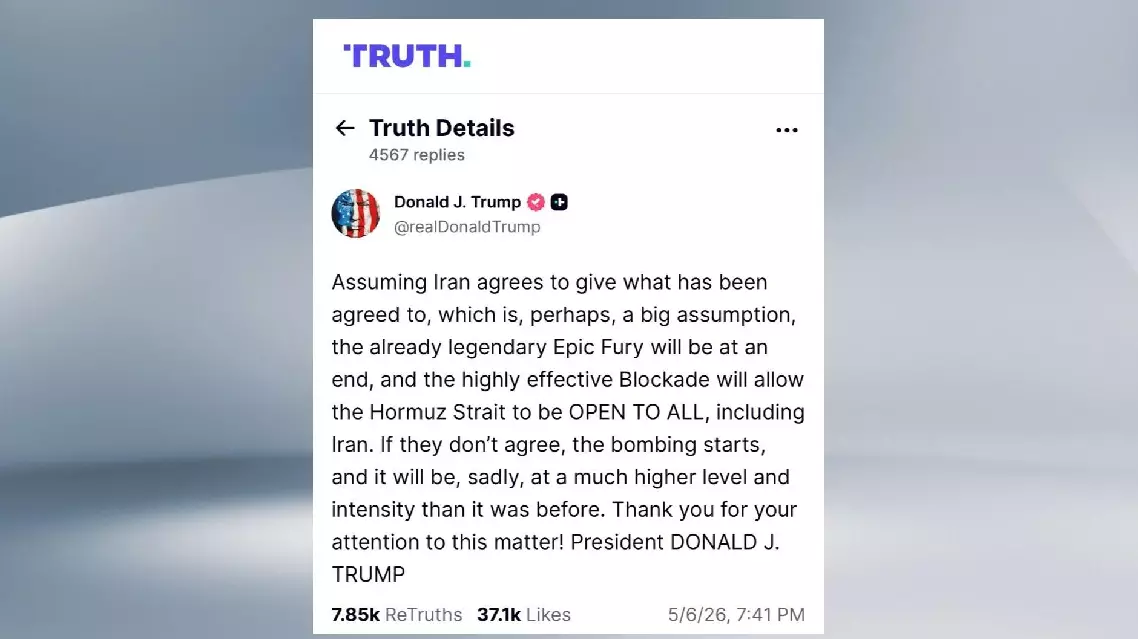
"Assuming Iran agrees to give what has been agreed to, which is, perhaps, a big assumption, the already legendary Epic Fury will be at an end, and the highly effective Blockade will allow the Hormuz Strait to be OPEN TO ALL, including Iran," Trump wrote in a post on Truth Social.
"If they don't agree, the bombing starts, and it will be, sadly, at a much higher level and intensity than it was before," he added.
On the same day, Mohsen Rezaei, a senior military advisor to Iran's Supreme Leader, said in an interview that Iran would not allow the United States to extricate itself from the crisis without paying a price.
Rezaei dismissed the U.S. proposal to reopen the Strait of Hormuz as a "show" designed to facilitate a withdrawal from the region, asserting that Iran would not allow it.
He emphasized that the United States must compensate Iran for incurred losses, adding that Tehran "will certainly obtain its rights and compensation."
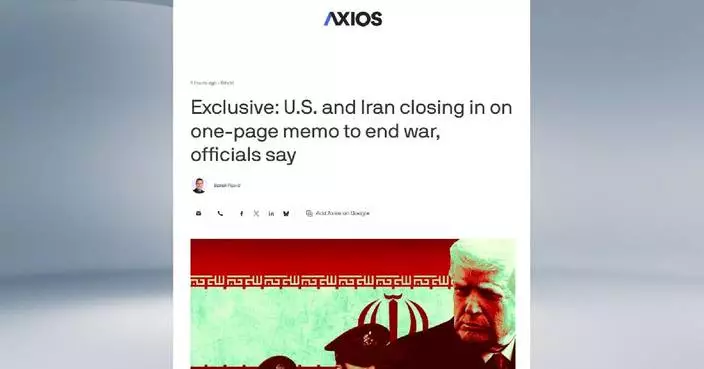
The United States and Iran are close to agreeing a one-page memo to end their war, U.S. online media outlet Axios reported on Wednesday.
A potential deal would involve Iran committing to a moratorium on nuclear enrichment and the United States agreeing to lift sanctions, with both sides lifting restrictions on transit through the Strait of Hormuz, it said.
The New York Post reported on Wednesday that Trump said it is "too soon" to start thinking about face-to-face peace talks between the United States and Iran, despite optimistic reports that the two nations were closing in on a potential framework to end their war.
The United States and Israel began attacks on Tehran and other Iranian cities on Feb 28, killing senior Iranian officials and civilians, including then-Supreme Leader Ali Khamenei. Iran responded with missile and drone attacks against Israel and U.S. interests in the region and tightened control over the Strait of Hormuz.
A ceasefire took effect on April 8. Talks between the Iranian and U.S. delegations in Islamabad on April 11-12 ended without an agreement. After negotiations collapsed, the U.S. imposed a blockade of the strait.
Trump threatens heavier bombing if no deal reached, Iran seeks reparations
Trump threatens heavier bombing if no deal reached, Iran seeks reparations