The 14th National People's Congress (NPC), China's top legislature, will hold the second plenary meeting of its fourth annual session in Beijing on Monday.
Zhao Leji, chairman of the NPC Standing Committee, will present the Committee's annual work report.
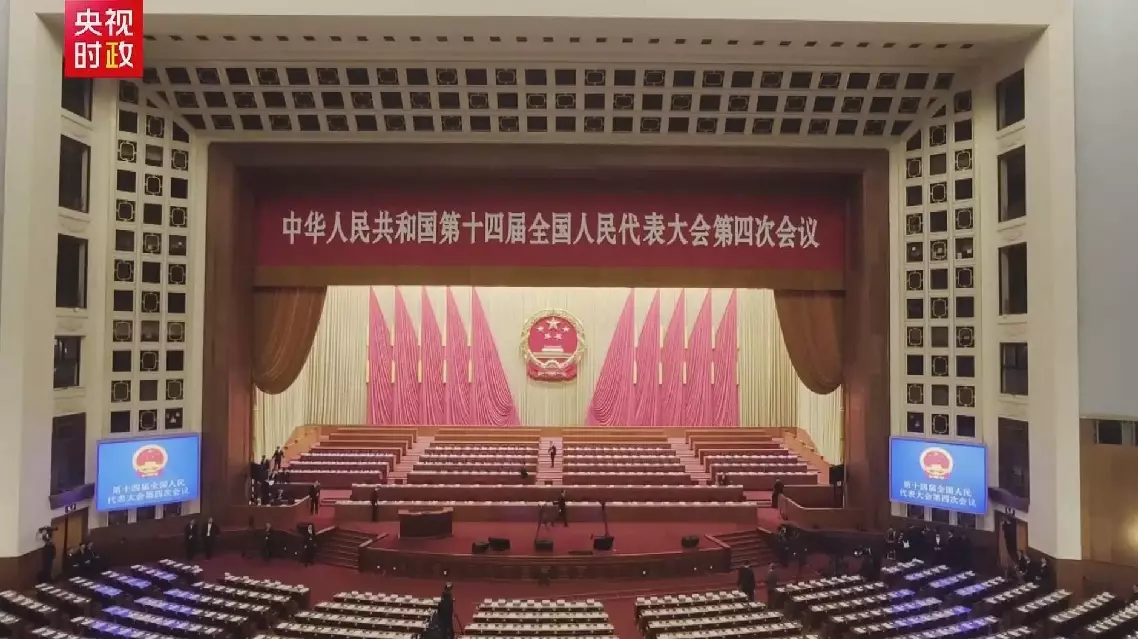
China's top legislature to hold 2nd plenary meeting of annual session
The Langqi passenger terminal in Fuzhou of east China's Fujian Province officially commenced a new departure tax refund initiative for travelers heading on the "mini three links" route on Tuesday, with streamlined measures boosting the efficiency of tax refunds and speeding up customs clearance procedures.
The "mini three links" refers to direct trade, postal and transport services launched in 2001 between Fujian Province and the Taiwan-administered Kinmen and Matsu islands. It serves as a vital, convenient cross-strait passage for personnel exchanges and economic and trade interactions between the Chinese mainland and the Taiwan region.
At the heart of the upgraded service is an optimized procedure dubbed the "one document, one bag, one code" process, a simple and streamlined model designed to shorten clearance time for outbound passengers.
Under this framework, travelers who make purchases at designated pilot tax refund stores can have their qualified goods consolidated into a single sealed bag, with all corresponding tax refund information integrated into a unique QR code printed on the tax refund application form.
When departing via the Langqi passenger terminal, on-site customs officers only need to scan the QR code to retrieve and verify the details relating to the applicant's tax refund application. Travelers can then get quick customs clearance once the information is confirmed to be accurate, with no requirement to open their sealed shopping bags for repeated inspections.
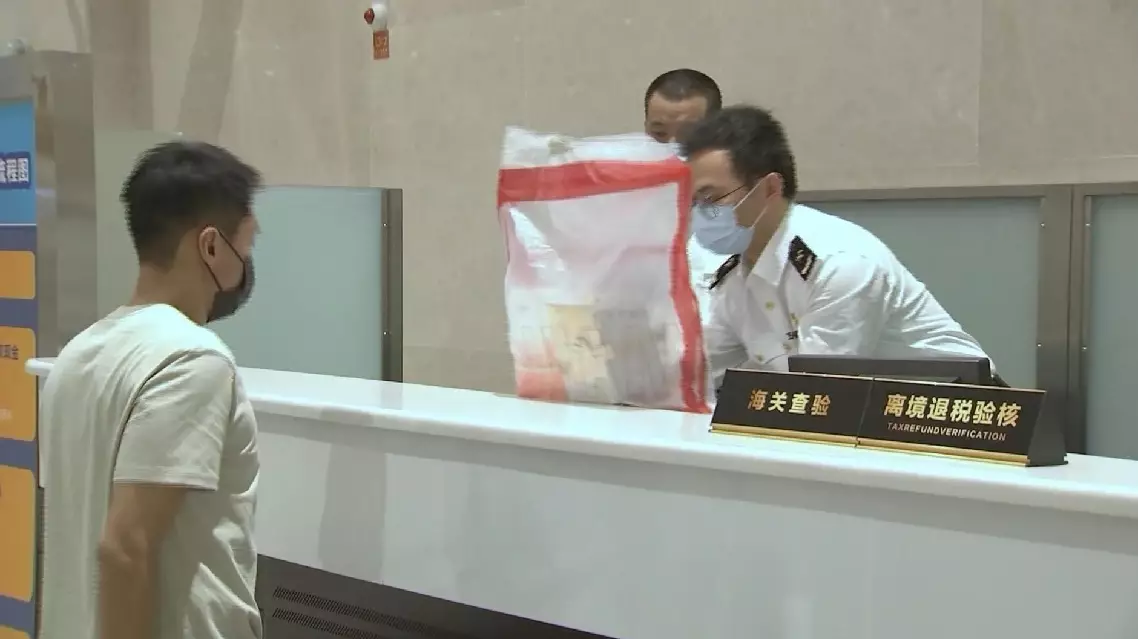
Departure tax refund services launched at "mini three links" port in Fuzhou