Cambodian Acting Head of State and Senate President Samdech Techo Hun Sen met with visiting Chinese Foreign Minister Wang Yi in Phnom Penh on Thursday.
Wang, also a member of the Political Bureau of the Communist Party of China Central Committee, was on a visit to Cambodia to attend the first meeting between foreign ministers and defense ministers of China and Cambodia under the "2+2" strategic dialogue mechanism held on Wednesday. During the meeting, Hun Sen told Wang that China's support and cooperation are Cambodia's greatest source of confidence in achieving development and maintaining security.
He expressed Cambodia's willingness to strengthen strategic communication and cooperation with China, safeguard political security, and enhance economic resilience.
Hun Sen said that Cambodia is determined to fight online gambling and telecom fraud to the end and is willing to continue close cooperation with China in this regard.
Wang said that during Wednesday's meeting, both sides agreed to firmly support each other in safeguarding their core interests, deepen all-round cooperation, strengthen law enforcement and defense cooperation, and enhance multilateral coordination.
He believed that the "2+2" strategic dialog mechanism would effectively enhance mutual strategic trust.
Wang expressed China's willingness to maintain high-level exchanges, expand pragmatic cooperation, and strengthen political security and law enforcement collaboration with Cambodia.
The two sides also exchanged in-depth views on major international and regional situations. Cambodian Prime Minister Hun Manet also met with Wang on Wednesday.
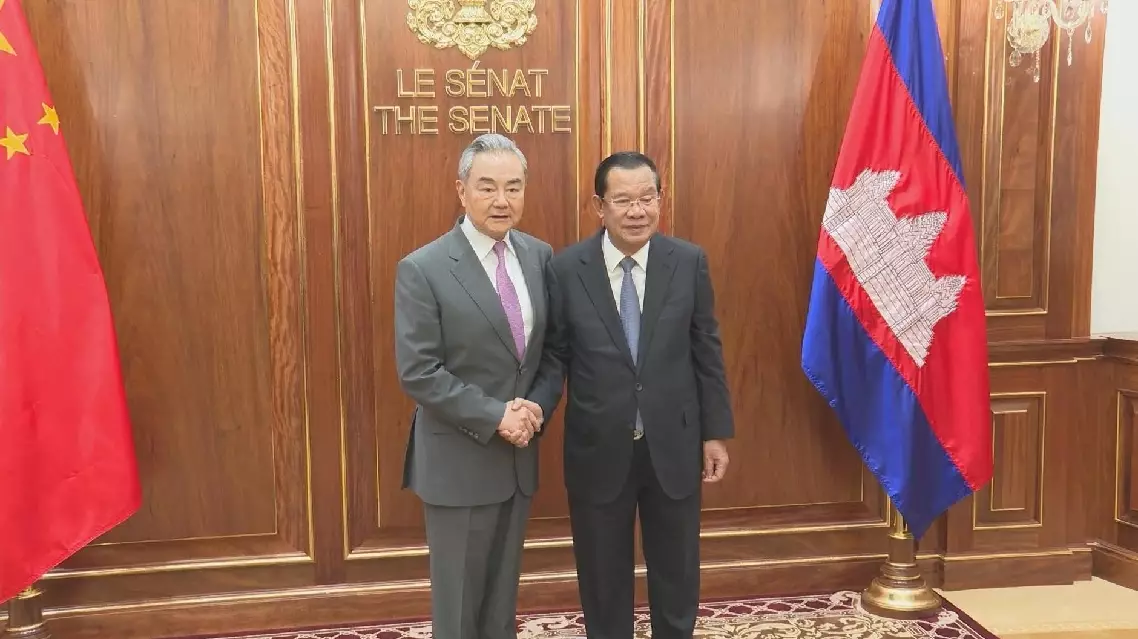
Cambodia's acting head of state meets Chinese foreign minister
As the world marks World Book Day on Thursday, a leading Brazilian expert on China stressed that book cooperation is among the most powerful and enduring tools for dialog between civilizations.
Evandro Menezes de Carvalho, a professor at Macao Polytechnic University and recipient of the Chinese Government Friendship Award, said books serve not only as vehicles of information but as repositories of worldviews and historical memory, making them central to exchanges between China, Brazil and Latin America.
"As an author and editor, I have dedicated myself to producing and disseminating content that explains China to Brazilians and [engages] audiences in a rigorous yet accessible manner. Through my publishing initiative, I have contributed to creating platforms for intellectual exchange, bringing Chinese perspectives into dialog with Brazilian academia, policymakers and the broader public. My books and editorial projects aim not only to inform but to reframe how China is understood, moving from a distant order to a complex and relatable civilizational partner," he said.
Carvalho also pointed to a growing cultural trend beyond the world of publishing. He observed that many foreign visitors to China are no longer content with simply observing from a distance.
He noted that on overseas social media, a wave of young Westerners has embraced the idea of "becoming Chinese" by trying out every day local experiences.
At the same time, China's continued optimization of its entry policies,including more convenient travel services and visa-free arrangements, has made it easier for these visitors to turn their interest into actual journeys across the country.
"What we are observing in China [is] this phenomenon of foreign visitors not only traveling but identifying with China. Foreign tourists are increasingly seeking to live in China rather than simply observe it, engaging with daily life, cultural and social practice. This trend is reinforced by policy measures that facilitate access, such as visa-free regimes and improved digital and consumption infrastructure for foreigners," he said.
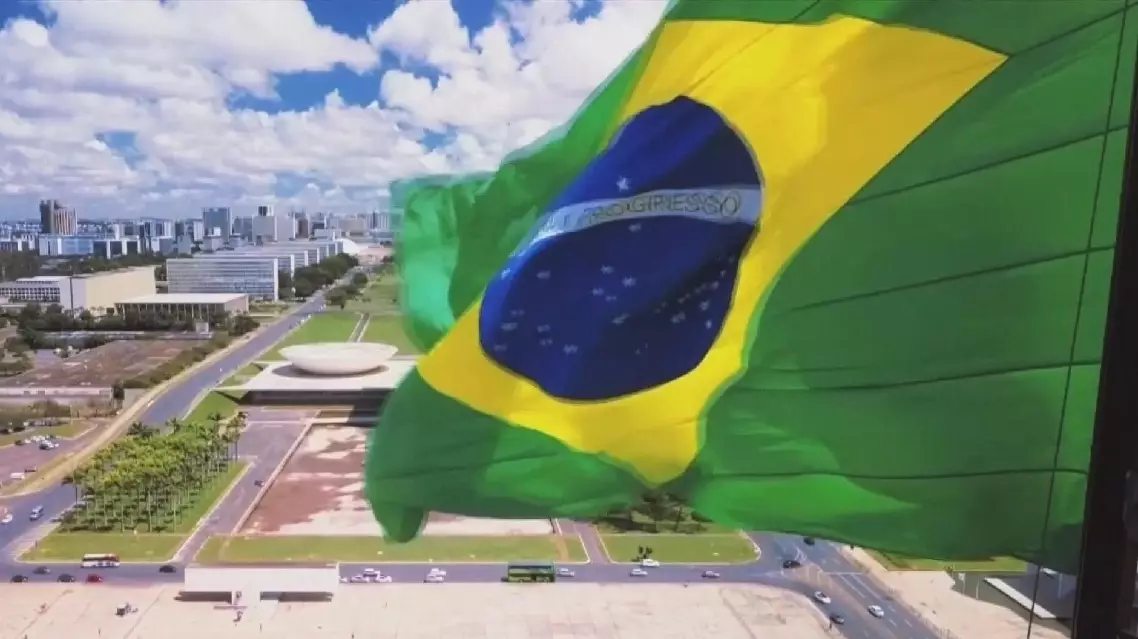
Brazilian scholar stresses book cooperation for China-Latin America dialogue