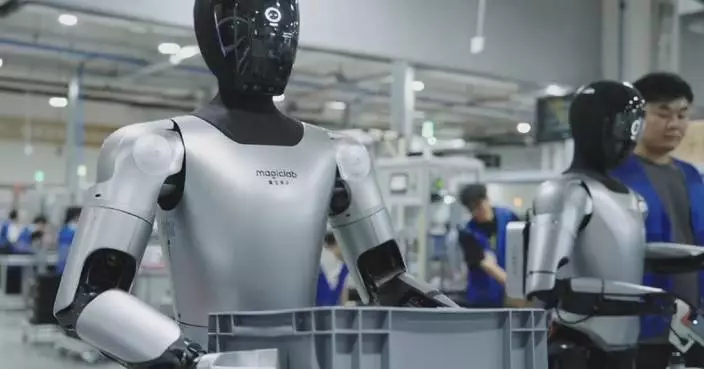
The southern Chinese tech hub of Shenzhen is ramping up efforts to accelerate smart city construction with measures to foster artificial intelligence (AI) industry development.
In Shenzhen, along a stretch of sidewalk are 5G-powered streetlights which are mounted with LED screens, cameras, and microphones. The poles can give out voice alerts when there is illegal parking or littering, and can keep an eye on traffic, air quality, and noise levels.
Besides, the city's subway riders don't need a metro card or phone, but their face to make a payment. And there are self-service kiosks in subway stations, which use speech recognition, AI, and biometric tech to offer assistance to passengers.
The digital transformation of infrastructure is likely to speed up in Shenzhen, as the city, which is already home to over 2,000 AI companies, announced in December 2024 a slew of measures to build itself into a pioneer city for AI.
In a recent interview with the China Global Television Network (CGTN), a local official elaborated on the incentives Shenzhen has launched to encourage the development of AI sector in the city.
"The new measures are all about making computing, models and data more affordable for businesses. The next step is to lower AI deployment costs across industries. For example, 'model coupons' will help save on AI models, and the government is setting aside up to 50 million RMB each year to fund scalable AI solutions. In industrial sectors, up to 100 million RMB will go towards supporting AI-driven projects. When it comes to smart products, there's strong backing for AI hardware and software, like robots, AI PCs, and wearables, with rewards of up to three million RMB for top-selling products. To help startups, small businesses will get rent exemptions for six months to three years, along with full support in computing, data, funding and talent. Plus, the government is teaming up with private capital to create a trillion-RMB AI ecosystem and a 10-billion RMB fund for AI and robotics, all while providing comprehensive support for talent," said Lin Yi, director of Shenzhen Artificial Intelligence Industry Office.
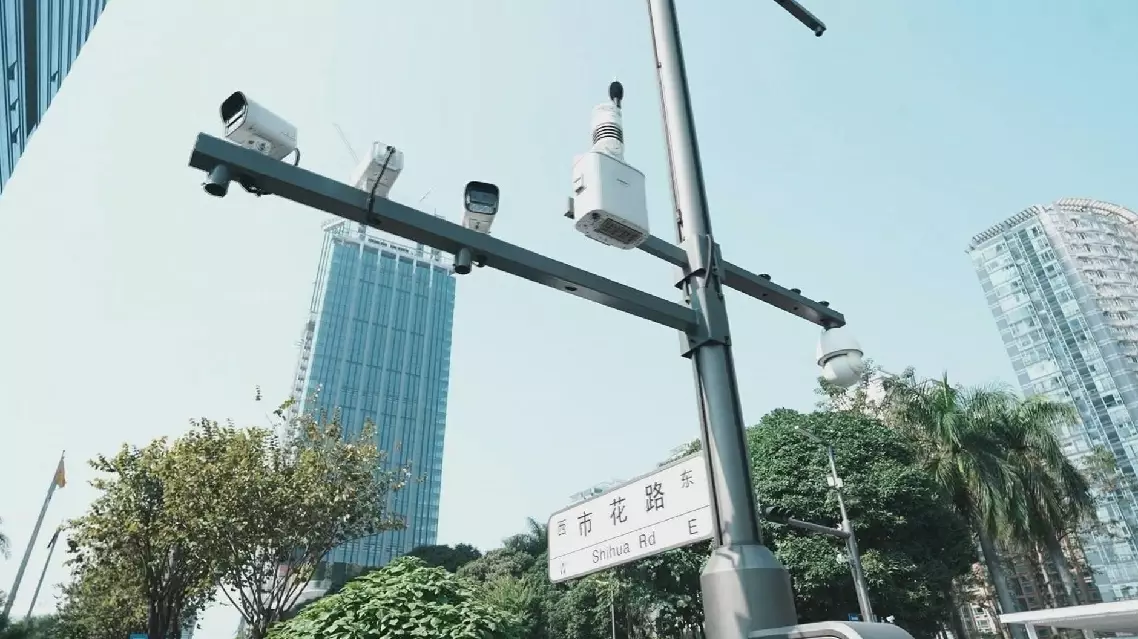
China's tech hub trailblazing AI-powered smart city construction
High in the Himalayas, Lhasa, the capital of southwest China's Xizang Autonomous Region, has quietly become one of the country's most caffeinated cities, signaling a fresh business wave in this ancient cultural hub.
With more than 800 coffee shops now serving a population of under one million, the city hosts roughly one cafe for every 1,200 residents, giving it one of the highest cafe densities in the country.
But this is not simply a transplant of Western coffee culture. On Barkhor Street in Lhasa's old town, a historic Buddhist pilgrimage circuit, baristas are stirring centuries-old yak cheese into espresso -- a blend that mirrors the city's transformation from a spiritual center into a modern regional hub.
"We have got this great Xizang-style vibe. There are plenty of cafes in Lhasa, but we are special. Locals -- even 80-year-olds -- come here for Americanos. Plus, lots of tourists, including foreigners, come just to check us out," the owner of Senxia Coffee, a local hotspot, said, revealing the secret behind his cafe's pull.
That dedication to innovation and presenting Xizang's culture through every cup have earned the shop a loyal following.
"I make a trip here once a year. It is my fourth year coming. The taste never changes, but they always have a new special to try -- and it is always great!" said a tourist from the eastern municipality Tianjin.
"It's very unique, I like it a lot. It's good coffee and it's a very nice place. The courtyard here is different than a courtyard in Germany would be," a German tourist offered similar praise.
In 2025, Lhasa's GDP crossed the 100-billion-yuan (about 14.7 billion US dollars) mark creating fertile ground for entrepreneurs, who found coffee as a light-asset business easy to start with -- small footprint, fast setup, easy to brand.
Amid intense competitions, businesses loyal to their hometown and home culture wins, Senxia's owner said.
"There are tons of entrepreneurs here. Local college grads are coming back to start businesses, and friends from inland are moving here to do the same. So the competition is actually fierce. With so many cafes around, we feel pretty lucky to have made it, and we have definitely got our own unique vibe," he said.
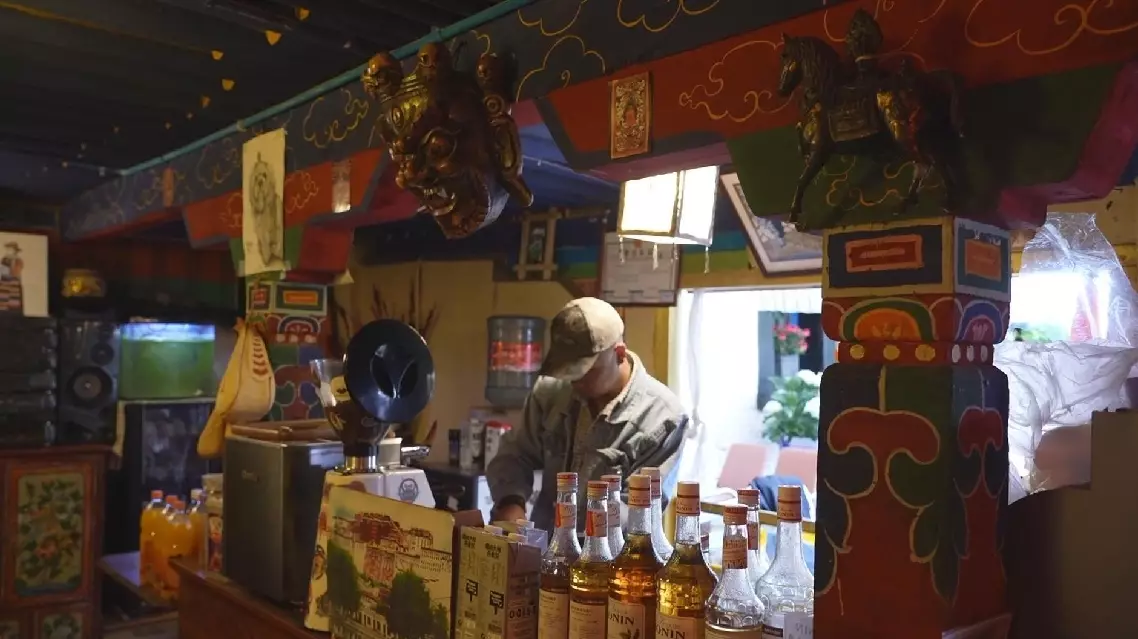
Lahsa sees booming coffee scene infused with local culture
Lahsa sees booming coffee scene infused with local culture