Egypt is ready to receive injured or sick Palestinians who are entering the country for health care through the Rafah crossing, which resumed operation on Saturday, according to the country's officials.
Since May 2024, the Palestinian side of the crossing has been controlled by Israel, which had blocked its operation until the recent ceasefire agreement.
Starting Saturday, the Rafah crossing has allowed Palestinians to exit Gaza for the first time in nine months, but currently, only those who are injured or sick are permitted to leave.
On the first day of reopening, around 37 Palestinians managed to cross, along with eight prisoners released from Israel as part of the hostage exchange on the same day.
International monitors had arrived at the Palestinian side of the crossing prior to its reopening to oversee the process.
Khaled Megawer, Governor of North Sinai in Egypt, said that the country is ready to accommodate the Palestinians.
"The Egyptian side was already 100 percent [ready], the Palestinian side has lots of damage and it needs to be rebuilt. And I think within days it finished and it's ready, there is some people from the Palestinian authority accompanied with some people from the EU to control the Palestinian side," he said.
The Rafah crossing is now operating in one direction, allowing only Palestinians to come out of Gaza. During this period, it is exclusively dedicated to those in critical health conditions or severely injured, requiring advanced medical care.
Palestinians who have managed to flee Gaza during the conflict are not yet allowed to return to the enclave via the crossing.
The first batch of Palestinians arriving in Egypt will be hospitalized in North Sinai.
As the ceasefire agreement proceeds, Egypt is shifting its focus toward addressing the future of the Palestinian crisis.
"What is next? How are we going to solve that conflict? Because it was extended since 1948 and the military action will not gain anything. It just lost people, injured people and [doing] damage for buildings everywhere. So I think we as an international society have to think seriously about the next step," said Megawer.
The Rafah crossing has been a key gateway for delivering relief supplies donated by Egypt, other countries and international organizations to the war-torn Gaza.
On Jan 19, the Rafah crossing was reopened from the Egyptian side as part of a ceasefire agreement between Hamas and Israel. It resumed operation on Saturday after the fourth batch of the first phase of the prisoner exchange and ceasefire deal between the two sides.
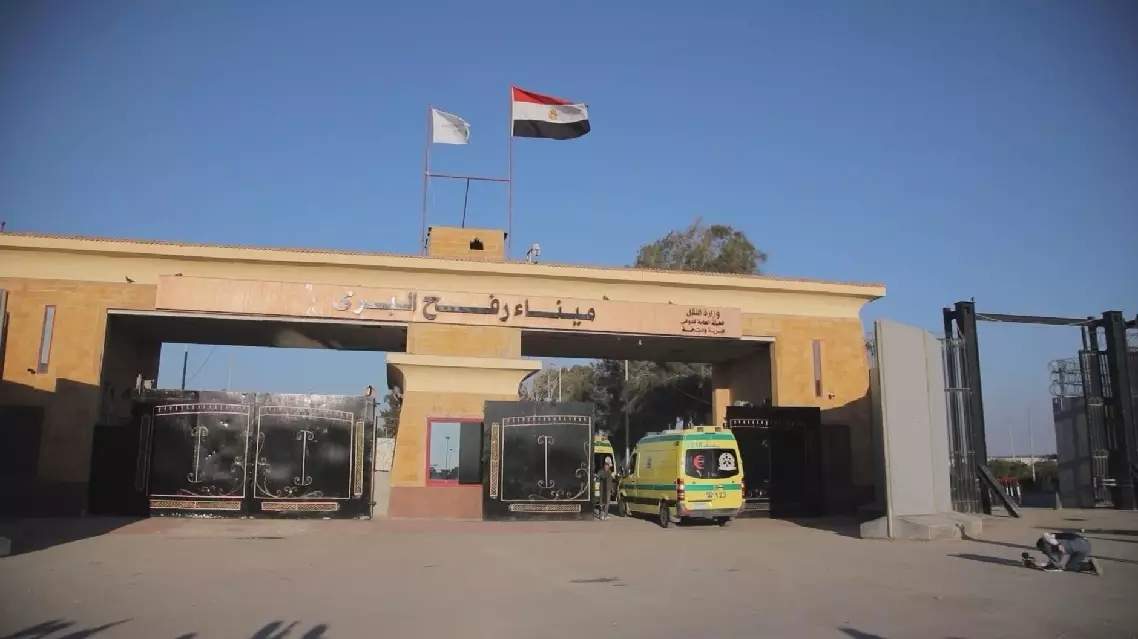
Egypt reopens Rafah crossing for Palestinians seeking health care: officials
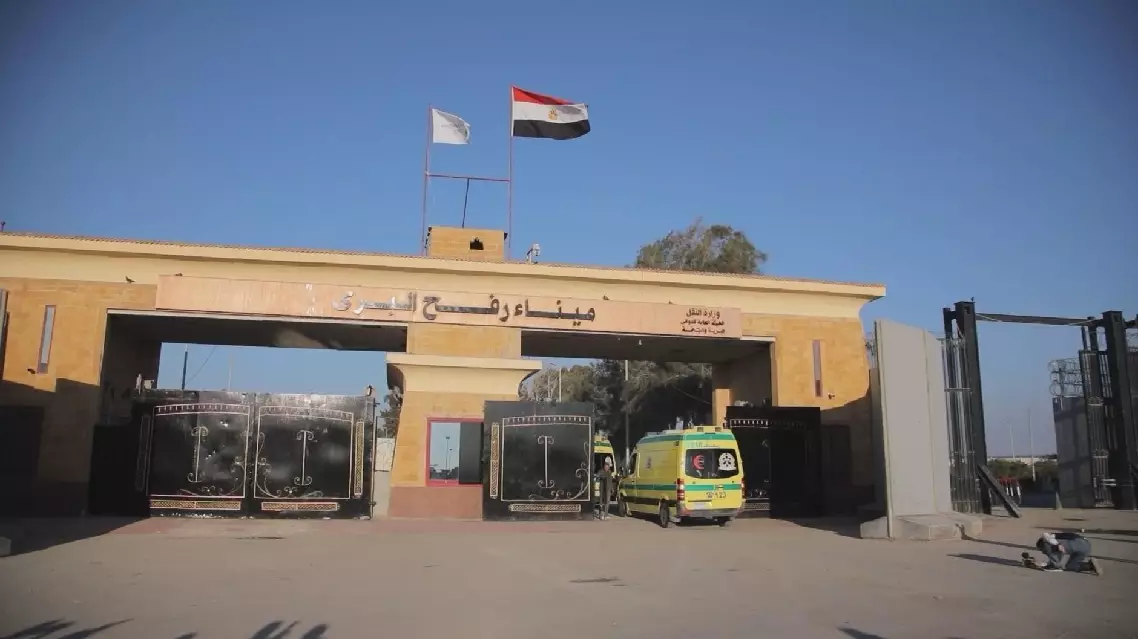
Egypt reopens Rafah crossing for Palestinians seeking health care: officials
Egypt reopens Rafah crossing for Palestinians seeking health care: officials