To mark Chinese Sturgeon Protection Day, around 550,000 Chinese sturgeons were released into Jingzhou and Yichang sections of the Yangtze River in central China's Hubei Province, as well as in Shanghai, on Saturday.
Nicknamed "aquatic pandas," Chinese sturgeons have existed for over 140 million years. However, the natural population of the species in the Yangtze plummeted in the late 20th century due to intrusive human activities.
The fish is primarily protected through artificial breeding followed by release into the natural environment. In recent years, China has made significant conservation efforts, including expanding artificial breeding and release and fostering natural breeding of the species.
The annual releases of captive-bred Chinese sturgeons have exceeded 1 million for two consecutive years since 2024, effectively replenishing wild populations of the endangered species.
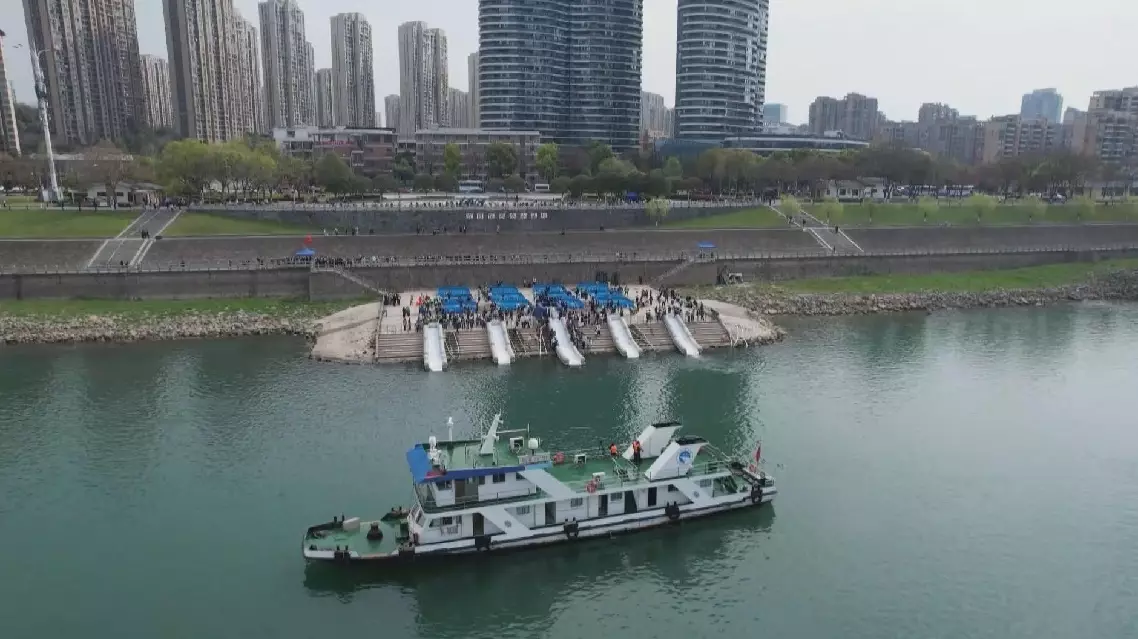
550,000 Chinese sturgeons released into Yangtze River
The European Union is facing the risk of a stagflationary shock as the ongoing conflict in the Middle East is driving up energy prices and clouding the economic outlook, European Commissioner for Economy Valdis Dombrovskis said on Monday.
The European Commission's spring 2026 economic forecast, to be released later this week, will see economic growth figures adjusted down and inflation figures up, said Dombrovskis during an interview while attending a meeting of finance ministers from the Group of Seven (G7) in Paris.
With the Strait of Hormuz closed and oil prices staying above 100 U.S. dollars per barrel, fears of stagflation have risen in recent weeks, said Dombrovskis, adding that the margin of action by policymakers is "more limited" now.
The commissioner said it's important that the bloc take temporary, targeted support measures rather than measures that sustain high demand for fossil fuels.
Dombrovskis also described the EU's release of strategic oil reserves as "ongoing," while warning of concerns about shortages in areas such as innovative fuels.
The International Energy Agency Executive Director, Fatih Birol, said on Monday that commercial oil stocks are declining "rapidly", with several weeks of supply left due to the consequences of the conflict in the Middle East.
Europe could face fuel shortages by the end of this month.
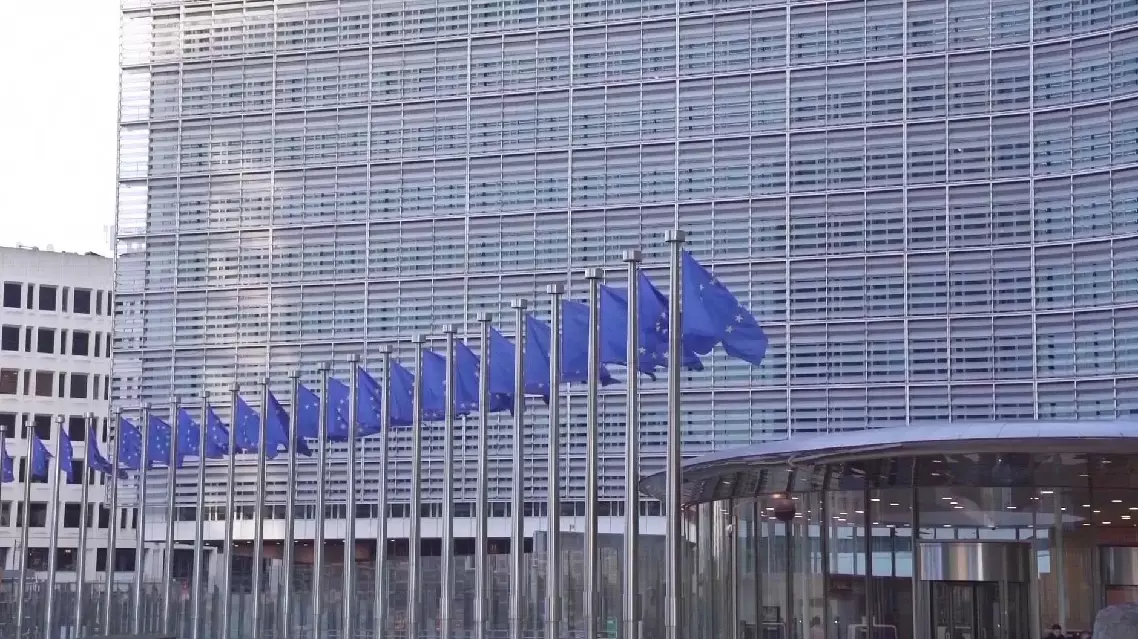
EU at risk of stagflation amid Middle East conflict: commissioner