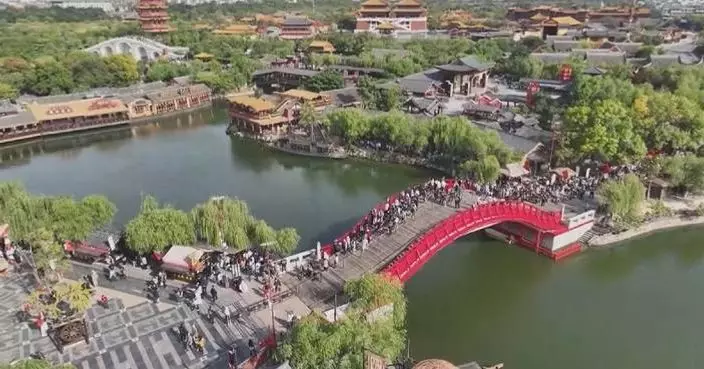
Traditional delicacies are a must for Chinese people's celebration of the Spring Festival, especially with those in eastern and northwestern China.
The festival, or the Chinese New Year, marks the beginning of the lunar new year, and is a time for family reunions and cultural festivities, as well as for making best wishes.
This year, the Spring Festival fell on January 29, ushering in the Year of the Snake -- the sixth animal in the 12-year Chinese zodiac cycle. In Taizhou City of east China's Jiangsu Province, the morning tea culture is a local culinary highlight.
During the Spring Festival, morning tea shops across the streets and alleys of the city are bustling with business.
Taizhou's morning tea is famous for its hot shredded tofu with baozi, steamed dumplings, shaomai and a bowl of fish soup noodles, all of which are traditional Chinese foods.
This rich combination of nutrition and flavor attracts food lovers from all over the country.
"We happened to be here for the New Year, so I brought my elders and children here for a traditional early tea to experience the festive atmosphere, " said a visitor from neighboring Changzhou City.
A time-honored morning tea shop also showcased the art of making distinctive noodles called the jumping noodles. With a dough under a wooden rod, the chef sits on the opposite end of the rod, jumping up and down to process the dough.
Then, the dough is rolled and sliced into fine strips, creating chewy noodles.
The chefs then simmer the noodles in a rich broth made from yellow eel bones, pork bones and carp.
A traditional banquet consisting of 13 different dishes is a big draw during the Spring Festival in Xiji County, northwest China's Ningxia Hui Autonomous Region.
In Xiji, gathering around the table to enjoy this feast is an essential ritual for the Chinese New Year.
The meal consists of nine steamed dishes such as crispy meat, meatballs and mutton, along with a plate of fish and three cold dishes.
Its emphasis on steamed dishes preserves the natural flavors of the ingredients while creating a delicate taste suitable for all ages.
"The family gathering (for a meal) signifies perfection and reunion," said Ma Xiaohua, a local resident.
"This is a specialty dish and a traditional dish. My New Year's wish is for the health and safety of my family," said Ma Xiaojing, another resident.
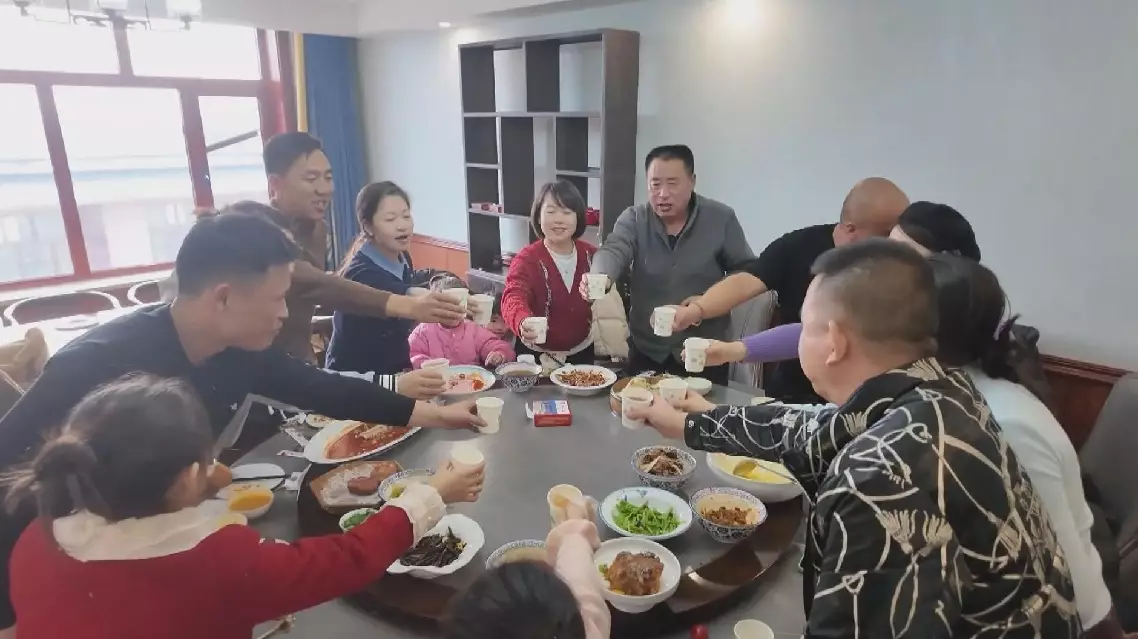
Traditional delicacies indispensable in celebrating Chinese New Year
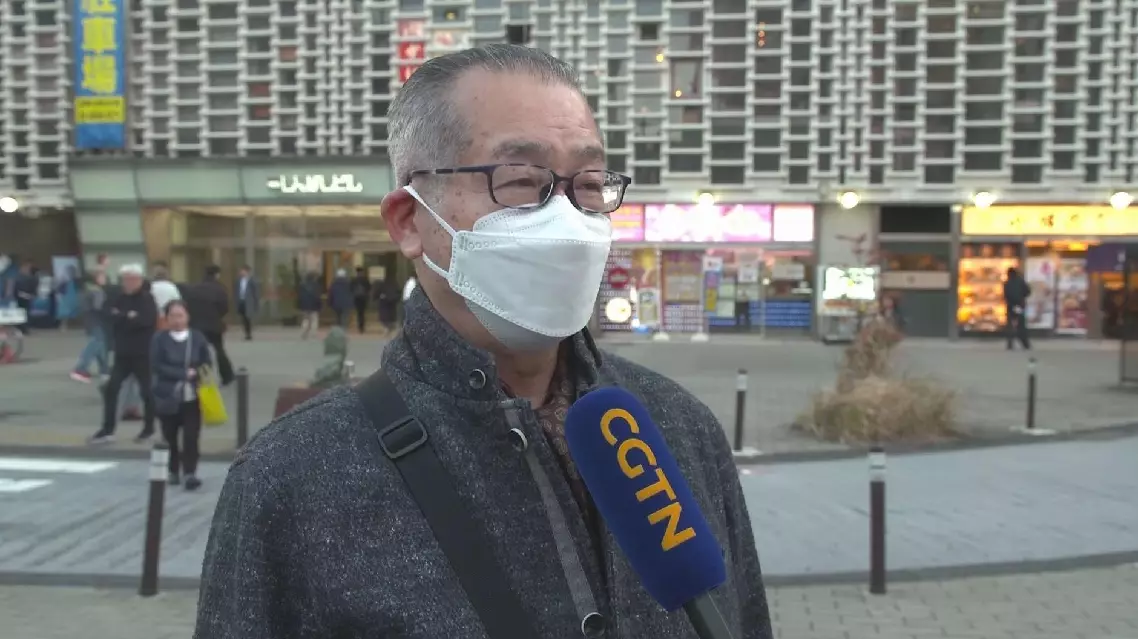
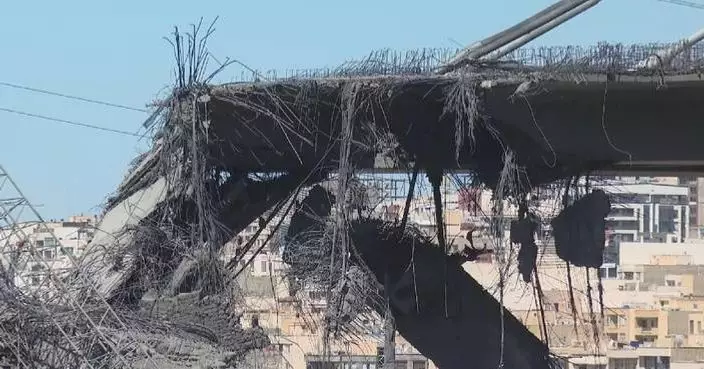
A major port in northern Venezuela came under U.S. airstrikes in the early hours of January 3, which caused extensive damage to civilian infrastructure, destroyed critical medical supplies in a warehouse, and severely impacted centuries-old cultural heritage sites, according to local residents.
The La Guaira Port, a vital hub for imports that support daily life in the region, was heavily damaged during the attack.
Large quantities of medical supplies stored at the port were destroyed. A historic cultural building dating back for some 300 years was also badly damaged by the bombardment.
Residents living near the port recalled the terrifying scenes as explosions shook nearby neighborhoods.
Humberto Bolivar, who lives in a community separated from the port by only a main road, said the blast waves shattered his home's windows, while stray shrapnel struck the water tank on his roof. According to reports, three missiles were fired at the port that night.
Bolivar said that beyond material losses, he is most concerned about the psychological impact on his children, who remain too frightened to leave their home days after the attack.
"The United States invaded our country. The children were frightened. This is not good for them, because it leaves some children with psychological trauma. They do not want to go to school or leave the house, because they are afraid that something worse might happen. We truly do not want this to happen to our country," he said.
Apart from civilian facilities, local cultural heritage site was also affected.
The La Guaira state government building, a structure with nearly 300 years of history and once served as the site of Venezuela's first national customs office, was struck by the force of the explosions.
Windows of the building were shattered, and furniture scattered across the floor.
"As people of La Guaira, we feel deep pain. Our cultural heritage has been bombed. We are living in constant anxiety and suffering, and life can no longer be the same as it was before," said a local named Henry Cumares.
The U.S. side has claimed the airstrikes targeted warehouses allegedly used to store narcotics. However, locals refuted such accusation.
"According to what Donald Trump said, they bombed this place using the excuse that the warehouses here were used to store drugs at the port. But based on the video released by our governor, these warehouses that were burned contained medicine for kidney patients and foods. Many people depend on these supplies to survive. I think the bombing is extremely despicable," said a local resident named Alejandro Capriles.
US strike hits Venezuelan port, wrecking medical supplies, heritage building