Skip to Content Facebook Feature Image

From urban bars to country weddings, Moroccan folk singers break barriers and keep traditions alive

News

From urban bars to country weddings, Moroccan folk singers break barriers and keep traditions alive
News

News

From urban bars to country weddings, Moroccan folk singers break barriers and keep traditions alive

2025-02-03 22:40 Last Updated At:23:02

SIDI YAHYA ZAER, Morocco (AP) — Mbarka Moullablad’s family frowned when she first told them she planned to make a living as a cheikha, singing about love, pain, and societal change to the melodies of her ancestors under the stage name “Thouria.”

Women like her are the stewards of one of Morocco’s most cherished oral traditions: a form of folk singing known as aita, which means a “cry” or “lament” in Arabic. From smoky bars and cabarets in Morocco’s largest cities to the gatherings in the country’s rural regions, they croon at weddings, festivals and private events and pub nights, hypnotizing audiences both humble and wealthy.

More Images
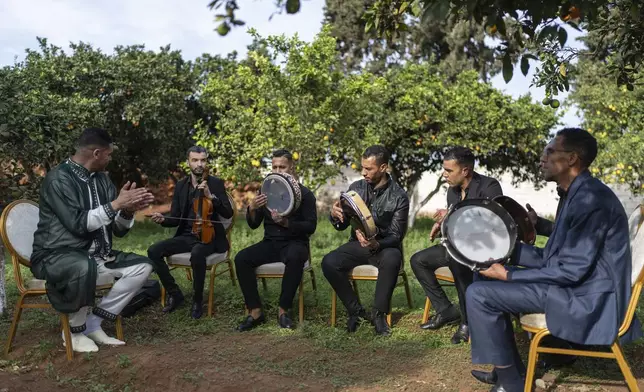
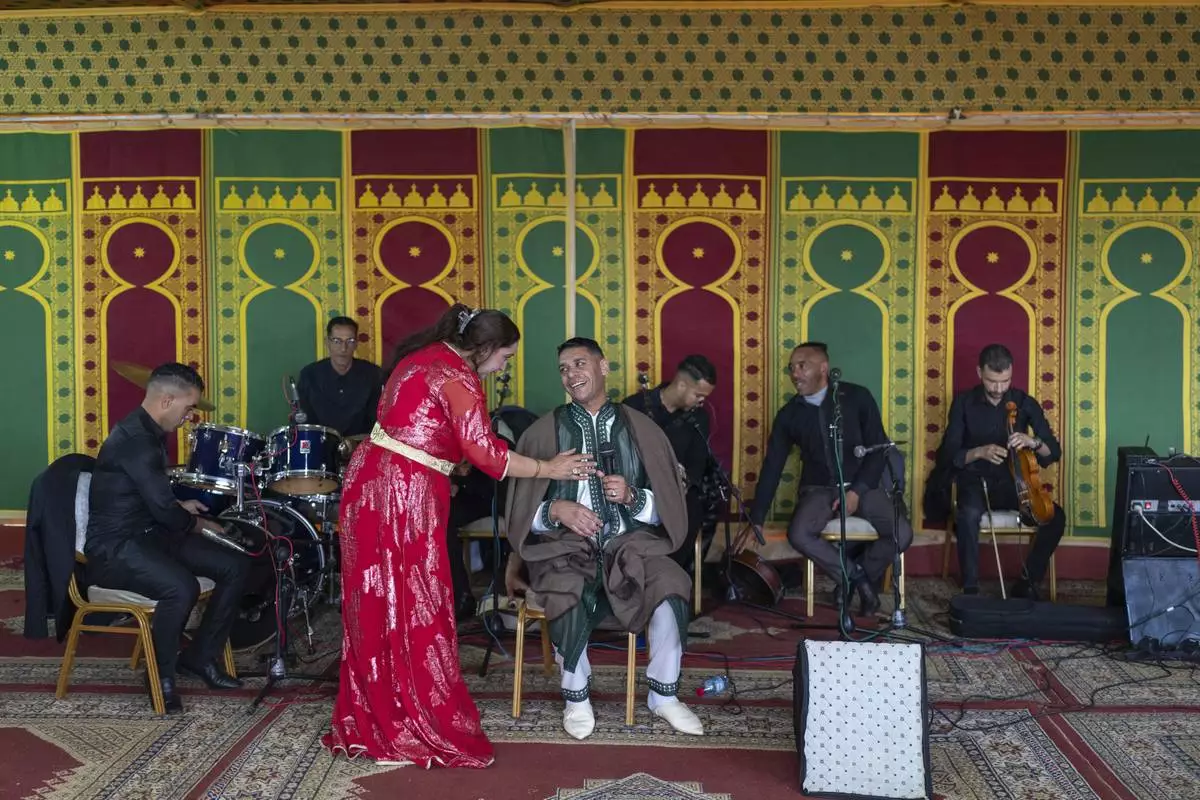
A music band prepares for a traditional performance known as Aita, in Sidi Yahya Zaer, south of the capital Rabat, Morocco, Monday, Jan. 27, 2025. (AP Photo/Mosa'ab Elshamy)
A music band prepares for a traditional performance known as Aita, in Sidi Yahya Zaer, south of the capital Rabat, Morocco, Monday, Jan. 27, 2025. (AP Photo/Mosa'ab Elshamy)
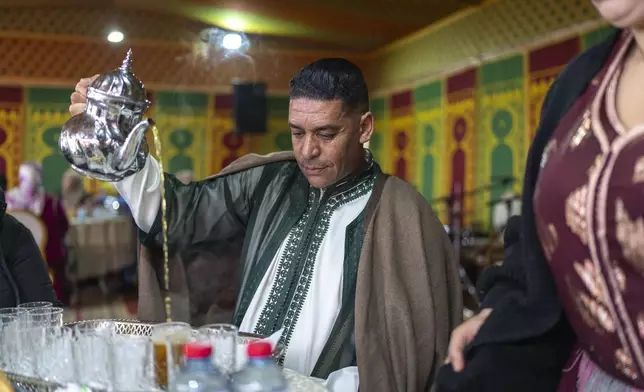
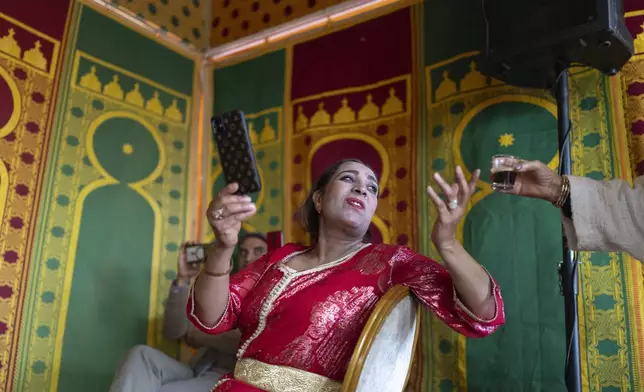
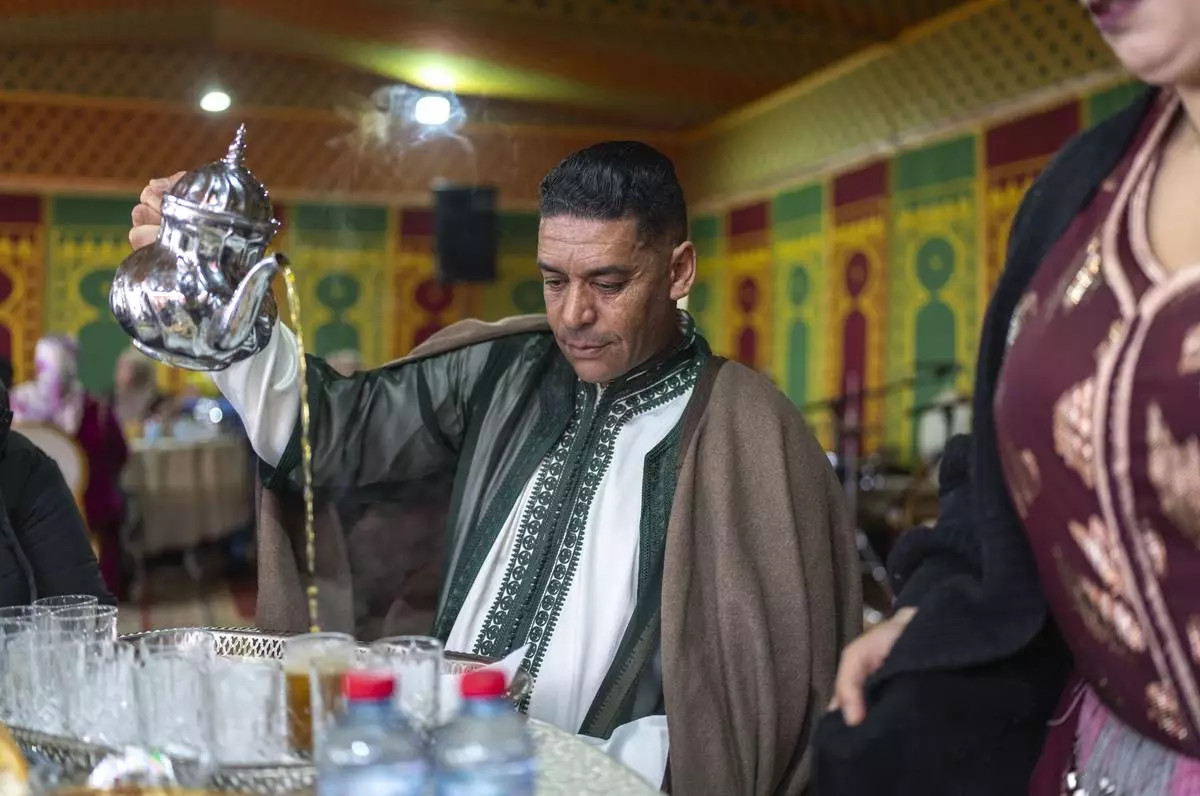
Moroccan tea is distributed during a traditional performance known as Aita, in Sidi Yahya Zaer, south of the capital Rabat, Morocco, Monday, Jan. 27, 2025. (AP Photo/Mosa'ab Elshamy)
Moroccan tea is distributed during a traditional performance known as Aita, in Sidi Yahya Zaer, south of the capital Rabat, Morocco, Monday, Jan. 27, 2025. (AP Photo/Mosa'ab Elshamy)
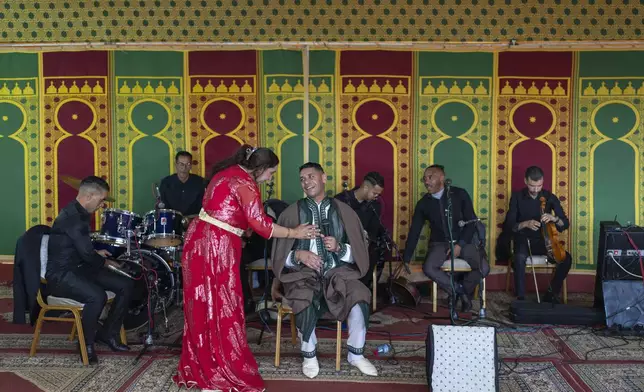
Cheikha folk singer Mbarka "Thouria" Moullablad talks to her band during a traditional performance known as Aita, in Sidi Yahya Zaer, south of the capital Rabat, Morocco, Monday, Jan. 27, 2025. (AP Photo/Mosa'ab Elshamy)
Cheikha folk singer Mbarka "Thouria" Moullablad talks to her band during a traditional performance known as Aita, in Sidi Yahya Zaer, south of the capital Rabat, Morocco, Monday, Jan. 27, 2025. (AP Photo/Mosa'ab Elshamy)
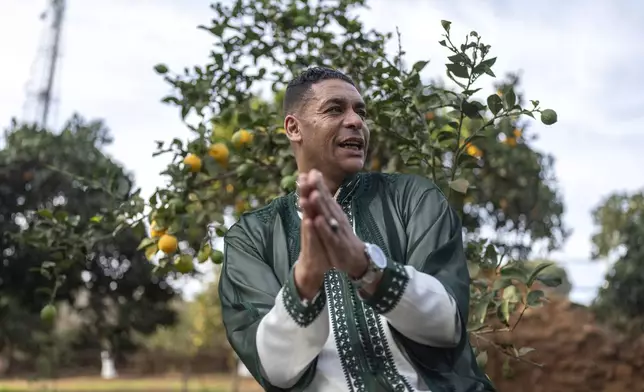
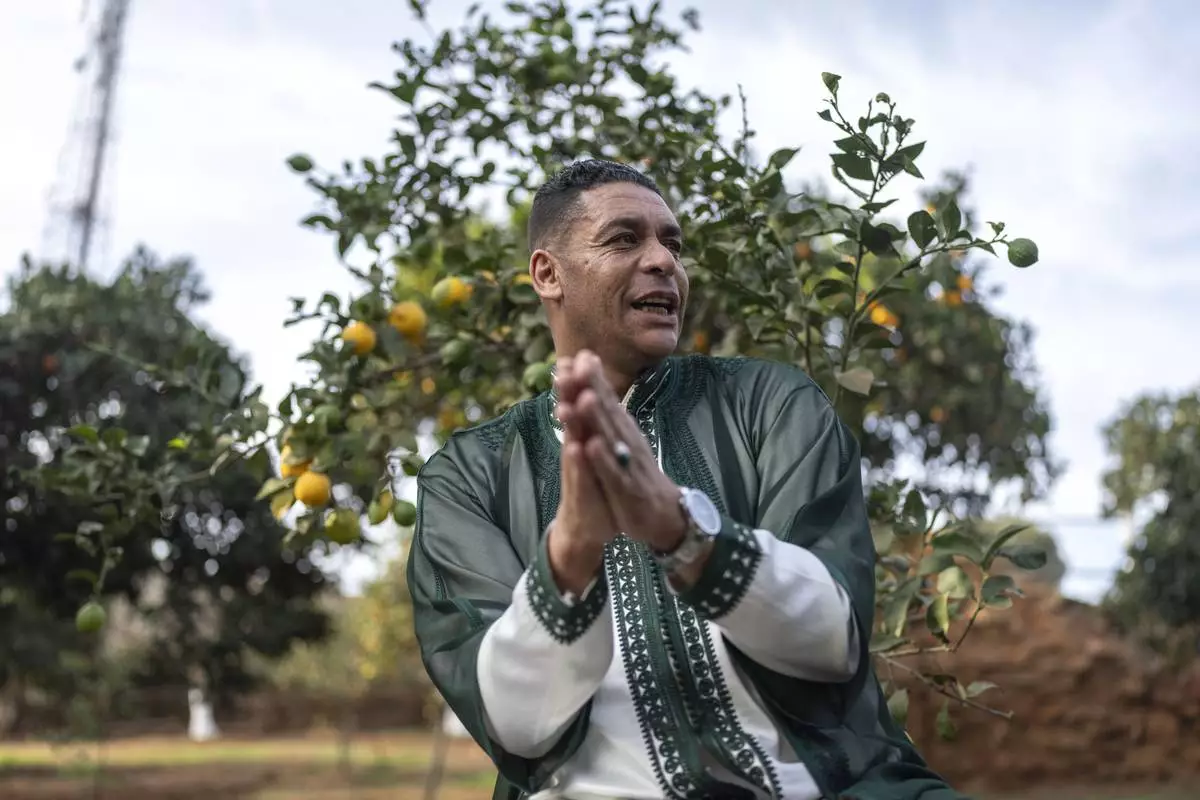
Rachid Kadari claps as he prepares for a traditional performance known as Aita, in Sidi Yahya Zaer, south of the capital Rabat, Morocco, Monday, Jan. 27, 2025. (AP Photo/Mosa'ab Elshamy)
Rachid Kadari claps as he prepares for a traditional performance known as Aita, in Sidi Yahya Zaer, south of the capital Rabat, Morocco, Monday, Jan. 27, 2025. (AP Photo/Mosa'ab Elshamy)
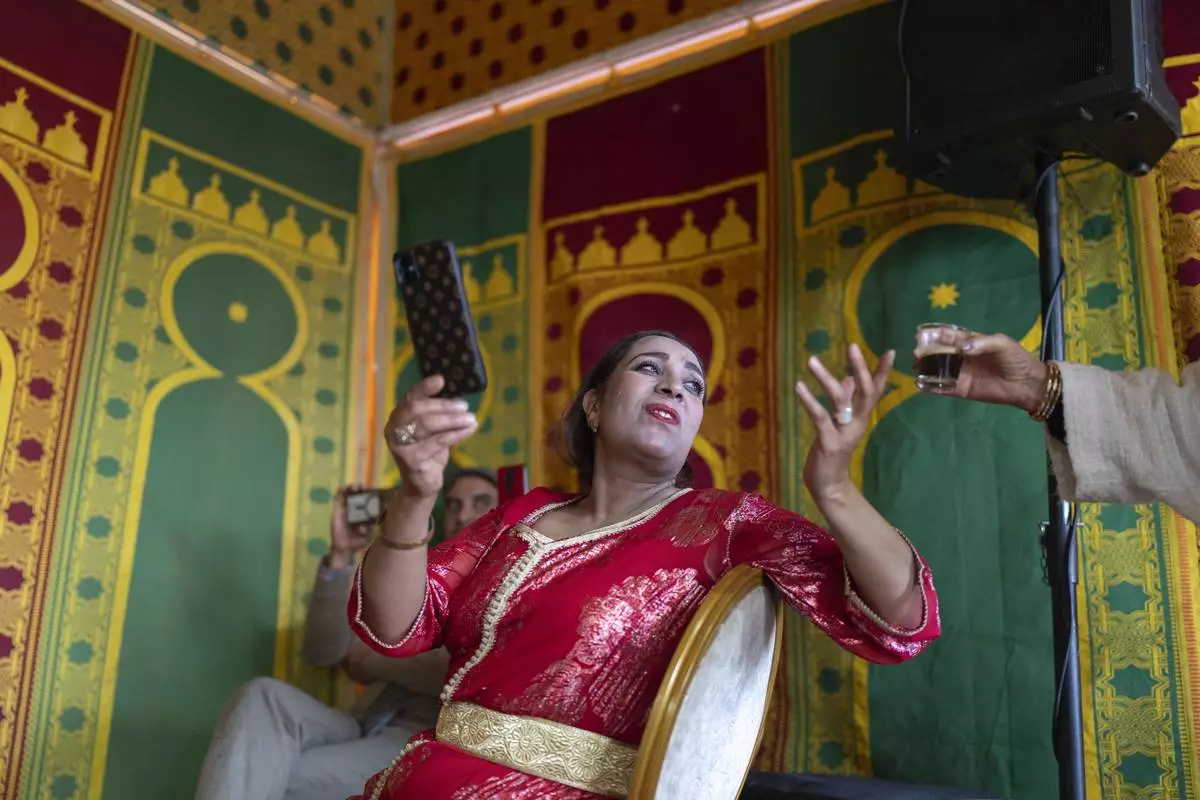
Cheikha folk singer Mbarka "Thouria" Moullablad drinks a coffee during a traditional performance known as Aita, in Sidi Yahya Zaer, south of the capital Rabat, Morocco, Monday, Jan. 27, 2025. (AP Photo/Mosa'ab Elshamy)
Cheikha folk singer Mbarka "Thouria" Moullablad drinks a coffee during a traditional performance known as Aita, in Sidi Yahya Zaer, south of the capital Rabat, Morocco, Monday, Jan. 27, 2025. (AP Photo/Mosa'ab Elshamy)
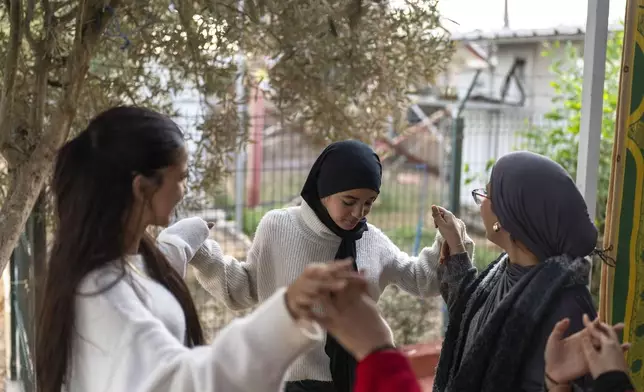
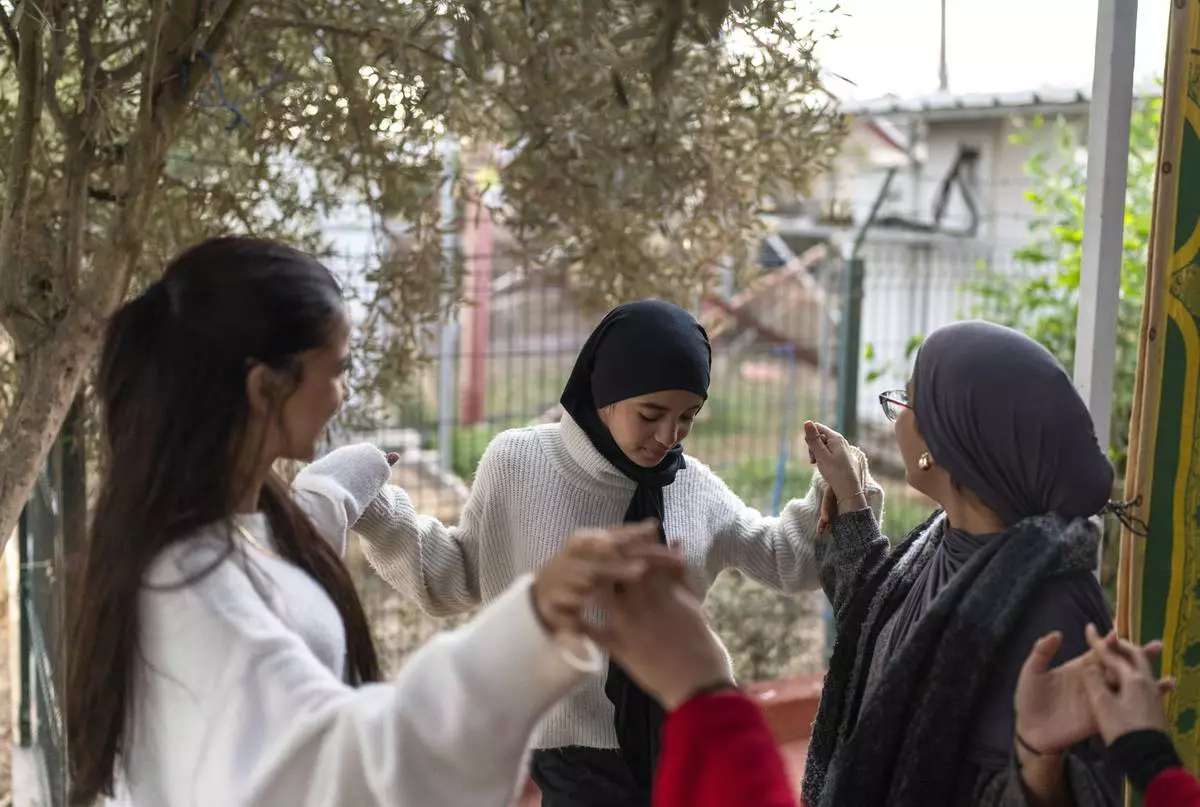
Girls dance during a traditional performance known as Aita, in Sidi Yahya Zaer, south of the capital Rabat, Morocco, Monday, Jan. 27, 2025. (AP Photo/Mosa'ab Elshamy)
Girls dance during a traditional performance known as Aita, in Sidi Yahya Zaer, south of the capital Rabat, Morocco, Monday, Jan. 27, 2025. (AP Photo/Mosa'ab Elshamy)
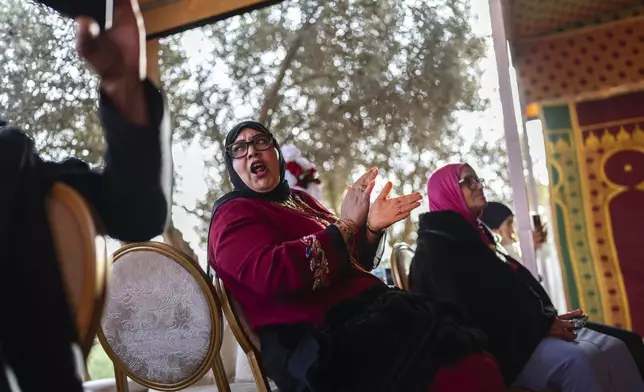
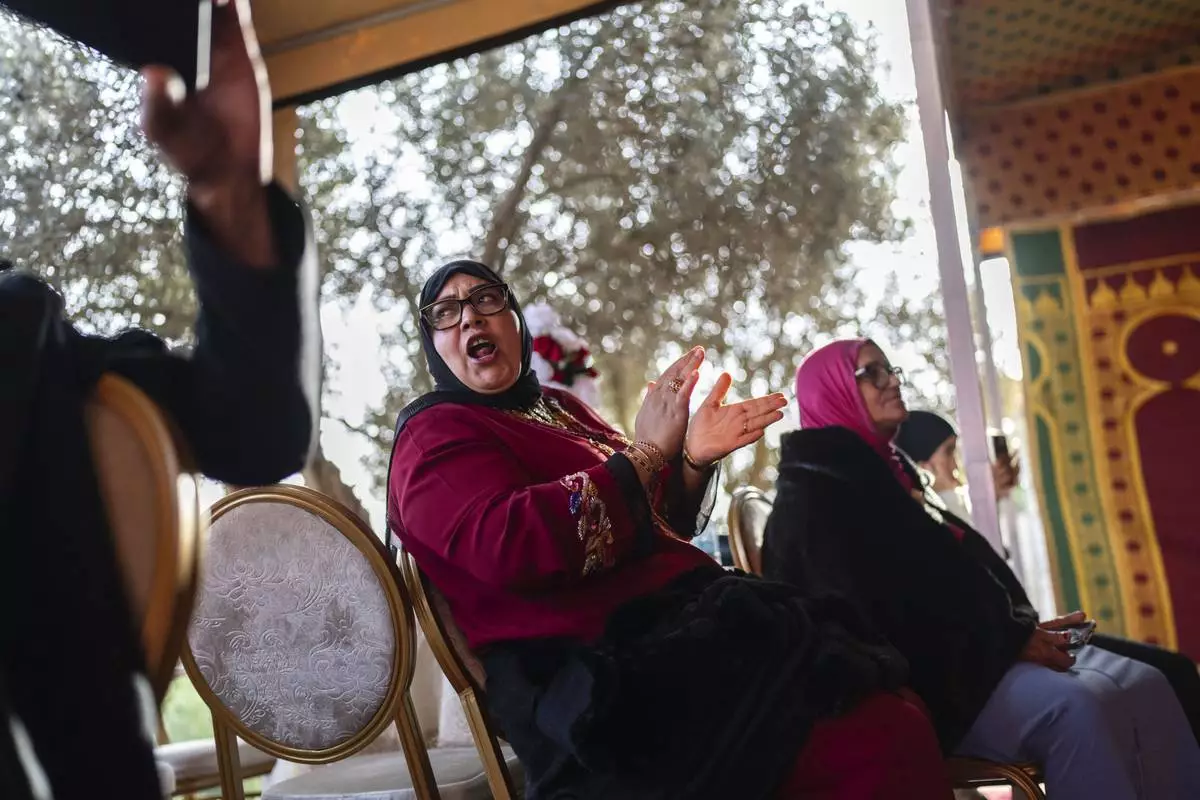
Women cheer along during a traditional performance known as Aita, in Sidi Yahya Zaer, south of the capital Rabat, Morocco, Monday, Jan. 27, 2025. (AP Photo/Mosa'ab Elshamy)

Women cheer along during a traditional performance known as Aita, in Sidi Yahya Zaer, south of the capital Rabat, Morocco, Monday, Jan. 27, 2025. (AP Photo/Mosa'ab Elshamy)

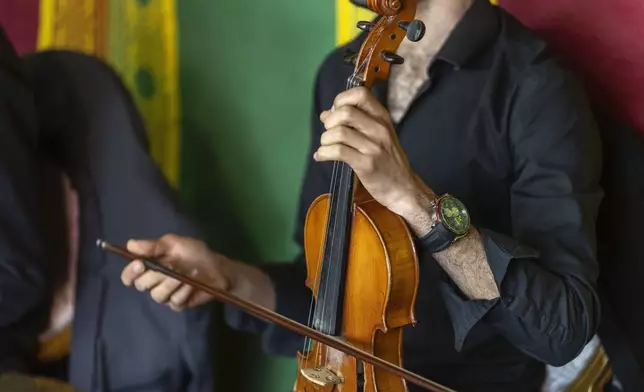
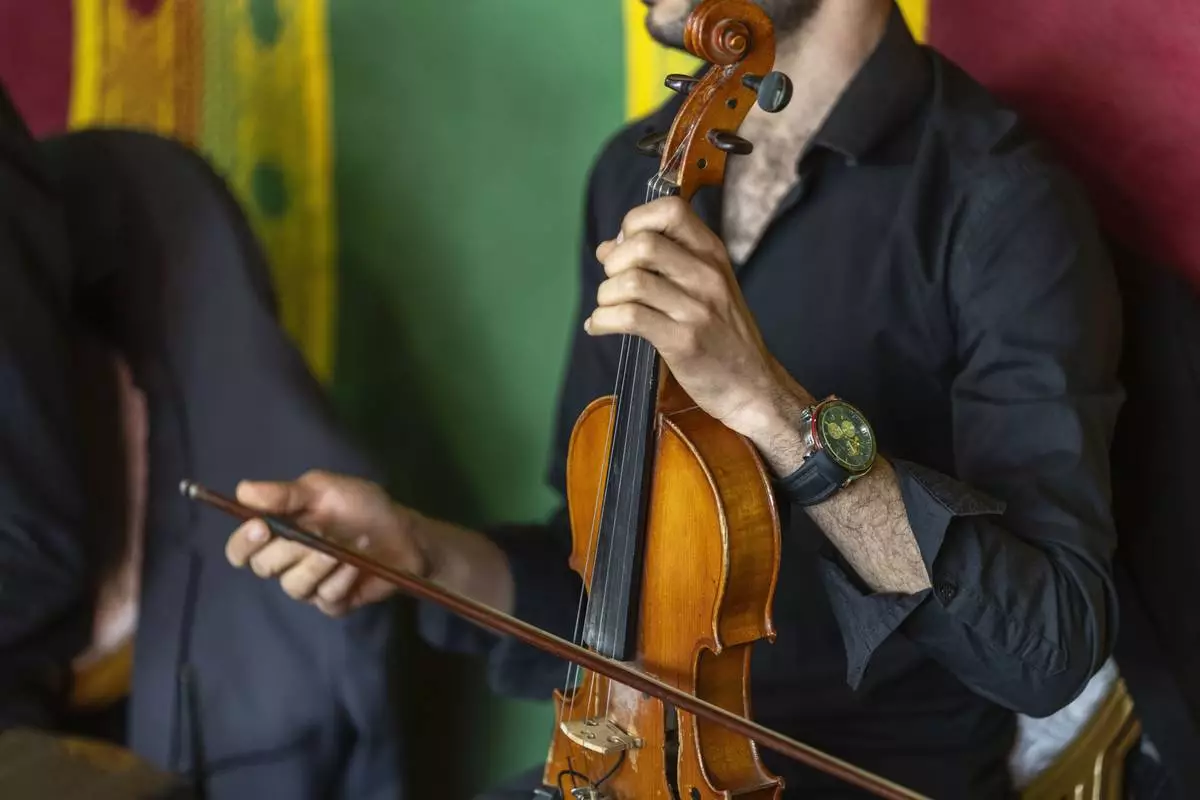
A violinist plays during a traditional performance known as Aita, in Sidi Yahya Zaer, south of the capital Rabat, Morocco, Monday, Jan. 27, 2025. (AP Photo/Mosa'ab Elshamy)

A violinist plays during a traditional performance known as Aita, in Sidi Yahya Zaer, south of the capital Rabat, Morocco, Monday, Jan. 27, 2025. (AP Photo/Mosa'ab Elshamy)

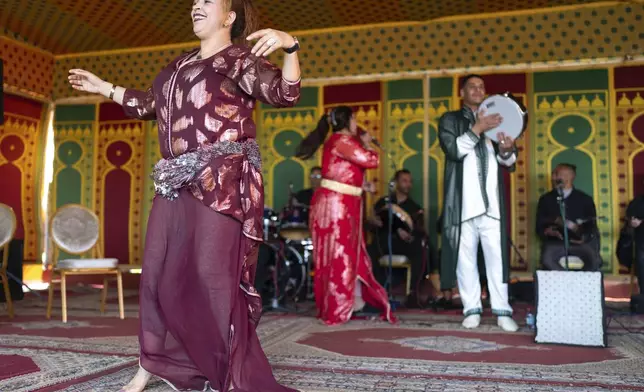
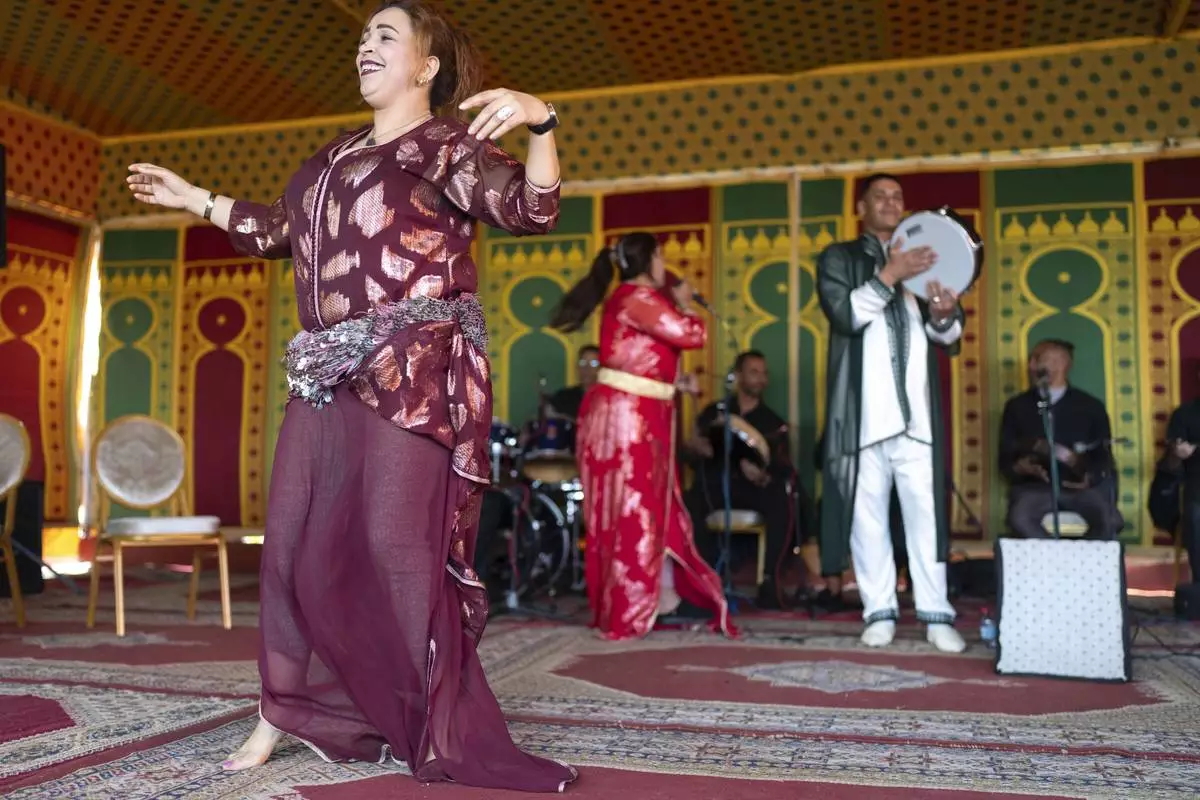
A woman dances during a traditional performance known as Aita, in Sidi Yahya Zaer, south of the capital Rabat, Morocco, Monday, Jan. 27, 2025. (AP Photo/Mosa'ab Elshamy)

A woman dances during a traditional performance known as Aita, in Sidi Yahya Zaer, south of the capital Rabat, Morocco, Monday, Jan. 27, 2025. (AP Photo/Mosa'ab Elshamy)

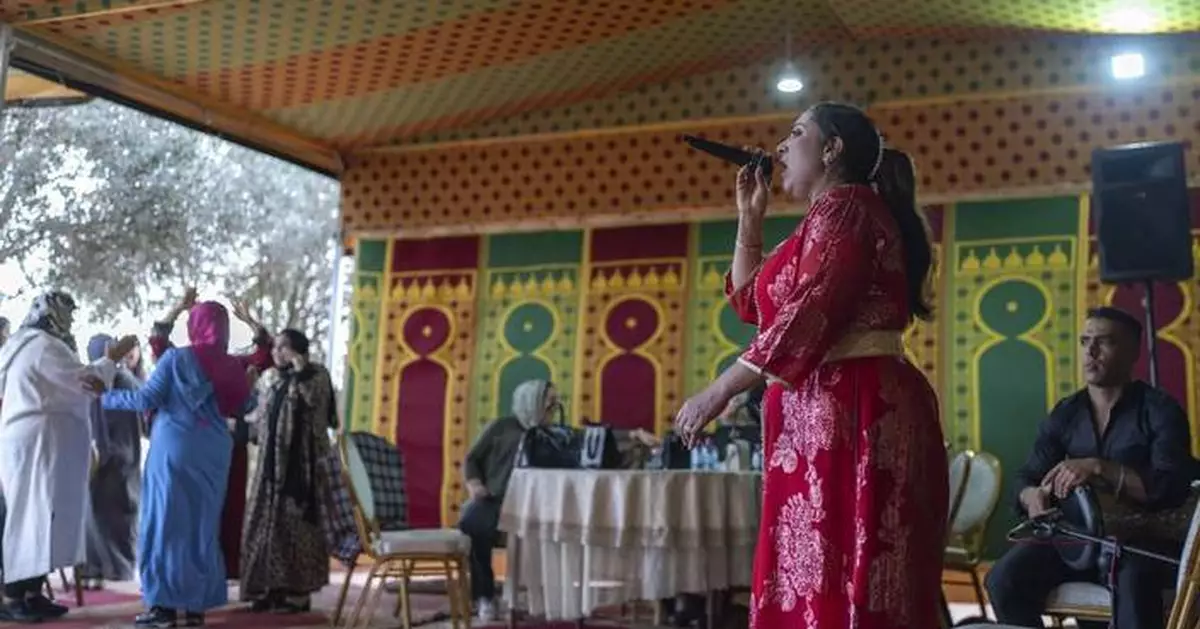
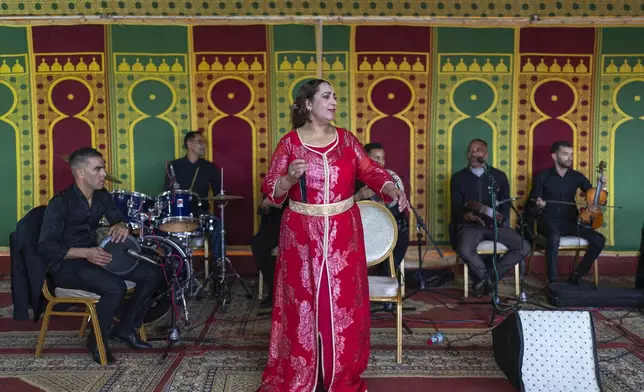
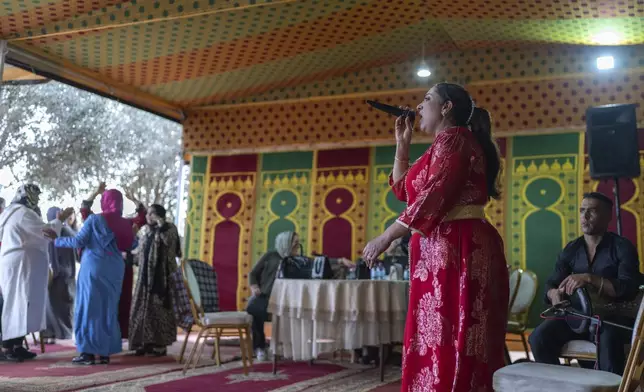
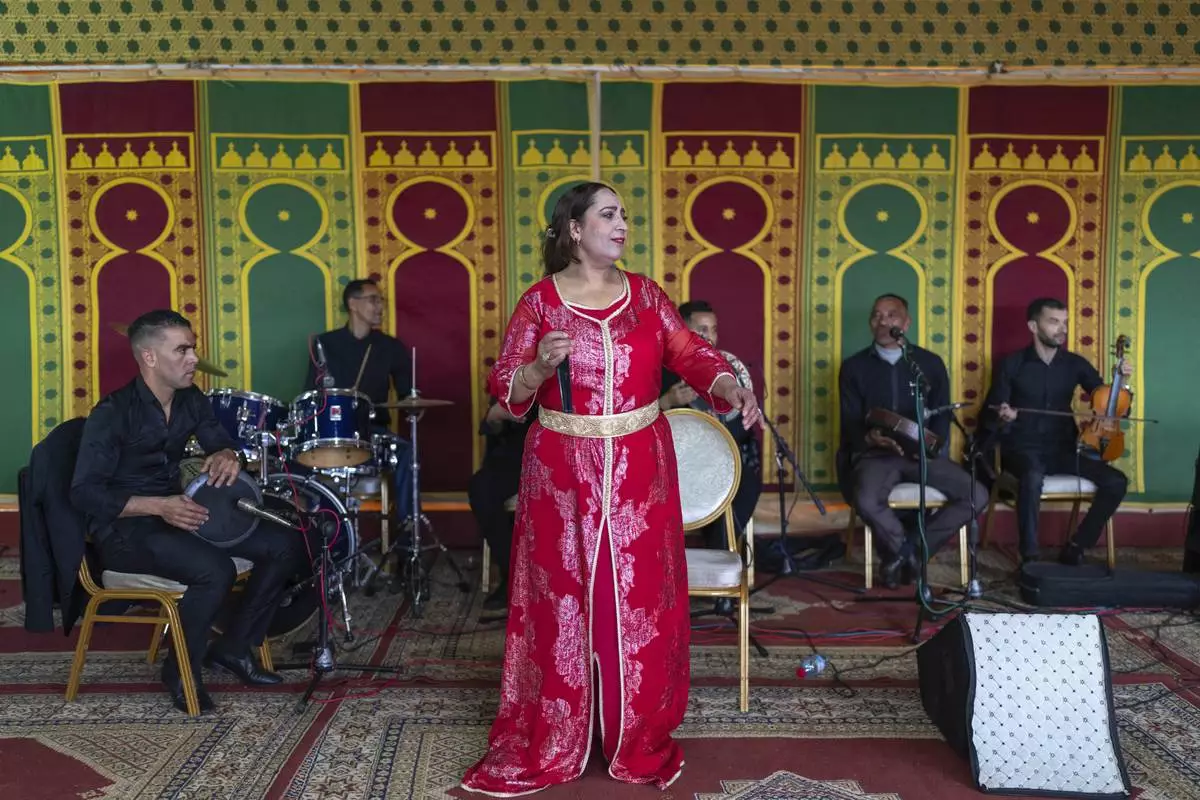
Cheikha folk singer Mbarka "Thouria" Moullablad gives a traditional performance known as Aita, in Sidi Yahya Zaer, south of the capital Rabat, Morocco, Monday, Jan. 27, 2025. (AP Photo/Mosa'ab Elshamy)

Cheikha folk singer Mbarka "Thouria" Moullablad gives a traditional performance known as Aita, in Sidi Yahya Zaer, south of the capital Rabat, Morocco, Monday, Jan. 27, 2025. (AP Photo/Mosa'ab Elshamy)

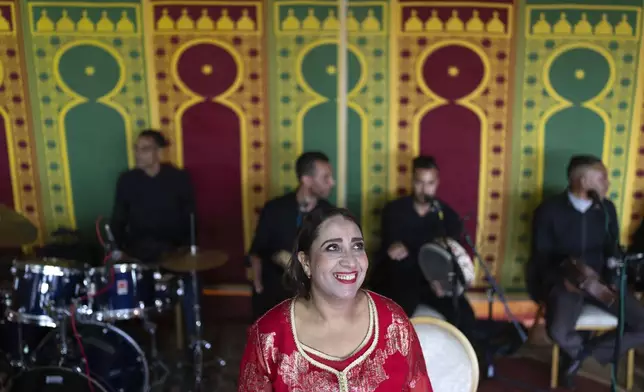
Cheikha folk singer Mbarka "Thouria" Moullablad reacts during a traditional performance known as Aita, in Sidi Yahya Zaer, south of the capital Rabat, Morocco, Monday, Jan. 27, 2025. (AP Photo/Mosa'ab Elshamy)

Cheikha folk singer Mbarka "Thouria" Moullablad reacts during a traditional performance known as Aita, in Sidi Yahya Zaer, south of the capital Rabat, Morocco, Monday, Jan. 27, 2025. (AP Photo/Mosa'ab Elshamy)

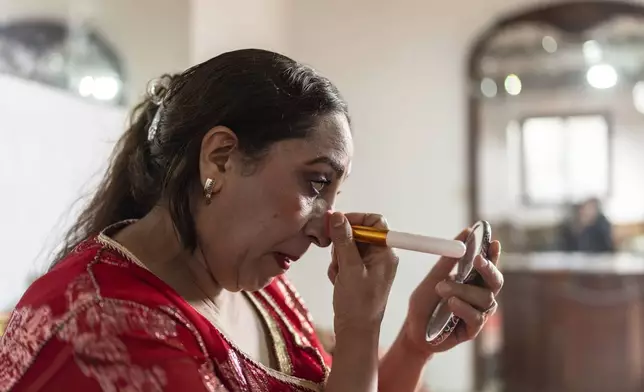
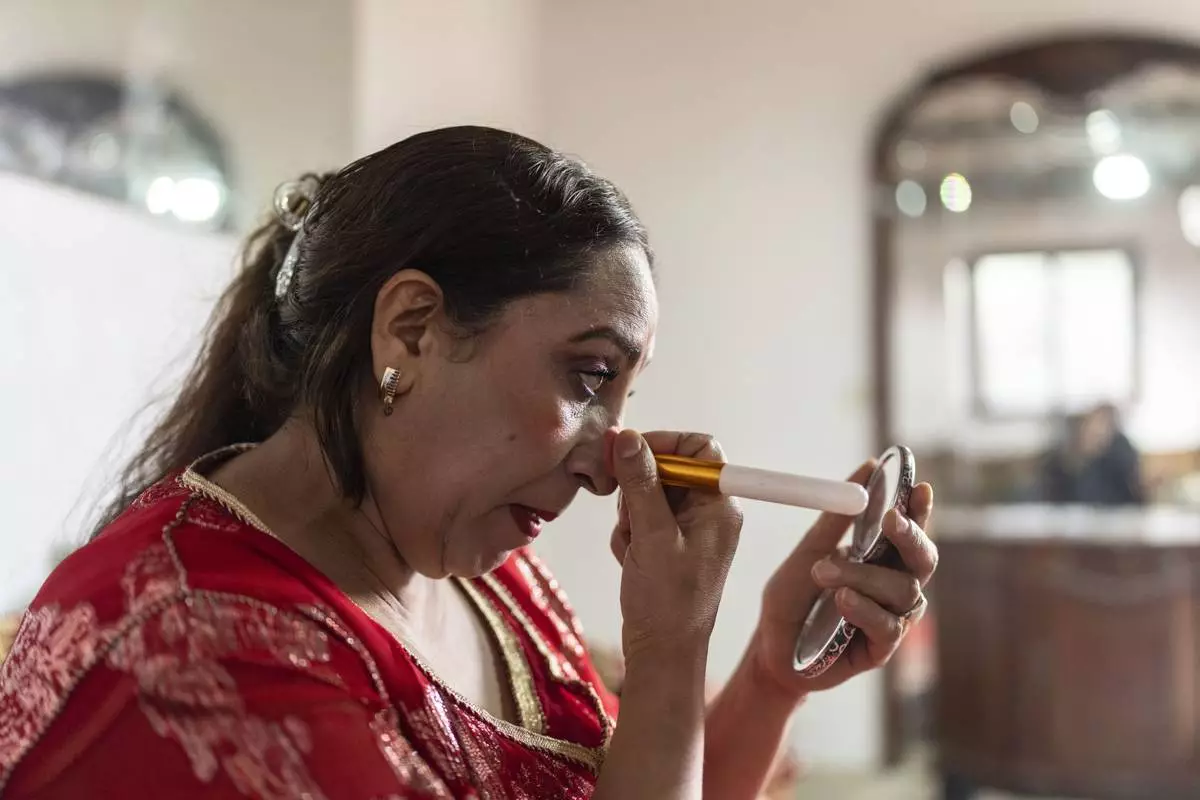
Cheikha folk singer Mbarka "Thouria" Moullablad applies makeup as she prepares for a traditional performance known as Aita, in Sidi Yahya Zaer, south of the capital Rabat, Morocco, Monday, Jan. 27, 2025. (AP Photo/Mosa'ab Elshamy)

Cheikha folk singer Mbarka "Thouria" Moullablad applies makeup as she prepares for a traditional performance known as Aita, in Sidi Yahya Zaer, south of the capital Rabat, Morocco, Monday, Jan. 27, 2025. (AP Photo/Mosa'ab Elshamy)

Women dance as Cheikha folk singer Mbarka ''Thouria'' Moullablad gives a traditional performance known as Aita, in Sidi Yahya Zaer, south of the capital Rabat, Morocco, Monday, Jan. 27, 2025. (AP Photo/Mosa'ab Elshamy)

Women dance as Cheikha folk singer Mbarka ''Thouria'' Moullablad gives a traditional performance known as Aita, in Sidi Yahya Zaer, south of the capital Rabat, Morocco, Monday, Jan. 27, 2025. (AP Photo/Mosa'ab Elshamy)

But despite aita's position in Moroccan culture, the genre’s popularity does not always translate into acceptance for those who perform it. Cheikha are often stigmatized, eroticized, and pushed to society’s margins. That was once a fear for Moullablad, but she says her community in Sidi Yahya Zaer, a farming town on Morocco’s Atlantic plains, has mostly accepted her.

“My family did not agree at first and I used to suffer from society’s judgment, but now everything is good,” Moullablad said on the sidelines of a recent performance south of Morocco’s capital, Rabat. “I do it in order to earn money for my children.”

A form of sung poetry, aita has long explored themes of societal triumphs, ironies, and unspoken struggles, including those related to relationships and economic hardship. Cheikha don heavy stage makeup, silk caftans, and golden takchita belts as they sing about their community's agonies and triumphs. They sway their hips to amplify emotion, dancing seductively or cheerfully depending on the context.

When Moullablad performs, men and women lean in as her voice softens, captivated as she climbs octaves into a full-throated howl. The beads wrapped around her sister Fatiha’s belly shake as she dances. The band leader, another singer, backs her with his own poetry while a drummer keeps the beat, a guitarist strums, and a violinist drags his bow in sync.

Those who come to hear them sing say cheikha can serve as a community's truth-tellers, singing about often unspoken dynamics related to marriage, agriculture or, historically, colonial resistance. Moullablad sings in Moroccan Arabic, embodying traditions specific to her community. But cheikha across the North African Kingdom also perform in the indigenous Amazigh language, adapting the music and lyrics to reflect their region.

The art form has inspired contemporary acts like the electro-infused “Aita, Mon Amour” and Kabareh Cheikhats, a troupe of male actors who pay homage, dress and sing in the tune of Morocco's most celebrated 20th century women folk singers. It is also the subject of Morocco’s submission for this year’s Academy Awards, “Everybody Loves Touda,” which follows a single mother who leaves her town in the Atlas Mountains to pursue her dream of singing in bars, cabarets, and hotels in Casablanca.

“I was always amazed by their strength and the power that they have toward people when they open their mouths. Whether they are modern or conservative people, they all stand up and get into a kind of trance like gospel,” Nabil Ayouch, the film’s director, said in an interview when the film premiered at the Marrakech Film Festival last year.

Morocco’s music scene is increasingly embracing Middle Eastern pop and rap by North African artists from throughout the diaspora. And rural communities are shrinking amid the country's rapid development and urbanization. But though the future of aita may seem uncertain, its musicians and listeners remain confident that it will endure.

“Aita will not die because it is renewed by young people. Aita will remain in all times and is loved by old people and young people as well. It is developed and improved, but they preserve its origins,” said Rachid Kadari, a Cheikh who also sings aita.
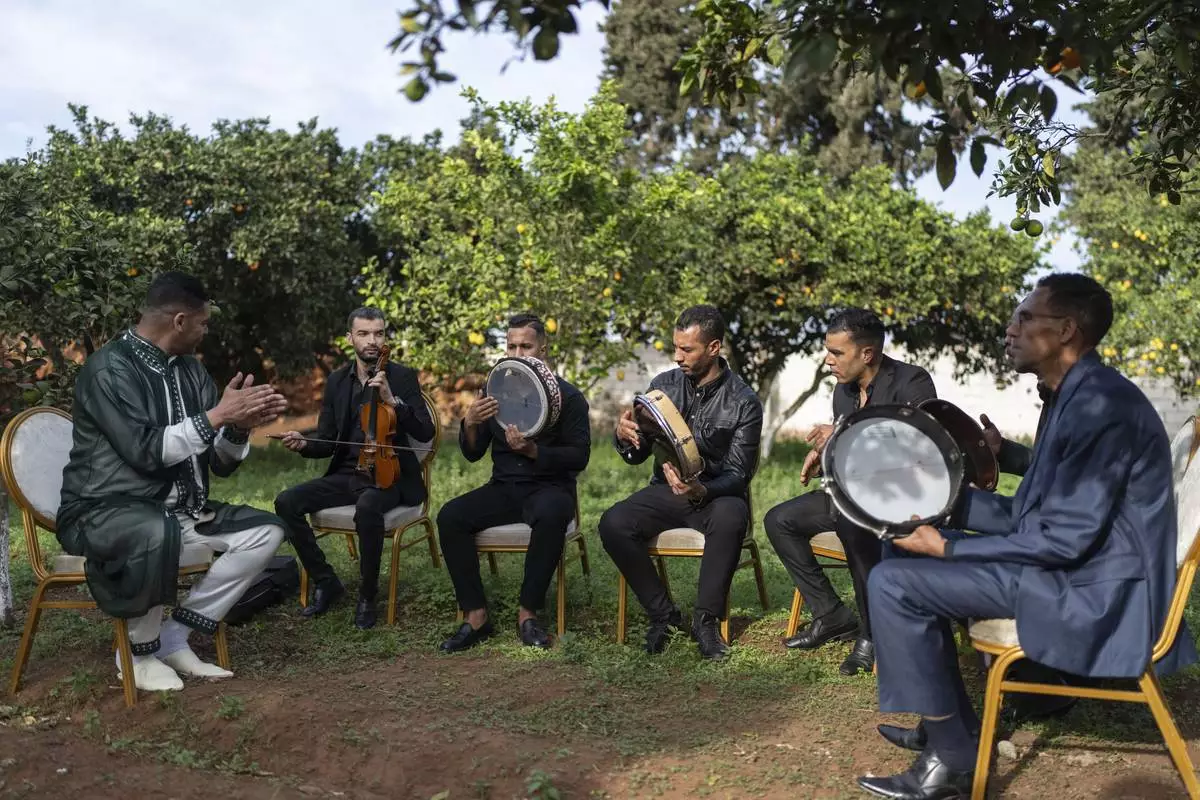
A music band prepares for a traditional performance known as Aita, in Sidi Yahya Zaer, south of the capital Rabat, Morocco, Monday, Jan. 27, 2025. (AP Photo/Mosa'ab Elshamy)
A music band prepares for a traditional performance known as Aita, in Sidi Yahya Zaer, south of the capital Rabat, Morocco, Monday, Jan. 27, 2025. (AP Photo/Mosa'ab Elshamy)
Moroccan tea is distributed during a traditional performance known as Aita, in Sidi Yahya Zaer, south of the capital Rabat, Morocco, Monday, Jan. 27, 2025. (AP Photo/Mosa'ab Elshamy)
Moroccan tea is distributed during a traditional performance known as Aita, in Sidi Yahya Zaer, south of the capital Rabat, Morocco, Monday, Jan. 27, 2025. (AP Photo/Mosa'ab Elshamy)
Cheikha folk singer Mbarka "Thouria" Moullablad talks to her band during a traditional performance known as Aita, in Sidi Yahya Zaer, south of the capital Rabat, Morocco, Monday, Jan. 27, 2025. (AP Photo/Mosa'ab Elshamy)
Cheikha folk singer Mbarka "Thouria" Moullablad talks to her band during a traditional performance known as Aita, in Sidi Yahya Zaer, south of the capital Rabat, Morocco, Monday, Jan. 27, 2025. (AP Photo/Mosa'ab Elshamy)
Rachid Kadari claps as he prepares for a traditional performance known as Aita, in Sidi Yahya Zaer, south of the capital Rabat, Morocco, Monday, Jan. 27, 2025. (AP Photo/Mosa'ab Elshamy)
Rachid Kadari claps as he prepares for a traditional performance known as Aita, in Sidi Yahya Zaer, south of the capital Rabat, Morocco, Monday, Jan. 27, 2025. (AP Photo/Mosa'ab Elshamy)
Cheikha folk singer Mbarka "Thouria" Moullablad drinks a coffee during a traditional performance known as Aita, in Sidi Yahya Zaer, south of the capital Rabat, Morocco, Monday, Jan. 27, 2025. (AP Photo/Mosa'ab Elshamy)
Cheikha folk singer Mbarka "Thouria" Moullablad drinks a coffee during a traditional performance known as Aita, in Sidi Yahya Zaer, south of the capital Rabat, Morocco, Monday, Jan. 27, 2025. (AP Photo/Mosa'ab Elshamy)
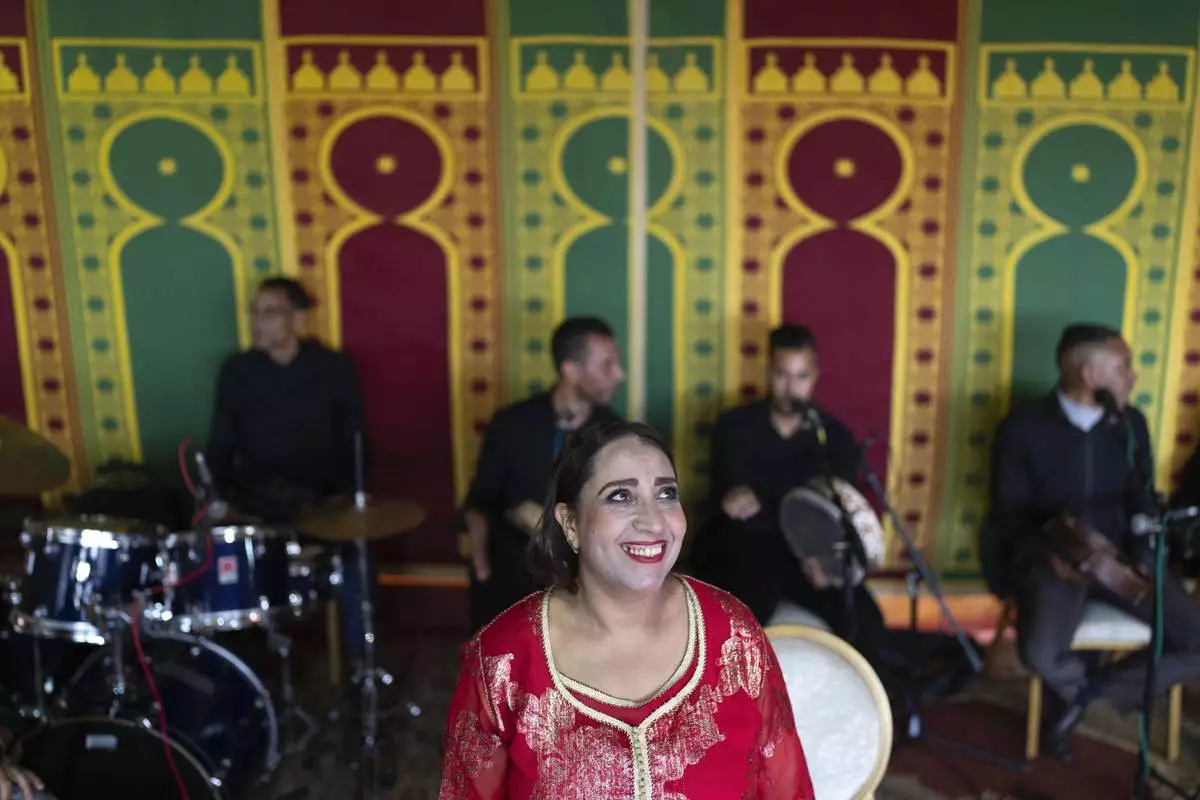
Girls dance during a traditional performance known as Aita, in Sidi Yahya Zaer, south of the capital Rabat, Morocco, Monday, Jan. 27, 2025. (AP Photo/Mosa'ab Elshamy)
Girls dance during a traditional performance known as Aita, in Sidi Yahya Zaer, south of the capital Rabat, Morocco, Monday, Jan. 27, 2025. (AP Photo/Mosa'ab Elshamy)
Women cheer along during a traditional performance known as Aita, in Sidi Yahya Zaer, south of the capital Rabat, Morocco, Monday, Jan. 27, 2025. (AP Photo/Mosa'ab Elshamy)


Women cheer along during a traditional performance known as Aita, in Sidi Yahya Zaer, south of the capital Rabat, Morocco, Monday, Jan. 27, 2025. (AP Photo/Mosa'ab Elshamy)

A violinist plays during a traditional performance known as Aita, in Sidi Yahya Zaer, south of the capital Rabat, Morocco, Monday, Jan. 27, 2025. (AP Photo/Mosa'ab Elshamy)

A violinist plays during a traditional performance known as Aita, in Sidi Yahya Zaer, south of the capital Rabat, Morocco, Monday, Jan. 27, 2025. (AP Photo/Mosa'ab Elshamy)
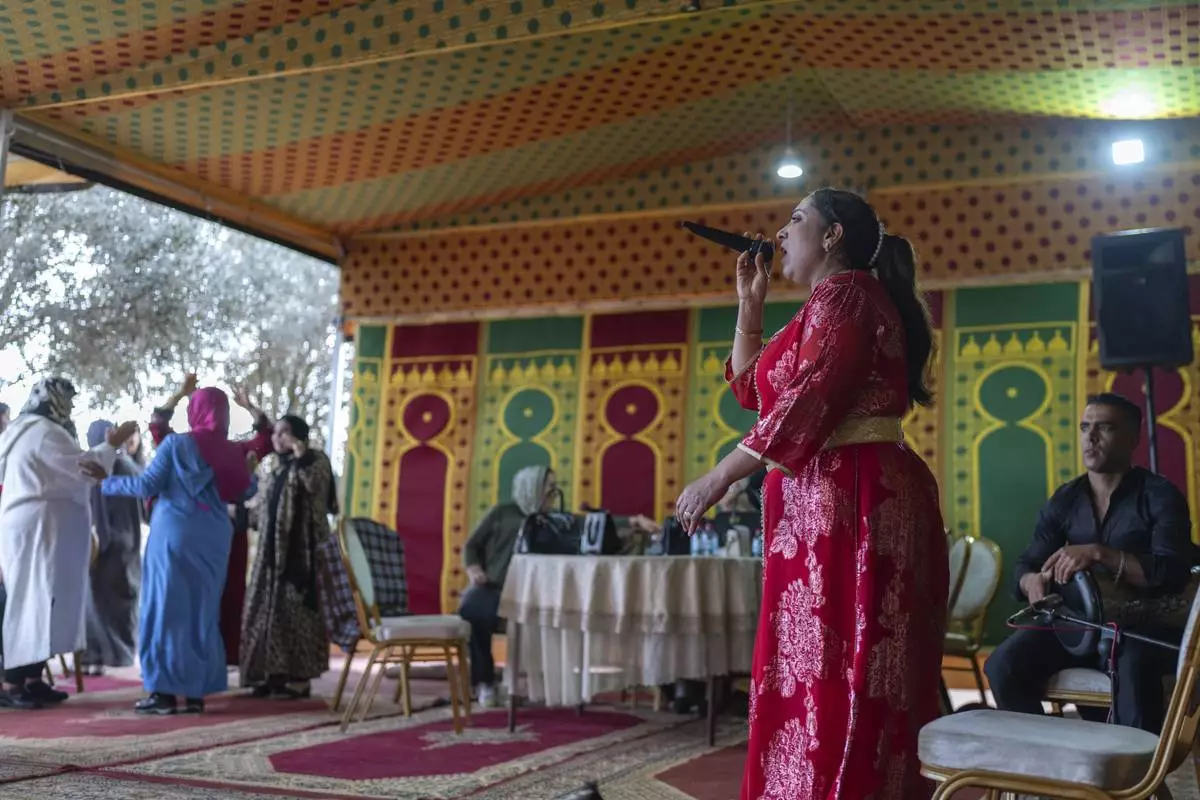
A woman dances during a traditional performance known as Aita, in Sidi Yahya Zaer, south of the capital Rabat, Morocco, Monday, Jan. 27, 2025. (AP Photo/Mosa'ab Elshamy)

A woman dances during a traditional performance known as Aita, in Sidi Yahya Zaer, south of the capital Rabat, Morocco, Monday, Jan. 27, 2025. (AP Photo/Mosa'ab Elshamy)

Cheikha folk singer Mbarka "Thouria" Moullablad gives a traditional performance known as Aita, in Sidi Yahya Zaer, south of the capital Rabat, Morocco, Monday, Jan. 27, 2025. (AP Photo/Mosa'ab Elshamy)

Cheikha folk singer Mbarka "Thouria" Moullablad gives a traditional performance known as Aita, in Sidi Yahya Zaer, south of the capital Rabat, Morocco, Monday, Jan. 27, 2025. (AP Photo/Mosa'ab Elshamy)

Cheikha folk singer Mbarka "Thouria" Moullablad reacts during a traditional performance known as Aita, in Sidi Yahya Zaer, south of the capital Rabat, Morocco, Monday, Jan. 27, 2025. (AP Photo/Mosa'ab Elshamy)

Cheikha folk singer Mbarka "Thouria" Moullablad reacts during a traditional performance known as Aita, in Sidi Yahya Zaer, south of the capital Rabat, Morocco, Monday, Jan. 27, 2025. (AP Photo/Mosa'ab Elshamy)

Cheikha folk singer Mbarka "Thouria" Moullablad applies makeup as she prepares for a traditional performance known as Aita, in Sidi Yahya Zaer, south of the capital Rabat, Morocco, Monday, Jan. 27, 2025. (AP Photo/Mosa'ab Elshamy)

Cheikha folk singer Mbarka "Thouria" Moullablad applies makeup as she prepares for a traditional performance known as Aita, in Sidi Yahya Zaer, south of the capital Rabat, Morocco, Monday, Jan. 27, 2025. (AP Photo/Mosa'ab Elshamy)

Women dance as Cheikha folk singer Mbarka ''Thouria'' Moullablad gives a traditional performance known as Aita, in Sidi Yahya Zaer, south of the capital Rabat, Morocco, Monday, Jan. 27, 2025. (AP Photo/Mosa'ab Elshamy)

Women dance as Cheikha folk singer Mbarka ''Thouria'' Moullablad gives a traditional performance known as Aita, in Sidi Yahya Zaer, south of the capital Rabat, Morocco, Monday, Jan. 27, 2025. (AP Photo/Mosa'ab Elshamy)

TRENTON, N.J. (AP) — Richard “Dick” Codey, a former acting governor of New Jersey and the longest serving legislator in the state's history, died Sunday. He was 79.

Codey’s wife, Mary Jo Codey, confirmed her husband’s death to The Associated Press.

“Gov. Richard J. Codey passed away peacefully this morning at home, surrounded by family, after a brief illness,” Codey's family wrote in a Facebook post on Codey's official page.

"Our family has lost a beloved husband, father and grandfather -- and New Jersey lost a remarkable public servant who touched the lives of all who knew him," the family said.

Known for his feisty, regular-guy persona, Codey was a staunch advocate of mental health awareness and care issues. The Democrat also championed legislation to ban smoking from indoor areas and sought more money for stem cell research.

Codey, the son of a northern New Jersey funeral home owner, entered the state Assembly in 1974 and served there until he was elected to the state Senate in 1982. He served as Senate president from 2002 to 2010.

Codey first served as acting governor for a brief time in 2002, after Christine Todd Whitman’s resignation to join President George W. Bush’s administration. He held the post again for 14 months after Gov. Jim McGreevey resigned in 2004.

At that time, New Jersey law mandated that the Senate president assume the governor’s role if a vacancy occurred, and that person would serve until the next election.

Codey routinely drew strong praise from residents in polls, and he gave serious consideration to seeking the Democratic nomination for governor in 2005. But he ultimately chose not to run when party leaders opted to back wealthy Wall Street executive Jon Corzine, who went on to win the office.

Codey would again become acting governor after Corzine was incapacitated in April 2007 due to serious injuries he suffered in a car accident. He held the post for nearly a month before Corzine resumed his duties.

After leaving the governor’s office, Codey returned to the Senate and also published a memoir that detailed his decades of public service, along with stories about his personal and family life.

“He lived his life with humility, compassion and a deep sense of responsibility to others,” his family wrote. “He made friends as easily with Presidents as he did with strangers in all-night diners.”

Codey and his wife often spoke candidly about her past struggles with postpartum depression, and that led to controversy in early 2005, when a talk radio host jokingly criticized Mary Jo and her mental health on the air.

Codey, who was at the radio station for something else, confronted the host and said he told him that he wished he could “take him outside.” But the host claimed Codey actually threatened to “take him out,” which Codey denied.

His wife told The Associated Press that Codey was willing to support her speaking out about postpartum depression, even if it cost him elected office.

“He was a really, really good guy,” Mary Jo Codey said. “He said, ‘If you want to do it, I don’t care if I get elected again.’”

Jack Brook contributed reporting from New Orleans.

FILE - New Jersey State Sen. and former Democratic Gov. Richard Codey is seen before New Jersey Gov. Phil Murphy delivers his State of the State address to a joint session of the Legislature at the statehouse, in Trenton, N.J., Tuesday, Jan. 10, 2023. (AP Photo/Matt Rourke, File)

FILE - New Jersey State Sen. and former Democratic Gov. Richard Codey is seen before New Jersey Gov. Phil Murphy delivers his State of the State address to a joint session of the Legislature at the statehouse, in Trenton, N.J., Tuesday, Jan. 10, 2023. (AP Photo/Matt Rourke, File)

Recommended Articles