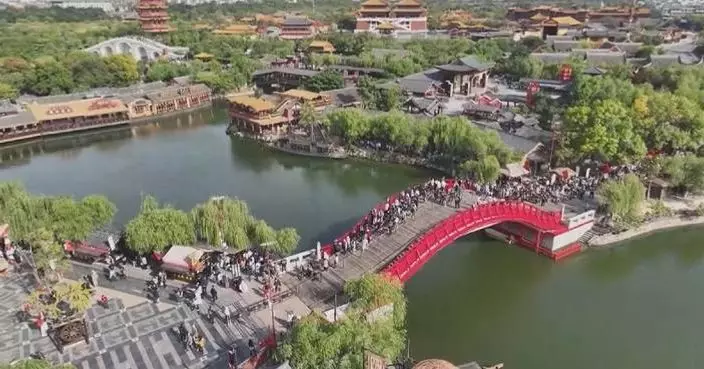
Dazzling lantern displays are being staged in Kunming City in southwest China's Yunnan Province and in China's capital city Beijing during the Spring Festival holiday, bringing festive joy to residents and tourists alike.
The Spring Festival, the most important festival in China, fell on Jan. 29 this year, with an eight-day public holiday running from Jan. 28 to Feb. 4.
At Kunming's Daguan Pavilion, a lantern show has captivated visitors with its vibrant lights, intricate designs and lively folk performances.
The lanterns displayed at Daguan Pavilion are filled with typical Yunnan elements, featuring iconic animals from the region, such as elephants and peacocks.
Visitors can also indulge in local delicacies at nighttime food stands. The stunning lanterns and tempting snacks attracted nearly 60,000 visitors to Daguan Pavilion during the first five days of the Chinese New Year.
A lantern fair is also lighting up the night at the Beijing Garden Expo Park in China's capital city.
Covering an area of more than 500 hectares, the lantern fair is showcasing over 10,000 Zigong lanterns, crafted by skilled lantern makers using intangible cultural heritage techniques.
Particularly eye-catching are the lanterns in the Chinese Pavilion which showcase architecture, local animals, and flowers from across the country. In the Garden of Beijing, lanterns in the shape of Peking Opera figures, swifts, and chrysanthemums are on display, highlighting the rich cultural heritage of the Chinese capital.
The expo park is also staging immersive light shows to wow visitors along with a drone light show where 600 drones form images and characters including "Happy Chinese New Year".
In addition to the lanterns and light shows, visitors can also enjoy traditional folk art performances, including dragon and lion dances, to fully immerse themselves in the atmosphere of the festival.
The lantern fair at the Beijing Garden Expo Park runs till March 15.
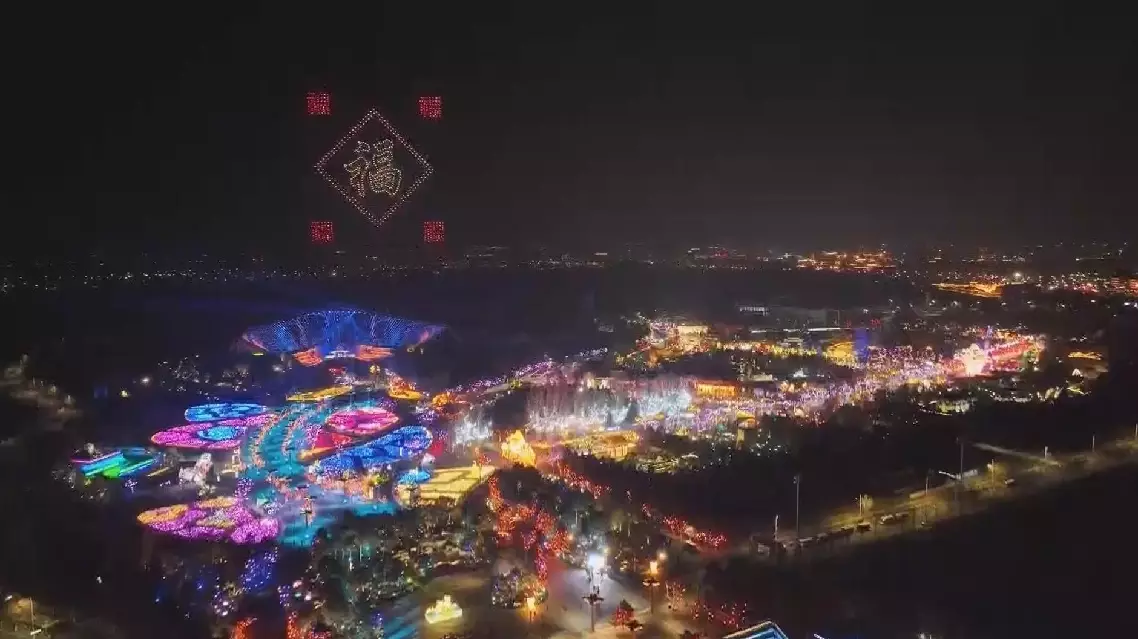
Colorful lanterns light up night in Kunming, Beijing
Polish citizens are feeling the squeeze of surging energy costs, as the conflict in the Middle East continues to roil the international energy market,
In Poland, rising fuel prices are gradually making their way into everyday life and the real economy. Many residents said higher energy costs are taking a heavy toll.
"I do think about this issue more and try to reduce my fuel consumption. Overall, everything happening right now is unsettling," said Pawel, a Warsaw resident.
"I really feel it. Prices have gone up a lot. We're trying to cope and can manage for now. Taxi fares haven't increased yet, but it's definitely getting harder," said Wiktor, another resident.
"Of course it has affected us. Because fuel prices have gone up, everything else is more expensive and costs more now," said Anita, another local resident.
Meanwhile, those working in the transport and service sectors said rising oil prices are directly impacting their businesses.
"The courier industry, like most taxi drivers, is soon going to face closure and be forced out of business. I used to drive international long-distance buses, and honestly, some people in that sector are also thinking about quitting," said Michal, another Warsaw resident.
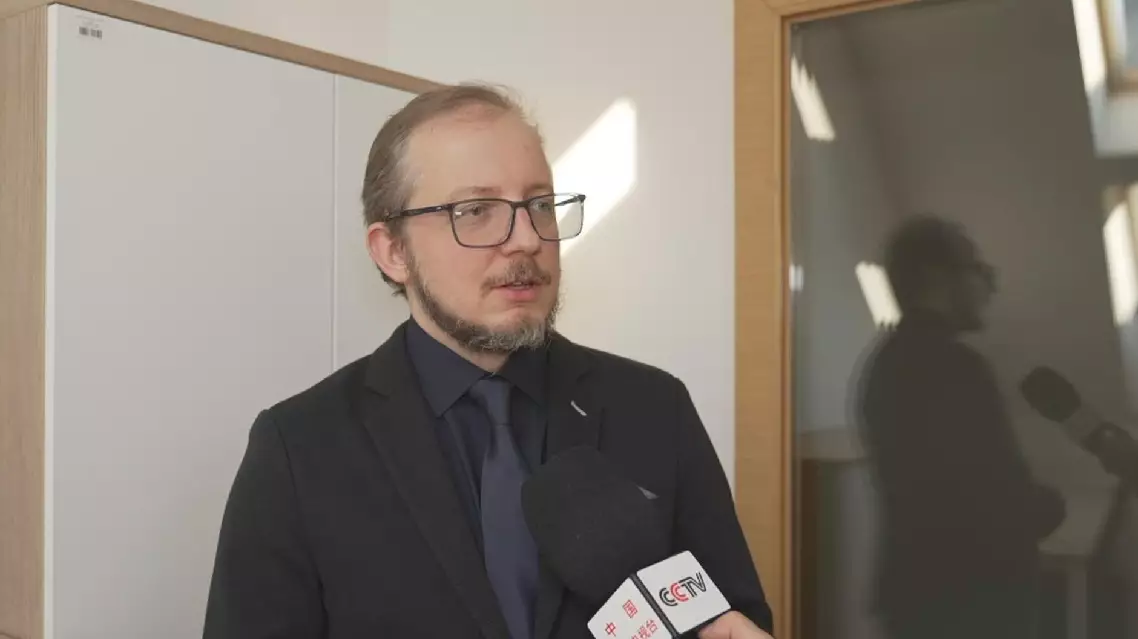
Lukasz Goczek, a professor from the Department of Macroeconomics and Theory of Foreign Trade at the University of Warsaw, said the continued shipping disruptions in the Strait of Hormuz, a vital global energy corridor, could leave global energy prices elevated for a long time, heavily impacting the world economy.
"Iran has this huge leverage. It's got the whole world in a chokehold because 20 percent of oil that's transported in the world goes through the Strait. It obviously means that the price of energy is going to increase. We see it at the petrol stations," said Goczek.
Goczek also noted that U.S. and Israeli military actions against Iran have dealt a serious blow to the international order.
"I think that's pretty much, by now, the international law. If it's not that, it's definitely very, very illegal. There wasn't any reason for war. It just straightforwardly began without any warning. So it was much of a surprise. We need the international order to have peace, to prosper, to have trade," said Goczek.
Rising energy costs squeeze Polish households, businesses