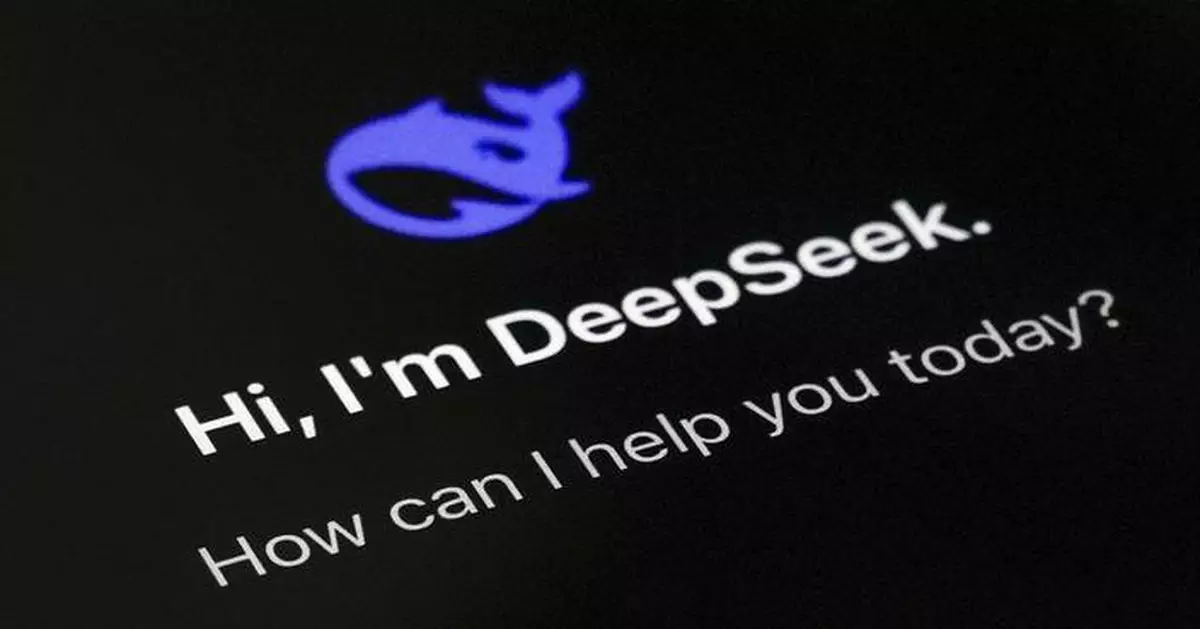
WASHINGTON (AP) — A bipartisan duo in the the U.S. House is proposing legislation to ban the Chinese artificial intelligence app DeepSeek from federal devices, similar to the policy already in place for the popular social media platform TikTok.
Reps. Josh Gottheimer, D-N.J., and Darin LaHood, R-Ill., on Thursday introduced the “No DeepSeek on Government Devices Act," which would ban federal employees from using the Chinese AI app on government-owned electronics. They cited the Chinese government's ability to use the app for surveillance and misinformation as reasons to keep it away from federal networks.
“The Chinese Communist Party has made it abundantly clear that it will exploit any tool at its disposal to undermine our national security, spew harmful disinformation, and collect data on Americans," Gottheimer said in a statement. “We simply can’t risk the CCP infiltrating the devices of our government officials and jeopardizing our national security."
The proposal comes after the Chinese software company in December published an AI model that performed at a competitive level with models developed by American firms like OpenAI, Meta, Alphabet and others. DeepSeek purported to develop the model at a fraction of the cost of its American counterparts. A January research paper about DeepSeek's capabilities raised alarm bells and prompted debates among policymakers and leading Silicon Valley financiers and technologists.
The Associated Press previously reported that DeepSeek has computer code that could send some user login information to a Chinese state-owned telecommunications company that has been barred from operating in the United States, according to the security research firm Feroot.
Gottheimer cited security concerns as the main reason for introducing the bill.
“It was enough of an alarm that I thought we should immediately ban it on all government devices and make it clear to the public of the risks. I think that’s a critical first step,” Gottheimer told The Associated Press. “Americans should know the impact on their personal privacy and data, especially because we know that Americans are sharing proprietary information on AI chatbots, highly sensitive information, documents, contracts, and the like.”
Gottheimer added that he believed all members of Congress should be briefed on DeepSeek's surveillance capabilities and that Congress should further investigate its capabilities.
The churn over AI is coming at a moment of heightened competition between the U.S. and China in a range of areas, including technological innovation. The U.S. has levied tariffs on Chinese goods, restricted Chinese tech firms like Huawei from being used in government systems and banned the export of state of the art microchips thought to be needed to develop the highest end AI models.
Last year, Congress and then-President Joe Biden approved a divestment of the popular social media platform TikTok from its Chinese parent company or face a ban across the U.S.; that policy is now on hold. President Donald Trump, who originally proposed a ban of the app in his first term, signed an executive order last month extending a window for a long term solution before the legally required ban takes effect.
In 2023, Biden banned TikTok from federal-issued devices.
“The technology race with the Chinese Communist Party is not one the United States can afford to lose,” LaHood said in a statement. “This commonsense, bipartisan piece of legislation will ban the app from federal workers’ phones while closing backdoor operations the company seeks to exploit for access. It is critical that Congress safeguard Americans’ data and continue to ensure American leadership in AI.”
The bill would single out DeepSeek and any AI application developed by its parent company, the hedge fund High-Flyer, as subject to the ban. The legislation includes exceptions for national security and research purposes that would allow federal employers to study DeepSeek.
Some lawmakers wish to go further. A bill proposed last week by Sen. Josh Hawley, R-Mo., would bar the import of export of any AI technology from China writ large, citing national security concerns.
Several countries have moved to ban DeepSeek’s AI chat bot, either entirely or on government devices, citing security concerns.
Last month, Italy’s data protection authority blocked access to the application in a move it said would protect users’ data and announced an investigation into the companies behind the chatbot. Taiwan announced this week that it banned government departments from using Deepseek’s AI. South Korea’s industry ministry has also temporarily blocked employee access to the app. This week Australia announced that it banned DeepSeek from government systems and devices.
In Texas, Gov. Greg Abbott issued an order banning both DeepSeek and RedNote -- a Chinese TikTok alternative -- from the state’s government-issued devices.
Associated Press writers Sarah Parvini in Los Angeles and Byron Tau in Washington contributed reporting.
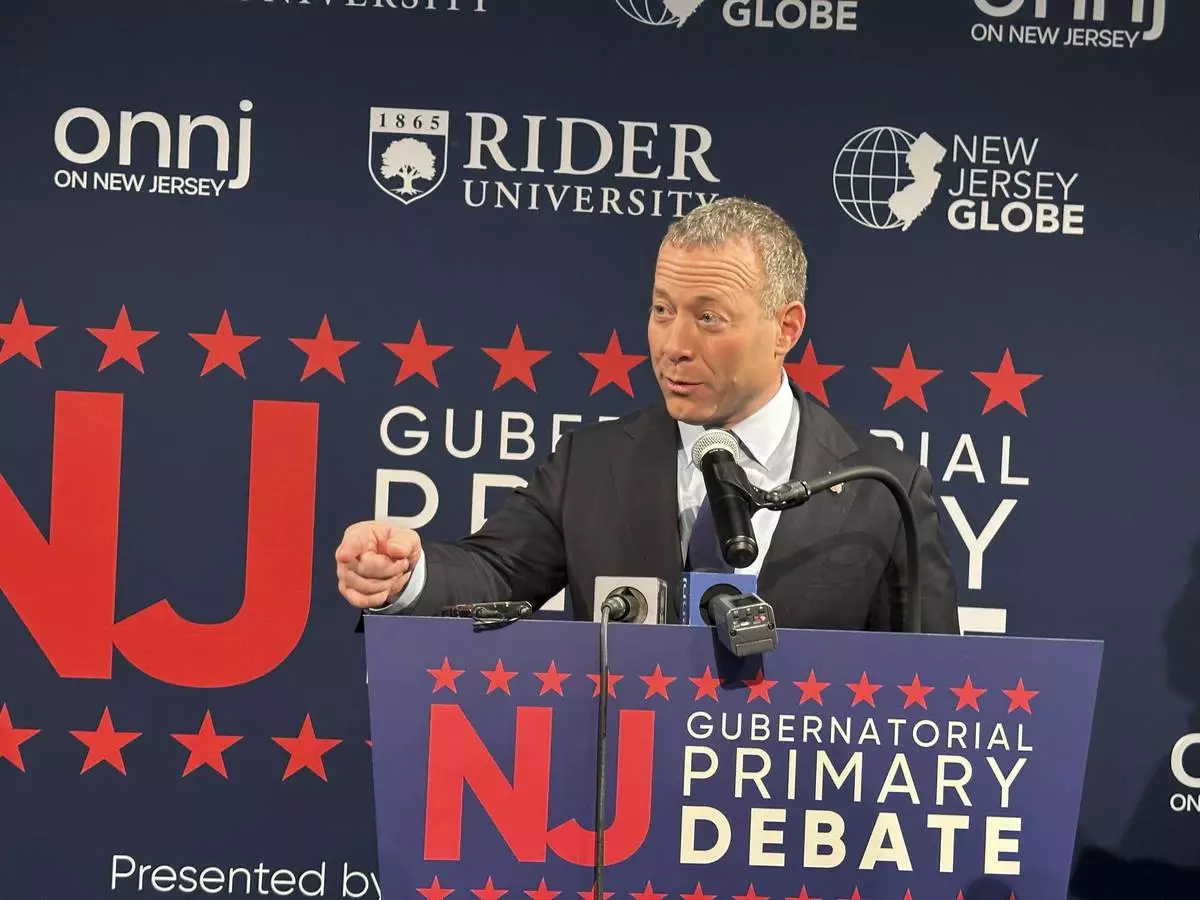
U.S. Rep. Josh Gottheimer speaks after the Democratic gubernatorial debate at Rider University in Lawrenceville, New Jersey, on Feb. 2, 2025. (AP photo/Mike Catalini)
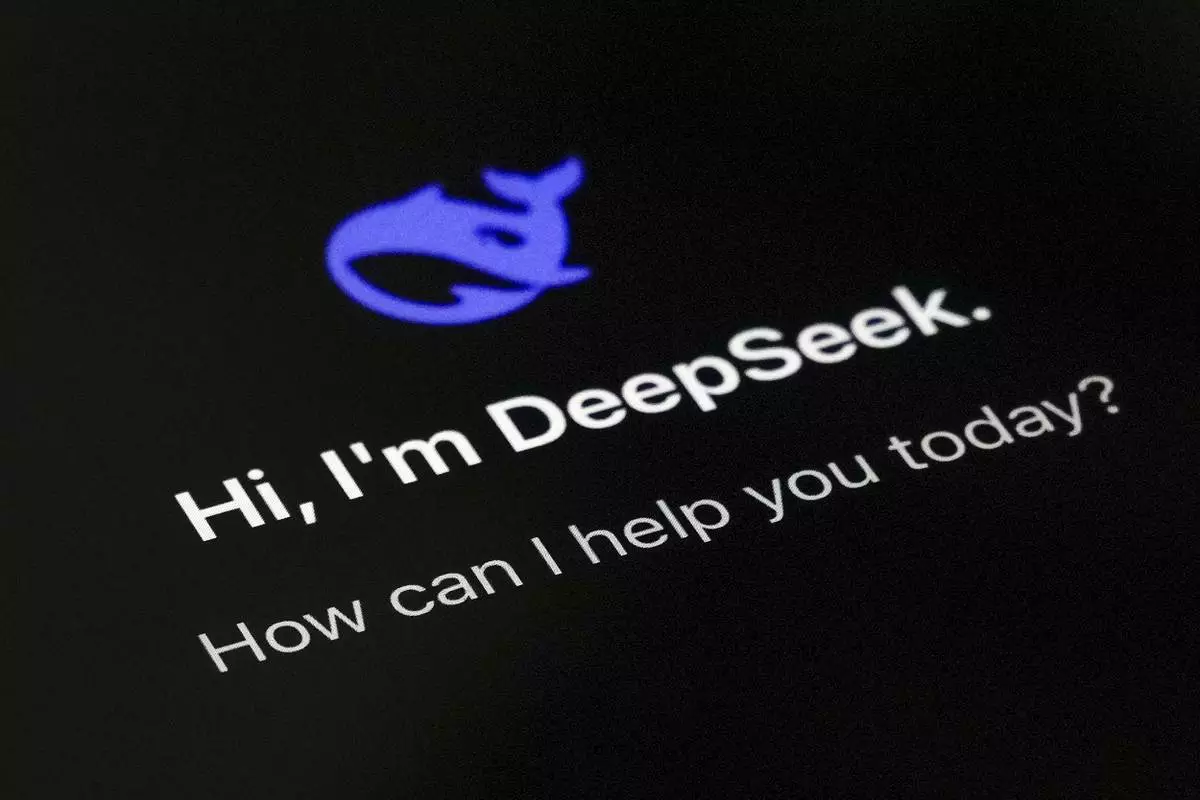
FILE - The smartphone apps DeepSeek page is seen on a smartphone screen in Beijing, Tuesday, Jan. 28, 2025. (AP Photo/Andy Wong, File)