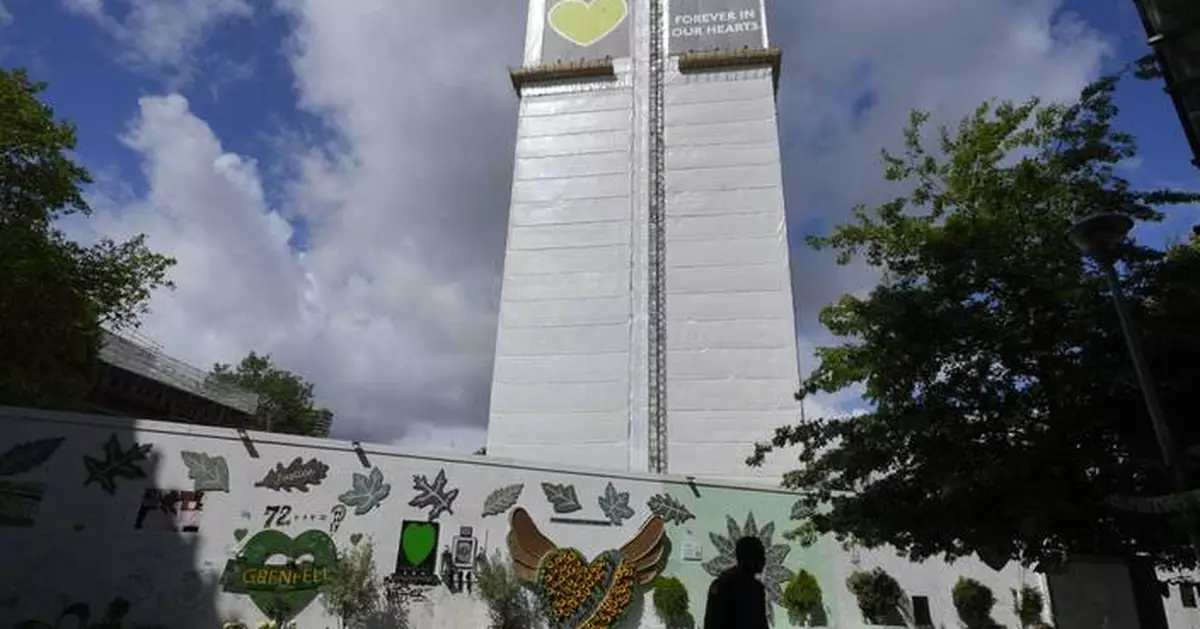
LONDON (AP) — The U.K. government on Friday announced plans to dismantle the remains of London’s Grenfell Tower, almost eight years after the deadliest fire in Britain since World War II swept through the high-rise apartment building, killing 72 people.
Some of those who lost loved ones in the fire that broke out in the early morning of June 14, 2017, have criticized the decision because they wanted to preserve the building’s charred skeleton as a monument to those who died.
But the government said it would be unsafe to leave the structurally unsound hulk in place. While it acknowledged differing points of view, in essence it sided with those who have argued that redeveloping the site would help the community heal by removing the remains of the 24-story tower, which looms over the surrounding neighborhood as a constant reminder of the tragedy.
“Grenfell Tower will be carefully taken down to the ground,″ the government said in a statement. Materials will be returned to the site so they can become part of a memorial that will be designed by an independent commission.
Grenfell Tower has become a symbol of government failure, corporate greed and inequality since the fire, which triggered an overhaul of building regulations across the country. Residents of the public housing project in North Kensington, a low-income neighborhood that is part of one of Britain’s wealthiest boroughs, say their safety concerns were repeatedly ignored by local government.
A public inquiry concluded that decades of failures by government, regulators and industry turned the building into a “death trap.”
The investigation found no “single cause” of the tragedy, but said a combination of dishonest companies, weak regulation and complacent government authorities resulted in the building being remodeled with combustible exterior cladding that allowed a small refrigerator fire to spread rapidly, trapping dozens of residents in their homes.
Deputy Prime Minister Angela Rayner, who also heads the government’s housing and local government ministry, conducted a series of meetings with survivors and family members before deciding what to do with Grenfell, the government said. She met with them again on Wednesday to give them advance notice of the decision that was announced on Friday.
Grenfell United, which represents some of the bereaved, said it appeared that none of those who attended Wednesday's meeting supported the government's decision.
“Ignoring the voices of bereaved on the future of our loved ones’ grave site is disgraceful and unforgivable,” the group said in a statement.
But Grenfell Next Of Kin, a separate group for survivors of the fire, said the decision was “very sensitive and difficult” and its members “understand the hard facts around safety.”
The government said the process of dismantling Grenfell would take around two years so the job can be done sensitively. The work won’t begin until after the eighth anniversary of the disaster in June.
But the statement also made clear that there was little room for further discussion.
The tower was significantly damaged by the fire and has remained stable only because of additional props put in place to preserve it, the government said.
“The condition of the building will continue to worsen over time,″ it said. “Engineers also advise it is not practicable to retain many of the floors of the building in place as part of a memorial that must last in perpetuity.″
Equity for all the bereaved families also played a role.
“Taking the engineering advice into account, the Deputy Prime Minister concluded that it would not be fair to keep some floors of the building that are significant to some families, whilst not being able to do so for others and knowing that, for some, this would be deeply upsetting,″ the government said.
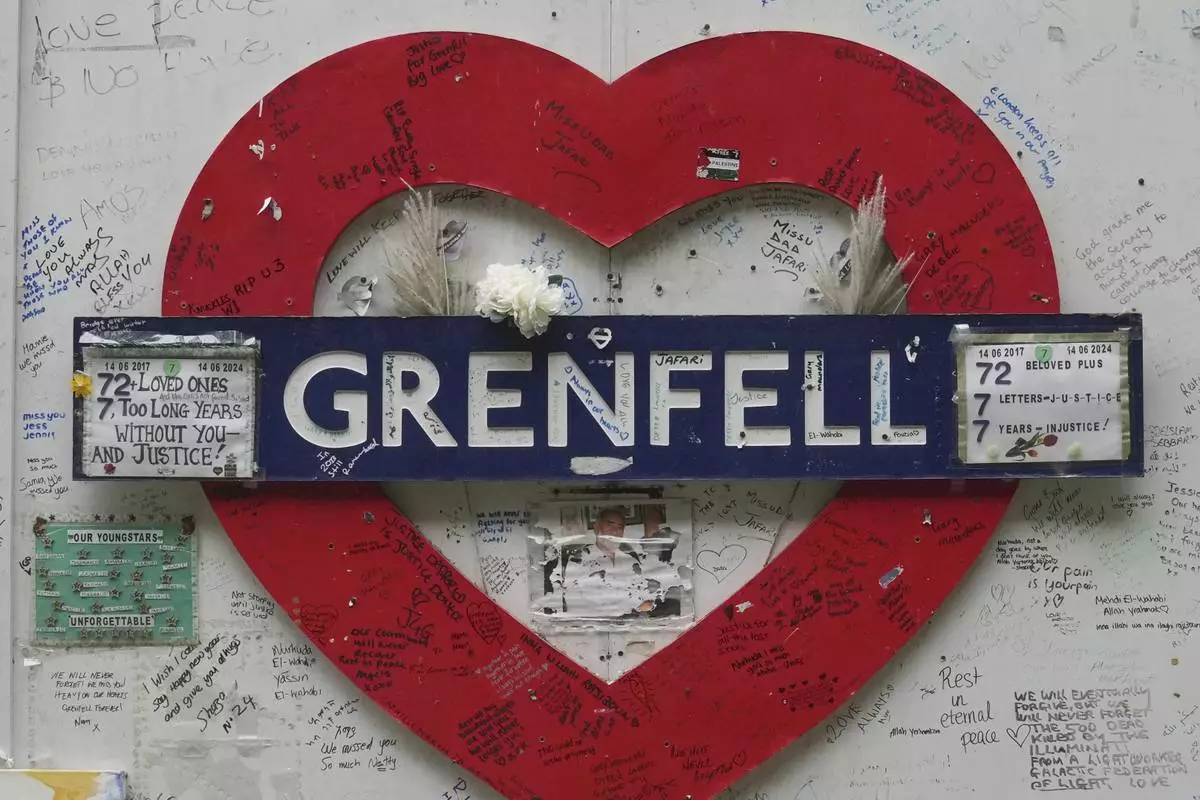
FILE - A detail of the memorial wall next to the Grenfell Tower in London, Sept. 2, 2024, after a fire in June 2017 where 72 people were killed. (AP Photo/Kin Cheung, File)
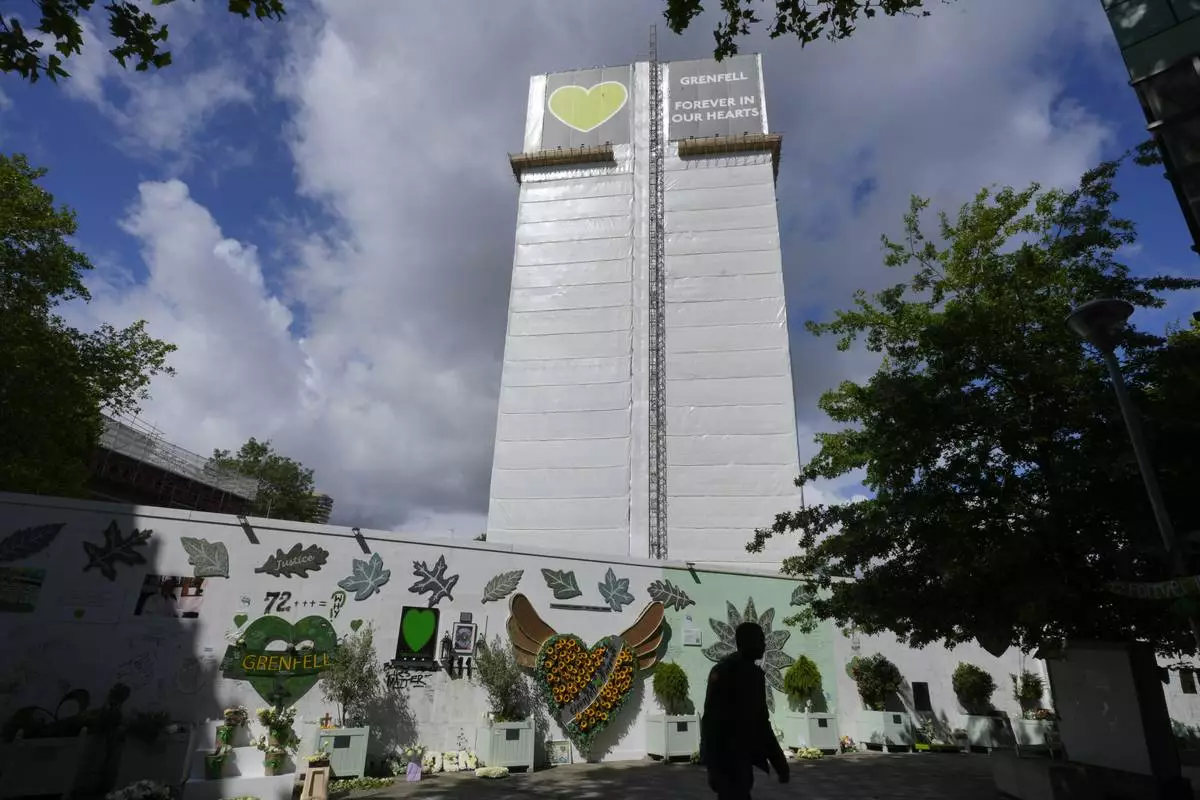
The Grenfell Tower and memorial wall on the seventh anniversary of the fire, in North Kensington, London, June 14, 2024. (AP Photo/Kirsty Wigglesworth, File)
BEIRUT (AP) — Israeli troops have captured a strategic mountain topped with a Crusader-built castle in southern Lebanon in the deepest incursion into the country in more than a quarter-century, the military said Sunday.
The taking of Beaufort castle, near the city of Nabatiyeh, followed days of airstrikes and intense fighting in nearby villages between Israeli troops and Hezbollah militants.
The capture marked a major Israeli advance in the latest Israel-Hezbollah war, which began on March 2, when Hezbollah fired rockets into northern Israel two days after the U.S. and Israel attacked its main backer, Iran.
Since then, Israel has launched a ground invasion, capturing dozens of Lebanese villages and towns close to the border. Hezbollah has launched thousands of missiles and drones at Israeli soldiers in southern Lebanon and northern Israel.
The Israeli push came despite a nominal ceasefire that has been in place since April 17 and just days before Lebanon and Israeli hold their next round of direct talks in Washington starting Tuesday.
Lebanese Parliament Speaker Nabih Berri, a key Hezbollah ally, said he can guarantee the militant group's “full, comprehensive and immediate commitment to a ceasefire."
“But who will force Israel to stop its aggression?” he said in a statement on his television station, NBN.
French Foreign Minister Jean-Noël Barrot requested an emergency meeting of the United Nations Security Council to discuss Israeli military operations in Lebanon, which he described as “unacceptable.”
“Nothing can justify the prolongation of Israeli military operations in Lebanon and its increasingly deep occupation of Lebanese territory,” Barrot said Sunday on French television BFM TV.
The Israeli military's Arabic-language spokesperson, Avichay Adraee, posted photographs on X showing Israeli troops walking outside the castle, and Defense Minister Israel Katz wrote on X that they raised an Israeli flag over the castle. Israeli troops previously captured the castle in 1982 and held it until they withdrew from Lebanon in 2000.
“Twenty six years after the withdrawal from the security zone in Lebanon, the Israeli flag has returned to fly on the peaks that overlook the Galilee towns,” Katz said Sunday at a memorial ceremony for Israeli soldiers killed in its previous occupation of southern Lebanon.
Katz said Israel intends to hold the castle as its troops work to destroy thousands more homes that he says were used by Hezbollah and other military infrastructure in southern Lebanon.
The Beaufort fortress, perched high atop Lebanon’s rolling green hills and overlooking the Litani River, has been a strategic military asset for centuries.
Built as a Crusader castle around the 12th century on top of previous fortifications, it has also been used by Saladin’s Jerusalem army, Mamluks, Ottomans, the French and the Palestine Liberation Organization. The Crusaders named it Beaufort, which is Old French for “beautiful fortress.”
The 1982 capture of the castle from the PLO was a major victory for the Israeli military, which was then led by Defense Minister Ariel Sharon, who later became prime minister. At the time, the Israeli army pushed all the way north and occupied Beirut.
In 2000, the castle was partially restored and opened to visitors.
During the previous Israel-Hezbollah war in 2024, UNESCO gave enhanced protection to 34 cultural sites in Lebanon, including Beaufort Castle, to safeguard them from damage.
The castle is a few kilometers north of the Israel border and overlooks wide parts of southern Lebanon and northern Israel. In Arabic, it is called Al-Shaqif castle, an old Syriac word referring to the formidable rocky area.
Beaufort is symbolic across the region, including in Israel, where it was one of the best-known places Israel controlled during the 18-year occupation. An Israeli war film titled “Beaufort” explores moral questions about war in the last days before the military withdrew.
In recent days, Israel has expanded the scope of its operations in Lebanon, sending troops across the Litani River, which previously served as a de-facto boundary, and demanding that residents leave much of southern Lebanon.
“The occupation of Beaufort is a dramatic stage and a dramatic shift in the policies we are leading,” Israeli Prime Minister Benjamin Netanyahu said Sunday, citing the military occupation of security zones in Syria, Lebanon and Gaza along Israel’s borders. He said Israel has killed 3,000 Hezbollah militants since the start of the war. Hezbollah has not disclosed its casualty numbers.
Israel has designated the area from the Litani up to the Zahrani River a combat zone. Some residents have already left the area due to intense strikes in recent days, but people remain.
Israeli troops have been advancing for days in villages close to Beaufort castle. They are now about 5 kilometers (3 miles) from Nabatiyeh, a major center in southern Lebanon. They have called on people to leave that area, as well as the coastal city of Tyre, the country’s fourth-largest city, and its surroundings.
There was no immediate comment from Hezbollah or the Lebanese government on the Israeli push.
The expanded operation would give Israel an upper hand in the upcoming talks with Lebanon in Washington, said Beirut geopolitical analyst Joe Macaron.
“We are at a tipping point,” Macaron said, adding that it is still too early to say how Hezbollah will react to the loss of land. “The more land they (the Israeli military) can grab before the ceasefire, the more they can impose conditions on Hezbollah before their withdrawal.”
Israel has continued striking near Tyre, including near the Hiram Hospital. Lebanon's Health Ministry said 13 health workers were wounded in the strike. Elsewhere, a strike in Deir al-Zahrani, near Nabatiyeh, killed eight people and wounded 16 others, according to Lebanon's state-run National News Agency.
Hezbollah overnight claimed two attacks targeting Israeli troops and a Merkava tank in the southwestern town of Bayada near the border. In recent days, the group has said it has clashed with Israeli troops in several towns just north of the river near Nabatiyeh and the strategic castle. It also claimed attacks deeper into Israel near the northern city of Haifa, Nahariya, as well as border areas.
Hezbollah on Saturday fired salvos of rockets into northern Israel, including Kiryat Shmona, the largest city in the area.
Hezbollah's use of hard-to-detect fiber optic drones has been deadly for the Israeli military, which is struggling to respond. There have been nearly 200 alerts for Israeli civilians across northern Israel warning of drones and missiles in the past 24 hours, according to Israel's military.
The latest round of fighting between Israel and Hezbollah has killed 3,350 people in Lebanon and displaced more than 1 million people.
According to Netanyahu’s office, at least 25 Israeli soldiers and a defense contractor have been killed in or near southern Lebanon, including one on Saturday. Two civilians have also been killed in northern Israel.
Lidman reported from Tel Aviv, Israel.
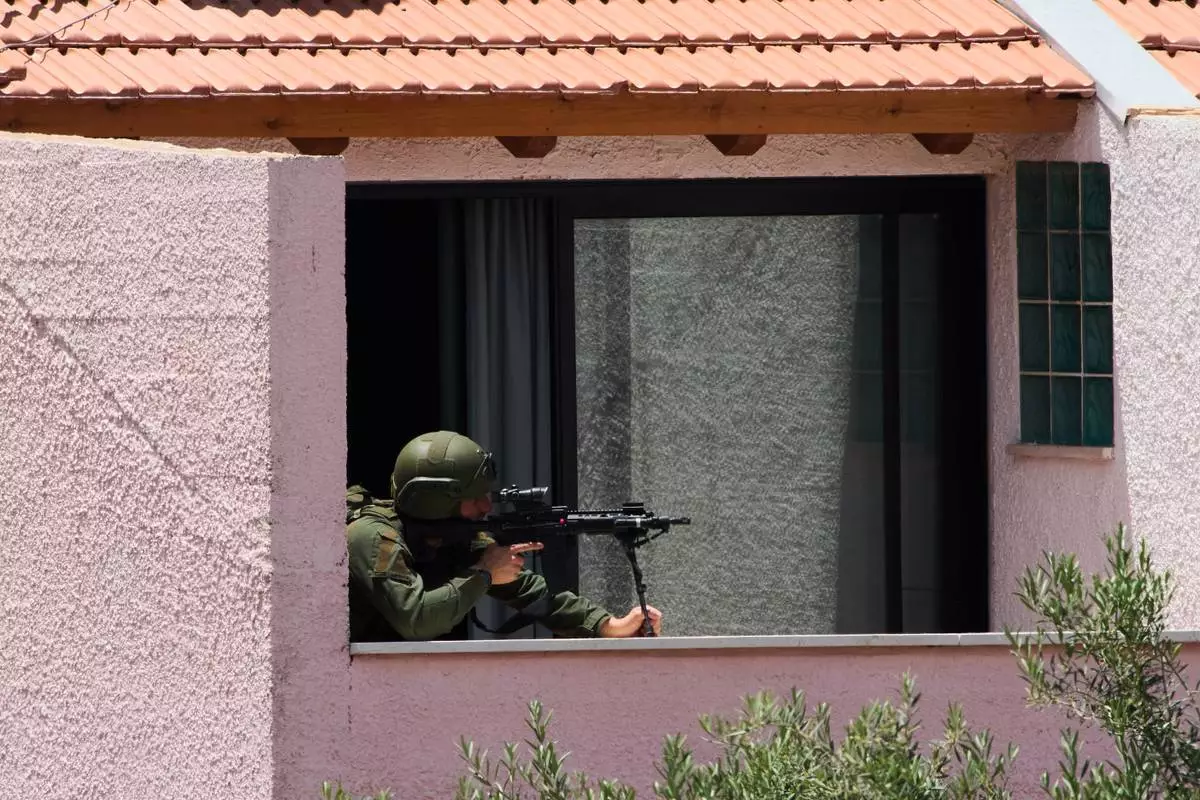
An Israeli solider takes a position in a house in the community of Metula, northern Israel, on the border with Lebanon Sunday, May 31, 2026. (AP Photo/Ariel Schalit)
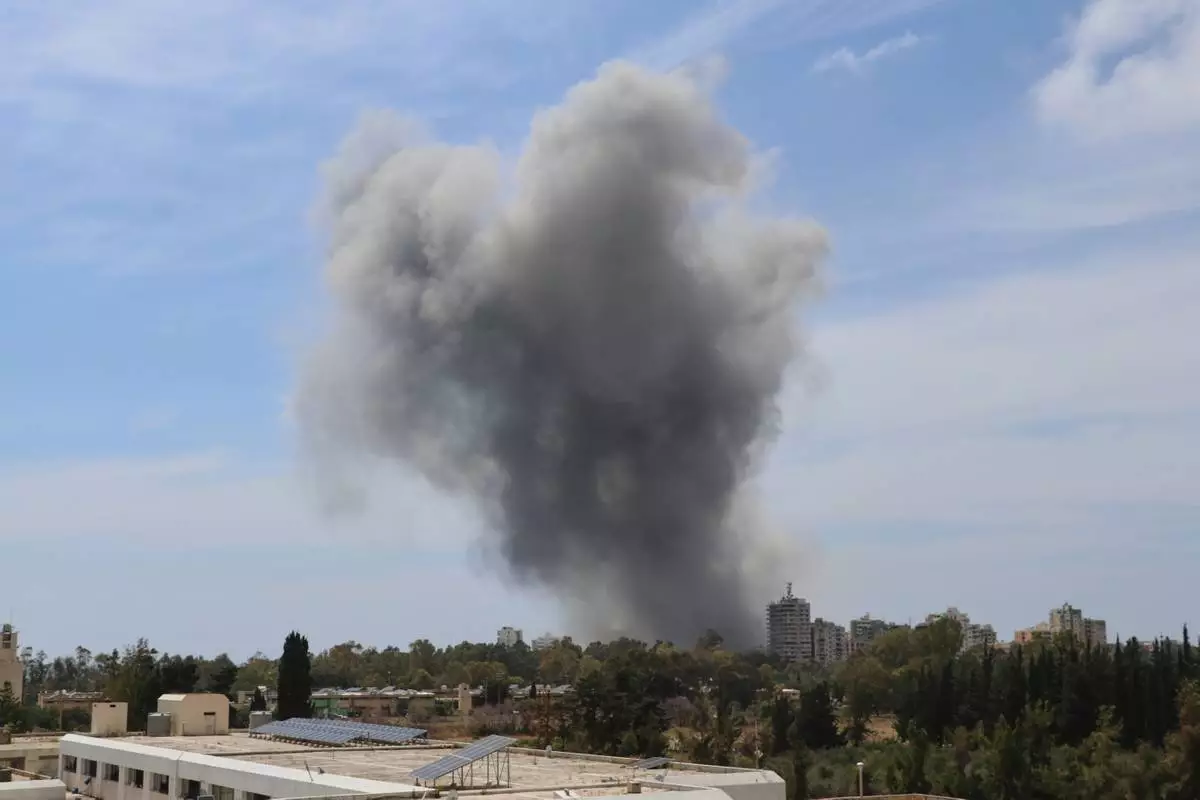
Smoke rises following an Israeli airstrike in the southern port city of Tyre, Lebanon, Sunday, May 31, 2026. (AP Photo)
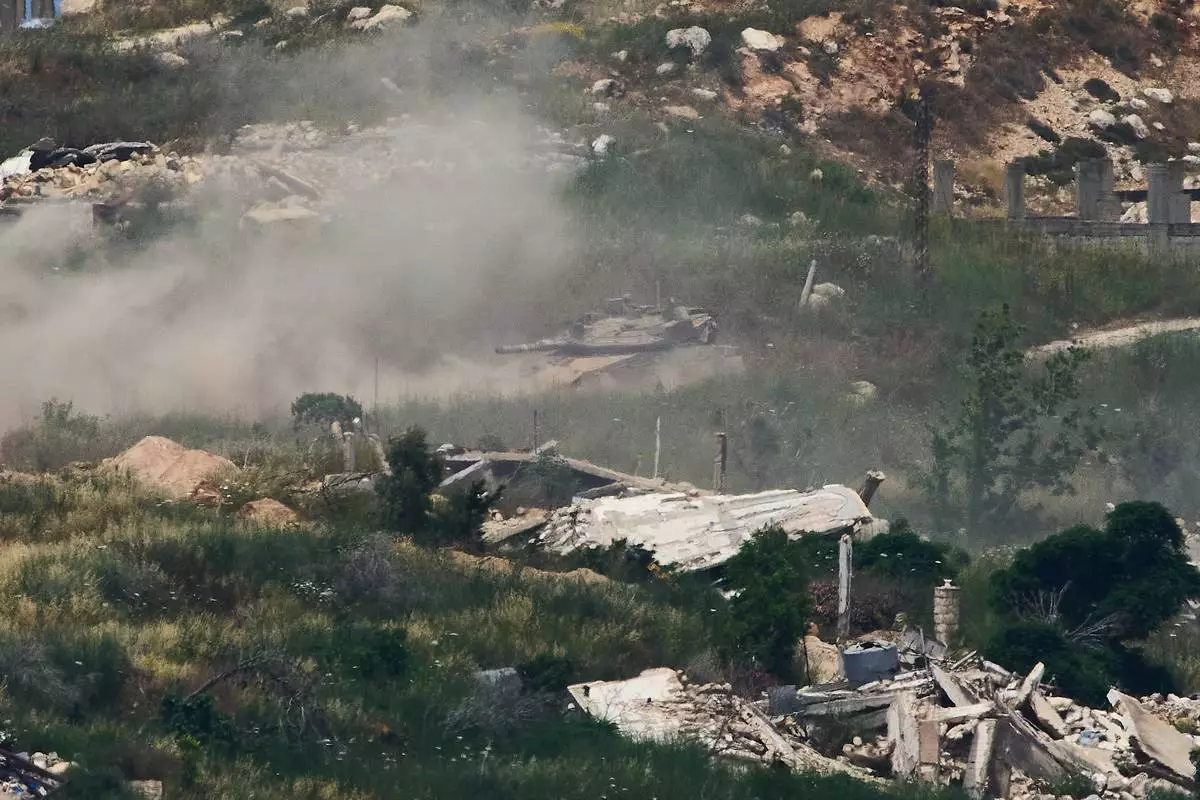
Israeli soldiers drive a tank in southern Lebanon as seen from northern Israel, Sunday, May 31, 2026. (AP Photo/Ariel Schalit)
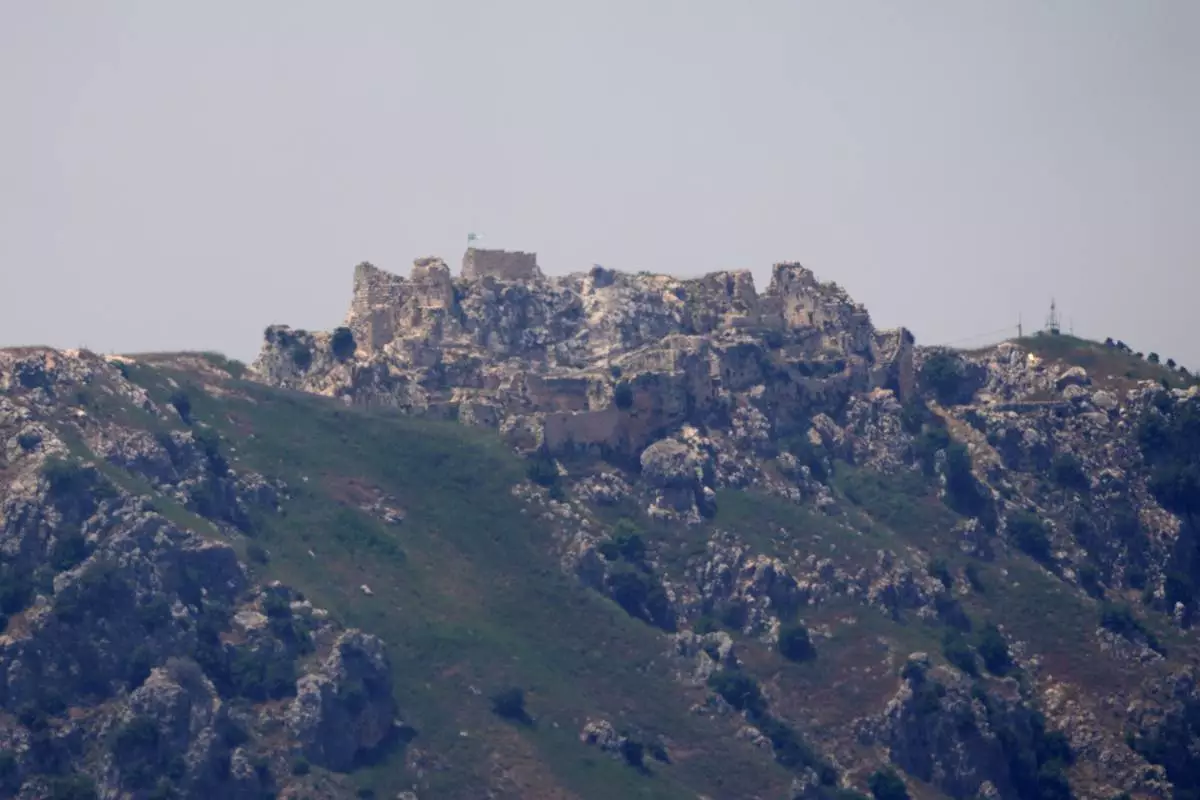
A view of he Beaufort Castle in southern Lebanon as seen from northern Israel, Sunday, May 31, 2026. (AP Photo/Ariel Schalit)
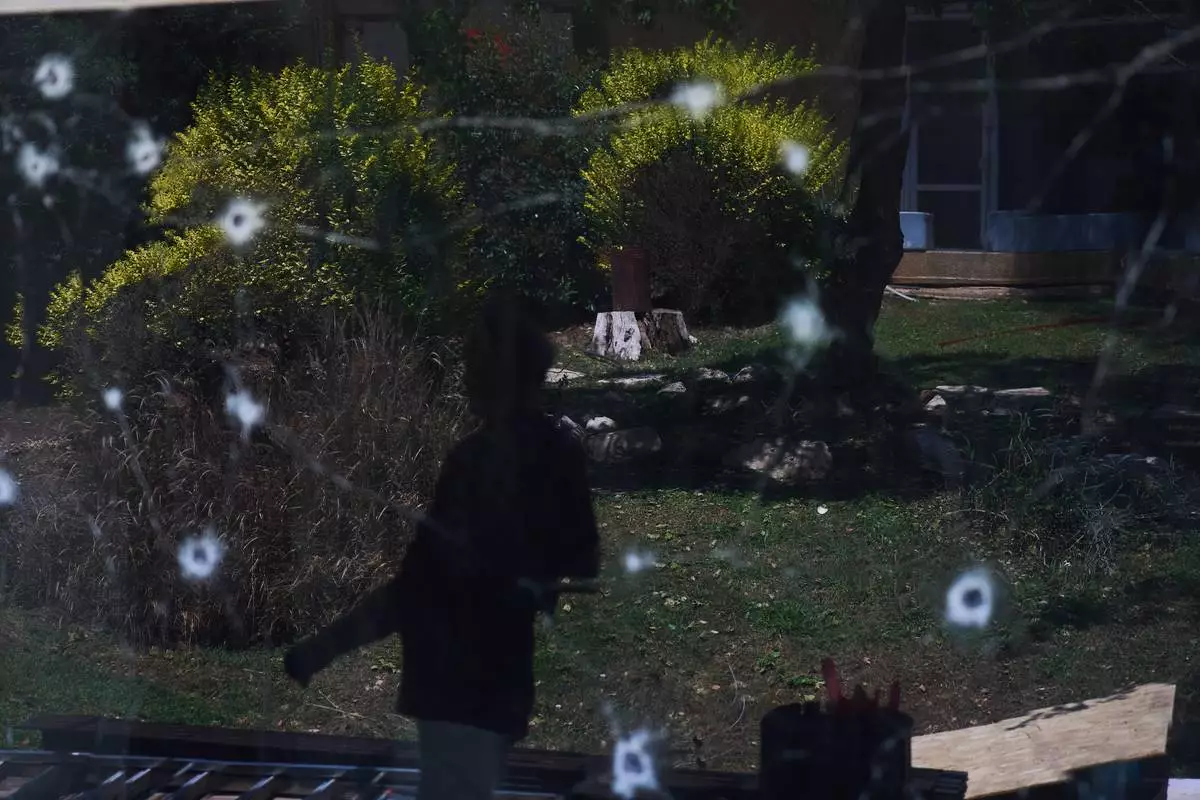
A person walks past the site struck by a rocket fired from Lebanon on Saturday in Kiryat Shmona, northern Israel, Sunday, May 31, 2026. (AP Photo/Ariel Schalit)
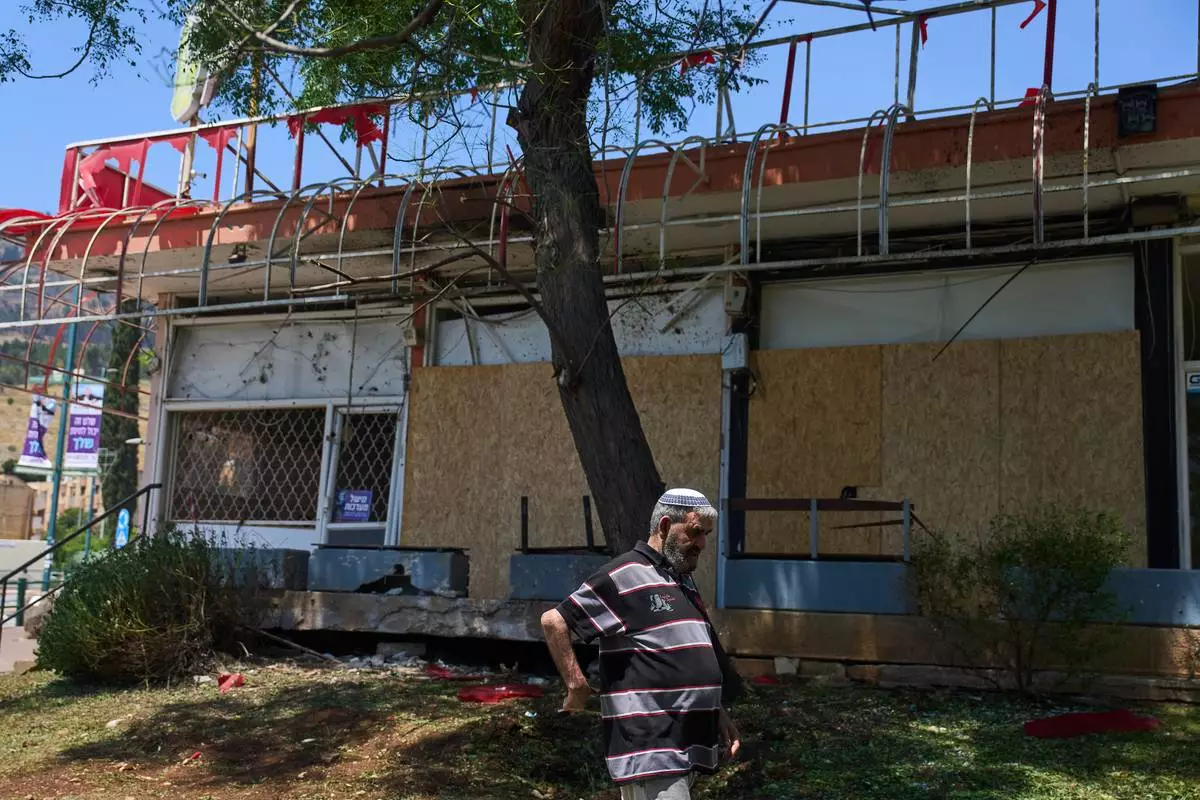
A local resident walks past the site struck by a rocket fired from Lebanon on Saturday in Kiryat Shmona, northern Israel, Sunday, May 31, 2026. (AP Photo/Ariel Schalit)
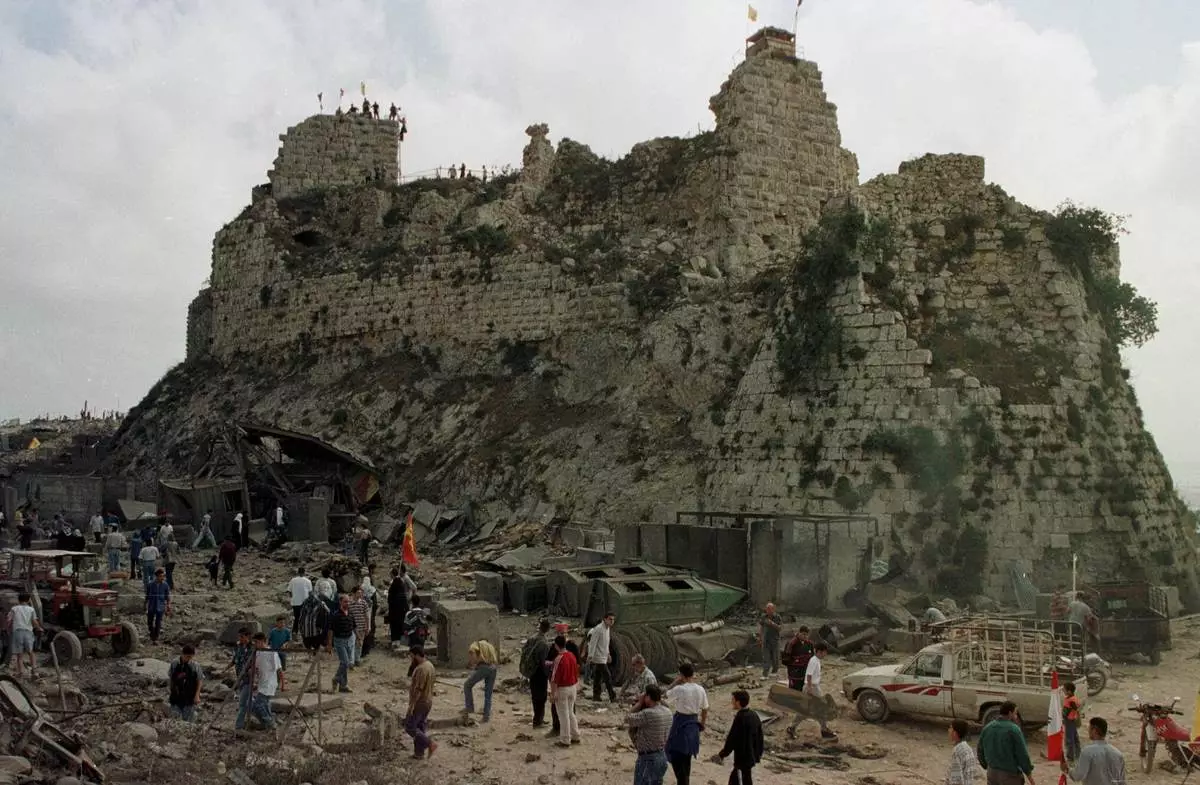
FILE -Villagers inspect the damage to Beaufort Castle, 10 kilometers (6 miles) northwest of the southern market town of Nabatiyeh, Lebanon, Wednesday, May 24, 2000. (AP Photo/Ahmed Mantash, File)