BEIRUT (AP) — Israeli troops have captured a strategic mountain topped with a Crusader-built castle in southern Lebanon in the deepest incursion of the country in more than a quarter-century, the military said Sunday.
The capture of Beaufort castle, near the city of Nabatiyeh, came after days of airstrikes and intense fighting in nearby villages where Israeli troops fought Hezbollah members in the rugged area.
Its capture marks a major development in the latest Israel-Hezbollah war, which began on March 2 when Hezbollah fired rockets into northern Israel two days after the U.S. and Israel attacked its main backer, Iran.
Israel has since launched a ground invasion, capturing dozens of Lebanese villages and towns close to the border. Hezbollah has launched thousands of missiles and drones at Israeli soldiers in southern Lebanon and northern Israel.
The Israeli push came despite a nominal ceasefire that has been in place since April 17 and just days before the next round of direct talks are set to be held at the State Department on June 2 and 3 between Lebanon and Israel.
The Israeli military's Arabic spokesperson, Avichay Adraee, posted a photograph on X showing Israeli troops walking outside the castle, and Defense Minister Israel Katz wrote on X that they had raised an Israeli flag over the castle. Israeli troops previously captured the castle in 1982 and held it until they withdrew from Lebanon in 2000.
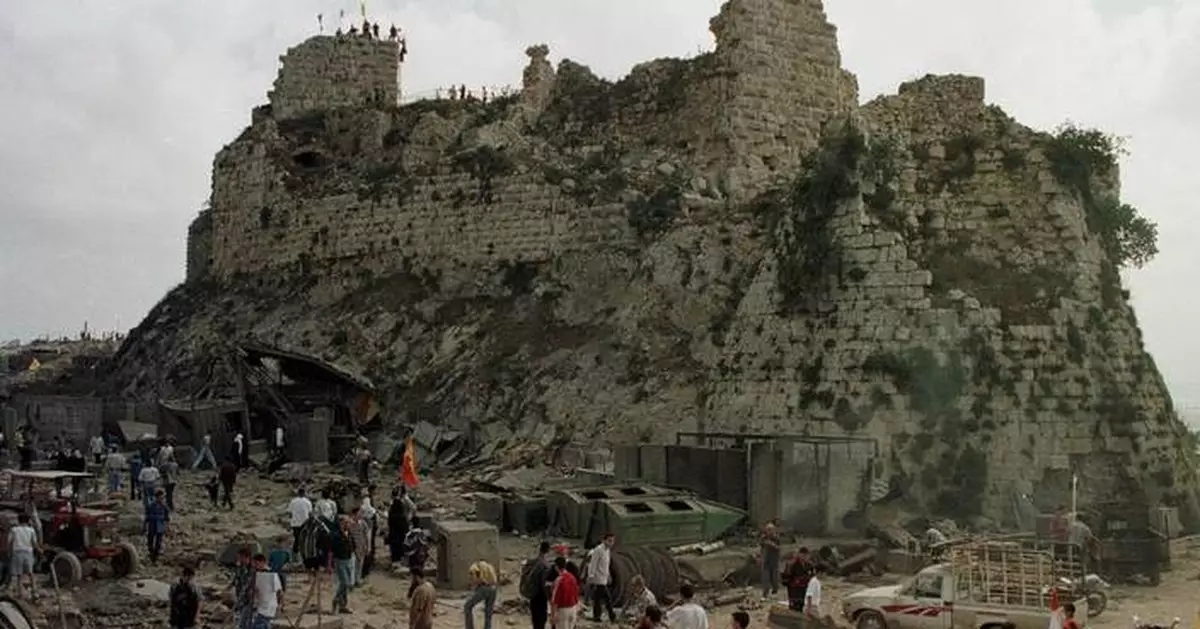
The Beaufort fortress, perched high atop Lebanon’s rolling green hills and overlooking the Litani River, has been a strategic military asset for many armies over almost 1,000 years.
Built as a Crusader castle around the 12th century on top of previous fortifications, it has been used by the Crusaders, Saladin’s Jerusalem army, Mamlukes, Ottomans, the French mandate, the Palestinian Liberation Organization and the Israeli military until 2000, when it was partially restored and opened to visitors. The Crusaders named it Beaufort which is Old French for “beautiful fortress.”
The 1982 capture of the castle from the Palestine Liberation Organization was a major victory for the Israeli military that was led at the time by Defense Minister Ariel Sharon, who later became the country's prime minister. At the time, the Israeli army pushed all the way north and occupied Beirut.
During the previous Israel-Hezbollah war in 2024, UNESCO gave enhanced protection to 34 cultural sites in Lebanon including Beaufort Castle to safeguard it from damage.
The castle is a few kilometers north of the Israel border and overlooks wide parts of southern Lebanon and northern Israel. In Arabic, it is called Al-Shaqif castle, an old Syriac word referring to the formidable rocky area.
The Israeli military said in a statement that it launched an operation a few days ago in the Beaufort Ridge and the Suluki valley further south with the aim of dismantling Hezbollah infrastructure and removing direct threats to Israeli civilians.
The statement said the army is ready “to expand the operation if needed.”
Beaufort is symbolic across the region, including in Israel, where it was one of the most well-known places Israel controlled during the 18 year occupation. One of Israel's most well-known war films, “Beaufort,” explores the moral questions and reservations and the futility of war, in the last days before the military withdrew.
In recent days, Israel has expanded the scope of its operations in Lebanon, sending troops across the Litani River, which previously served as a de-facto boundary, and demanding that residents leave much of southern Lebanon.
Israel has designated the area from the Litani up to the Zahrani River a combat zone. Some residents have already left the area due to the intense strikes in recent days, but people remain in many of the area’s towns.
Israeli troops have been advancing for days in villages close to Beaufort castle. They are now about 5 kilometers (3 miles) from the city of Nabatiyeh, a major center in southern Lebanon, and have called on all its residents to leave, as well as the residents of the coastal city of Tyre, the country’s fourth largest city, and its surroundings.
There was no immediate comment from Hezbollah or the Lebanese government on the Israeli push.
Hezbollah overnight claimed two attacks targeting Israeli troops and a Merkava tank in the southwestern town of Bayada near the border. In recent days, the group has said it has clashed with Israeli troops in several towns just north of the river near Nabatiyeh and the strategic castle.
Lebanon's state-run National News Agency reported airstrikes on different villages in southern Lebanon, saying they inflicted casualties without giving a breakdown. Hezbollah on Saturday fired salvos of rockets into northern Israel, including Kiryat Shmona, the largest city in the area.
Hezbollah's use of hard-to-detect fiber optic drones has been deadly for the Israeli military, which is struggling to respond. There have been nearly 200 alerts for Israeli civilians across northern Israel warning of drones and missiles in the past 24 hours, according to Israel's military.
The latest round of fighting between Israel and Hezbollah has killed 3,350 people in Lebanon and displaced more than 1 million people.
According to Israeli Prime Minister Benjamin Netanyahu’s office, at least 25 Israeli soldiers and a defense contractor have been killed in or near southern Lebanon, including one on Saturday. Two civilians have also been killed in northern Israel.
Lidman reported from Tel Aviv, Israel.
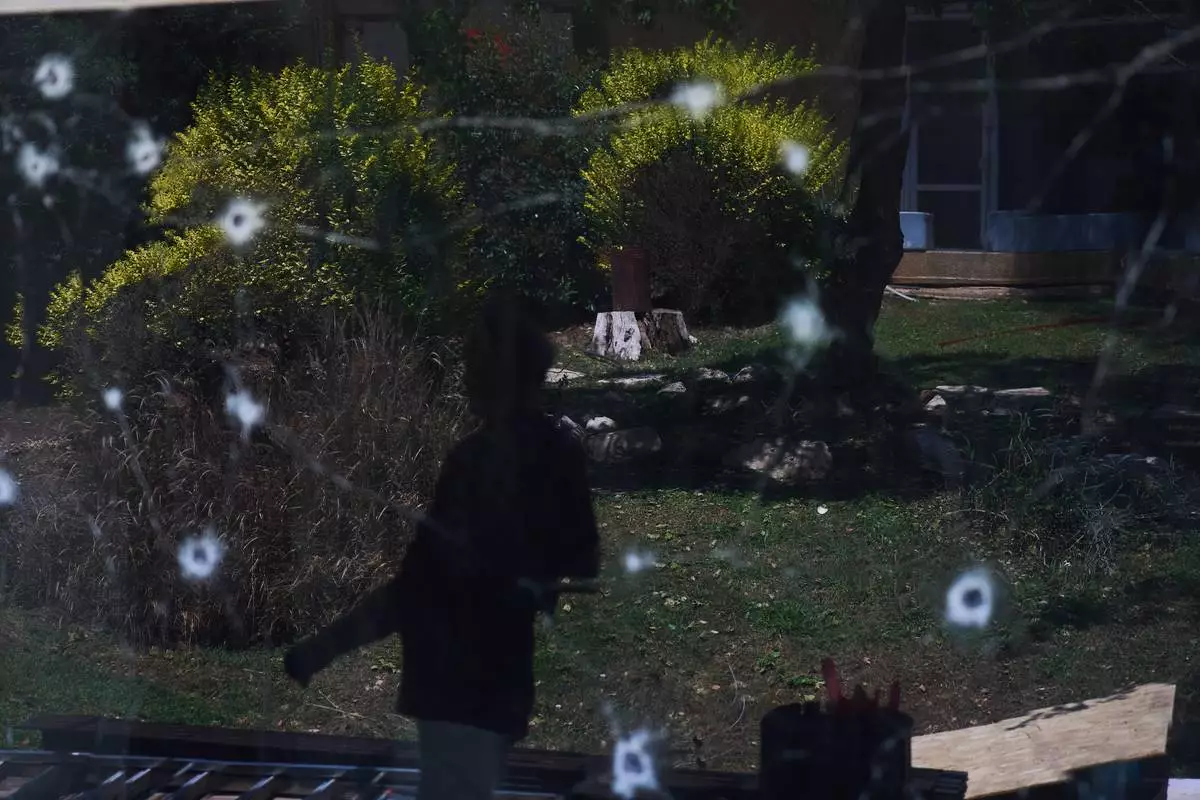
A person walks past the site struck by a rocket fired from Lebanon on Saturday in Kiryat Shmona, northern Israel, Sunday, May 31, 2026. (AP Photo/Ariel Schalit)
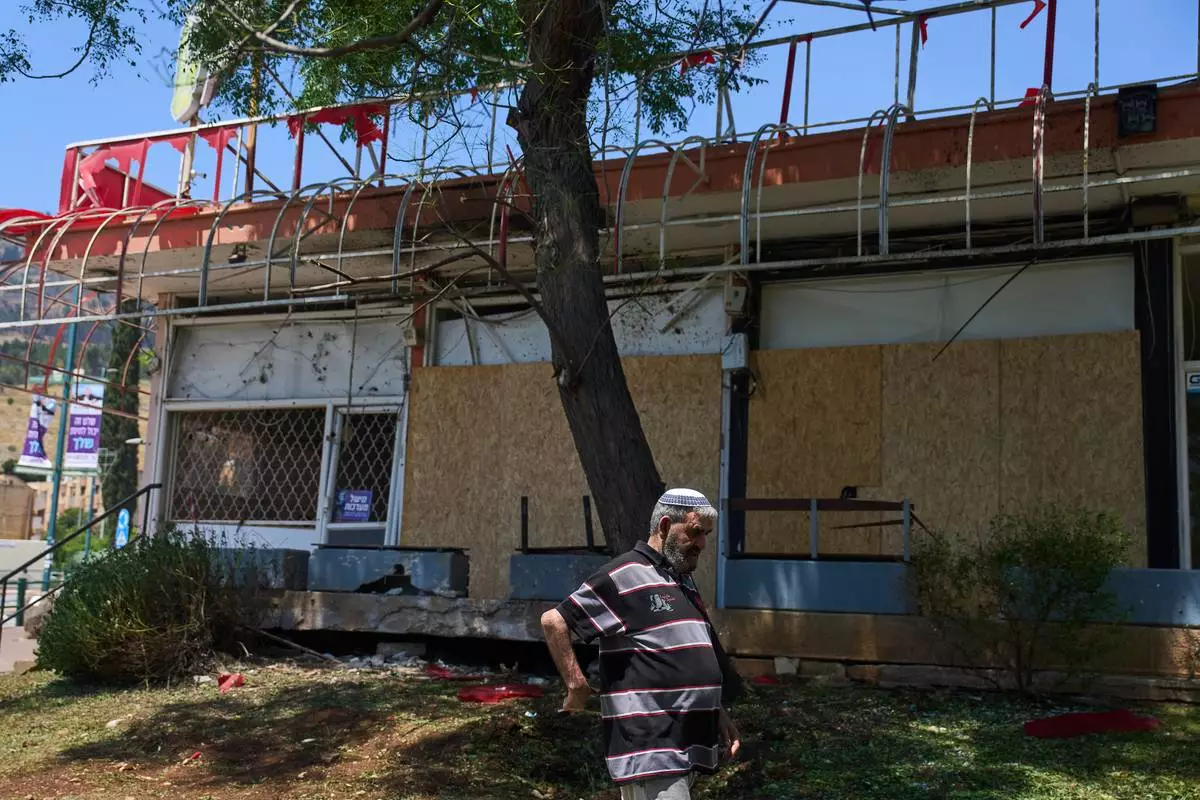
A local resident walks past the site struck by a rocket fired from Lebanon on Saturday in Kiryat Shmona, northern Israel, Sunday, May 31, 2026. (AP Photo/Ariel Schalit)
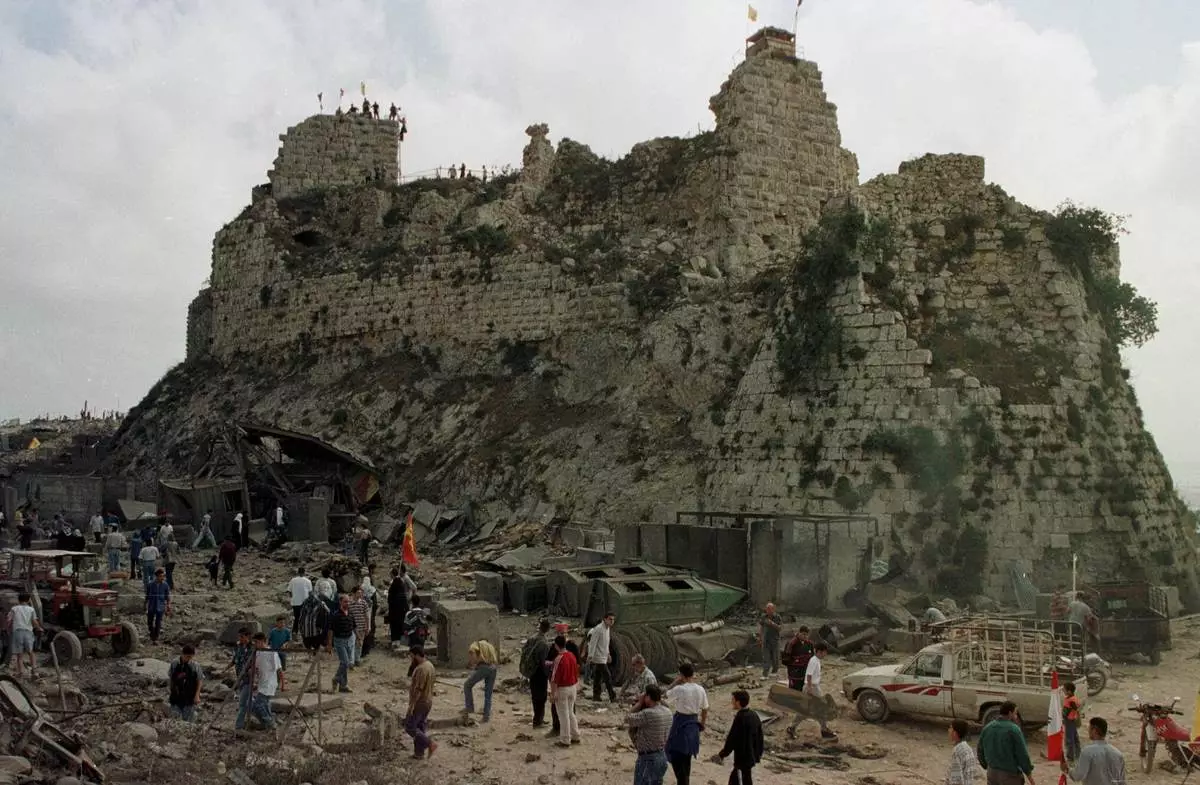
FILE -Villagers inspect the damage to Beaufort Castle, 10 kilometers (6 miles) northwest of the southern market town of Nabatiyeh, Lebanon, Wednesday, May 24, 2000. (AP Photo/Ahmed Mantash, File)