NEW YORK, Feb. 12, 2025 /PRNewswire/ -- Bluestar Alliance LLC, a leading global brand management firm, is pleased to announce the acquisition of Palm Angels® luxury streetwear brand. The acquisition of Palm Angels follows Bluestar Alliance's recent acquisition of Off-White from LVMH, and underscores Bluestar Alliance's continued expansion into the high-end streetwear and luxury fashion sectors. The addition of Palm Angels strengthens Bluestar's portfolio of both iconic and emerging brands, solidifying its leadership in the luxury streetwear market.
Born in 2015, Palm Angels has rapidly become a global leader in blending luxury fashion with street culture. Known for its distinctive aesthetic that merges American skate culture with Italian craftsmanship, the brand has garnered a loyal following and significant influence within the fashion world.
"We are thrilled to welcome Palm Angels into the Bluestar Alliance brand portfolio," said Joey Gabbay, CEO of Bluestar Alliance. "The brand's unique ability to bridge the worlds of streetwear and luxury has set it apart in the fashion industry. We are committed to supporting Palm Angels as it continues to evolve, innovate, and expand its global presence. This acquisition aligns perfectly with Bluestar's strategy of growing iconic brands with strong cultural relevance and consumer appeal."
Ralph Gindi, COO of Bluestar Alliance added, "Palm Angels is a brand that speaks directly to the cultural trailblazers—the underground tastemakers and fashion leaders who shape the future of style. In every community, there are those that set the trends, the visionaries who guide fashion's evolution, and those individuals are wearing Palm Angels. As we enter this exciting new chapter, we're proud to bring together creative forces from around the globe to continue shape the future of fashion."
"Palm Angels has been shaping the intersection of luxury and street culture.
As it enters a new chapter, I step away with confidence and wish them the greatest success ahead," said Francesco Ragazzi.
About Palm Angels:
Palm Angels started in 2011 as a photographic documentation of LA's skater culture by Francesco Ragazzi and evolved into clothing in 2015, becoming known for its contemporary take on cultural signifiers and rebellious spirit. Palm Angels has become synonymous with contemporary luxury streetwear, attracting a global fanbase that includes fashion insiders, musicians, and celebrities alike.
About Bluestar Alliance, LLC:
Founded by Joseph Gabbay and Ralph Gindi in 2006, Bluestar Alliance is a global brand management company that owns, manages, and markets a portfolio of premium fashion, lifestyle, and consumer brands. The portfolio spans a range of contemporary and luxury brands, with over $9 billion in global retail sales. Bluestar Alliance's network of domestic and international partners offers the opportunity to take niche and established brands and grow them into worldwide lifestyle brands. The company manages a portfolio of over 400 licensees and a growing branded retail platform of over 500 stores throughout North America, Europe, Australia, South America, Asia, the United Arab Emirates, the Middle East, and India.
For more information, please contact:
Sarah Rosen
Bluestar Alliance
SRosen@Bluestarall.com
** The press release content is from PR Newswire. Bastille Post is not involved in its creation. **
BLUESTAR ALLIANCE ACQUIRES PALM ANGELS®
Limited-Time 618 Promotion Offers Savings on Selected Health and Wellness Products
HONG KONG, June 12, 2026 /PRNewswire/ -- As summer approaches, the enthusiasm for running, fitness, and outdoor activities continues to heat up. Coupled with the recent buzz around international sporting events, many people are staying up late to follow live matches while maintaining their regular daily work routines, leading to a much more fast-paced lifestyle. Facing the physical exhaustion brought on by high temperatures, workouts, and changes in daily routines, how to maintain peak condition through daily nutritional supplementation and a healthy diet has become a major focus for many. The global cross-border health e-commerce platform, iHerb, has carefully selected 9 popular items—ranging from sports nutrition and daily supplements to high-protein snacks and practical sports accessories—to accompany consumers in embracing a vibrant and energetic summer.
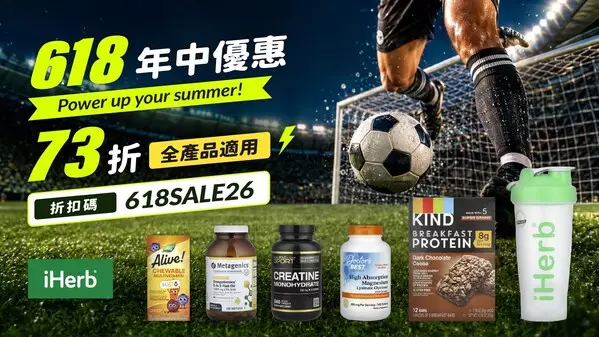
Simultaneously, iHerb is launching its "618 Limited-Time Offer." From June 12 to June 20, new customers can enter the promo code "618HK30" at checkout to enjoy a 30% discount, while existing customers can use the code "618SALE26" for a 27% discount. Plus, enjoy free shipping on orders over 150 HKD for a limited time only! This makes it easier than ever to grab all your summer supplements and sports gear in one go.
As a globally renowned online retailer for health and wellness products, iHerb offers over 50,000 items covering diverse categories such as vitamins, sports nutrition, natural foods, beauty care, and daily essentials, serving over 180 countries and regions worldwide. In response to summer sports needs and changing lifestyle rhythms, iHerb has organized its recommendations into three main nutritional directions to help consumers confidently tackle the heat and physical challenges.
Elevate Sports Performance: Build Your Summer Mobility
In recent years, the number of people engaging in fitness, running, and outdoor sports has continued to grow, with many paying closer attention to pre- and post-workout nutrition. California Gold Nutrition's "Pure Creatine Monohydrate" is highly favored by those focused on sports performance and daily training, becoming a hot item among the fitness community. Meanwhile, the brand's "Organic MCT Oil" is beloved by fitness enthusiasts and those on ketogenic diets; it can be easily added to coffee, drinks, or daily meals as a convenient nutritional boost.
Besides nutritional supplements, sports accessories are equally essential. The iHerb Goods "Blender Bottle with Blender Ball" is not only portable but also ensures that whey protein, sports drinks, or nutritional powders are mixed quickly and evenly, making it a must-have accessory for many gym-goers.
Maintain Your Energy for Late-Night Matches: Daily Nutrition is Indispensable
With the recent surge in international sports events, many fans are staying up late to catch the games. Facing disrupted sleep schedules and the need for prolonged focus, maintaining balanced nutrition is crucial. Metagenics "OmegaGenics® 5-in-1 Fish Oil" is rich in premium EPA and DHA with a natural, easy-to-consume lemon flavor, serving as an essential foundational supplement for those who frequently eat out or stay up late.
Doctor's Best "High Absorption Magnesium Lysinate Glycinate 100% Chelated (Albion® TRAACS®)" provides a reliable daily source of minerals and is highly sought after by those who value a high quality of life, good rest, and regular routines. Additionally, Doctor's Best "PepZin GI® Zinc-L-Carnosine" has become a popular choice for daily wellness management. It offers a versatile nutritional solution perfectly suited for the fast-paced, high-dining-out lifestyle of modern consumers.
Fueling the Whole Family: High-Protein Snacks and Daily Nutrition in One Go
Beyond sports enthusiasts and sports fans, summer is also peak season for family outings and outdoor activities. Nature's Way "Alive!® Kids Chewable Multivitamin" for kids, featuring an orange berry flavor, has become a popular choice for daily family nutritional support.
For those looking to balance great taste with nutritional benefits, high-protein snacks are a trendy choice. KIND Bars "Dark Chocolate Cocoa Breakfast Protein Bars" combines rich chocolate flavor with protein replenishment, making it a perfect afternoon snack or post-workout boost. The Atkins "Protein Cookies - Chocolate Chip" offers both great texture and convenience, becoming a new favorite guilt-free snack for office workers, gym-goers, and late-night sports fans.
618 Limited-Time Offer Begins: Up to 30% Off on Wellness Essentials
iHerb hopes that through its diverse product selections and cross-border direct delivery services, it can help consumers easily find the health supplements that suit them best during the summer sports season, travels, and lifestyle changes. The 618 limited-time promotion runs from now until June 20: new customers enjoy 30% off with the code "618HK30", and existing customers get 27% off with "618SALE26". Seize the timing for summer replenishment and prepare early for a healthy second half of the year.
iHerb: Your One-Stop Global Health Shop
Headquartered in California, USA, iHerb is a leading global online retail brand for health and wellness products. iHerb's greatest advantage is providing a safe, reliable platform where consumers "don't need to look for purchasing agents and don't have to worry about buying fakes." With an authentic product guarantee, iHerb brings in premium niche brands from around the world. Many highly-rated natural, organic, vegan, or gluten-free brands from Europe and the US that haven't been widely introduced in Hong Kong SAR can easily be found on iHerb, making it highly attractive to consumers pursuing specific lifestyles or dietary needs. All products are shipped directly from logistics centers, providing an exceptionally convenient shopping experience:
- Fast Delivery: Get your orders delivered as fast as the next day.
- Free Shipping: Enjoy free shipping on orders over 150 HKD (Limited period; final charges as displayed at checkout.).
From vitamins and supplements to health goods for the whole family, now is the perfect time to stock up. Shop smart and with peace of mind—visit the iHerb official website today to stay updated on the latest deals so you never miss out on high-value offers!
About iHerb (Hong Kong Official Website: https://hk.iherb.com/)
iHerb is a US-based online retail brand headquartered in California, specializing in health and wellness products. Its core philosophy is to provide high-quality natural health products to global consumers at affordable prices with a convenient shopping experience. Currently, iHerb's product line covers over 50,000 items, including vitamins, nutritional supplements, sports nutrition, beauty care, natural foods, personal care products, and pet supplies. It partners with over 1,200 brands, ranging from well-known international names to proprietary house brands.
One of iHerb's key features is its global direct shipping service, delivering products from multiple fulfillment centers in the US and Asia directly to over 180 countries, with a multi-language interface to accommodate consumers from different regions.
** This press release is distributed by PR Newswire through automated distribution system, for which the client assumes full responsibility. **
Summer Sports Wave is Here! iHerb Curates 9 Must-Have "Energy Boost" Essentials