A team of Chinese researchers have developed a method to recover capacity of used lithium-ion (Li-ions) batteries, and the research was published in the journal Nature on Thursday (Beijing time).
During the study on expanding the lifespan of lithium-ion batteries, the research team from Fudan University in Shanghai found that batteries fail when active Li-ions are consumed. In response, they have developed a lithium carrier molecule that can be injected into degraded batteries to replenish their loss of Li-ions.
"Our solution can achieve 'precise treatment', so that a battery can be restored to its original state after being used. This is a commercial lithium iron phosphate battery. Typically, it would degrade and give out after being recharged and reused 2,000 times. With this method, it can be recharged and reused 12,000 times, and still maintain a healthy state close to when users first got the battery," said Gao Yue, a member of the research team at the department of macromolecular science, Fudan University.
To develop the lithium carrier molecule, the team used AI and chemistry knowledge to digitize molecular structures and properties and built a database by introducing a large amount of knowledge in organic chemistry and material engineering technology before carrying out many experiments.
Gao said the molecule features multiple advantages.
"This molecule is not only very effective in repairing (commercial) batteries, but also very low in cost. It can also help develop new green batteries," said Gao.
Researchers have managed to use the method to restore the lost capacity of multiple types of batteries, and cooperated with top international battery manufacturers in the hope of applying the solution to real-life use.
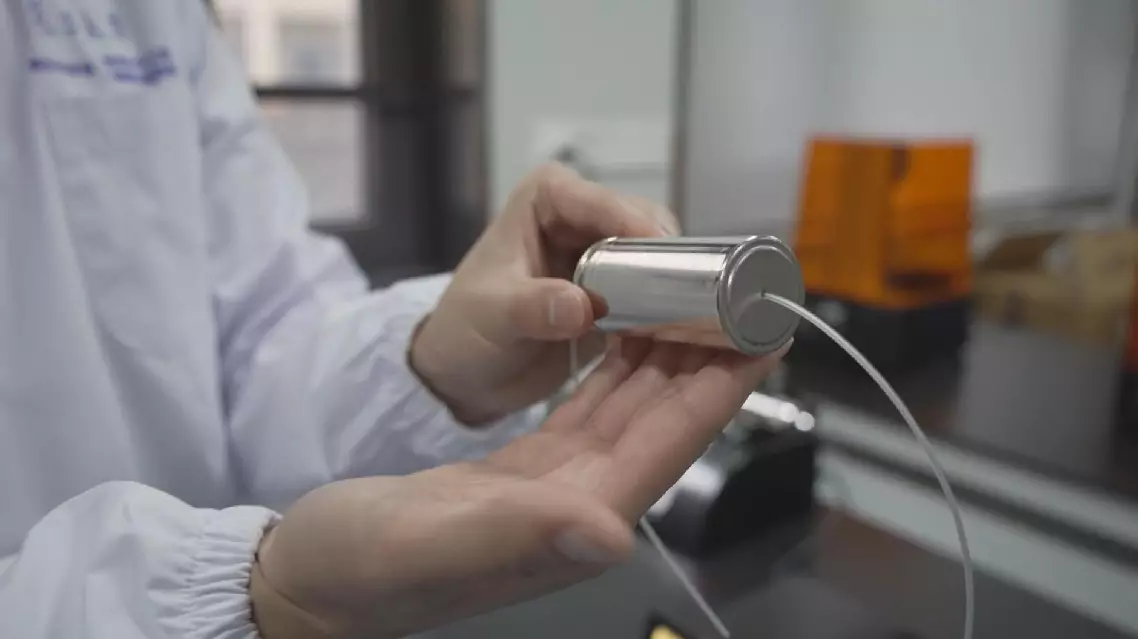
Chinese researchers make progress in extending Li-ion battery longevity