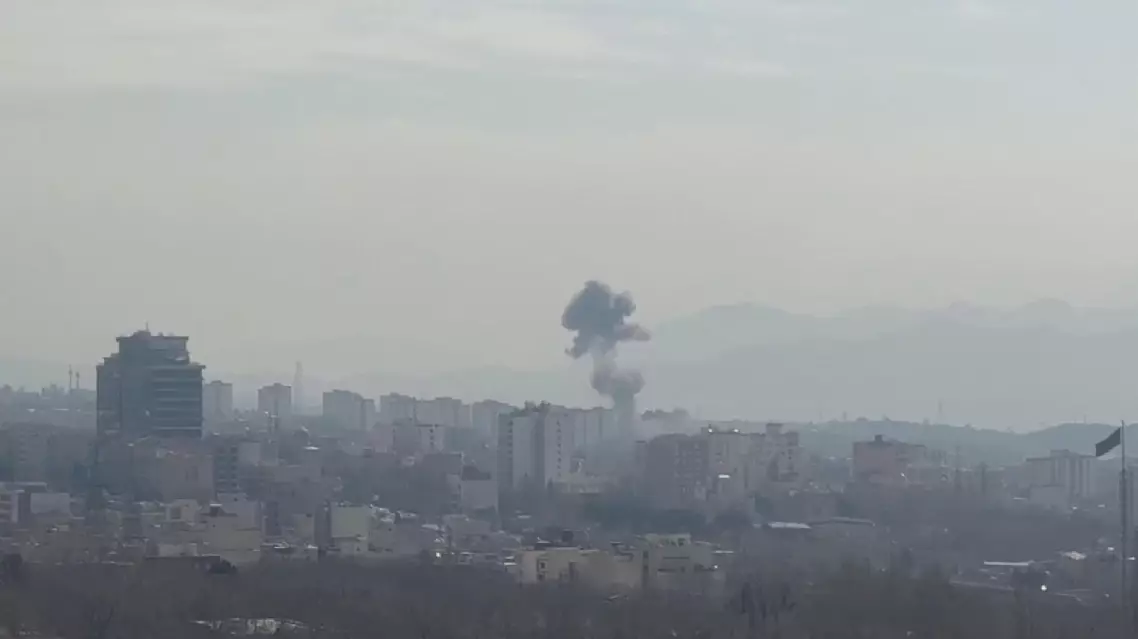
Iran said on Thursday that 1,230 people have been killed in U.S. and Israeli strikes on the country since fighting began on Saturday.
The death toll was announced by Iran's Foundation of Martyrs and Veterans Affairs in a statement on its website.
The Iranian Red Crescent Society (IRCS) said on Thursday that 105 civilian sites and facilities in the country had been attacked by the U.S. and Israel since the outbreak of the conflict.
The IRCS said 1,332 attacks had been recorded at 636 locations across Iran since Saturday, with damage reported at 14 medical and pharmaceutical institutions.
Israel and the United States launched joint attacks on Tehran and several other Iranian cities on Saturday, killing Supreme Leader Ali Khamenei as well as members of his family, high-ranking military commanders, and civilians, according to Iranian officials.
Iran responded with waves of missile and drone attacks targeting Israel and U.S. assets across the Middle East.
As the conflict entered its sixth day, the Iranian army said Thursday that the country's air defense systems had shot down Israel's Hermes drones.
Iran's Islamic Revolution Guards Corps (IRGC) said Thursday its air defense has shot down a U.S. F-15E Strike Eagle fighter jet near the country's southeastern border.
The U.S. Central Command soon denied Iran's claim, calling it "baseless and not true."
In another statement, the IRGC said it launched on early Thursday "heavy" Khorramshahr-4 missiles towards Tel Aviv as well as the Ben Gurion Airport and the 27th Squadron of the Israeli Air Force located inside it.
The Israeli military said Thursday that its air force had struck an Iranian underground ballistic missile storage site, storage facilities for anti-aircraft missiles, and launch sites for long-range ballistic missiles.
Iran launched three waves of missile attacks on Israel from Wednesday night into Thursday morning, triggering air-raid sirens in Tel Aviv, Haifa, across central Israel, and in Jerusalem, according to the Israel Defense Forces (IDF).
Hezbollah had also launched rockets towards northern Israel from its bases in southern Lebanon, the IDF said, but did not confirm whether the attacks had caused casualties.
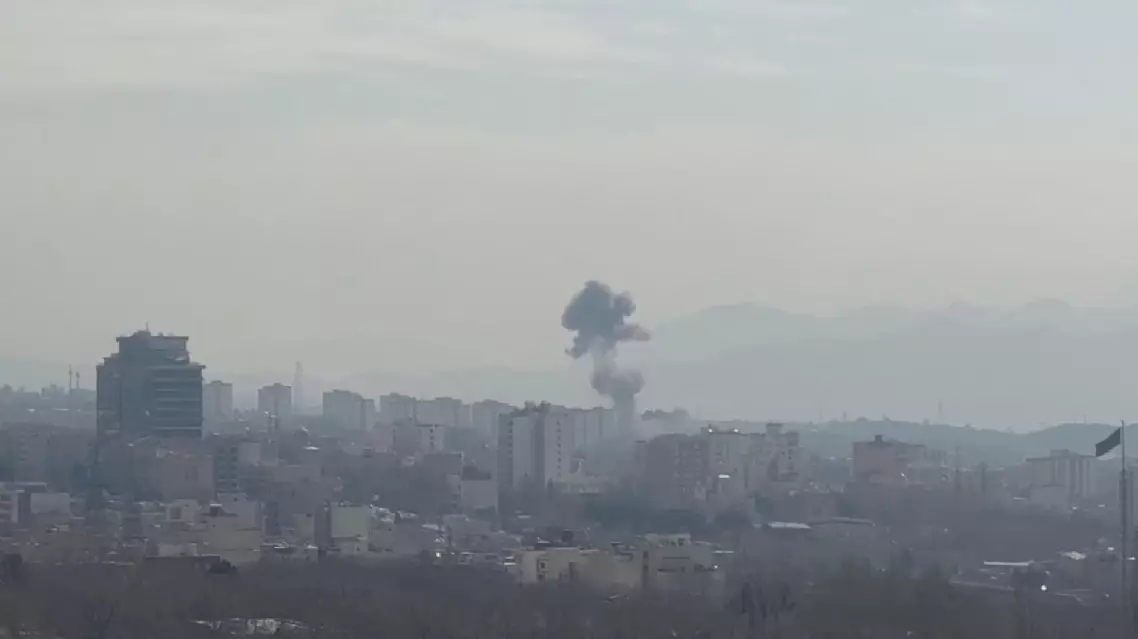
Iran says death toll of U.S.-Israeli strikes reaches 1,230
Iran says death toll of U.S.-Israeli strikes reaches 1,230
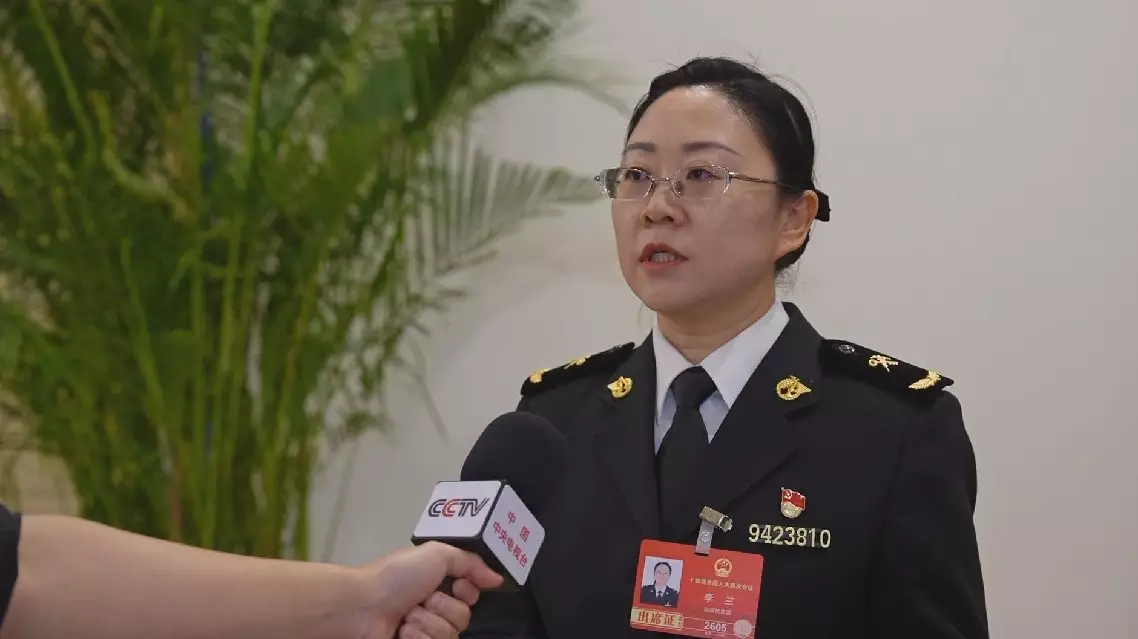
Li Lan, a deputy to the 14th National People's Congress (NPC), said that the infrastructure at the Alashankou port, also known as Alataw Pass, a major railway port in northwest China's Xinjiang Uygur Autonomous Region, should be further upgraded and used intensively and efficiently to better support the high-quality development of foreign trade.
Located on the border with Kazakhstan, the Alashankou port serves as a key transportation corridor linking China with Central Asia and Europe. Freight services passing through Alashankou now cover 128 routes, connecting China with 21 countries. Cargo carried ranges from auto parts and electronic products to daily consumer goods, according to customs data.
Li, director of the port's customs technical center, has witnessed profound changes of the land port amid the country's opening-up drive.
As an important gateway opening up to the west, the Alashankou port has become one of the fastest-growing ports in terms of the foreign trade cargo throughput since the Belt and Road Initiative (BRI) was proposed by China. While performing her duties as an NPC deputy during the past year, Li focused on addressing the pain points facing foreign trade enterprises in their process for customs clearance.
"We have also conducted market research in Central Asia. Initially, we thought that our infrastructure was significantly superior to theirs. However, in recent years, their infrastructure has greatly been modernized and highly efficient. Also, their customs clearance efficiency has improved rapidly. On the other side, I think our infrastructure, including customs clearance capabilities, needs to be enhanced and further improved," said Zheng Jiahong, the person in charge of a local enterprise.
Through field research, Li discovered that a lack of standardized provisions regarding regarding the number of channels at ports of different levels, the configuration of inspection facilities and equipment, the layout of functional areas, operational procedures, and human resource guarantee significantly constrained customs clearance efficiency at the port, thereby adding burdens to logistics companies.
"In international trade, the logistics cycle is a key factor affecting the profits of foreign trade enterprises. It's safe to say that every hour, every minute counts on our cost. Saving time essentially means increasing corporate profits," said Shan Pu, the person in charge of a logistics enterprise in Alashankou City.
Xinjiang boasts 16 of the 101 land ports across China. In Li's research, she found that the primary entities responsible for port construction in various regions are often prefecture-level or even county-level governments, leading to a lack of unified standards for first-class port construction, which makes it more challenging to meet the growing demands of foreign trade development.
In her proposal to this year's NPC session, Li suggests that the National Standards for the Construction of Port Inspection Infrastructure should be revised at a faster pace at the national level, so as to provide scientific guidance for the construction of ports across the country and enable them to adapt to the increasing demands of imports and exports.
"During this year's 'two sessions', while exchanging views with several deputies from the delegation of Xinjiang, I noticed a shared aspiration that everyone is eager for Xinjiang to make greater contributions to the country's overall plan of opening up to the west. Through my thorough and in-depth research, I hope that the relevant ministries and commissions will expedite the formulation of a new edition of the National Standards for the Construction of Port Inspection Infrastructure. This will enable the upgrading of our ports, better equipping them to meet the demands of high-quality development in the country's foreign trade sector in the future," Li said.
The "two sessions" refer to the annual meetings of China's top legislature -- the National People's Congress (NPC), and the top political advisory body -- the National Committee of the Chinese People's Political Consultative Conference (CPPCC).
The 14th NPC opened its fourth session on Thursday in Beijing.
NPC deputy calls for infrastructure upgrades of land ports in Xinjiang