China’s booming snow and ice economy has transformed the once-quiet winter into a busy and profitable time for rural areas in northeast China, such as Nangou Village in Jilin City, helping local people increase their income and providing tourists a world-class skiing experience.
For years, winters in northeast China meant staying indoors and taking things slow through nearly half a year of bitter cold. The combination of winter sports and rural tourism has turned what was once an off-season into a peak period for local incomes.
Situated along the "golden skiing belt" at 43 degrees north latitude, Jilin City in northeast China's Jilin Province boasts high-quality snow and an extended snow season. These natural advantages are attracting skiers from across the country and around the world, injecting new vitality into the local rural economy.
"I've been running the guesthouse for 16 years since 2011. My business grew from just 3 rooms to more than 50 rooms," said Yang Baoqing, a guesthouse owner in Nangou Village.
Nangou Village sits at the foot of the Beidahu Ski Resort. The village now boasts 149 guesthouses with more than 800 rooms, capable of hosting up to 2,000 visitors at a time. The winter tourism boom has brought each household tens of thousands of U.S. dollars in annual income.
Just a 10-minute drive from the ski resort in Nangou Village, tourists can find everything they need for skiing, as well as food bursting with authentic local flavors.
"It's my first time in northeast China. I found that the people here are incredibly hospitable. Whenever we have any questions, we would tell the guesthouse owner, and they are always very helpful in answering it," said a tourist.
The guesthouse industry has also created many high-paying jobs for nearby villagers. Some of them do farm work in summer and come to work in guesthouses in winter to earn some extra income.
"I get a higher salary during this season, as this is a seasonal job here," said chef Zeng Xiangming.
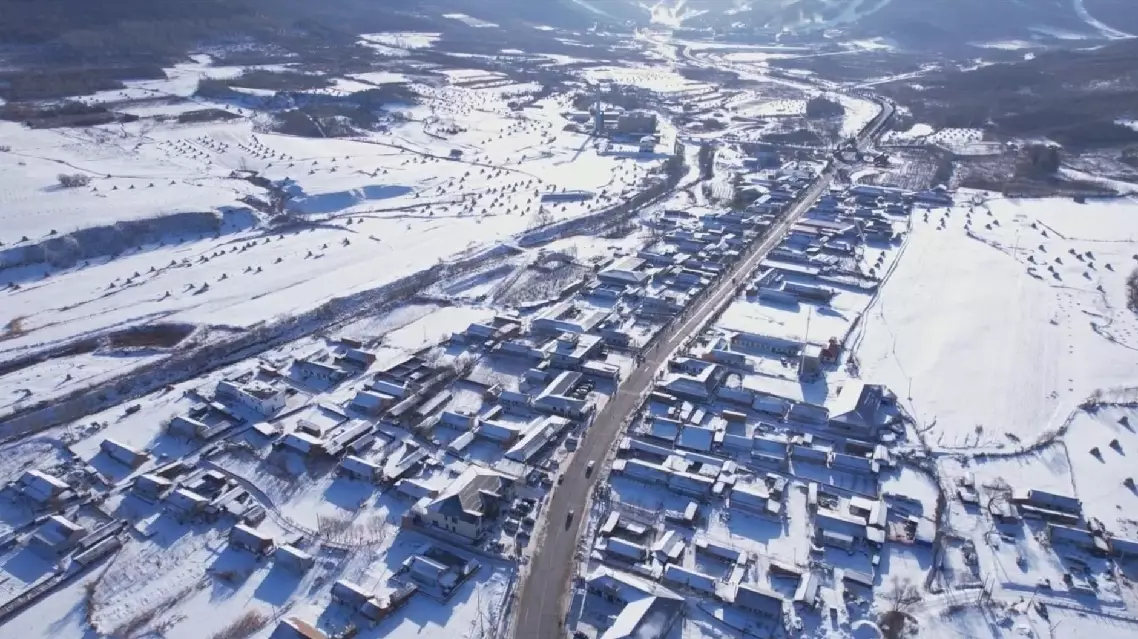
Village in northeast China embraces winter economy
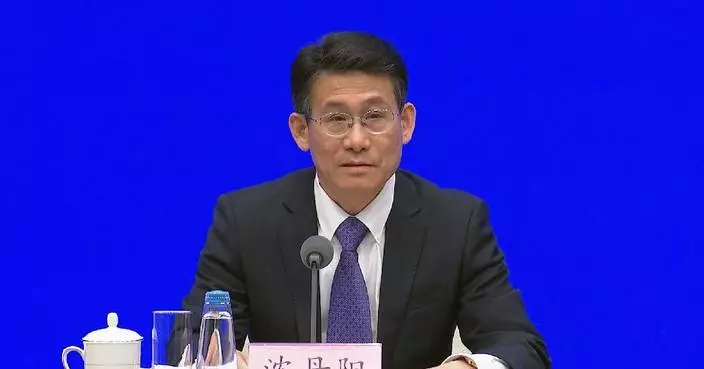
China will take more effective measures to improve people's wellbeing, especially in education, healthcare, and social security, an official said Thursday in Beijing at a press conference on the interpretation of this year's government work report, which was submitted to the national legislature for deliberation earlier in the day.
Shen Danyang, head of the government work report drafting team and director of the State Council Research Office, said centering on enhancing educational equity and quality, the report made arrangements for education at all educational stages and of all types.
"Regarding preschool education, the policy of free education in the year prior to entering primary school will continue to be implemented this year, which is commonly referred to as free admission to the senior class of kindergartens. So, how can the income reduction of kindergartens be addressed? Subsidies will be provided by both the central and local governments, with the central government taking the lion's share. This year, the funds allocated to support the development of preschool education will increase significantly by 37.8 percent to ensure the implementation of the beneficial policy," he said.
Regarding senior high school education, Shen said the report stated that the supply of regular senior high school places will be increased,
Specifically, for areas with a continuous net inflow of population, a number of regular high schools will be planned and constructed on an annual basis. For regions with a temporary shortage of school places, priority will be given to the renovation and expansion of existing teaching buildings, student dormitories and canteens, he said.
Shen said the report put forward many supportive measures in healthcare.
"For instance, it urged efforts to strengthen coordination in drug use at the grassroots level, which mean improving the list of essential drugs, and optimizing the channels for drug supply and drug use coordination between upper- and lower-level medical and health institutions to make it more convenient for the public to use drugs at their doorstep. Besides, the report has made arrangements for supporting the development of innovative drugs for the third consecutive year. This year, China will strengthen the coordination of supportive policies in an all-round way, further address issues such as the barriers facing innovative drugs entering hospitals, and better meet the diverse medical and medication needs of the people," he said.
In terms of social security, Shen said the report proposed to continue raising the minimum standard of basic pensions for urban and rural residents -- a policy will benefit over 180 million elderly people.
"The central government will allocate 1.25 trillion yuan (about 181.25 billion U.S. dollars) in subsidy funds to ensure the timely and full payment of pensions. In response to the insufficient protection of the rights and interests of people engaging in new occupations, the report proposed to steadily and orderly expand the scale of the pilot program for occupational injury insurance. This year, the policy will cover 31 provincial-level regions across the country and the Xinjiang Production and Construction Corps. Meanwhile, enterprises specializing in travel, instant delivery and intra-city freight delivery will be included in the pilot program, which will ensure the safety of more laborers, such as food delivery workers and online car-hailing drivers," he said.
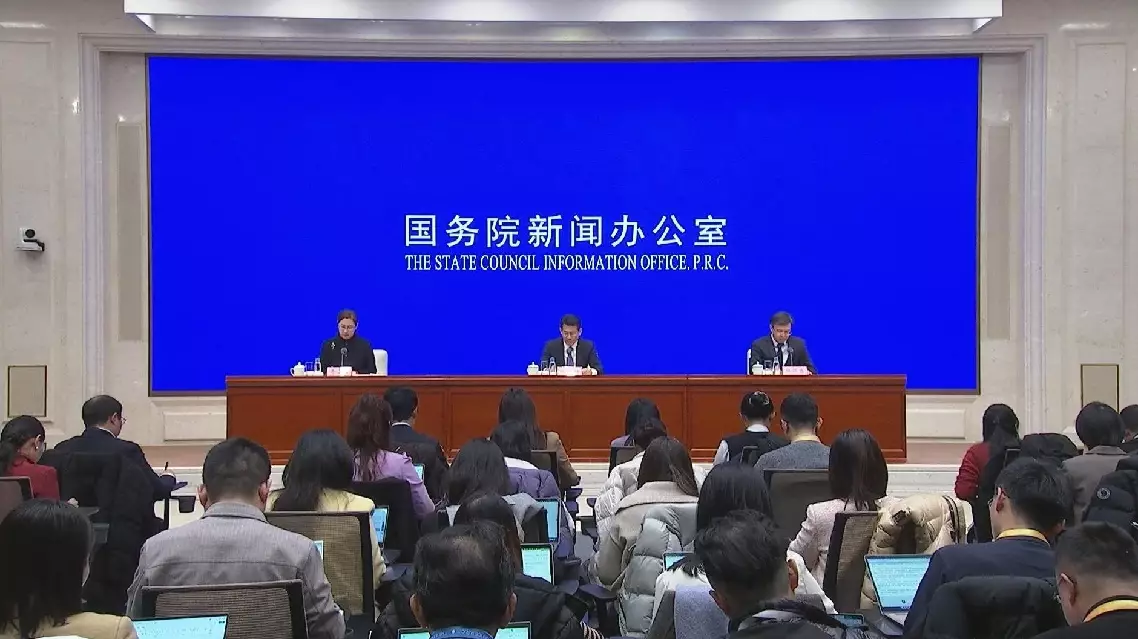
China to improve people's wellbeing in education, healthcare, social security: official