Skip to Content Facebook Feature Image

Hamas says it will free 6 living hostages and hand over 4 bodies, accelerating Gaza releases

News

Hamas says it will free 6 living hostages and hand over 4 bodies, accelerating Gaza releases
News

News

Hamas says it will free 6 living hostages and hand over 4 bodies, accelerating Gaza releases

2025-02-19 07:13 Last Updated At:07:20

CAIRO (AP) — A top Hamas official says the militant group will free six living Israeli hostages on Saturday and return the bodies of four others on Thursday, a surprise acceleration in releases apparently in trade for Israel’s allowing mobile homes and construction equipment into the devastated Gaza Strip.

The six are the last living hostages set to be freed during the ceasefire’s first phase in exchange for hundreds of Palestinians held in Israeli prisons.

The announcement by Hamas leader Khalil al-Hayya, in prerecorded remarks released Tuesday, said the dead would include the “Bibas family” — two young boys and their mother who for many Israelis have come to symbolize the plight of those taken captive. Israel has not confirmed their deaths, and the prime minister's office urged the public not to distribute “photos, names and rumors” after the announcement by Hamas.

"In the past few hours, we have been in turmoil,” surviving members of the Bibas family said in a statement released Tuesday by a group representing the relatives of hostages. “Until we receive definitive confirmation, our journey is not over.”

Israel has long expressed grave concern about Shiri Bibas and her sons, Kfir and Ariel, who Hamas claimed had been killed in an Israeli airstrike early in the war. Husband and father Yarden Bibas was kidnapped separately and released this month.

Kfir, who was 9 months old at the time, was the youngest hostage taken in Hamas’ Oct. 7, 2023, attack that killed 1,200 in Israel and ignited the war. A video of the abduction showed Shiri swaddling her redheaded boys in a blanket and being whisked away by armed men.

The six living hostages slated for release are Eliya Cohen, Tal Shoham, Omer Shem Tov, Omer Wenkert, Hisham Al-Sayed, and Avera Mengistu, the Hostages and Missing Families Forum said Tuesday. Cohen, 27, Shem Tov, 22, and Wenkert, 23, were abducted from a music festival. Shoham was taken from the hard-hit community of Kibbutz Beeri. Al-Sayed, 36, and Mengistu, 39, have both been held since crossing into Gaza years before the Oct. 7 attack.

The release of all six this week would mark an acceleration of the ceasefire deal, which called for Hamas to release three living hostages Saturday, with three more to be freed a week later. When the deal was made, it called only for the bodies of the dead to be returned by the end of the first phase.

Israel is expected to continue releasing hundreds of Palestinian prisoners, including many serving life sentences for deadly attacks, in exchange for the hostages. Others were detained without charge. During the first phase, Israel is also due to release all women and children seized from Gaza since the war began.

The warring sides have yet to negotiate the second and more difficult phase, in which Hamas would release dozens more hostages in exchange for a lasting ceasefire and an Israeli withdrawal.

An Israeli official, speaking on condition of anonymity in line with regulations, said Prime Minister Benjamin Netanyahu had agreed to allow long-requested mobile homes and construction equipment into Gaza as part of efforts to accelerate the hostages' release.

Hamas last week threatened to hold up releases, citing the refusal to allow in mobile homes and heavy equipment among other alleged violations of the truce.

Israel began allowing entry of rubble-removing equipment Tuesday, according to an Associated Press journalist in southern Gaza and Egypt’s state-run media. The AP journalist saw two bulldozers clearing rubble in an area near the Palestinian side of the Rafah border crossing. An Egyptian driver told AP that dozens of bulldozers and tractors were at another crossing, awaiting Israeli permission to enter.

Rebuilding Gaza could cost $53.2 billion, according to a report released Tuesday by the World Bank, the U.N. and the European Union. The report identified almost $30 billion in damage from the war, nearly half reflecting destruction of homes.

The ceasefire that began in mid-January paused fighting that has killed more than 48,000 Palestinians, mostly women and children, according to Gaza’s Health Ministry, which does not say how many were combatants.

But Israel's government still says it wants to eliminate Hamas as a military and governing force in Gaza. And U.S. President Donald Trump ’s proposal to permanently remove Gaza's 2 million residents and redevelop the territory, though rejected by the Arab world and the Palestinians, has stirred even more uncertainty. Egypt is working on a counter-plan to rebuild without moving Palestinians.

“We will not leave our country, no matter what happens,” Muhammad Shaaban, a resident of Jabaliya in northern Gaza, told the AP. The area was hit by some of the fiercest bombardment of the war and most of its buildings and infrastructure was destroyed or damaged.

Mohammad Bahjat, also from Jabaliya, said Trump’s proposal is “unacceptable” and that he and his family would resist being expelled.

Israel has embraced the plan, and it and the Trump administration have emphasized they share the same goals in the war.

Israelis were horrified by the sight of three emaciated hostages in an earlier release this month, and revelations about hostages being held alone, barefoot or in chains have increased the pressure on Netanyahu's government to push ahead with the ceasefire’s next phase. A number of Palestinians released from Israeli prisons have shown emaciation, and some have reported abuses including beatings.

The deal's first phase calls for Hamas to gradually release 33 Israeli hostages, eight of whom are believed to be dead. So far, 19 living Israeli hostages have been released in the current phase, in addition to five Thai farmworkers who were abducted. If this week's releases go as planned, four bodies will remain and are set to be returned next week.

Hamas-led militants would still hold some 60 captives, around half believed to be dead.

The ceasefire's current phase runs until the beginning of March, and there are fears that fighting will resume. Talks on the second phase were to start early this month.

Melzer reported from Nahariya, Israel.

Follow AP’s war coverage at https://apnews.com/hub/israel-hamas-war
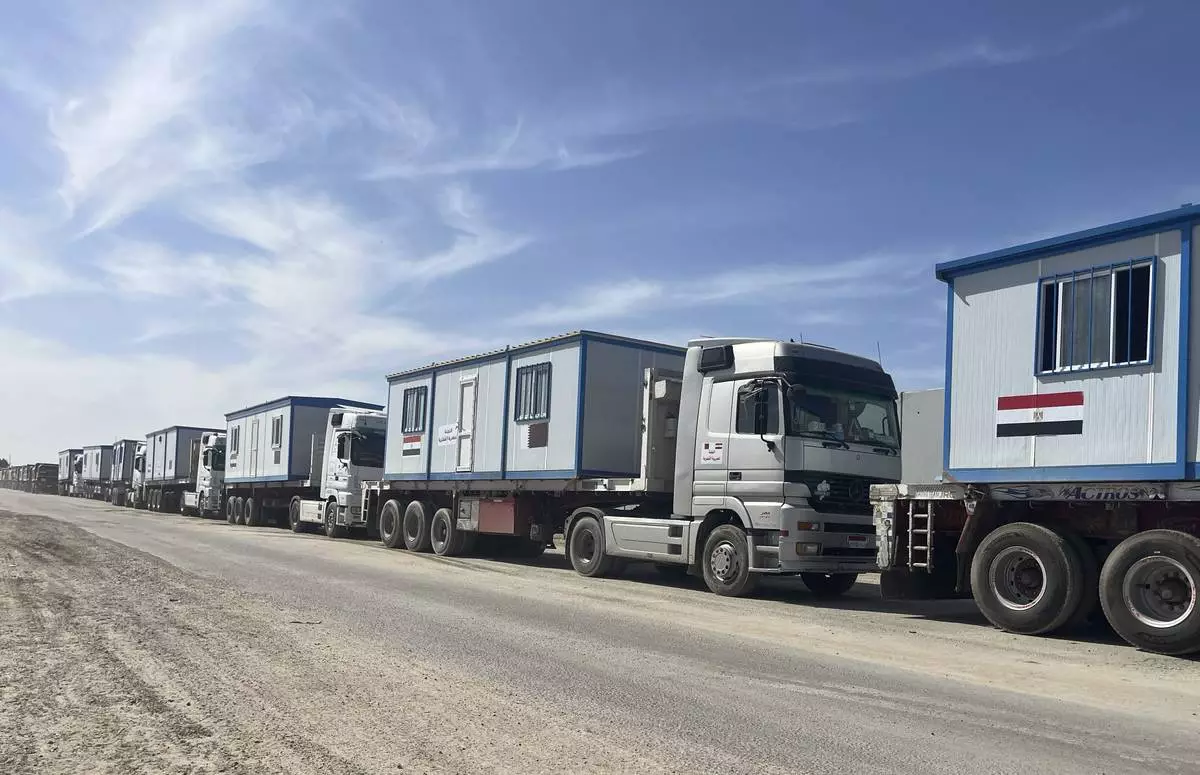
Scores of trucks carrying mobile homes line up on the Egyptian side of the Rafah crossing in preparation for entering Gaza, at the Rafah border crossing, Egypt, Tuesday, Feb. 18, 2025. (AP Photo/Mayar Mokhtar)
Scores of trucks carrying mobile homes line up on the Egyptian side of the Rafah crossing in preparation for entering Gaza, at the Rafah border crossing, Egypt, Tuesday, Feb. 18, 2025. (AP Photo/Mayar Mokhtar)

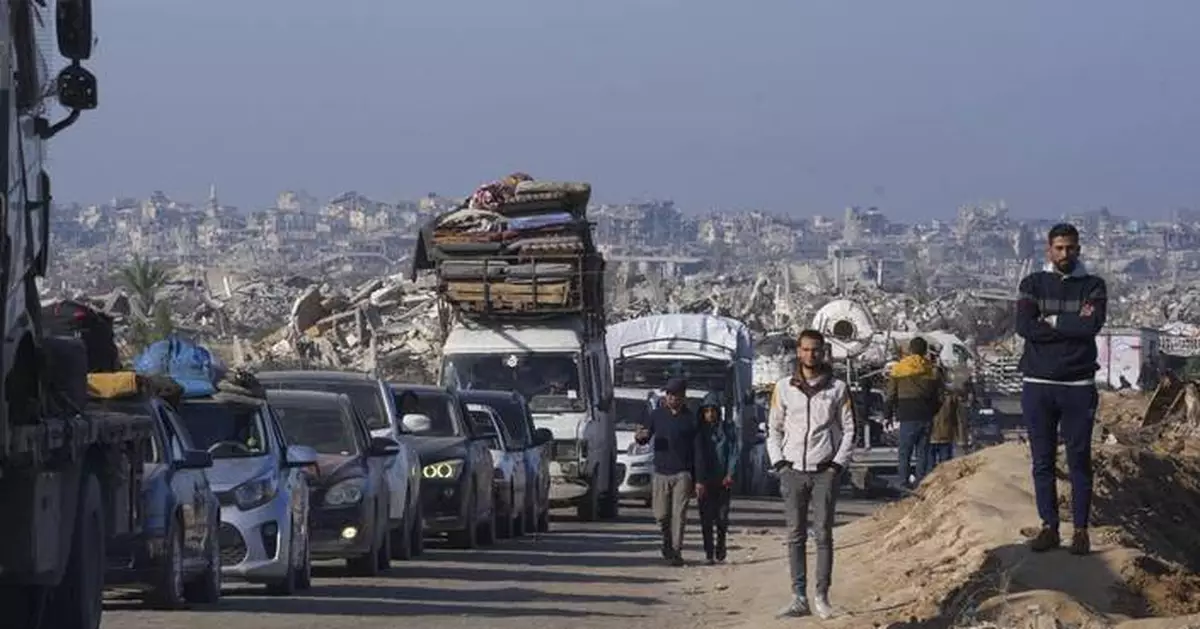
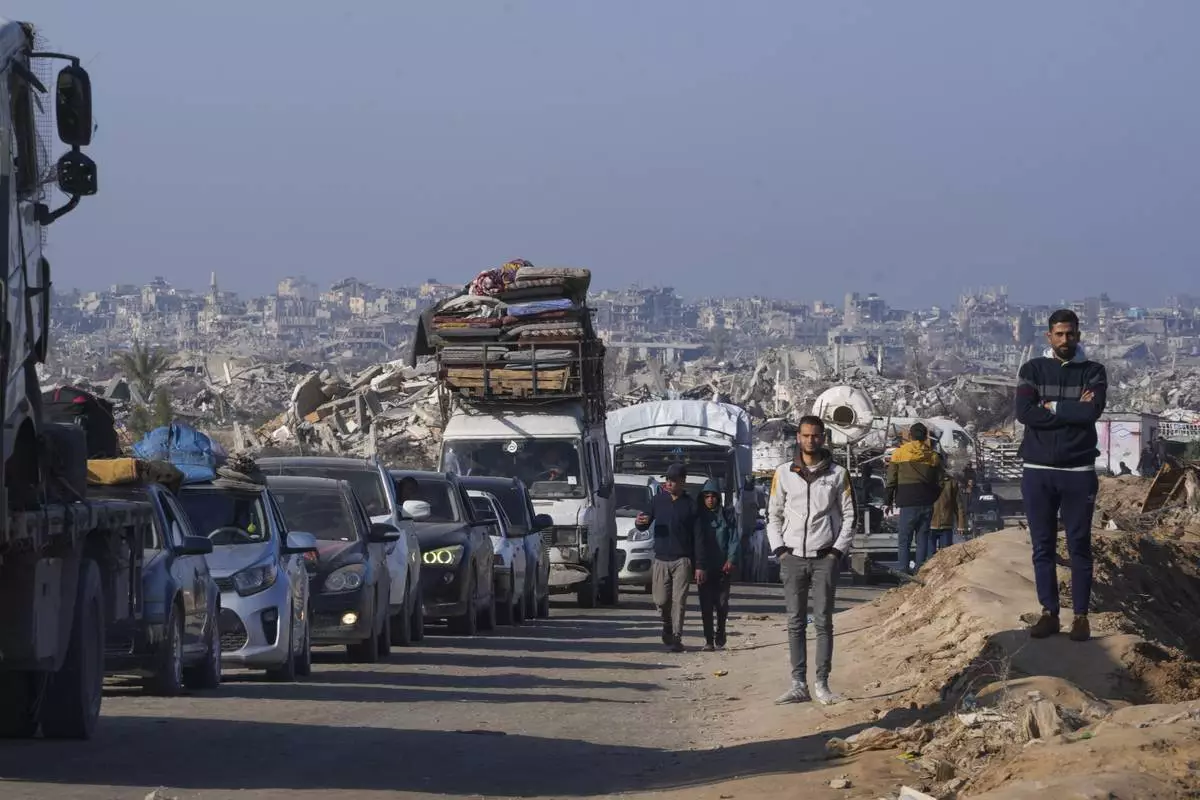
Displaced Palestinians, traveling in vehicles, wait to cross through a security checkpoint at the Netzarim corridor as they make their way from central Gaza to the northern Gaza Strip, Tuesday, Feb. 18, 2025. (AP Photo/Abdel Kareem Hana)
Displaced Palestinians, traveling in vehicles, wait to cross through a security checkpoint at the Netzarim corridor as they make their way from central Gaza to the northern Gaza Strip, Tuesday, Feb. 18, 2025. (AP Photo/Abdel Kareem Hana)
Iran fired missiles at Israel and some Gulf nations while explosions could be heard around Tehran and the central Iranian city of Isfahan on Friday, as the United States prepared to further reinforce its already significant military forces in the Middle East.

As the war that began Feb. 28 was to enter its sixth week, Israel, Bahrain, Kuwait warned about incoming missile fire, although it was unclear if anything was struck. Activists reported strikes around Tehran and the central city of Isfahan but it wasn’t immediately clear what was hit.

Iran’s attacks on Gulf region energy infrastructure and its tight grip on the Strait of Hormuz, through which a fifth of the world’s oil and natural gas transits in peacetime, has sent oil prices skyrocketing.

Oil prices surged while Asian financial markets rose moderately during cautious trading. Benchmark U.S. crude rose 11.4% to $111.54 a barrel. The price of Brent crude, the international standard, jumped 7.8% to $109.03 per barrel.

U.S. President Donald Trump said U.S. forces will keep hitting Iran “very hard” in the next two or three weeks.

The largest American aircraft carrier in service sailed out of Split, in Croatia and “remains poised for full mission tasking in support of national objectives in any area of operation,” the Navy’s 6th Fleet announced.

It was unclear where it was going. The USS Abraham Lincoln remains in the Arabian Sea and the USS George H. W. Bush aircraft carrier departed Norfolk on Wednesday to head to the Mideast.

Here is the latest:

Oil prices continued to surge on worries of a prolonged Iran war but the Asian markets that were open Friday rose moderately in cautious trading, while others were closed for the Good Friday holidays.

Benchmark U.S. crude rose 11.4% to $111.54 a barrel. The price of Brent crude, the international standard, jumped 7.8% to $109.03 per barrel.

The U.S. only relies on the Persian Gulf for a fraction of the oil it imports, but oil is a commodity and prices are set in a global market.

The situation is very different in Asia. Japan, for example, relies on access to the Strait of Hormuz for much of the nation’s oil import needs and would need to rely on alternative routes. But some analysts say Japan and oher nations are counting on an agreement with Iran to allow transports.

Japan’s benchmark Nikkei 225 gained 0.9% in Friday morning trading to 52,938.62. South Korea’s Kospi jumped 2.1% to 5,344.41. The Shanghai Composite sank 0.5% to 3,899.57. Trading was closed in Hong Kong, Singapore, Australia, New Zealand, the Philippines, Indonesia and India.

Wall Street, where trading is closed Friday, finished its first winning week since the start of the Iran war, although trading started out with a decline driven by a surge in oil prices.

Bangladesh is curtailing office hours and enforcing early closure of malls and shops beginning Friday to handle its energy crisis related to the war.

The country’s cabinet ordered 30% spending cuts for fuel and power at government offices, suspended some staff training and stopped purchases of new vehicles, ships and aircraft. Decorative lighting will not be allowed for celebrations.

Bangladesh, a nation of more than 170 million people, is seeking alternative fuel sources and $2.5 billion in external financing for imports, which account for 95% of its fuel.

Australian Energy Minister Chris Bowen on Friday urged motorists getting away for a long weekend during the Easter holiday to fill up in cities because most of the nation’s fuel shortages are in rural areas.

Among 2,400 gas stations in New South Wales, Australia’s most populous state, 182 had run out of diesel by Friday.

In Australia’s second-most populous state, Victoria, 76 gas stations were out of diesel. In the remaining states ranked by the most populous first, Queensland had 75 stations without diesel, Western Australia had 37, South Australia had 28 and in Tasmania there were seven.

“For those Australians planning a road trip this weekend, given our shortages are predominantly in rural and regional Australia, it makes sense to fill up in the city to help the country if you can,” Bowen said in Sydney.

The government, which blamed regional shortages on panic buying and distribution problems, is concentrating on delivering fuel to farmers for planting crops.

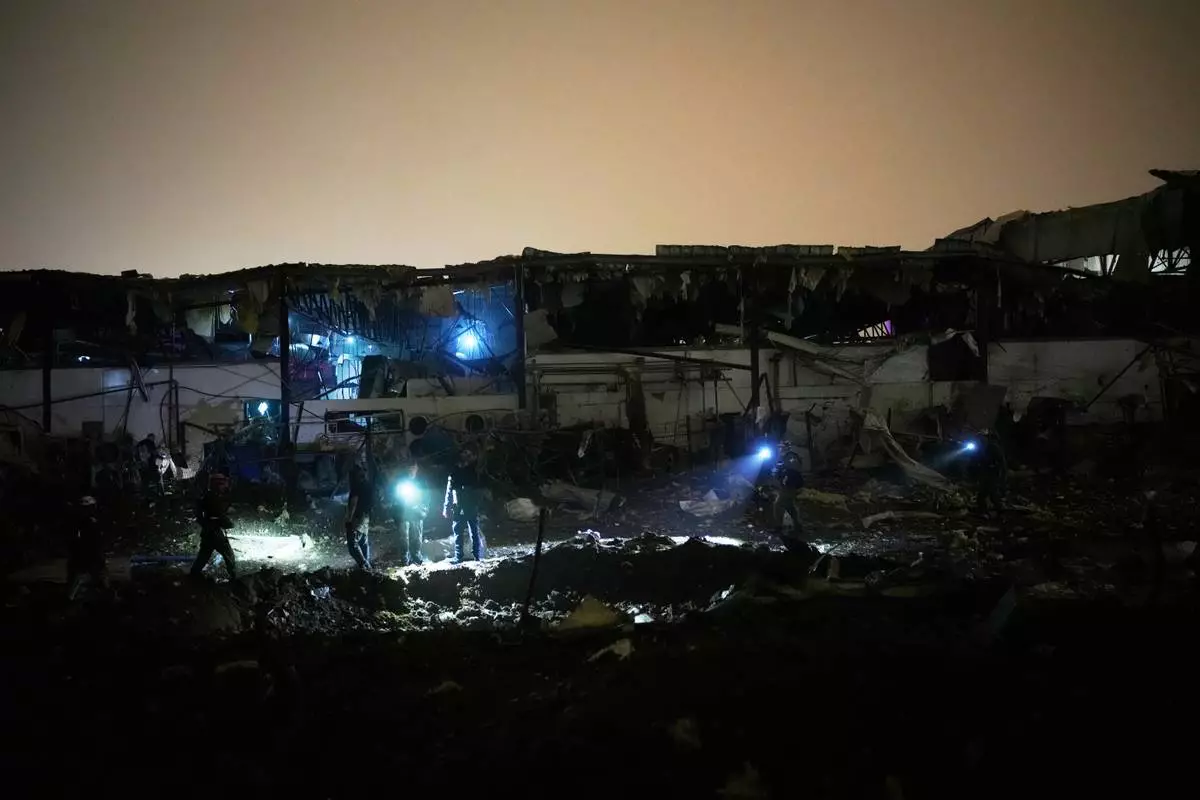
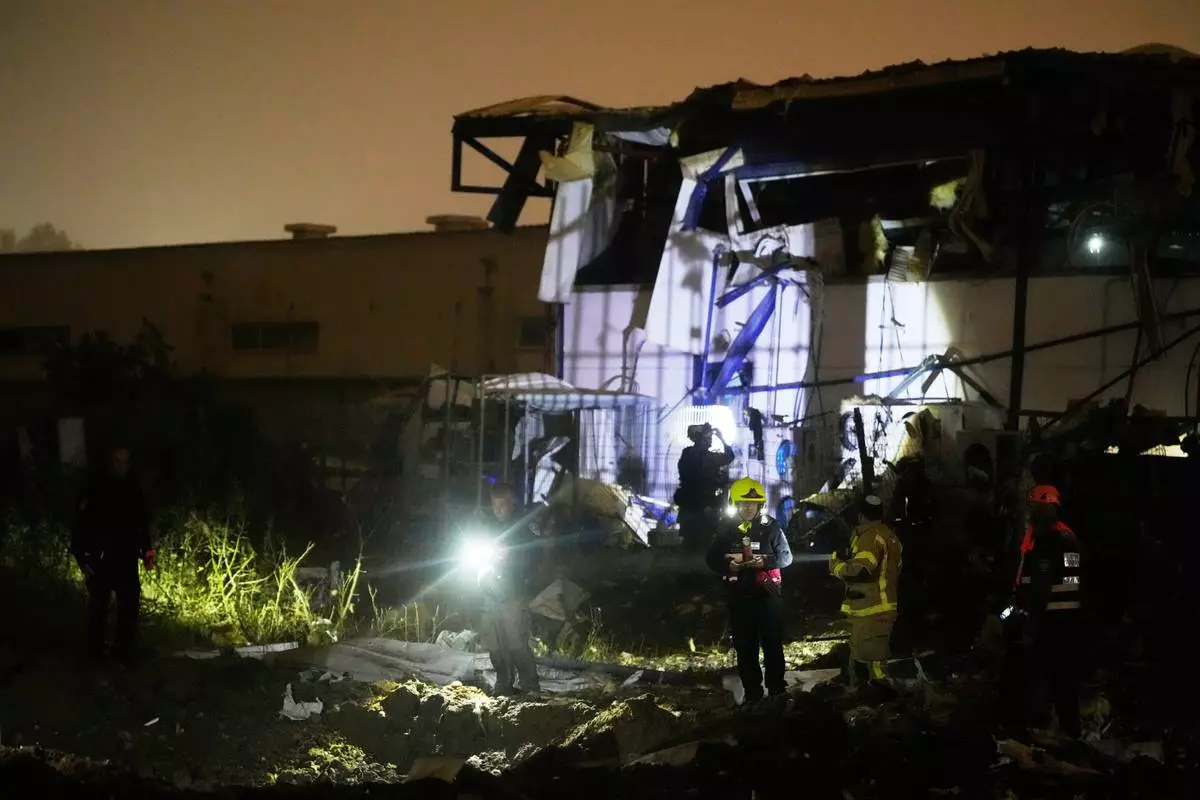
Israeli security forces and rescue teams inspect a site struck by an Iranian missile in Petah Tikva, Israel,Thursday, April 2, 2026. (AP Photo/Ohad Zwigenberg)

Israeli security forces and rescue teams inspect a site struck by an Iranian missile in Petah Tikva, Israel,Thursday, April 2, 2026. (AP Photo/Ohad Zwigenberg)

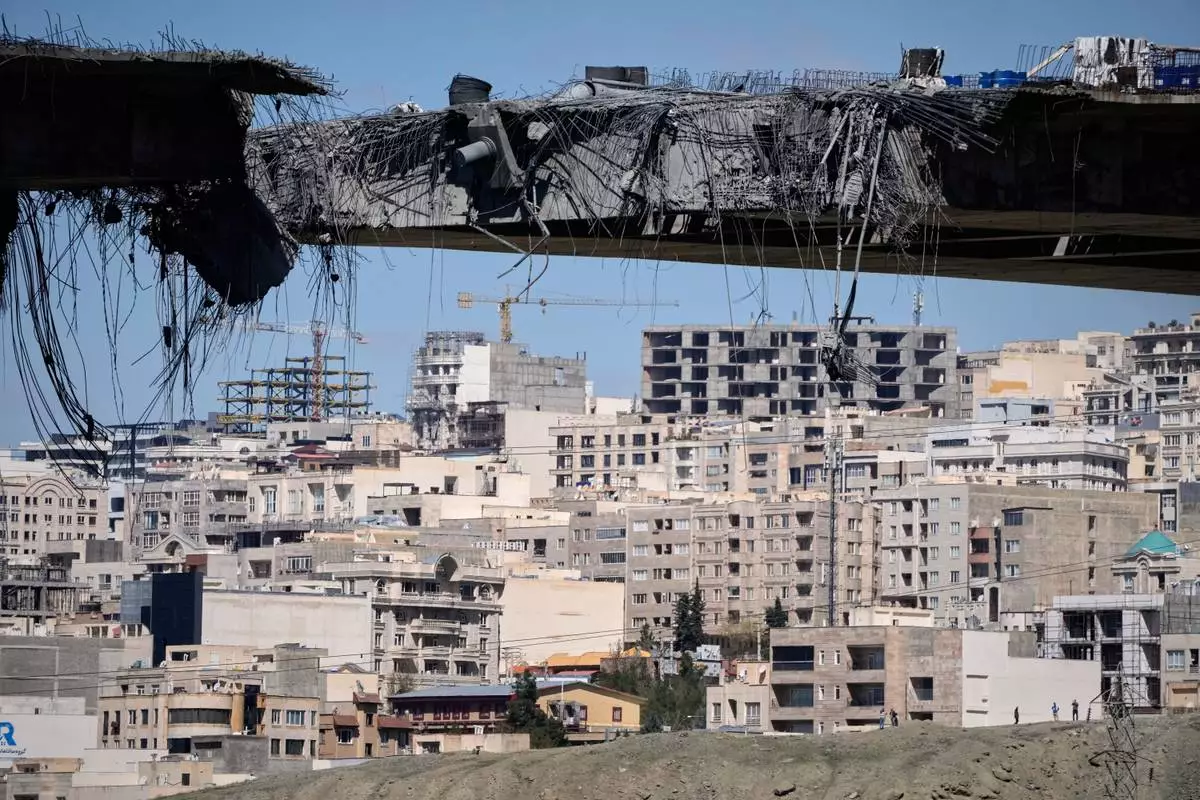
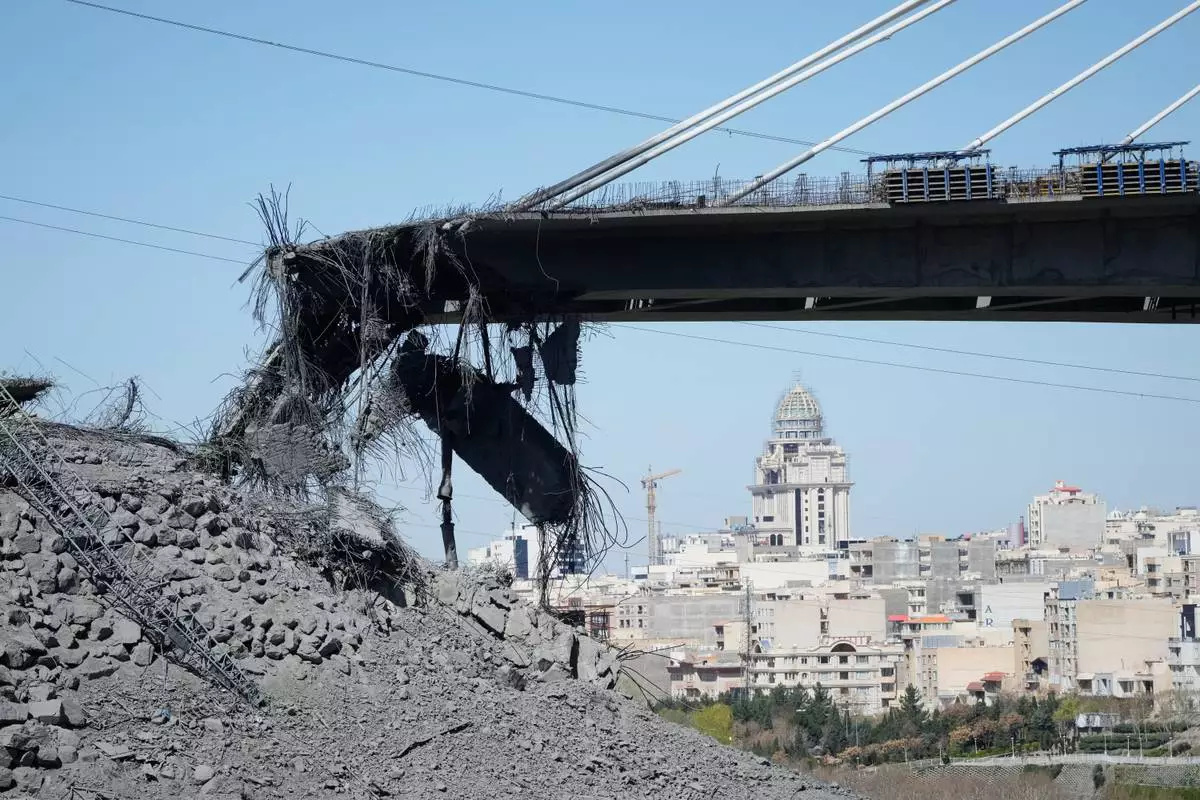
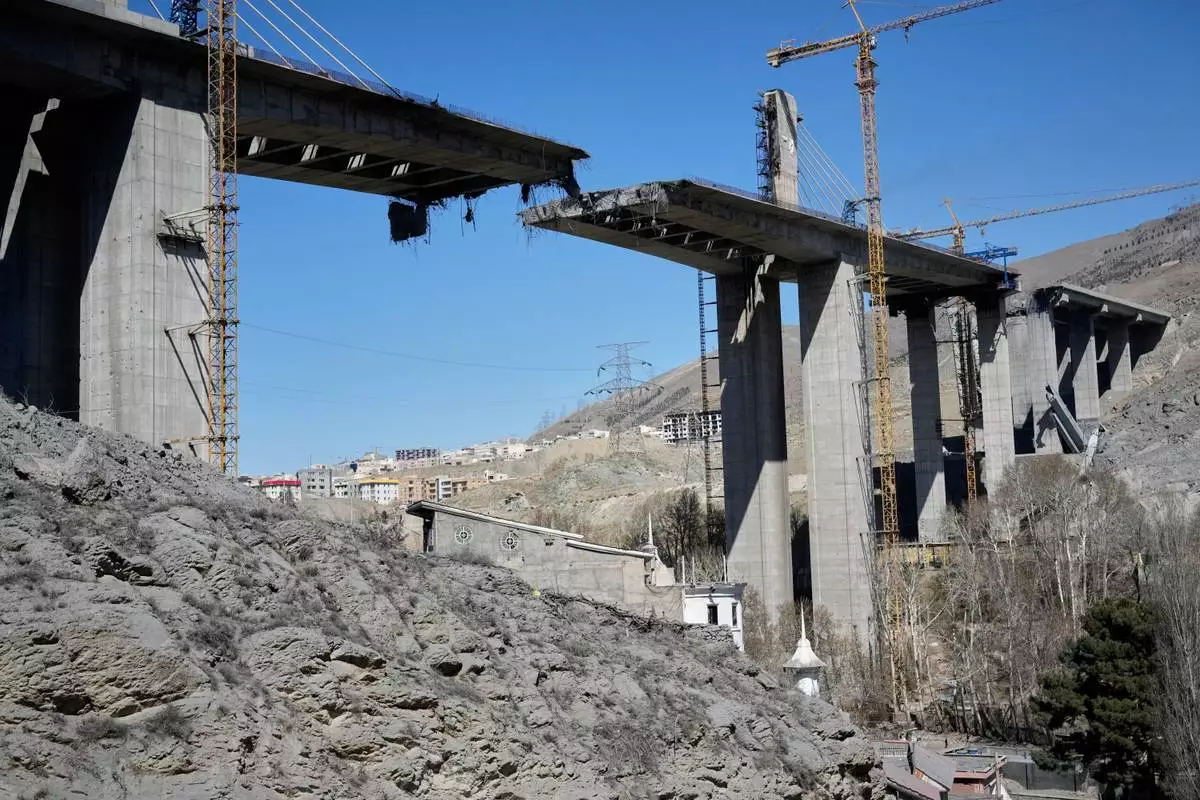
A newly constructed bridge struck by U.S. airstrikes Thursday is seen in Karaj, west of Tehran, Iran, Friday, April 3, 2026. (AP Photo/Vahid Salemi)

A newly constructed bridge struck by U.S. airstrikes Thursday is seen in Karaj, west of Tehran, Iran, Friday, April 3, 2026. (AP Photo/Vahid Salemi)

A newly constructed bridge struck by U.S. airstrikes Thursday is seen in Karaj, west of Tehran, Iran, Friday, April 3, 2026. (AP Photo/Vahid Salemi)

A newly constructed bridge struck by U.S. airstrikes Thursday is seen in Karaj, west of Tehran, Iran, Friday, April 3, 2026. (AP Photo/Vahid Salemi)

A bridge struck by U.S. airstrikes on Thursday is seen in the town of Karaj, west of Tehran, Iran, Friday, April 3, 2026. (AP Photo/Vahid Salemi)

A bridge struck by U.S. airstrikes on Thursday is seen in the town of Karaj, west of Tehran, Iran, Friday, April 3, 2026. (AP Photo/Vahid Salemi)

Israeli security forces and rescue teams inspect a site struck by an Iranian missile in Petah Tikva, Israel,Thursday, April 2, 2026. (AP Photo/Ohad Zwigenberg)

Israeli security forces and rescue teams inspect a site struck by an Iranian missile in Petah Tikva, Israel,Thursday, April 2, 2026. (AP Photo/Ohad Zwigenberg)

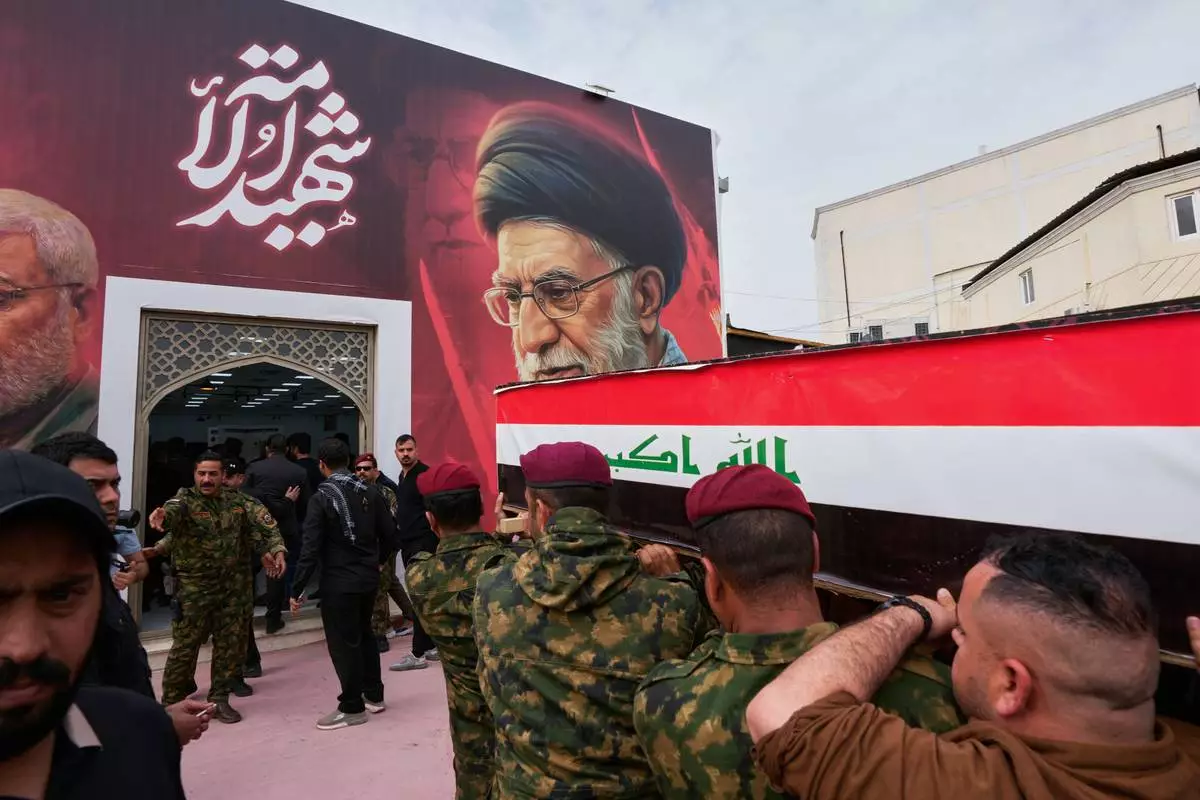
Members from the Popular Mobilization Forces attend a funeral of fighters who were killed in a U.S. airstrike, in Tal Afar, Nineveh province, north of Baghdad, Iraq, Thursday, April 2, 2026. (AP Photo/Hadi Mizban)

Members from the Popular Mobilization Forces attend a funeral of fighters who were killed in a U.S. airstrike, in Tal Afar, Nineveh province, north of Baghdad, Iraq, Thursday, April 2, 2026. (AP Photo/Hadi Mizban)

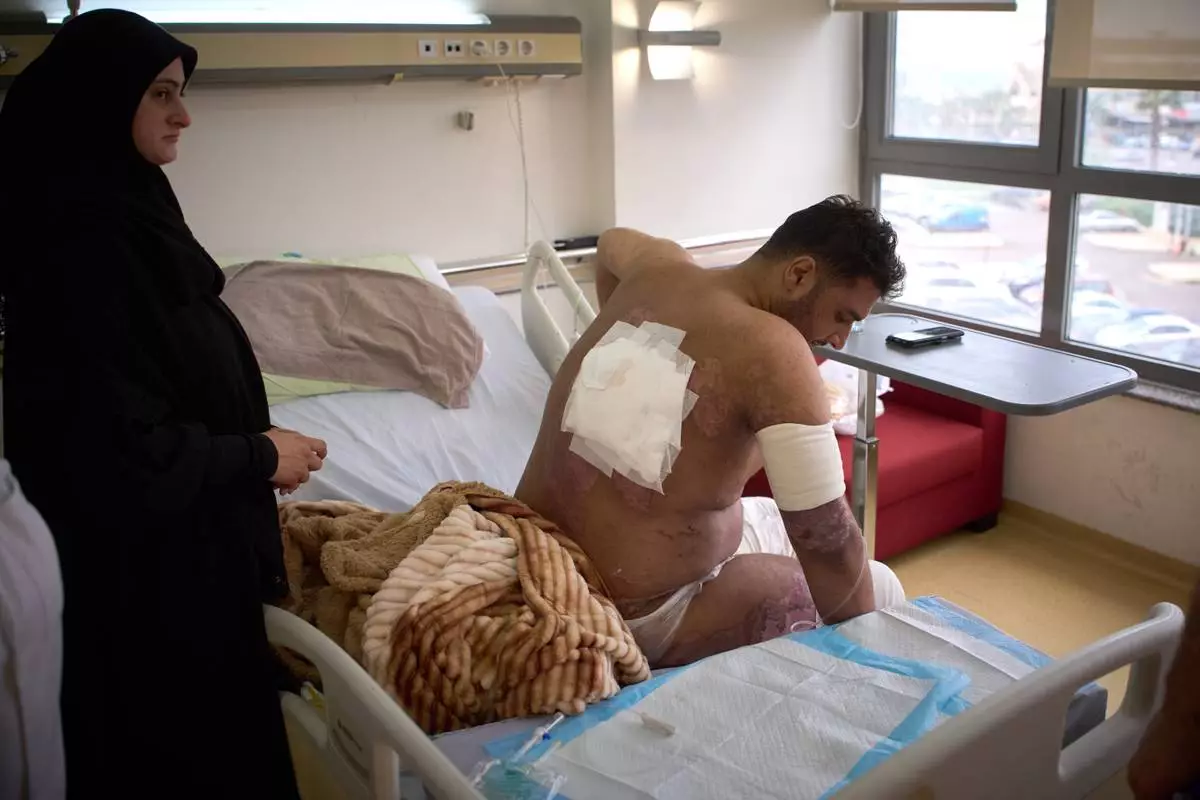
A man with burn wounds from an Israeli airstrike on southern Lebanon sits on a bed at the Sidon Government Hospital in Sidon, Lebanon, Thursday, April 2, 2026. (AP Photo/Emilio Morenatti)

A man with burn wounds from an Israeli airstrike on southern Lebanon sits on a bed at the Sidon Government Hospital in Sidon, Lebanon, Thursday, April 2, 2026. (AP Photo/Emilio Morenatti)

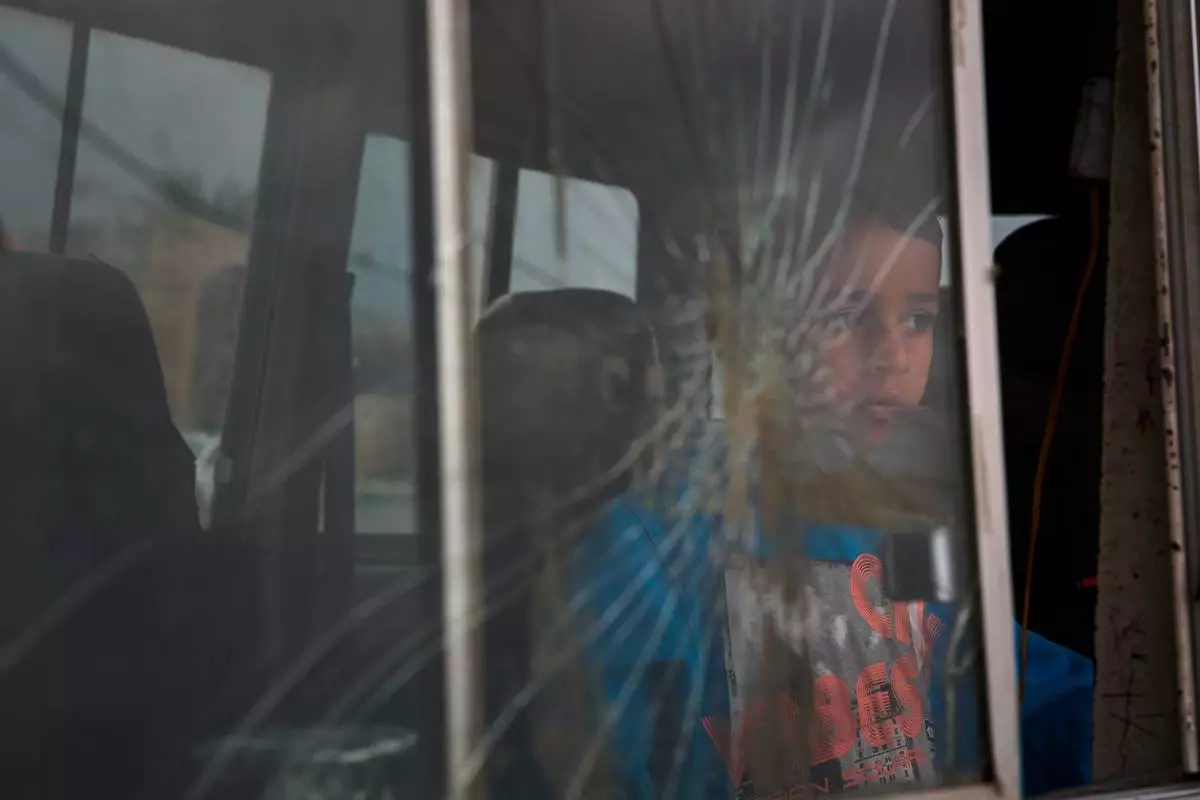
A boy who fled with his family following Israeli strikes in southern Lebanon sits inside the van they are using as shelter in Sidon, Lebanon, Thursday, April 2, 2026. (AP Photo/Emilio Morenatti)

A boy who fled with his family following Israeli strikes in southern Lebanon sits inside the van they are using as shelter in Sidon, Lebanon, Thursday, April 2, 2026. (AP Photo/Emilio Morenatti)

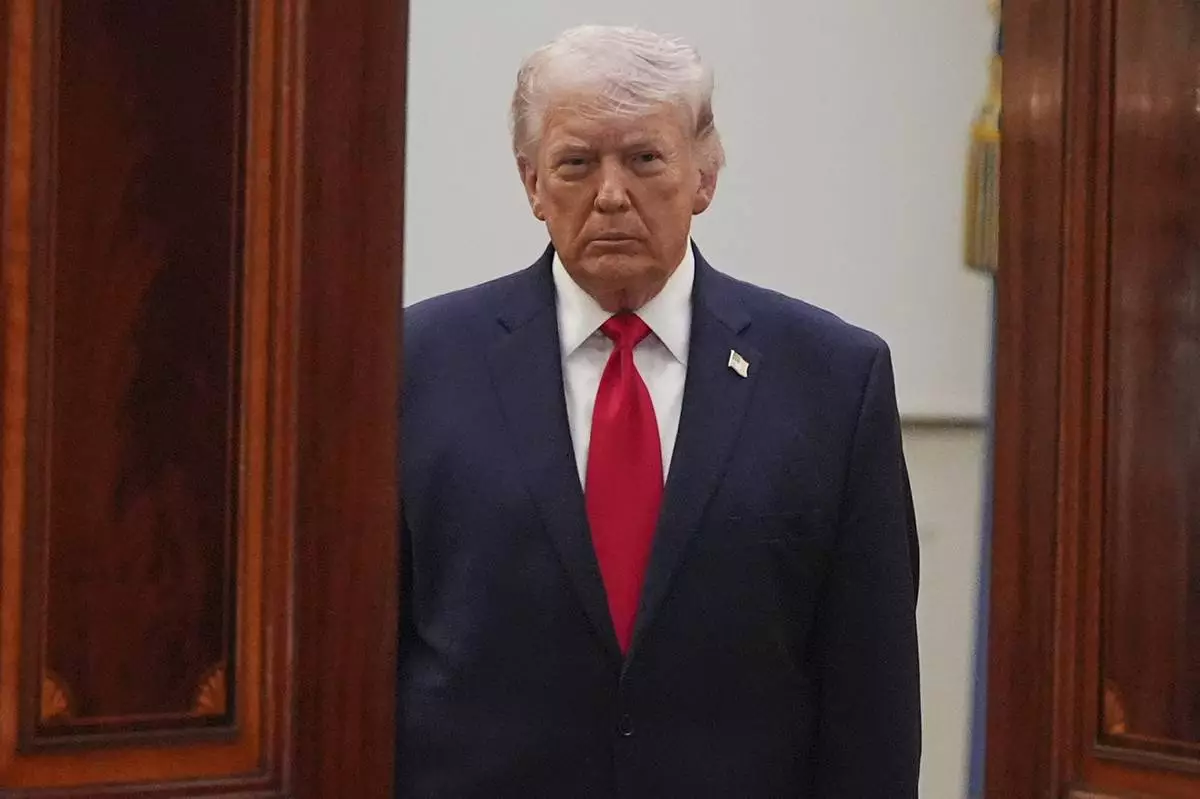
President Donald Trump arrives from the Blue Room to speak about the Iran war from the Cross Hall of the White House on Wednesday, April 1, 2026, in Washington. (AP Photo/Alex Brandon, Pool)

President Donald Trump arrives from the Blue Room to speak about the Iran war from the Cross Hall of the White House on Wednesday, April 1, 2026, in Washington. (AP Photo/Alex Brandon, Pool)

Recommended Articles