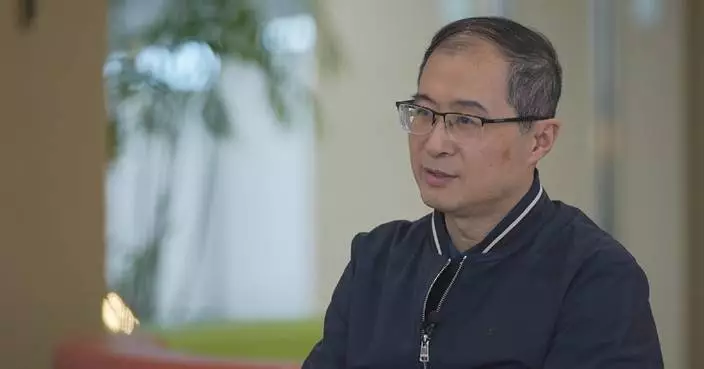
The CEO of Chinese tech giant Xiaomi's Lei Jun said on Monday that his company is determined to integrate AI technology in to all of its products and boost the company’s global influence.
Lei says he was inspired to make ambitious plans for the company’s future after attending a symposium on private enterprises in Beijing on Monday, where Chinese President Xi Jinping, general secretary of the Communist Party of China (CPC) Central Committee, delivered an important speech after consultations with representatives from private companies.
"I feel deeply the care, support, and encouragement from the general secretary and the Party for private enterprises and entrepreneurs. This has greatly boosted our confidence," Lei said.
Lei added that Xi had provided invaluable advice, encouraging private enterprises to remain committed to their core businesses and enhance their global competitiveness.
"Over the past 15 years, Xiaomi has remained dedicated to smartphones, electric vehicles, smart home products, and intelligent manufacturing. Our goal is to integrate cutting-edge technologies, like AI, into our terminal products to enhance consumer experiences. Secondly, while expanding in the domestic market, we are also striving to boost the global influence of Chinese products," he said.
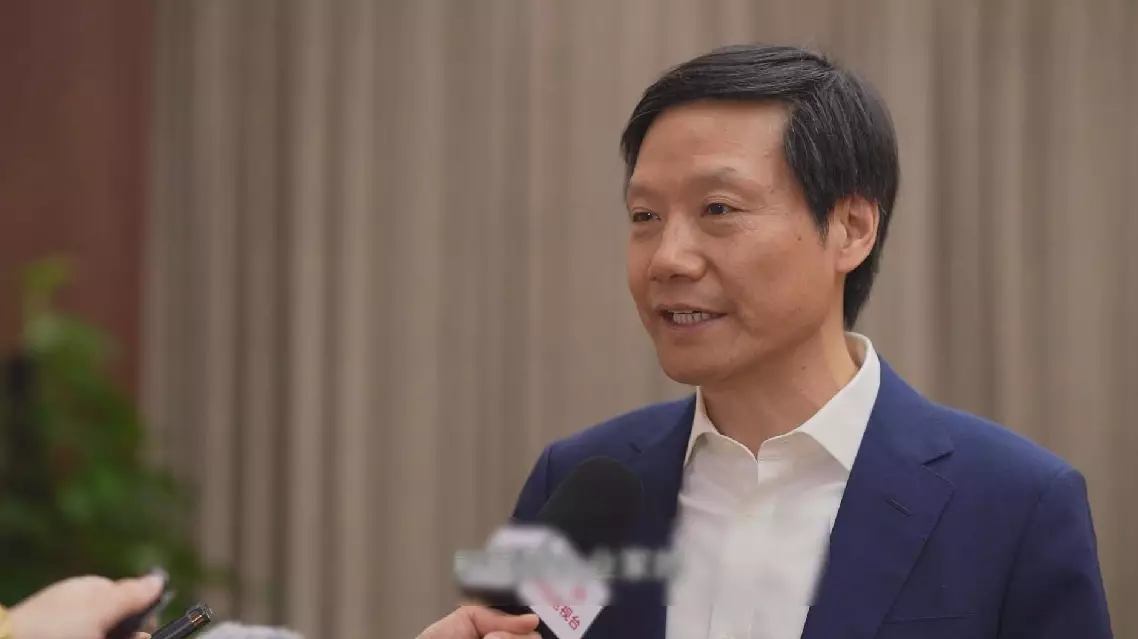
Xiaomi CEO Lei Jun eyes AI integration and global expansion
The inaugural maritime film festival kicked off on board China's first domestically built large cruise ship Adora Magic City on Sunday, with classic movie screenings, exhibitions of cinematic memorabilia and interactive activities together creating a special journey for travelers.
Jointly presented by Adora Cruises and Changchun Film Group, guests are treated with movie screenings, panel sessions with actors, as well as interactive performances themed on classic movies during a five-day voyage.
The themed cruise season will run until the end of June on three cruise ships.
"Through the in-depth expansion of the 'film plus' model, we combine resources across sectors to explore new pathways for the integrated development of the film and television industry and the cruise economy," said Zhuang Yan, chairman of Changchun Film Group, at the opening event.
Actor Hou Yong, who is on the maiden voyage of the film-themed cruise season, said he was looking forward to having interactive experiences with audiences.
"During this journey, I also look forward to those chances of encounters -- with film audiences, with film enthusiasts. As an actor, I feel I have the obligation, the capability, and the responsibility to pass on my understanding of Chinese cinema to them," he said.
Adora Magic City, 323.6 meters long, has a gross tonnage of 135,500 tonnes and can accommodate up to 5,246 passengers in 2,125 guest rooms.
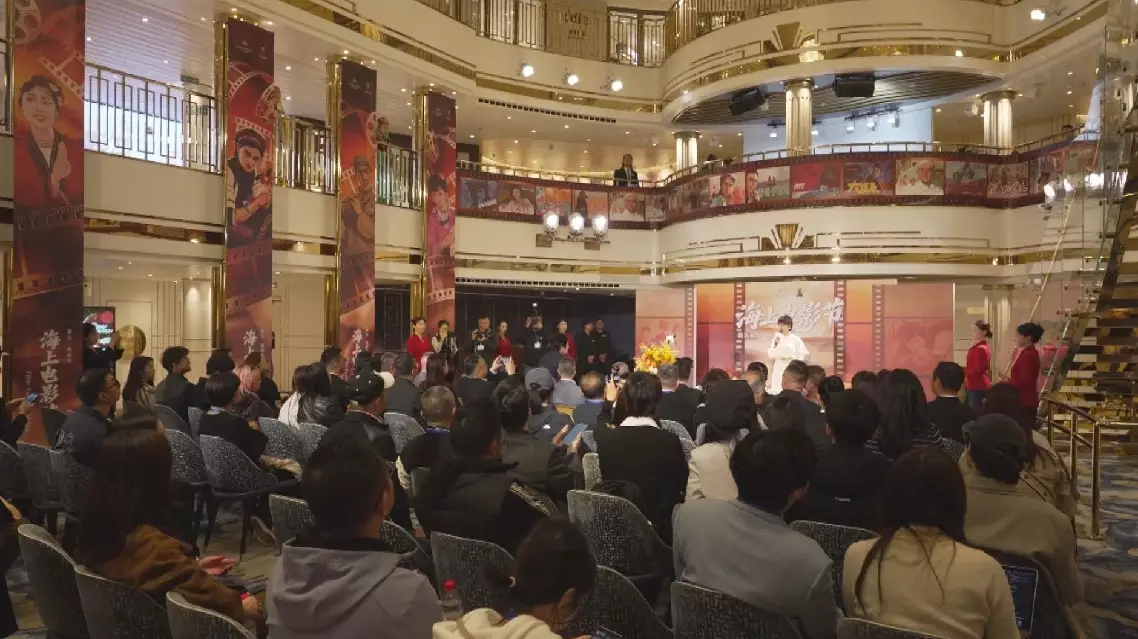
First maritime film festival launched on China's homegrown cruise ship