People from all walks of life in Brazil have slammed U.S. President Donald Trump's decision to impose sizable tariffs on steel and aluminum imports, with many fearing the move could bring considerable economic harm and result in a hugely damaging trade war.
Since returning to the White House to start his second term in office last month, Trump has announced a series of aggressive trade measures as part of his so-called "America First" agenda. Among these has been the introduction of a 25 percent tariff on steel and aluminum imports from all countries, which will be effective March 12.
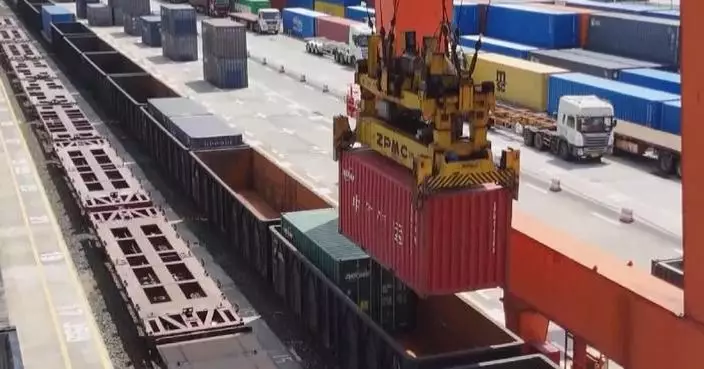
As the world's largest steel importer, the United States relies heavily on Canada, Brazil, and Mexico as its top suppliers, according to data from the U.S. Commerce Department. Trump's tariff decision has raised alarm bells in Brazil, the second-largest steel exporter to the U.S., with industry experts warning of a significant economic fallout.
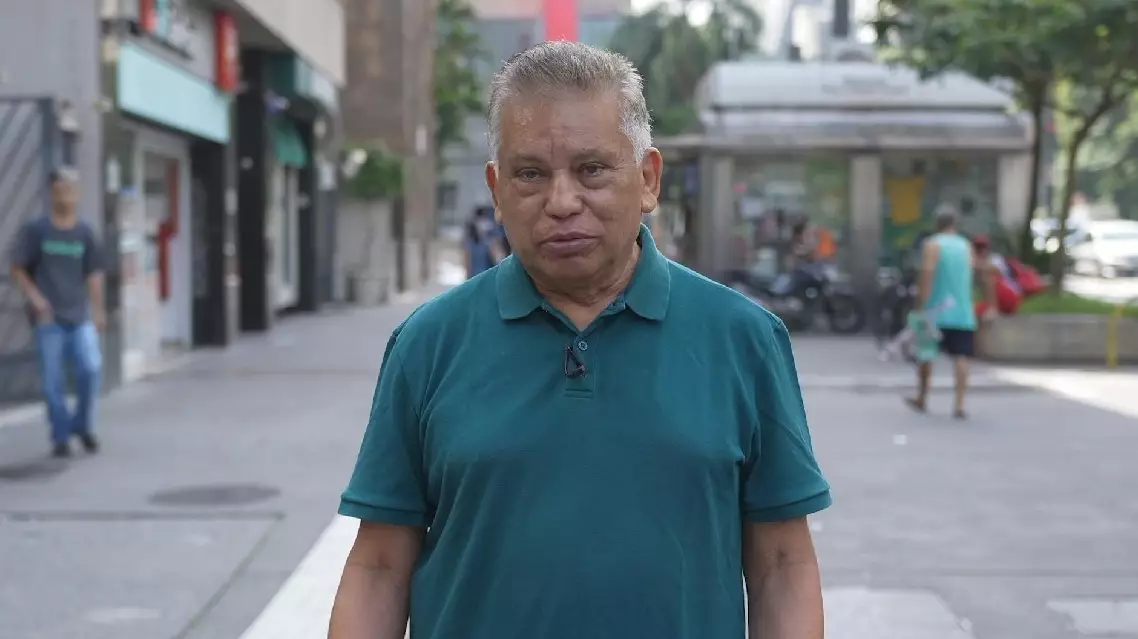
In a series of street interviews with the China Global Television Network (CGTN), residents in the Brazilian city of Sao Paulo shared their concerns.
"This 25 percent tariff imposed by Trump will disrupt a market that has been organized by the World Trade Organization (WTO) for many years. Right? And a country like Brazil, which already has a tradition of this type of export, will have a huge impact," said Alderir Gutierres, an economist.
"I think it's a step he takes where he (Trump) is going to end up suffering the consequences in the end, to be quite honest. Because we are the second largest exporter of this raw material, both sides will end up losing, especially the U.S., as they are the later producers," said a local chef named Lucas Lima, as he highlighted the mutual losses the move will bring.
"It will be very harmful for Brazil, right? Because we export a lot, unemployment will automatically occur, there are many families who depend on it. So it will be very harmful for us," said Leticia Rodrigues, a student.
In response to Trump's move, Brazilian President Luiz Inacio Lula da Silva said on Friday that Brazil will impose reciprocal tariffs.
Vinicius da Silva, a lawyer, expressed his fear that the situation could spill into a full blown trade war, while also criticizing the U.S. for abandoning its adherence to a free global trade system.
"I think these tariffs are very bad because it will harm Brazilian exports to the United States. It will create a type of trade war. This could generate a type of trade war. And it is curious that the U.S. has always defended free trade, tried to implement the Free Trade Area of Americas (FTAA) and now they are talking about imposing trade barriers, creating difficulties for international trade," he said.
"I think it's not very fair, right? The United States is one of the biggest global powers. If it is going to charge tariffs to other countries, it could be very harmful too," said Rodrigues when discussing the Trump administration's proposed "reciprocal tariffs" policy.
"I think it is very contradictory. And these measures will not last long, after all," said Gabriel Fernando, an artist, who questioned the sustainability of the policy.
Brazilians slam Trump's "harmful" tariffs on steel amid fears of full blown trade war